Why a Black Cane Corso Overheats First
It’s a truly disheartening experience to see your powerful, protective Cane Corso struggling in the summer heat, panting excessively, and just looking utterly miserable. Many of us who adore these magnificent dogs notice that our black-coated companions seem to reach their limit far quicker than other breeds, or even lighter-colored Corsos, leaving us wondering what exactly is going on. This guide will walk you through the scientific reasons behind why a black Cane Corso can be particularly susceptible to overheating and, crucially, equip you with the knowledge to keep your beloved dog safe, cool, and comfortable when the mercury rises.
The Science Behind Dark Coats and Heat Absorption
It might seem obvious, but the color of your Cane Corso's coat plays a significant role in how much heat they absorb from their environment, particularly from direct sunlight. It’s a fundamental principle of physics that has real-world implications for our dogs' comfort and safety. Understanding this isn't just about trivia; it's vital for responsible ownership.
Solar Radiation and Wavelengths
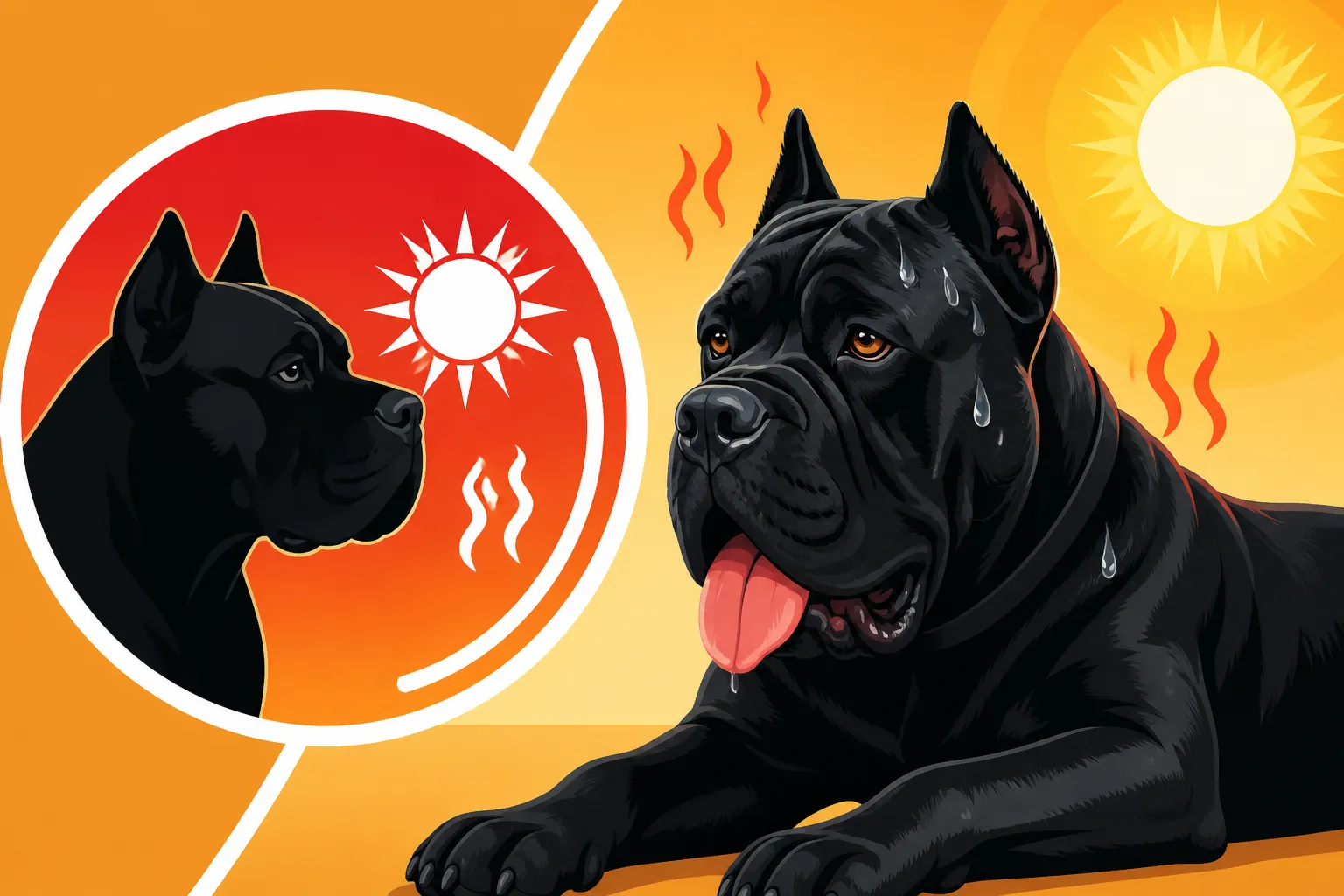
Think about wearing a black t-shirt on a sunny day versus a white one. The difference in temperature you feel is immediate and striking. The same physics applies to your Cane Corso. Black surfaces absorb nearly all wavelengths of visible light, converting that light energy into heat. Lighter colors, on the other hand, reflect much of that light back into the environment. When your black Cane Corso stands out in the sun, every photon hitting their dark fur is largely absorbed, directly heating their coat and, by extension, their skin and body.
This isn't just about feeling warm to the touch; it means their internal cooling mechanisms have to work harder, right from the start, just to counteract the external heat load. The intensity of solar radiation varies depending on your geographic location, the time of day, and even humidity levels, all of which contribute to the challenge a black Cane Corso faces. A sunny afternoon in Phoenix, Arizona, for example, will present a far greater challenge than a cloudy morning in Seattle, even if the ambient air temperature is the same, simply due to the difference in solar load. Owners in hotter climates, or those working their dogs outdoors, need to be extra vigilant about The Temperature a Black Cane Corso Should Not Walk In.
How a Dog's Coat Acts as Insulation
A dog's coat, regardless of color, serves a dual purpose: it insulates against the cold and provides a barrier against external elements like sun, wind, and rain. In cooler weather, this insulation is fantastic, helping to trap body heat and keep your Cane Corso warm. However, in hot, sunny conditions, a dark, dense coat can become a significant disadvantage. While the coat does offer a degree of protection against direct UV radiation, a black coat's primary action under the sun is to absorb that radiant heat.
Once absorbed, this heat gets trapped within the layers of fur and close to the dog's skin. It's like wearing a heavy, black winter coat in July; the coat itself becomes a heat source, making it harder for the dog's body to shed heat. Unlike humans who sweat profusely across their skin, dogs primarily cool themselves by panting, and to a lesser extent, through their paw pads. If their external surface is constantly absorbing and trapping heat, their internal cooling systems are under immense pressure, making them more susceptible to overheating even during moderate activity or ambient temperatures. This is why careful management of Cooling a Cane Corso After Hard Work is paramount.
Unique Challenges for Deep-Chested, Brachycephalic-Tendency Breeds Like the Cane Corso
Beyond coat color, the very physical attributes that make the Cane Corso such an impressive and powerful breed also contribute to their increased risk of heat-related issues. Their formidable size, muscular build, and specific facial structure create additional hurdles when it comes to effectively regulating their body temperature.
The Cane Corso's Body Type and Heat Dissipation
Cane Corsos are large, muscular dogs, often weighing well over 100 pounds. While their robust physique is magnificent, it means they have a relatively smaller surface area compared to their body mass. This is a crucial factor in heat dissipation. Think about it: a larger surface area allows for more heat to radiate away from the body. A compact, massive dog like the Cane Corso has less "skin to air" exposure per pound of body weight, making it inherently more difficult for them to shed excess heat into the environment. They simply have more mass to cool down with less external surface to do the job.
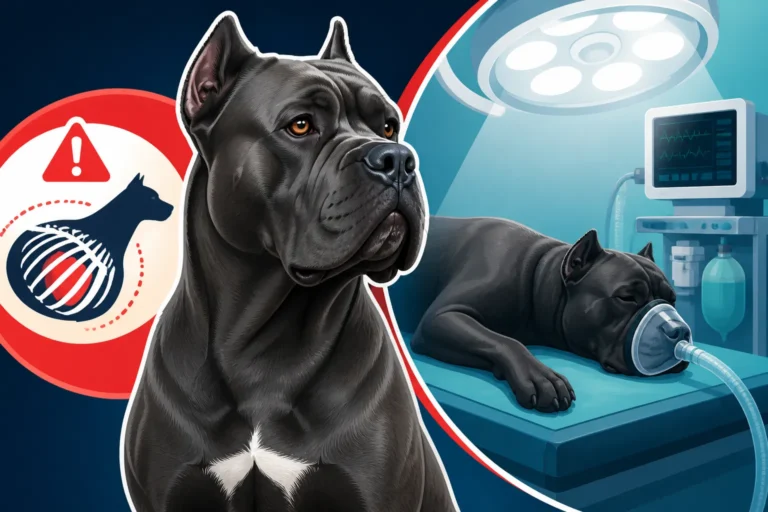
Furthermore, their deep chest, while characteristic of the breed, can sometimes be associated with a more restricted airway compared to breeds with longer muzzles and more open respiratory passages. While Cane Corsos are not true brachycephalic dogs like Bulldogs or Pugs, their relatively shorter muzzle compared to many other working breeds means their nasal passages and airways are less efficient at the crucial heat-exchange process that happens during panting. This anatomical reality adds another layer of challenge to their ability to stay cool. It's not just about what's visible on the outside; the internal mechanics of their cooling system are intrinsically linked to their breed-specific conformation. Owners must be mindful of how exercise affects such a powerful frame, especially as they age, referring to guides like How Far an Old Cane Corso Should Still Walk.
Respiration and Cooling Efficiency
The primary way a dog cools itself is through panting. When a dog pants, air rapidly moves over the moist surfaces of the tongue, mouth, and upper respiratory tract. As water evaporates from these surfaces, it carries heat away from the body, similar to how human sweat cools us. For this process to be efficient, dogs need clear, unobstructed airways and a consistent flow of air. The Cane Corso, with its relatively shorter muzzle and powerful build, can sometimes have a less efficient evaporative cooling system compared to breeds with longer snouts that allow for a greater surface area for heat exchange in their nasal passages.
High humidity further compounds this problem. When the air is already saturated with moisture, the evaporation of water from a dog's respiratory tract becomes much less effective. The air simply can't hold any more moisture, reducing the amount of heat that can be dissipated through panting. This means a black Cane Corso in a humid environment is fighting a double battle: absorbing more radiant heat due to its coat color, and struggling to effectively cool down internally due to its body structure and the challenging atmospheric conditions. It’s why you might see your Cane Corso chugging water incessantly, truly emptying their bowls with alarming speed. Understanding Why a Cane Corso Empties Its Water Bowl by Noon is often a sign of their diligent attempt to stay hydrated in these challenging conditions. Even without extreme weather, a large, active Cane Corso needs constant access to fresh water, sometimes much more than you might anticipate.
Recognizing and Preventing Overheating in Your Black Cane Corso
The key to keeping your black Cane Corso safe in the heat lies in proactive prevention and quick recognition of early warning signs. These dogs are stoic by nature, and sometimes, by the time overt symptoms appear, they might already be in a critical state. Early intervention can literally be life-saving.
Early Warning Signs of Heat Stress
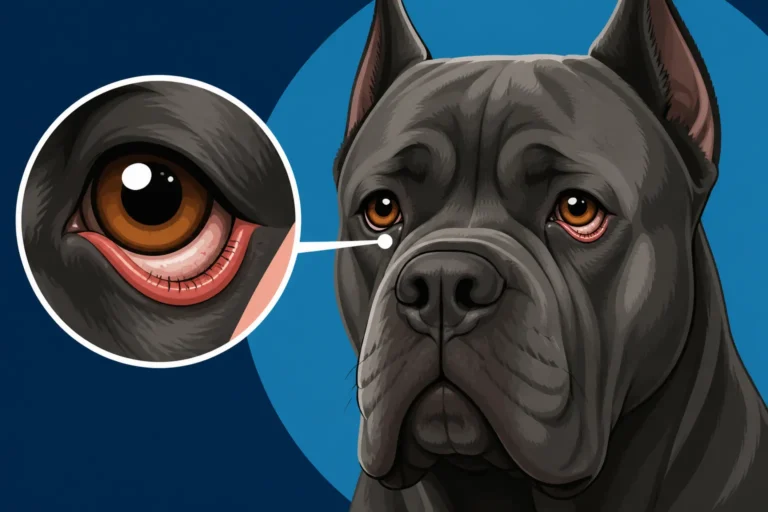
It's crucial to be attuned to the subtle cues your Cane Corso might give before full-blown heatstroke sets in. The first and most obvious sign is often excessive panting – panting that seems harder, faster, or louder than normal, even when they haven't been exerting themselves heavily. This might be accompanied by increased drooling, which helps some with evaporative cooling, but also leads to rapid dehydration. Their gums might appear a brighter red than usual, or conversely, very pale. You might notice a change in their demeanor, becoming lethargic, weak, or even disoriented. Some dogs might start to stumble or have difficulty walking straight.
As heat stress progresses to heatstroke, more severe symptoms emerge. This can include vomiting, diarrhea (sometimes bloody), muscle tremors, seizures, and a complete collapse. Their heart rate will be elevated, and their body temperature will rise dangerously high, often exceeding 104°F (40°C). Never ignore these signs, no matter how mild they seem initially. A delay of even a few minutes can mean the difference between recovery and a tragic outcome. Remember that proactive measures like choosing The Safe Hours to Walk a Cane Corso in August are fundamental to avoiding these dangerous situations in the first place.
Essential Cooling Strategies
Prevention truly is the best medicine when it comes to heat and your Cane Corso. The most straightforward approach is to avoid exposing them to high heat and direct sunlight during the hottest parts of the day. This often means adjusting your walking schedule to early mornings or late evenings. Provide constant access to fresh, cool water; consider adding ice cubes to their bowl or investing in a large, stable water fountain.
Inside the home, ensure they have access to cool areas. Air conditioning is ideal, but if that’s not an option, fans can help, especially when paired with a damp towel on their chest or belly. Cooling mats, which contain a gel that activates with pressure, can be a godsend for large dogs like Cane Corsos, offering a cool spot to lie down. For outdoor time, always ensure ample shade. A kiddie pool with a few inches of cool water can be a fun and effective way for them to cool off, but always supervise to ensure they don't ingest too much water. For any significant health concerns, particularly those that might make your Cane Corso more susceptible to heat, a robust pet insurance plan can be invaluable. Healthy Paws, for example, offers comprehensive coverage that could alleviate the financial stress of an unexpected emergency vet visit, allowing you to focus on your dog's recovery. Regularly visiting your vet for How Often a Healthy Cane Corso Sees the Vet can also help identify any underlying conditions, like The Heart Muscle Disease Behind a Cane Corso's Cardiac Test, that might predispose them to heat intolerance.
Emergency Measures and When to Seek Veterinary Help
If, despite all your precautions, you suspect your black Cane Corso is overheating, immediate action is critical. First, move your dog out of the sun and into the coolest, shadiest spot you can find, ideally indoors with air conditioning or fans. Immediately begin to cool them down with cool (not icy cold) water. Wet towels placed over their neck, armpits, and groin areas can help, or you can gently hose them down with cool water. Be cautious not to use ice-cold water, as this can cause blood vessels to constrict, trapping heat inside, and can even induce shock.
Offer small amounts of water, but don't force it. The absolute next step, without delay, is to get them to an emergency veterinarian. Even if they seem to be recovering, internal damage may have occurred, affecting organs like the kidneys, liver, or brain. A veterinarian can accurately assess their condition, monitor their vital signs, and provide necessary medical interventions such as intravenous fluids and cooling therapies. Having a reliable pet insurance provider like Healthy Paws can truly make a difference in these stressful situations, helping to cover the often significant costs associated with emergency care and diagnostics. Don’t wait to see if they improve; time is of the essence.
Here's a quick reference for recognizing heat stress:
| Symptom Category | Mild Heat Stress | Moderate Heat Stress | Severe Heatstroke |
|---|---|---|---|
| Panting | Heavier than normal, but controlled | Excessive, loud, labored, struggling to catch breath | Rapid, gasping, irregular, frantic |
| Behavior | Restless, seeking shade/water, mild lethargy | Weakness, stumbling, uncoordinated gait, disorientation | Collapse, seizures, unconsciousness, tremors |
| Appearance | Moist gums, slightly red tongue | Very red gums, thick drool, glassy eyes, increased body temperature (103-104°F) | Pale or bluish gums, profuse drool, unresponsive, body temperature >105°F |
| Other | Increased water intake | Vomiting, diarrhea | Bloody diarrhea, organ damage, kidney failure |
When you're dealing with a breed as magnificent and sensitive to heat as the Cane Corso, being prepared for unexpected health challenges is just part of being a responsible owner. It's not just about knowing the signs, but having the resources in place to act quickly.
Disclaimer
The information provided in this article is for general informational purposes only and is not a substitute for professional veterinary advice. Always consult with a qualified veterinarian for any health concerns or before making any decisions related to your Cane Corso's health and care. Individual needs may vary.