Allergy Testing for an Itchy Cane Corso
There are few things as frustrating for a Cane Corso owner as watching your magnificent companion suffer from constant, relentless itching. It's heartbreaking to see them scratch until their skin is red and raw, to endure sleepless nights filled with the sound of incessant licking and chewing, and to feel helpless as you try remedy after remedy. This guide is here to walk you through the complex world of allergy testing for an itchy Cane Corso, helping you understand the options available and what to expect on the journey toward finding relief for your beloved dog.
Recognizing the Signs of Allergies in Your Cane Corso
It's easy to dismiss a bit of scratching as normal dog behavior, especially with a breed as stoic as the Cane Corso. But when that scratching becomes persistent, intense, and starts to interfere with their daily life – and yours – it's time to dig deeper. Allergies in Cane Corsos can manifest in a variety of ways, some more obvious than others, and it's crucial to be attuned to these signals to advocate effectively for your dog.
Beyond Just Scratching: What Else to Look For
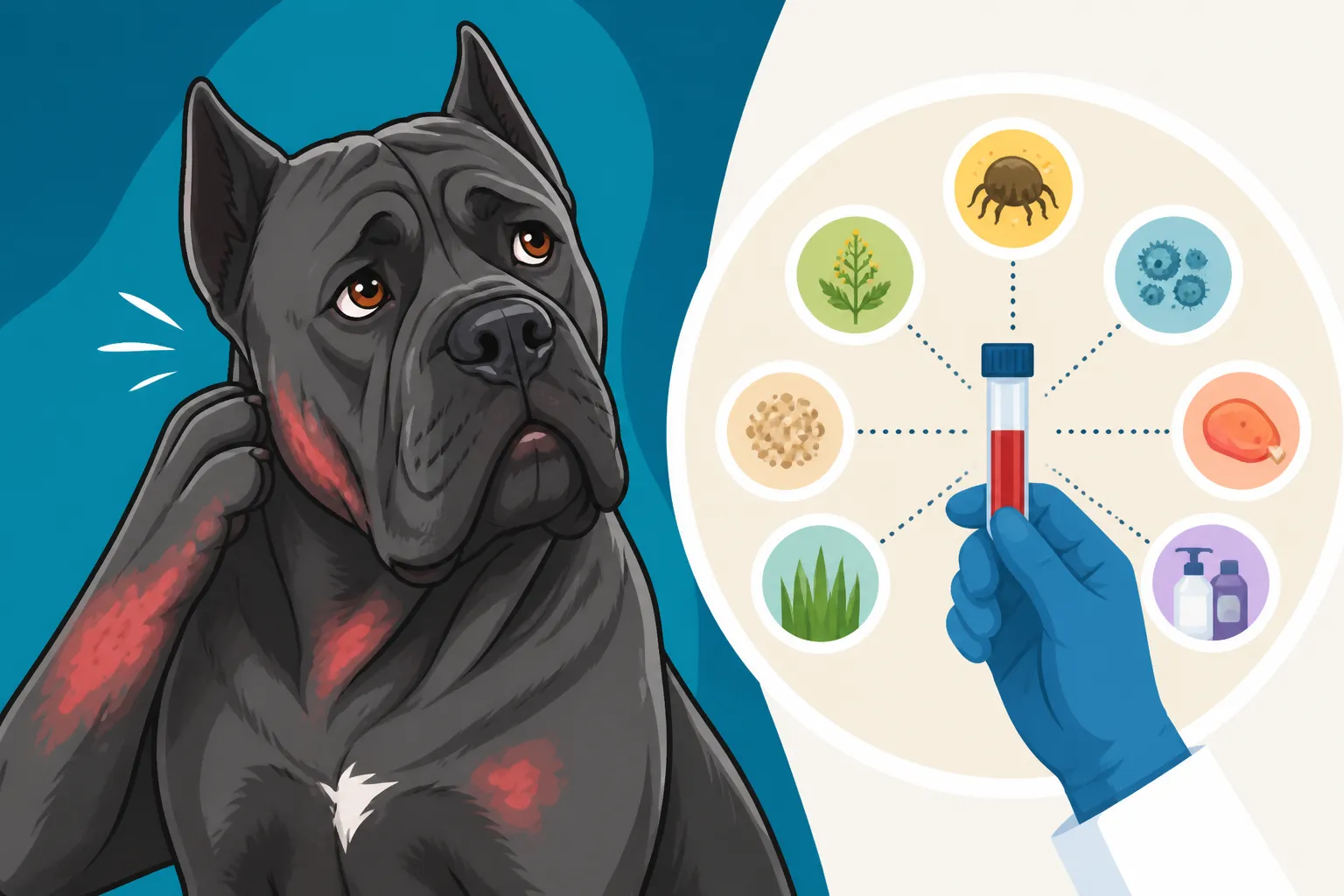
While scratching is the hallmark symptom, it's far from the only indicator of an allergic reaction. Many Cane Corsos will obsessively lick or chew their paws, turning the fur a reddish-brown color due to saliva staining. You might notice them rubbing their face along furniture or carpets, or persistently shaking their head. This head shaking often points to recurring ear infections, which are a common secondary symptom of allergies, especially in breeds with natural, floppy ears. If you've been battling one ear infection after another, or if you constantly notice Ear Infections in a Cane Corso With Natural Ears appearing, it’s highly likely allergies are at play.
Beyond the visible acts of self-trauma, take a closer look at your Cane Corso's skin. You might find areas of redness, inflammation, or a greasy feel. Sometimes, the skin can even develop a distinct odor, often described as yeasty, which signals a secondary yeast infection. This is particularly noticeable in skin folds or between their paw pads, and it's certainly worth investigating if you detect The Yeast Smell on a Cane Corso's Skin Folds. You might also observe "hot spots" – acute moist dermatitis lesions that appear suddenly and can be incredibly painful and itchy for your dog. These spots are typically red, oozing, and hairless, and they can spread rapidly if not addressed immediately. In some cases, allergies can even manifest as gastrointestinal upset, leading to chronic diarrhea, vomiting, or excessive gas, which can be baffling if you're only focused on the skin.
The Frustration of Misdiagnosis and Chronic Itch
The journey to an allergy diagnosis for a Cane Corso can be incredibly frustrating. Many owners go through months, or even years, of chasing symptoms. You might start with treating for fleas, even if you don't see any, because flea allergy dermatitis is so common. Then perhaps you'll try special shampoos for what seems like dry skin, only to find the relief is temporary at best. Your vet might prescribe antibiotics for skin infections or ear infections, which clears things up for a while, but the moment the medication stops, the itch returns with a vengeance. It’s a disheartening cycle that leaves both you and your Cane Corso exhausted.
The sheer size and stoicism of a Cane Corso can sometimes mask the severity of their discomfort. They may not vocalize their itch as much as a smaller, more outwardly dramatic dog, leading owners to underestimate how much they're truly suffering. This chronic itch isn't just an annoyance; it significantly impacts their quality of life, leading to irritability, sleep deprivation, and even behavioral changes. It's a testament to your dedication that you're seeking real answers, because the cycle of temporary fixes is simply not sustainable for long-term health and happiness. When you’ve seen Skin Allergies That Flare on a Cane Corso time and time again, you know it’s time for a more targeted approach.
Types of Allergies Affecting Cane Corsos
Understanding the different types of allergies is the first step toward effective testing and management. While the symptoms can often overlap, knowing the distinctions helps narrow down the diagnostic path. Cane Corsos, like many large breeds, can be susceptible to various forms of allergic reactions.
Environmental Allergies (Atopy)
Environmental allergies, medically known as atopy or atopic dermatitis, are one of the most common causes of chronic itching in dogs. These are essentially hay fever for your Cane Corso, where their immune system overreacts to common substances in their environment that are otherwise harmless. Think pollens from trees, grasses, and weeds, dust mites (a huge culprit for year-round allergies!), molds, and even dander from other animals.
Symptoms can be seasonal, flaring up only during certain times of the year when specific pollens are prevalent, or they can be year-round if your Cane Corso is sensitive to indoor allergens like dust mites. The itch typically manifests on the paws, face, ears, armpits, and groin. Your dog might lick their paws incessantly, rub their face, or get recurrent ear infections. While not every Cane Corso will develop environmental allergies, there's a definite genetic predisposition in many breeds, including ours. Living with a dog suffering from atopy can be truly disheartening, watching them battle the invisible tormentors that linger in the air or hide in your home. The impact on their quality of life, with constant itching, secondary infections, and disturbed sleep, is substantial.
Food Allergies and Sensitivities
Food allergies are another major player in the chronic itch game, though they are often confused with food sensitivities. A true food allergy involves an immune system response to a protein in their diet, leading to symptoms that can include skin problems (itching, redness, recurrent ear infections, paw licking), but also often gastrointestinal upset like vomiting, diarrhea, or excessive flatulence. These symptoms typically don't respond to seasonal changes or flea control.
Food sensitivities, on the other hand, are not immune-mediated but cause similar digestive issues, often without the intense itching. For Cane Corsos, common food allergens often include common protein sources like chicken, beef, dairy products, and sometimes grains like wheat or soy. Identifying these triggers can be a painstaking process, but it's crucial for long-term relief. When considering An Elimination Diet for an Itchy Cane Corso, understanding the difference between allergy and sensitivity helps you appreciate the strictness required. It's a commitment, but one that can yield profound results for your dog's comfort.
Flea Allergy Dermatitis (FAD)
Even if you’re vigilant about flea prevention, it’s worth considering flea allergy dermatitis (FAD) as a potential cause of your Cane Corso's itching. For dogs with FAD, it only takes one flea bite to trigger an intense, generalized allergic reaction that can last for weeks. Their immune system overreacts to the saliva injected by the flea, leading to severe itching, especially around the base of the tail, hindquarters, and inner thighs.
Owners often report not seeing any fleas, which makes FAD a tricky diagnosis. However, thorough combing can sometimes reveal "flea dirt" (flea feces), which looks like tiny black specks and turns reddish-brown when wet. Due to the intense itching, Cane Corsos with FAD can quickly develop secondary skin infections and hot spots. This is why consistent, year-round flea and tick prevention, even in colder climates, is absolutely non-negotiable for preventing this incredibly uncomfortable condition.
Navigating Allergy Testing Options for Your Cane Corso
Once you suspect allergies, your veterinarian will likely recommend one or more testing methods to pinpoint the exact culprits. Each method has its own pros, cons, and specific protocol, and understanding them will help you make informed decisions for your Cane Corso.
Intradermal Skin Testing (IDST)
Often considered the "gold standard" for diagnosing environmental allergies (atopy), intradermal skin testing (IDST) is a specialized procedure usually performed by a veterinary dermatologist. It's similar to allergy testing done on humans. Your Cane Corso will typically need to be mildly sedated for this procedure, both for their comfort and to ensure they remain still. A small area on their side will be shaved, and then a series of small injections, each containing a tiny amount of different common environmental allergens (like various pollens, dust mites, molds), will be administered just under the skin.
The dermatologist then monitors the injection sites for 15-30 minutes for reactions – looking for redness, swelling, or hives, which indicate a positive response to a specific allergen. The results are immediate and highly specific, allowing for the creation of a tailored immunotherapy treatment plan. The biggest advantages are its accuracy and the direct identification of environmental triggers. However, the cons include the need for sedation, the specialized nature requiring a veterinary dermatologist (which can mean travel and higher costs), and the necessity to discontinue certain medications (like antihistamines and steroids) weeks before the test, which can be challenging if your Cane Corso is severely itchy. If you're in a city like Denver, you might be seeking out a specialist such as Dr. Jessica Lawson at Animal Dermatology Clinic in Highlands Ranch for such a test.
Serum Blood Testing (IgE Testing)
Serum blood testing, or IgE testing, is a less invasive alternative that can be performed by your general veterinarian. A blood sample is drawn from your Cane Corso and sent to a specialized laboratory. These labs (like Spectrum Labs with their Allercept test, or Heska's Pet Allergy Test) analyze the blood for the presence of allergen-specific IgE antibodies, which are proteins produced by the immune system in response to allergens. High levels of specific IgE antibodies suggest an allergy to those substances.
The primary advantages of blood testing are its convenience – no sedation, no shaving, and generally, no need to stop medications beforehand. This can be a huge relief for owners of anxious or severely itchy Cane Corsos. However, the accuracy of serum testing can be a point of debate among veterinary professionals. While it can provide useful information, it may sometimes yield false positives (showing an allergy where none exists) or false negatives (missing a true allergy), and the correlation with clinical signs isn't always as strong as with IDST. Still, it's a valuable tool, especially as a screening test or when IDST isn't feasible due to geographical or financial constraints. Pet insurance providers, like Healthy Paws, often cover diagnostic tests like this, which can help manage the financial aspect of identifying the root cause of the itch.
Elimination Diet Trials for Food Allergies
For suspected food allergies, the gold standard isn't a blood test or a skin test, but rather a strict elimination diet trial. This involves feeding your Cane Corso a novel protein diet (a protein source they've never eaten before, like venison or duck) or a hydrolyzed protein diet (where the proteins are broken down so small the immune system doesn't recognize them as allergens). This specific diet must be the only thing your dog eats for a period of 8-12 weeks – absolutely no treats, no table scraps, no flavored medications, not even flavored toothpastes. This takes extreme dedication and consistency, especially with a large, food-motivated breed.
The idea is to completely remove all potential allergens from their system. If their symptoms (itching, GI upset) resolve or significantly improve during this period, it strongly suggests a food allergy. After the elimination phase, you gradually reintroduce single ingredients from their old diet, one at a time, for about a week each, while closely monitoring for a return of symptoms. If symptoms reappear after reintroducing chicken, for instance, then chicken is identified as an allergen. This meticulous process, while challenging, is the most definitive way to diagnose food allergies. Brands like Purina Pro Plan Veterinary Diets HA Hydrolyzed Canine Formula or Royal Canin Veterinary Diet Hydrolyzed Protein are specifically formulated for these trials.
What Happens After Allergy Testing: Treatment and Management
Once your Cane Corso's allergies are identified, the real work of management begins. Allergy treatment is often a multi-faceted approach, combining therapies to address the underlying cause with strategies to manage symptoms and prevent secondary infections.
Immunotherapy (Allergy Shots/Drops)
If your Cane Corso is diagnosed with environmental allergies through IDST or a reliable serum test, immunotherapy is often recommended as the most effective long-term solution. This involves creating a custom-made allergen-specific immunotherapy (ASIT) vaccine based on your dog's specific allergens. These vaccines are given either as injections (allergy shots) or orally (allergy drops) at home.
The goal of immunotherapy is to desensitize your Cane Corso's immune system to the allergens over time, effectively retraining it not to overreact. This isn't a quick fix; it can take 6-12 months to see significant improvement, and it's a lifelong commitment. However, when successful, it can dramatically reduce or even eliminate the need for symptomatic medications, leading to a much better quality of life. Immunotherapy is often considered the safest long-term treatment as it targets the underlying issue rather than just masking symptoms. The cost can be a concern for some owners, but many pet insurance plans, like those offered by Healthy Paws, recognize the value of immunotherapy and may provide coverage, making this long-term solution more accessible.
Symptomatic Relief and Ongoing Care
While immunotherapy works its magic, or if immunotherapy isn't an option, symptomatic treatments are crucial for keeping your Cane Corso comfortable. These include a range of medications:
- Antihistamines: Over-the-counter options like diphenhydramine (Benadryl) or cetirizine (Zyrtec) can offer mild relief for some dogs, but are rarely sufficient for severe cases. Always consult your vet for appropriate dosing for a large breed like a Cane Corso.
- Corticosteroids: Prednisone or prednisolone are powerful anti-inflammatory medications that can provide rapid relief from intense itching. However, long-term use carries significant side effects, so they are generally used for short-term flare-ups.
- Newer Allergy Medications: Drugs like Apoquel (oclacitinib) and Cytopoint (lokivetmab) are often game-changers for chronic environmental allergies. Apoquel is an oral medication that targets the itch pathway, while Cytopoint is an injectable antibody that neutralizes a key itch-triggering protein. Both are highly effective and have fewer side effects than long-term steroids. These medications, however, can add to the Allergy Medication Prices for a Cane Corso, so budgeting and considering pet insurance is wise.
Beyond medication, supportive care is vital. Regular bathing with medicated shampoos, especially those containing chlorhexidine or miconazole, can help manage secondary bacterial or yeast infections and soothe the skin. It might sound like a hassle to bathe such a large dog, but using Medicated Shampoo for a Cane Corso with Mange or other skin conditions can make a significant difference. Omega-3 fatty acid supplements (like fish oil) can improve skin barrier health and reduce inflammation, and many owners find Whether Fish Oil Settles a Cane Corso's Itchy Skin to be a worthwhile endeavor. Environmental controls, such as using air purifiers, frequent vacuuming, washing bedding regularly, and wiping down your Cane Corso’s paws after outdoor excursions, can also minimize allergen exposure.
The entire process, from diagnosis through ongoing management, requires close collaboration with your veterinarian. You’ll also want to stay on top of regular check-ups, which include Yearly Bloodwork on an Adult Cane Corso to monitor any long-term medication use and overall health. Be prepared for a marathon, not a sprint, because managing allergies in a Cane Corso is an ongoing commitment to their comfort and well-being.
Comparison of Allergy Testing Methods
| Testing Method | Primary Use | Pros | Cons | Timeframe for Results | Invasive? |
|---|---|---|---|---|---|
| Intradermal Skin Testing (IDST) | Environmental Allergies (Atopy) | Gold standard, highly accurate, immediate results | Requires specialist, sedation, costly, medication withdrawal, specific facility requirements | 15-30 minutes | Yes (injections) |
| Serum Blood Testing (IgE) | Environmental Allergies (Atopy) | Less invasive, general vet can perform, no medication withdrawal (usually) | Variable accuracy, potential for false positives/negatives, interpretation challenges | 1-3 weeks | Yes (blood draw) |
| Elimination Diet Trial | Food Allergies/Sensitivities | Definitive diagnosis, identifies specific triggers | Extremely strict, difficult to maintain, takes time, requires dedicated owner, no "cheating" allowed | 8-12 weeks (diet) + reintroduction | No (dietary change) |
The journey to diagnosing and managing allergies in your Cane Corso is undeniably challenging, filled with trials, errors, and moments of despair. However, by understanding the signs, exploring the various testing options, and committing to a comprehensive treatment plan, you can significantly improve your beloved companion's quality of life. It takes patience, vigilance, and a strong partnership with your veterinary team, but the relief and comfort you can bring your Cane Corso are immeasurable.
Disclaimer
The information provided in this article is for educational purposes only and is not a substitute for professional veterinary advice. Always consult with a qualified veterinarian for any health concerns or before making any decisions about your pet's medical care.