The Yearly Eye Exam a Breeding Cane Corso Needs
For any dedicated Cane Corso breeder, the responsibility of ensuring the health and longevity of their lines is paramount, and nothing causes more anxiety than the thought of unknowingly passing on genetic health issues. Among the most critical aspects of this commitment is maintaining impeccable eye health, which requires diligence beyond just a quick visual check. This comprehensive guide will walk you through why a yearly eye exam is absolutely non-negotiable for a breeding Cane Corso, what to expect during the process, and how these vital clearances factor into ethical breeding practices.
Understanding the Importance of Annual Eye Exams for Breeding Cane Corsos
When you're dealing with a majestic and powerful breed like the Cane Corso, you naturally focus on things like temperament, structure, and impressive presence. But beneath that formidable exterior lies a delicate system, and the eyes are certainly no exception. For breeders, especially, neglecting annual eye exams can have profound, long-lasting consequences for entire litters and beyond. It's not just about preventing individual discomfort; it's about safeguarding the future health of the breed itself. Many eye conditions in Cane Corsos are hereditary, meaning they can be passed down from parent to offspring, often without the parent showing obvious symptoms until later in life, or sometimes ever. This makes regular, professional screening an indispensable tool in a responsible breeding program.
The 'Why' Behind Yearly Ophthalmic Clearances
Think of annual ophthalmic clearances as your yearly report card on your breeding dog's eye health, issued by a specialist who can spot issues long before you ever might. Many of the most concerning eye conditions are silent threats, developing slowly or having subtle signs that an untrained eye would easily miss. Hereditary conditions like Progressive Retinal Atrophy (PRA) can lead to blindness, while others like certain types of cataracts can impair vision. If a breeding dog carries the genes for these conditions, even if they aren't clinically affected themselves or only show mild symptoms, they can pass those genes on, potentially leading to severely affected puppies.
This is where organizations like the Orthopedic Foundation for Animals (OFA) step in. They maintain a Canine Eye Registry Foundation (CAER) database, which compiles results from certified veterinary ophthalmologists. Breeders submit their dogs for these exams, and the results are recorded, providing a transparent history of eye health. This transparency is crucial because it allows other breeders and potential puppy buyers to make informed decisions. Without these yearly clearances, you're essentially breeding blind, hoping for the best but not proactively mitigating risks. It's a fundamental part of the ethical commitment to improve, not diminish, the health of the Cane Corso line.
Common Hereditary Eye Conditions in Cane Corsos
The Cane Corso, like many purebred dogs, is predisposed to a handful of hereditary eye conditions that demand careful attention from breeders. Understanding these specific issues helps underscore the importance of those yearly exams.
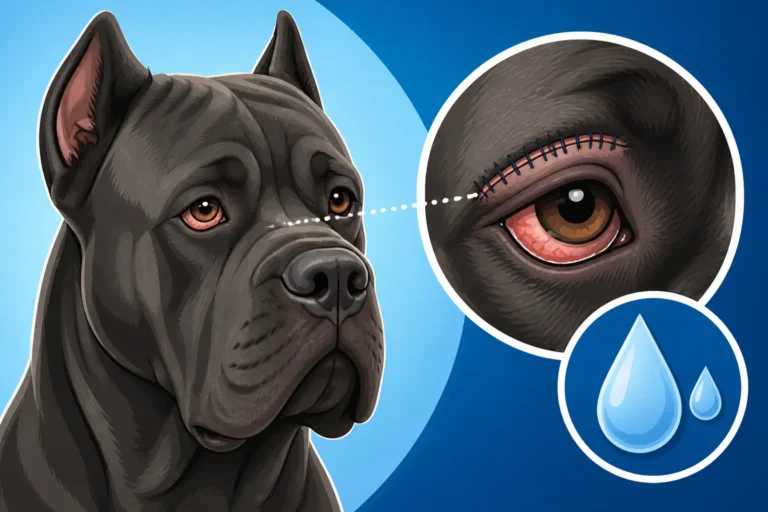
One of the most frequently discussed conditions is Entropion, where the eyelid rolls inward, causing the eyelashes and fur to rub against the cornea. This can lead to chronic irritation, pain, corneal ulcers, and even vision loss if left untreated. Its opposite, Ectropion, where the eyelid sags outward, is less common in Cane Corsos but can still cause problems like excessive tearing and susceptibility to infections. Owners often notice The Loose Eyelids Nearly Every Cane Corso Owner Meets and wonder what's going on, and for breeders, knowing if this is hereditary is key. These conditions are often evident early in life, but their severity can fluctuate, making regular checks important. These loose lids can unfortunately also give a Cane Corso chronic eye infections, which is why owners need to stay vigilant.
Another issue sometimes seen in puppies is Cherry Eye, which occurs when the gland of the third eyelid prolapses and appears as a red mass in the inner corner of the eye. While often treatable with surgery, if it has a strong hereditary component in a specific line, a breeder might reconsider using that dog. For many Cane Corso puppies, The Cherry Eye a Cane Corso Puppy Shows at Four Months can be quite alarming for new owners.
Beyond the structural issues, there are conditions affecting the internal parts of the eye. Progressive Retinal Atrophy (PRA) is a group of degenerative diseases affecting the retina, eventually leading to blindness. Certain types of PRA are genetic, and DNA tests are available for some breeds, though a comprehensive eye exam is still vital for catching variants not covered by specific DNA panels or for other retinal issues. Distichiasis, where extra eyelashes grow from the eyelid margin and rub the cornea, can cause irritation similar to entropion, while ectopic cilia are even more problematic as they grow directly through the conjunctiva and rub the cornea.
Lastly, hereditary cataracts, which are opacities of the lens, can occur at any age and vary in severity. Early onset cataracts are particularly concerning for breeding programs. While not all cataracts are genetic, identifying the hereditary forms is critical for responsible breeding. These conditions underscore the need for a thorough examination by a specialist who knows what to look for in the Cane Corso.
What to Expect During a CAER Eye Exam
So, you've made the decision to get your breeding Cane Corso their annual eye exam – excellent! Now, let's demystify what actually happens during this specialized appointment. It’s not your average vet check-up where they just glance at the eyes. This is a detailed, meticulous examination performed by a board-certified veterinary ophthalmologist, a specialist who has undergone extensive training specifically in the diagnosis and treatment of animal eye diseases.
The goal of a CAER (Canine Eye Registry Foundation) exam is to screen for observable eye conditions that are known or suspected to be hereditary within the breed. The ophthalmologist will follow a standardized protocol to ensure a comprehensive assessment, and their findings will be submitted to the OFA for official recording. This process is designed to be thorough but generally not stressful for your dog, though a bit of patience is always required when dealing with a large, sometimes opinionated, Cane Corso.
The Examination Process Step-by-Step
When you arrive for your Cane Corso's CAER eye exam, the process typically begins with a detailed discussion about your dog's history, any observed eye issues, and its pedigree. The ophthalmologist will want to know if there's any family history of eye disease.
The physical examination starts with a thorough visual inspection of your Cane Corso's eyelids, eyelashes, and the overall structure of the eyes and surrounding tissues. They'll look for signs of entropion, ectropion, cherry eye, or any abnormal discharges. The vet might use a bright penlight to get a good initial look.
Next, a crucial step involves dilating your dog's pupils. This is usually done with ophthalmic drops, similar to what a human ophthalmologist uses. These drops take about 20-30 minutes to work, so there will be a waiting period. The purpose of dilation is to allow the ophthalmologist to fully visualize the back of the eye – specifically the retina, optic nerve, and vitreous humor – which would otherwise be hidden by a constricted pupil.
Once the pupils are dilated, the specialist will use specialized equipment. The ophthalmoscope is a handheld instrument that allows the vet to examine the internal structures of the eye, looking for retinal detachments, progressive retinal atrophy, or other abnormalities of the optic nerve and fundus. Even more detailed is the slit-lamp biomicroscope, which uses a high-intensity light source and a magnified view to examine the front of the eye (cornea, iris, lens) in incredible detail, allowing detection of subtle cataracts, corneal dystrophies, or other anterior segment issues. For specific breeds, a gonioscopy might be performed, where a special lens is placed on the eye to examine the drainage angle, checking for predispositions to glaucoma. Throughout this process, the ophthalmologist will methodically record their findings on the official CAER form. Your Cane Corso will need to remain relatively still for these procedures, which is where good training and your calming presence come in handy.
Understanding the Results and Certification
After the thorough examination is complete, the ophthalmologist will discuss their findings with you. The results are categorized as "clear," "affected," or "breeder option."
- Clear: This means no evidence of hereditary eye disease was found at the time of the examination. A "clear" certification is valid for one year from the date of the exam. This is why yearly exams are so important, as some conditions can develop or progress later in life.
- Affected: This indicates that the dog has been diagnosed with one or more hereditary eye conditions. If a dog is "affected," it typically means they should not be used for breeding, as they would pass on these undesirable traits.
- Breeder Option: This category is less common but applies to conditions where the hereditary component is uncertain, or the clinical significance for breeding is debated. The ophthalmologist will provide their professional opinion, and the breeder can then make an informed decision.
Once the results are finalized, the ophthalmologist will submit the CAER form to the OFA. The OFA then registers the results in their public database, allowing anyone to verify the eye health status of a breeding Cane Corso. This public record is invaluable for maintaining transparency and accountability in breeding programs. If a condition is found, it's a difficult moment for any breeder, but it's crucial information that guides responsible breeding decisions, preventing further spread of the disease. Remember, a clear result for one year doesn't guarantee future clarity, hence the critical nature of these yearly checks.
Practicalities and Planning for Your Cane Corso's Eye Health
Now that you understand why these exams are so vital and what they entail, let's talk about the practical aspects of integrating them into your Cane Corso's routine. Getting these specialized appointments scheduled and managing the associated costs are important considerations for any responsible breeder.
Making sure your Cane Corso has a smooth experience and that you're prepared for the financial side of things can make all the difference. It helps to be proactive, from knowing when to book to understanding how potential issues might impact your budget. These exams are an investment, not an expense, in the future health of your dog and the breed.
Scheduling and Preparation Tips
Timing is everything when it comes to CAER exams for breeding Cane Corsos. The certification is only valid for one year, so you'll need to schedule it annually, ideally close to any planned breeding dates to ensure the most current clearance. If you have an active breeding dog, consistency is key. For a young Cane Corso being evaluated for future breeding, the first exam can typically be done around 12 months of age, or sometimes earlier if there are specific concerns.
Finding a board-certified veterinary ophthalmologist is crucial, as only their reports are accepted by the OFA for CAER certification. You can usually find a list of certified specialists through the American College of Veterinary Ophthalmologists (ACVO) website. Book well in advance, as these specialists can have busy schedules, especially in certain regions.
Preparing your Cane Corso for the appointment is relatively simple. The main thing is to ensure your dog is calm and comfortable. While sedation is rarely needed for a routine eye exam, a well-behaved Cane Corso makes the process easier for everyone. Practice handling your dog's head and eyes gently at home so they are used to being touched around their face. If your dog gets anxious on car rides, try to desensitize them to it beforehand. On the day of the exam, minimal stress is the goal. There’s no need to withhold food unless specifically instructed by the clinic, which might happen if there’s a slight chance of very mild sedation being considered, though this is truly rare for a standard CAER. Always bring along any previous eye exam records or relevant health history for the ophthalmologist to review. This comprehensive approach ensures nothing is missed and contributes to the overall picture of your Cane Corso's health.
Financial Considerations and Support
Let's be realistic: specialized veterinary care, particularly from a board-certified ophthalmologist, comes with a cost. A Cane Corso's CAER eye exam typically ranges from $150 to $300, depending on your location and the specific procedures performed (e.g., if gonioscopy is included). This is a yearly cost for active breeding animals. It's a necessary investment in responsible breeding, but it's smart to factor it into your overall budget.
When considering the costs, pet insurance often comes up. Providers like Healthy Paws offer robust coverage for accidents and illnesses, but it’s important to understand what is and isn't covered. Typically, routine health screenings and certifications like the annual CAER exam are not covered by standard pet insurance policies, as they fall under preventative or elective health clearances rather than treatment for a diagnosed condition. However, if an issue is diagnosed during the exam (e.g., a hereditary cataract requiring surgery, or severe entropion), then the treatment for that condition might be covered, depending on your policy's terms, deductible, and whether it's considered a pre-existing condition. It's always best to check with your provider directly about what their "wellness" or "preventative" add-ons might include, or what their policy is on diagnostics that lead to a covered illness. For general guidance on what to expect, you can look into articles like Monthly Pet Insurance Premiums on a Cane Corso to get a sense of typical costs.
Remember, while the upfront cost of these exams can seem like a lot, detecting a hereditary eye disease early can potentially save you significant money in future treatment costs for an affected dog, and certainly prevent the emotional and financial burden of dealing with an entire litter of puppies suffering from a preventable condition. It's a proactive measure that underpins the health and reputation of your breeding program.
Integrating Eye Health into a Responsible Breeding Program
The annual eye exam is a cornerstone, but it's just one piece of the puzzle when it comes to holistic health management for your breeding Cane Corso. Responsible breeding goes beyond merely getting a "clear" certificate; it involves a deep commitment to understanding genetics, maintaining transparency, and continuously striving to produce the healthiest puppies possible.
A truly responsible breeder considers all aspects of a dog's health, from hips and elbows to cardiac function, and integrates these clearances into a comprehensive strategy. The goal isn't just to pass a test, but to thoughtfully improve the breed with each generation.
Making Informed Breeding Decisions
The information gathered from a CAER eye exam is invaluable, but it needs to be used intelligently. A "clear" certificate means your Cane Corso currently shows no signs of observable hereditary eye disease. However, it's crucial to remember a few things. First, some conditions have a late onset, meaning a dog could test clear at two years old but develop issues at five or six. This is precisely why yearly exams are necessary for active breeding dogs. Second, a clear phenotype (what the dog looks like) doesn't always guarantee a clear genotype (what genes it carries). For conditions where specific DNA tests are available (like certain types of PRA), incorporating these tests provides an even deeper layer of genetic understanding. This is why it's so important to be thorough, especially given that The Two DNA Diseases in Cane Corso Pedigrees can encompass more than just eyes.
Responsible breeders delve into pedigree research, looking at the eye health of siblings, parents, and even grandparents. If a dog comes from a line with a history of late-onset hereditary cataracts, for instance, even a yearly clear exam might warrant extra caution or thoughtful mating choices. It's about weighing all available information, not just relying on a single certificate. Understanding the genetic risks, even when parents appear healthy, is critical, particularly when considering Breeding Two Cane Corso Carriers and What Follows. The ethical dilemma of breeding a dog that develops a condition after having already produced offspring is a real concern, highlighting the importance of continuous monitoring and transparent record-keeping.
Maintaining Transparency and Educating Puppy Buyers
Transparency is non-negotiable for a responsible Cane Corso breeder. When potential puppy owners inquire about your litters, be prepared to openly share all health clearances, including the yearly CAER results for both parents. This isn't just good practice; it builds trust and demonstrates your commitment to the breed. It shows that you've put in the effort and expense to ensure you're doing everything possible to produce healthy puppies. When it comes to something as vital as vision, there should be no guesswork.
Be prepared to explain what "clear by parentage" truly means. This designation can apply to puppies whose parents are both DNA clear for a specific recessive genetic disease. While useful for certain conditions, it doesn't replace phenotypic exams like CAER for conditions that can be influenced by multiple genes or environmental factors, or those that have late onset. A puppy can only be "clear by parentage" for specific DNA-tested conditions if both parents are clear; it cannot be clear by parentage for conditions like entropion or cataracts that are evaluated phenotypically year after year. Potential puppy owners should also be given The Papers a Cane Corso Breeder Should Hand Over, which include all health clearances.
Educating your puppy buyers is another crucial step. Encourage them to continue regular veterinary check-ups for their new family member and to be observant of any changes in their dog's eyes. Provide them with information on what common eye issues might look like and when to seek veterinary attention. While Whether a Cane Corso Health Guarantee Is Worth Anything is a common question, a robust health guarantee paired with transparent health testing provides the best possible start for a Cane Corso puppy and peace of mind for its new family. By empowering puppy owners with knowledge and providing a foundation of extensively health-tested parents, you’re contributing to a lifetime of better health for your Cane Corso progeny.
Common Hereditary Eye Conditions in Cane Corsos and CAER Screening
Here's a quick overview of some common hereditary eye conditions relevant to Cane Corsos, and their typical screening status within a CAER exam.
| Condition | Description | Impact on Dog | CAER Screening Status |
|---|---|---|---|
| Entropion | Eyelid rolls inward, causing fur/lashes to rub cornea. | Pain, irritation, corneal ulcers, potential vision loss. | Screened & Noted |
| Ectropion | Eyelid sags outward, exposing the conjunctiva. | Chronic irritation, dryness, susceptibility to infections. | Screened & Noted |
| Cherry Eye | Prolapse of the gland of the third eyelid, appearing as a red mass. | Irritation, discomfort, dry eye if untreated. | Screened & Noted |
| Distichiasis/Ectopic Cilia | Abnormal eyelashes growing from lid margin or through conjunctiva, rubbing the cornea. | Corneal irritation, pain, ulcers. | Screened & Noted |
| Progressive Retinal Atrophy (PRA) | Degeneration of the retina, leading to progressive vision loss and eventual blindness. | Night blindness progressing to total blindness. | Screened & Noted (via ophthalmoscopy) |
| Cataracts (Hereditary) | Opacity in the lens of the eye, obstructing light passage. | Impaired vision, can lead to blindness. | Screened & Noted (via slit-lamp) |
| Persistent Pupillary Membranes (PPM) | Remnants of fetal vascular tissue in the pupil, appearing as strands. | Usually benign; severe cases can cause vision impairment or cataracts. | Screened & Noted |
Disclaimer
The information provided in this guide is for general educational purposes only and should not be considered a substitute for professional veterinary advice. Always consult with a qualified veterinarian or board-certified veterinary ophthalmologist for any health concerns or before making any decisions related to your Cane Corso's health or breeding program.