Removing Versus Tacking a Cane Corso’s Third Eyelid
Seeing that tell-tale red, fleshy mass pop up in the corner of your Cane Corso's eye is one of those moments that sends a shiver down your spine. It’s alarming, looks painful, and you immediately worry about their vision and comfort. This guide will walk you through understanding "cherry eye," the surgical options available – specifically gland removal versus the more common tacking procedure – and what you can expect during your Cane Corso's treatment and recovery.
Understanding Cherry Eye in Cane Corsos
When you first notice that red, swollen lump, often described as a "cherry," peeking out from behind your Cane Corso's lower eyelid, it's natural to be confused and worried. This condition, commonly known as cherry eye, is a prolapse of the nictitating membrane gland, or more simply, the gland of the third eyelid. While it looks dramatic, it's actually a fairly common issue in certain breeds, and our beloved Cane Corsos are unfortunately on that list.
What the Third Eyelid Does and Why It Matters
Your Cane Corso actually has three eyelids! The first two are the upper and lower lids you see every day, working to blink and protect the eye. But tucked away in the inner corner of their eye is a third eyelid, also called the nictitating membrane. This isn't just a leftover evolutionary quirk; it's a vital structure that produces a significant portion (around 30-50%) of the watery component of your dog's tears. Think of it as a natural wiper and moisturizer for their eye, keeping it lubricated, clearing away debris, and providing an extra layer of protection. This gland's ability to produce tears is critical for preventing dryness and maintaining overall eye health.
When this third eyelid gland prolapses, it means the tiny ligaments that normally hold it in place weaken, causing the gland to pop out and become visible. It's not usually painful initially, but it can become irritated, inflamed, and susceptible to infection if left exposed. Because of its crucial role in tear production, damaging or removing this gland can have serious long-term consequences for your Cane Corso's eye health.
The Sudden Appearance of a Cane Corso's Cherry Eye
One day your Cane Corso's eyes look perfectly normal, and the next, there it is – a red, angry-looking mass in the corner. That's typically how cherry eye presents. It can happen quite suddenly, often without any obvious trigger. Sometimes it appears during periods of excitement, heavy exertion, or even just after a nap. It can affect one eye, or in some cases, both eyes, either at the same time or sequentially. For Cane Corso puppies, it's particularly common to see The Cherry Eye a Cane Corso Puppy Shows at Four Months of age.
While the exact cause isn't always clear, a genetic predisposition is strongly suspected in breeds like the Cane Corso. The ligaments that secure the gland might just be weaker in some individuals. It's not usually caused by trauma, though a dog rubbing its eye excessively might exacerbate an already weak ligament. If you notice your Cane Corso pawing at their face, blinking excessively, or having watery discharge, it’s always worth a closer look.
The Risks of Leaving a Cherry Eye Untreated
Ignoring a cherry eye isn't an option. While it might not seem immediately urgent, leaving the prolapsed gland exposed carries significant risks for your Cane Corso. The gland, which is usually tucked away safely, becomes vulnerable to drying out, irritation from dust and debris, and bacterial infection. This constant exposure leads to chronic inflammation, making the gland even more swollen and uncomfortable.
More importantly, because the third eyelid gland is vital for tear production, its prolonged exposure and irritation can impair its function. Over time, this can lead to a condition known as Keratoconjunctivitis Sicca (KCS), or "dry eye," which is a chronic and painful condition where the eye doesn't produce enough tears. Dry eye requires lifelong medication and can lead to corneal ulcers, vision impairment, and even blindness. That's why prompt veterinary attention is crucial for any Cane Corso showing signs of cherry eye, ensuring their comfort and preserving their long-term vision. Without intervention, you may also find that How Loose Lids Give a Cane Corso Chronic Eye Infections as the issue persists.
Surgical Options for a Cane Corso's Cherry Eye
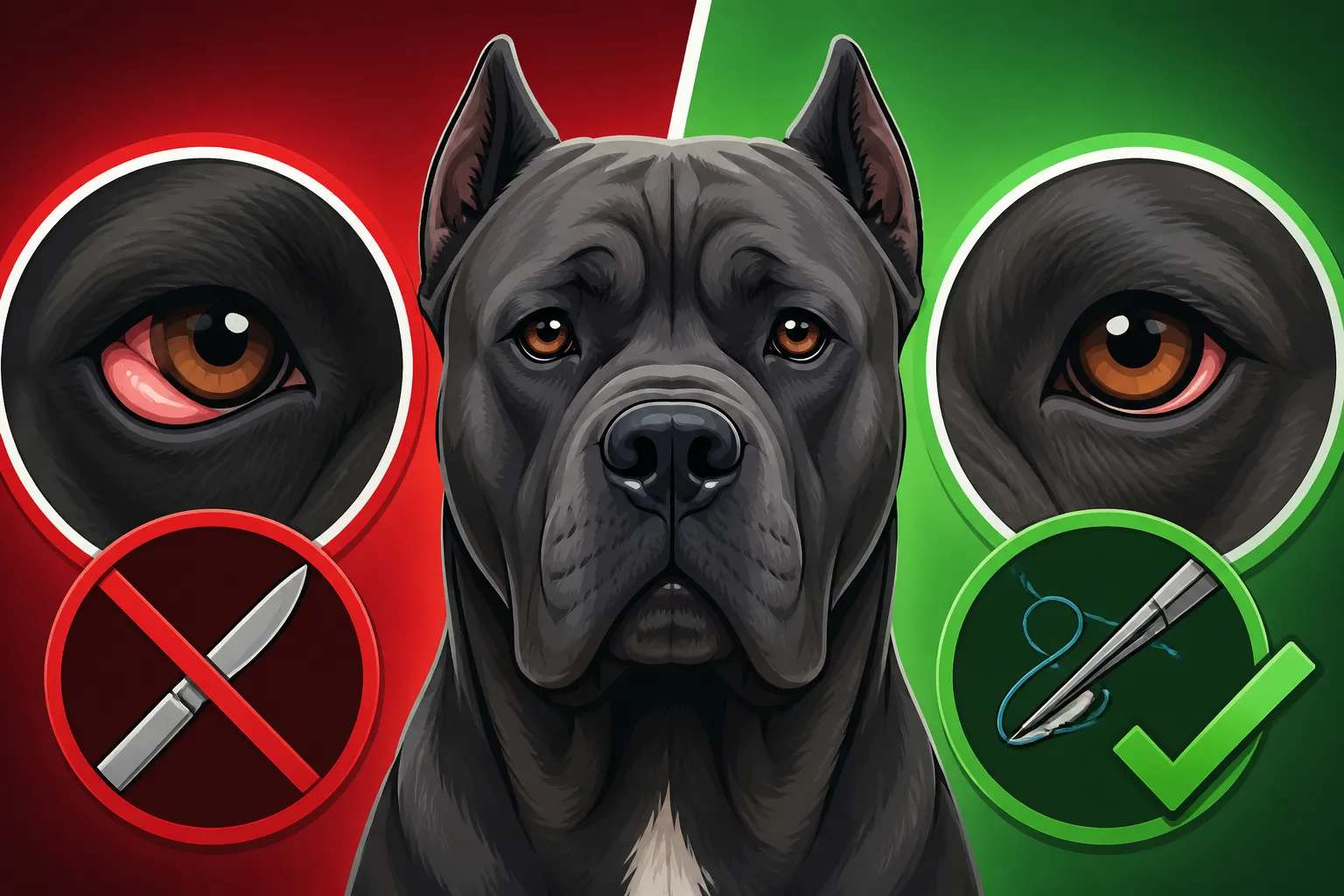
When your vet confirms that your Cane Corso has a cherry eye, surgery is almost always the recommended course of action. There are two primary surgical methods, each with its own history and approach: total removal of the gland or, more commonly today, a tacking procedure to reposition it. The choice depends on several factors, including the severity of the prolapse, the vet's experience, and the long-term prognosis for tear production.
The Traditional Method: Removing the Gland
Historically, when a dog presented with cherry eye, the standard surgical procedure was to simply remove the prolapsed gland entirely. This seemed like a straightforward solution: get rid of the problem tissue, and the "cherry" is gone. However, as veterinary medicine advanced, it became clear that this approach often led to severe, long-term complications. Because the third eyelid gland produces such a significant portion of the eye's tears, its removal frequently resulted in KCS, or dry eye.
Dogs who underwent gland removal often developed lifelong dry eye, requiring daily eye drops and medications to manage the condition. This chronic dry eye is not only uncomfortable for the dog but also significantly more expensive and time-consuming for owners to manage over the dog's lifetime than the initial cherry eye surgery itself. While seemingly a quick fix, this method has largely fallen out of favor due to its detrimental impact on a dog's long-term eye health and quality of life. Some clinics, especially those less specialized, might still offer this, but it’s becoming increasingly rare to recommend it for a Cane Corso.
The Modern Approach: Tacking and Repositioning
Today, the preferred and most widely recommended surgical technique for cherry eye in Cane Corsos and other breeds is gland repositioning, often referred to as "tacking." This method focuses on preserving the gland's function by stitching it back into its natural pocket within the third eyelid. There are several variations of tacking techniques, such as the pocket technique or anchoring techniques, but they all share the common goal of restoring the gland's anatomical position while keeping it intact and functional.
The tacking procedure is more delicate than simple removal, requiring a skilled veterinary surgeon, often a board-certified veterinary ophthalmologist. The goal is to create a new, secure attachment for the gland, preventing it from prolapsing again, all while ensuring it can continue to produce tears effectively. This approach recognizes the critical role of the third eyelid in tear film production and aims to prevent the onset of secondary dry eye, saving your Cane Corso from a lifetime of discomfort and medication.
Comparing Outcomes and Recurrence Rates
When comparing gland removal versus tacking, the outcomes are dramatically different. Gland removal almost guarantees a higher risk of developing dry eye, a chronic condition that can severely impact your Cane Corso's quality of life and necessitate continuous medical management. Tacking, on the other hand, aims to prevent dry eye by preserving the gland. Studies show a much lower incidence of KCS following tacking procedures.
However, it's important to understand that no surgery is 100% foolproof. While tacking is generally very successful, there is a possibility of recurrence, meaning the cherry eye could prolapse again. This recurrence rate can vary depending on the specific technique used, the surgeon's expertise, and the individual dog's tissue quality, but it's typically around 5-20%. If a recurrence happens, a second tacking procedure is often performed. Sometimes, Whether a Cane Corso's Cherry Eye Hits Both Sides is a concern, and owners need to be prepared for the possibility that the other eye may develop cherry eye down the line, requiring similar intervention.
Preparing for and Recovering from Cherry Eye Surgery
Undergoing any surgery with your beloved Cane Corso can be nerve-wracking, and cherry eye surgery is no exception. Knowing what to expect before, during, and after the procedure can help ease your mind and ensure a smoother process for both you and your dog. Preparation and diligent post-operative care are key to a successful outcome.
What to Expect Before the Procedure
Once your vet has diagnosed cherry eye and you've discussed the tacking procedure, there are a few steps before surgery day. Your Cane Corso will likely need a pre-anesthetic blood panel to ensure they are healthy enough for anesthesia, especially given that larger breeds like Cane Corsos can have specific considerations. You might be asked to withhold food for a certain period before the surgery, typically 8-12 hours, to prevent nausea and aspiration during anesthesia. Your vet will also provide specific instructions regarding water intake.
On the day of surgery, your vet or veterinary technician will review the procedure, potential risks, and aftercare instructions with you. It’s a great opportunity to ask any last-minute questions. Your Cane Corso will be admitted, and the veterinary team will begin preparations, including administering sedatives, placing an IV catheter, and preparing the surgical site. Given the breed's deep chest, it's also wise to discuss Anesthesia Risk in a Deep Chested Cane Corso with your vet to ensure all precautions are taken.
Post-Operative Care and Potential Complications
After the surgery, your Cane Corso will need careful monitoring at home. The vet will likely send them home with an Elizabethan collar (e-collar or "cone of shame") to prevent them from rubbing, scratching, or pawing at their eye, which could disrupt the sutures and lead to infection or recurrence. This cone is non-negotiable for the prescribed period, usually 10-14 days. You'll also be given eye drops or ointments to administer multiple times a day to reduce inflammation, prevent infection, and aid healing. Make sure you understand the correct way to apply them.
Pain medication will be prescribed to keep your Cane Corso comfortable during recovery. Limit their activity significantly for the first couple of weeks to prevent excessive straining or bumping, which could impact the healing eye. Keep their environment clean and free of dust. Minor swelling, redness, and discharge are common immediately after surgery, but you should contact your vet if you notice excessive swelling, pus, signs of severe pain, or if the "cherry" appears to be prolapsing again. Sometimes, even with successful surgery, a Cane Corso may experience Dry Eye in a Cane Corso After Lid Surgery, requiring further monitoring and potential treatment.
Long-Term Management and Monitoring
Even after the initial recovery period, ongoing observation of your Cane Corso's eyes is important. Keep an eye out for any signs of recurrence, such as the reappearance of the red mass, or symptoms of dry eye, like excessive blinking, redness, discharge, or dullness of the eye. Regular follow-up appointments with your veterinarian are crucial, typically starting a week or two post-surgery, to ensure the sutures are holding and the gland is healing properly.
Many vets will recommend an annual eye check-up, especially for breeds prone to eye issues. This can help catch any potential problems early. While tacking surgery significantly reduces the risk of dry eye compared to removal, it's not a complete guarantee, so vigilance remains important. Maintaining your Cane Corso's overall health through good nutrition and regular exercise also supports eye health. For example, ensuring they are not overweight helps with overall joint health, but also reduces strain on the body, indirectly supporting healthier conditions. You might consider regular check-ups that mirror The Yearly Eye Exam a Breeding Cane Corso Needs even if your dog isn't used for breeding.
Choosing the Right Vet and Insurance Considerations
Navigating veterinary care, especially for a specialized procedure like cherry eye surgery, can feel overwhelming. Choosing the right veterinary professional and understanding your financial options are critical steps in ensuring the best outcome for your Cane Corso. It’s not just about the procedure itself, but the peace of mind that comes with knowing you’re making informed decisions.
Finding an Experienced Veterinary Ophthalmologist
For a delicate procedure like third eyelid gland tacking, opting for a general practitioner vet with extensive experience in the surgery, or even better, a board-certified veterinary ophthalmologist, is highly recommended. These specialists have advanced training and equipment specifically for eye conditions. They are more familiar with the nuances of the various tacking techniques and have a higher success rate, often leading to fewer recurrences and complications. You can ask your primary vet for a referral or search for veterinary ophthalmologists in your area through organizations like the American College of Veterinary Ophthalmologists (ACVO).
Don't hesitate to ask prospective vets about their experience with cherry eye surgeries, their preferred technique, and their success rates. A good vet will be transparent and happy to answer all your questions. This specialized care might cost more upfront, but it can save you from potential re-dos or chronic issues down the road, which can quickly add up. A proactive approach to your Cane Corso's health often means getting the best expertise you can find, ensuring that from their hips to their eyes, they are cared for by knowledgeable professionals.
Navigating Pet Insurance for Cherry Eye Surgery
The cost of cherry eye surgery can be a significant concern for owners. This is where pet insurance can be a lifesaver, assuming your Cane Corso was enrolled before the cherry eye developed. Most pet insurance plans, like those offered by Healthy Paws, consider cherry eye a curable condition, meaning once it's treated, it might not be excluded if it reoccurs, provided it wasn't pre-existing when your policy started. However, if your Cane Corso already had cherry eye before you enrolled in a policy, it will almost certainly be considered a pre-existing condition and therefore not covered.
It’s crucial to review your specific pet insurance policy details, including deductibles, reimbursement percentages, and any waiting periods for orthopedic conditions or other health issues. Providers like Healthy Paws typically offer various plans, so understanding what's covered for surgeries, medications, and follow-up care is essential. It's often too late to get coverage once a condition manifests, reinforcing the value of enrolling your Cane Corso in pet insurance early in their life to cover unforeseen issues. For major interventions, many owners find that a robust plan covers a substantial portion of the expenses, significantly easing the financial burden.
Cost Implications of Each Surgical Method
The cost difference between gland removal (if still offered) and tacking can vary, but generally, tacking is a more complex procedure and may be more expensive upfront, especially if performed by a specialist. However, this upfront investment often pays off in the long run.
| Feature | Gland Removal (Excision) | Gland Tacking (Repositioning) |
|---|---|---|
| Primary Goal | Eliminate the visible "cherry" | Preserve the gland and its function |
| Procedure Complexity | Simpler, quicker | More delicate, takes more time, requires skill |
| Cost (Initial) | Potentially lower | Potentially higher, especially with a specialist |
| Risk of Dry Eye | Very high (often leads to lifelong KCS) | Low (maintains tear production) |
| Recurrence Rate | None (gland is gone) | Low to moderate (5-20% depending on technique/surgeon) |
| Long-Term Care | Likely daily eye drops for KCS | Regular monitoring, occasional follow-ups |
| Overall Value | Cheaper initially, but very high long-term costs | Higher initial cost, but lower long-term care costs |
While initial costs for a tacking procedure might range from $500 to $1,500 or more depending on your location and the specialist, the potential lifelong cost of managing dry eye after gland removal can easily exceed that, with medications, frequent vet visits, and the constant discomfort for your Cane Corso. When considering The Surgeries Every Cane Corso Owner Should Budget For, cherry eye surgery is certainly one to keep in mind, and the preventative value of tacking over removal is clear. Investing in the best surgical option, potentially supported by a good pet insurance plan like Healthy Paws, is a decision that truly benefits your Cane Corso's health and your peace of mind.
Disclaimer
This article is for general informational purposes only and does not constitute professional advice. Laws, prices and regulations vary by location and change over time. Consult a qualified professional for guidance on your specific situation.