Whether a Cane Corso Can Bloat a Second Time
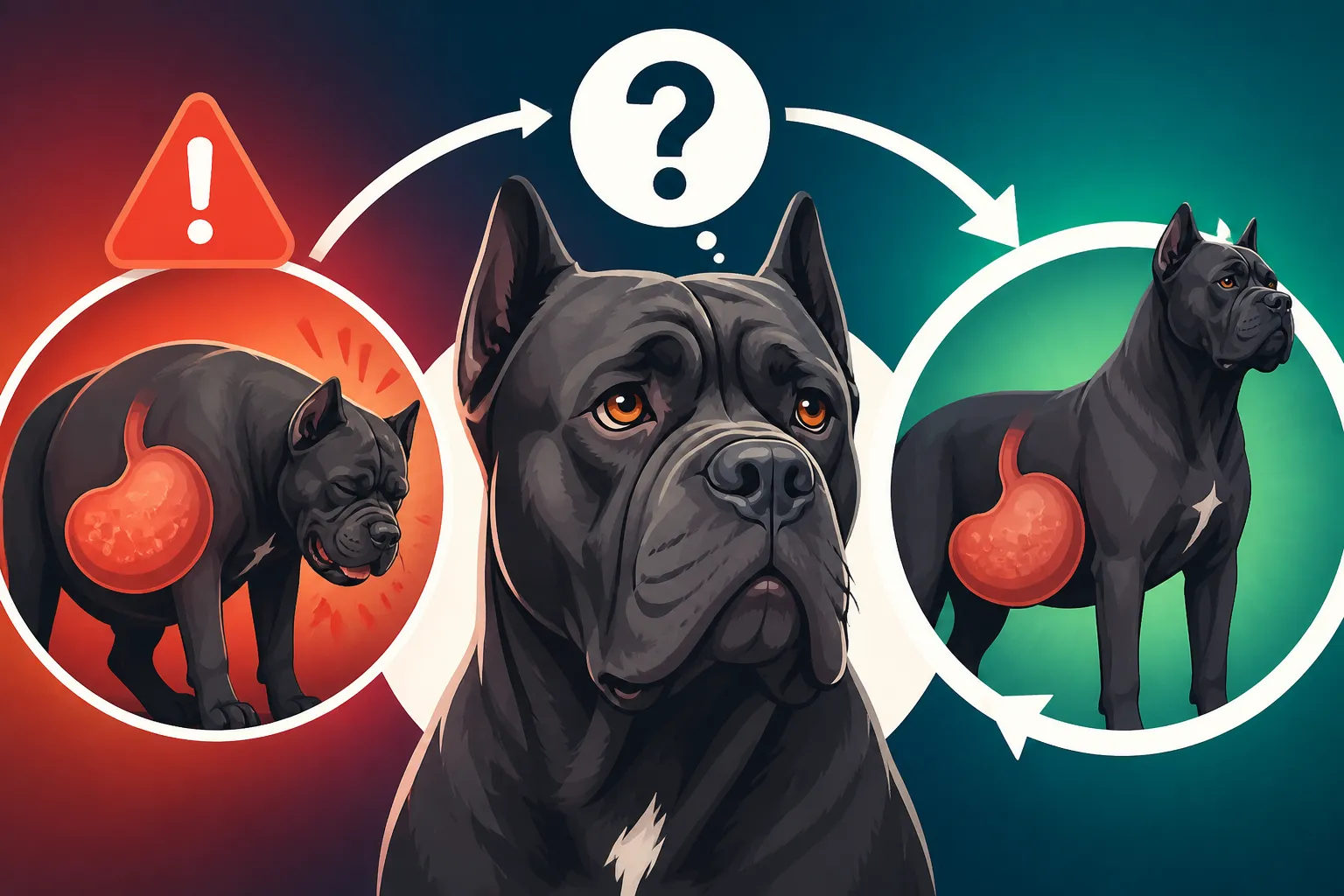
It's a horrifying thought for any Cane Corso owner: experiencing the terror of bloat once is enough to shake you to your core, wondering if your beloved giant will ever face such a life-threatening emergency again. The truth is, while we wish it weren't so, a Cane Corso who has bloated before can indeed bloat a second time, and understanding this risk is paramount to protecting them. This guide will walk you through the nuances of bloat recurrence, the preventative measures available, and how to manage your Cane Corso's health to minimize this devastating risk.
Understanding Gastric Dilatation-Volvulus GDV in Cane Corsos
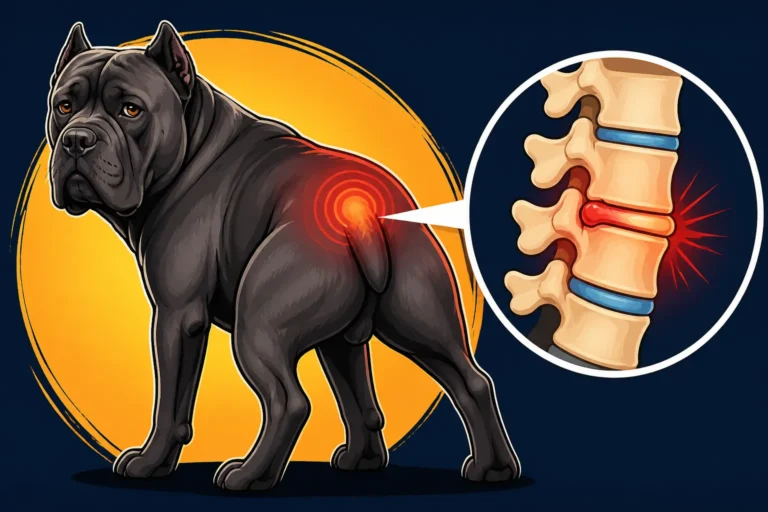
When we talk about "bloat" in Cane Corsos, we're usually referring to Gastric Dilatation-Volvulus, or GDV. This isn't just an upset stomach; it's a rapidly progressing, life-threatening condition where your dog's stomach fills with gas, food, or fluid (dilatation) and then twists on its axis (volvulus). This twisting cuts off blood supply to the stomach and spleen, traps gas, and can quickly lead to shock, organ damage, and death if not treated immediately. It’s an emergency that demands immediate veterinary intervention, often requiring surgery.
Cane Corsos, with their deep chests and large stature, are unfortunately among the breeds most susceptible to GDV. It’s a terrifying reality that many of us in the Cane Corso community have either faced or know someone who has. The deep chest, a hallmark of the breed, creates more space for the stomach to distend and twist, making them anatomically predisposed. This anatomical feature is precisely why these magnificent dogs are at such high risk. The sheer size and power of these dogs make any emergency more complex, and bloat is no exception. The urgency is immense; often, you have mere hours before the condition becomes irreversible.
Imagine your powerful, confident Cane Corso suddenly looking anxious, pacing, drooling excessively, and attempting to vomit without success. These are often the first, terrifying signs. Recognizing Bloat in a Cane Corso Before It Turns can literally be the difference between life and death. The panic that sets in when you see these symptoms is indescribable, a cold dread knowing that time is slipping away. It’s a cruel irony that such a robust breed can be felled by something so sudden and violent.
The Reality of Recurrence: Can Bloat Happen Again?
This is the question that haunts every owner whose Cane Corso has survived a bloat episode: can it happen again? The unequivocal answer is yes, a Cane Corso can absolutely bloat a second time. In fact, if a dog experiences GDV and does not undergo a preventative surgery called gastropexy during the initial emergency surgery, the risk of recurrence is incredibly high—some studies suggest upwards of 70-80%. Without the stomach being surgically secured, it remains free to twist again, often with even less provocation than the first time.
The thought of going through that harrowing experience again, the emergency vet visits, the agonizing wait, the immense cost, is enough to make any owner anxious. This high recurrence rate is precisely why, if your Cane Corso has already bloated and survived, your veterinarian will almost certainly recommend a gastropexy as part of the initial life-saving surgery or as a separate elective procedure once your dog has fully recovered. It’s not just a recommendation; it’s a critical step to prevent future, potentially fatal, episodes.
Even if a dog has undergone a gastropexy, it's crucial to understand what this surgery prevents and what it doesn't. A gastropexy primarily prevents the volvulus, meaning the twisting of the stomach. It does not prevent the stomach from dilating or filling with gas (bloating). So, while the most life-threatening component – the twisting that cuts off blood flow – is largely mitigated, a dog can still experience gastric distension. This distension can still cause discomfort, pain, and may require veterinary attention, though it's far less critical than a full GDV episode. This distinction is vital for owners to grasp, as vigilance remains necessary even after surgery. You're trading a deadly twist for a potentially uncomfortable but manageable distension.
Gastropexy: The Gold Standard for Prevention
Given the terrifying reality of bloat and its high recurrence rate in breeds like the Cane Corso, gastropexy has emerged as the most effective preventative measure. This surgical procedure involves permanently attaching the stomach to the abdominal wall, typically the right side. By fixing the stomach in place, it largely prevents it from rotating or twisting, thereby stopping the volvulus component of GDV. It's a significant intervention, but for a Cane Corso, it offers an incredible layer of protection against a potentially deadly recurrence.
There are a few ways a gastropexy can be performed:
- Open Gastropexy: This is the traditional method, performed through a larger incision in the abdomen. It allows the surgeon full visualization and access. If your Cane Corso is already undergoing emergency GDV surgery, an open gastropexy is often performed at the same time. It’s effective and provides a strong attachment. The recovery involves careful monitoring and restricted activity as with any major abdominal surgery, but the relief it provides against future twisting is immense.
- Laparoscopic-Assisted Gastropexy: This minimally invasive technique involves small incisions and the use of a camera (laparoscope) to guide instruments. It typically results in less pain, smaller scars, and a faster recovery time compared to open surgery. Many owners opt for this elective procedure, often Booking a Cane Corso's Stomach Tack With Its Neuter or spay, to minimize the number of times their powerful companion goes under anesthesia. This is a fantastic option if your Cane Corso has not yet bloated but you want to proactively protect them. Less invasive doesn't mean less effective, it just means a quicker bounce-back.
- Incisional Gastropexy: This technique involves making an incision into the stomach wall and a corresponding incision into the abdominal wall, then suturing the two edges together. This creates a strong, permanent adhesion that prevents twisting. It's often favored due to its robust attachment.
The effectiveness of a properly performed gastropexy in preventing the twisting of the stomach is incredibly high, often cited at over 90-95%. This drastically reduces the likelihood of another life-threatening GDV episode. For many Cane Corso owners, this surgery provides invaluable peace of mind, knowing they've done everything possible to safeguard their beloved dog. The investment in a gastropexy is an investment in their future, significantly improving their odds of a longer, healthier life. It's also worth considering that procedures like this can be quite costly, especially when performed on an emergency basis. Having pet insurance like Healthy Paws in place before a bloat incident can be a financial lifesaver, helping cover a significant portion of these high veterinary bills. Remember, while the cost might seem daunting upfront, it pales in comparison to the emotional and financial strain of multiple emergency surgeries or, worse, losing your dog prematurely.
| Gastropexy Type | Procedure | Key Benefits | Considerations |
|---|---|---|---|
| Open Gastropexy | Larger incision, direct visualization, stomach sutured to abdominal wall. | Strong, permanent adhesion. Often done during emergency bloat surgery. | More invasive, longer recovery, larger scar. |
| Laparoscopic Gastropexy | Minimally invasive, small incisions, camera-guided. | Less pain, faster recovery, smaller scars. Can be elective. | Requires specialized equipment and trained surgeon. |
| Incisional Gastropexy | Incision on stomach and abdominal wall, then sutured together. | Very strong, durable adhesion. Can be done open or laparoscopically. | Still a surgical procedure with associated risks. |
| Preventive Management | Diet modification, controlled exercise, stress reduction. | Non-invasive, no surgical risk. | Does NOT prevent stomach twisting; only reduces general bloat risk factors. High recurrence risk without gastropexy. |
Life After Bloat or Gastropexy: Ongoing Management
Even with a successful gastropexy, the journey to prevent future gastric issues doesn't end. While the risk of a fatal twist is drastically reduced, managing your Cane Corso's overall health and continuing to be vigilant about bloat risk factors is crucial. The goal is to minimize any form of gastric distension, making life as comfortable and safe as possible for your loyal companion.
One of the most impactful areas of management is diet and feeding habits. Many anecdotal observations and some studies point to specific practices that can reduce the likelihood of bloat. This includes feeding smaller, more frequent meals throughout the day rather than one large meal. Splitting a Cane Corso's daily ration into two or even three meals can significantly reduce the volume of food in the stomach at any one time, lowering the risk of excessive gas accumulation. For instance, instead of feeding 6-9 cups in one go, you might split that into two or three servings. This practice is crucial, and understanding Why a Cane Corso's Ration Is Split in Two can help prevent future incidents.
Consider incorporating slow feeders or puzzle bowls into their mealtime routine. Cane Corsos, like many large breeds, can be enthusiastic eaters, sometimes inhaling their food in minutes. This rapid consumption often leads to gulping air along with their food, which contributes to gas buildup in the stomach. Slow Feeders That Pace a Cane Corso can make a huge difference, encouraging them to eat more slowly and deliberately.
Beyond how they eat, when they eat also plays a role. It’s widely recommended to avoid vigorous exercise immediately before or after meals. Give your Cane Corso at least an hour of rest before and after eating to allow their stomach to settle and digest without undue stress or jostling. A relaxed post-meal period is just as important as the meal itself. Hydration is also important, but ensure your Cane Corso isn't gulping down huge quantities of water immediately after eating or exercising, as this can also contribute to stomach distension.
Stress reduction is another often-overlooked aspect. Stress can affect digestion and overall gut health in dogs, just as it does in humans. A calm, consistent routine can help maintain your Cane Corso's well-being. Try to avoid sudden changes in diet or routine, and ensure they have a quiet, comfortable place to eat and rest. For a breed that thrives on routine and clear expectations, minimizing unpredictable stressors can go a long way.
Finally, ongoing vigilance and regular veterinary check-ups are non-negotiable. Even with a gastropexy, if your Cane Corso exhibits signs of discomfort, pacing, unproductive retching, or a distended abdomen, it's still an emergency. While the risk of twisting is greatly reduced, gastric distension can still occur and should be addressed promptly by a vet. Knowing The First Sign a Cane Corso Is Bloating and acting quickly is still critical, even after preventive surgery. Regular check-ups with your veterinarian allow them to monitor your dog's overall health, discuss any dietary adjustments, and catch potential issues early. This proactive approach is especially important for a breed with specific health considerations, like the Cane Corso.
Unexpected vet bills, especially for emergencies like bloat, can be financially overwhelming. Having a robust pet insurance policy, such as one from Healthy Paws, can alleviate much of this financial stress. They can help cover everything from emergency bloat surgery and post-operative care to ongoing treatments for various conditions, ensuring you can always make health decisions based on your Cane Corso's needs, not just your wallet. Understanding What It Costs When a Cane Corso's Stomach Turns highlights just how vital financial preparation is for these gentle giants. Investing in good care for your Cane Corso, both preventive and reactive, ensures they can continue to be the magnificent, loving companions they are meant to be.
Disclaimer
This article is intended for informational purposes only and does not constitute veterinary advice. Always consult with a qualified veterinarian for any health concerns or before making any decisions about your Cane Corso's medical care.