The Age a Cane Corso Can Be Hip Scored
One of the most disheartening things for any Cane Corso owner is seeing their powerful, majestic companion struggle with mobility, especially when it could have been prevented or managed better. Hip dysplasia is a pervasive issue in large breeds, and understanding when and how to properly assess your Cane Corso's hips is crucial for their long-term comfort and health. This guide will walk you through the optimal age for hip scoring, what the process entails, and how to proactively support your Corso's joint health, helping you make informed decisions that impact their entire life.
Understanding the Importance of Hip Scoring in Cane Corsos
When you bring a Cane Corso into your life, you're signing up for a magnificent, powerful dog. But with that impressive size and musculature comes a predisposition to certain health challenges, and hip health is right at the top of that list. Hip scoring isn't just a bureaucratic hurdle; it's a vital tool for understanding and safeguarding your dog's future mobility. It gives you a clear picture of their genetic predisposition and current joint condition, allowing you to tailor their care proactively.
Why Hip Health is a Major Concern for Large Breeds
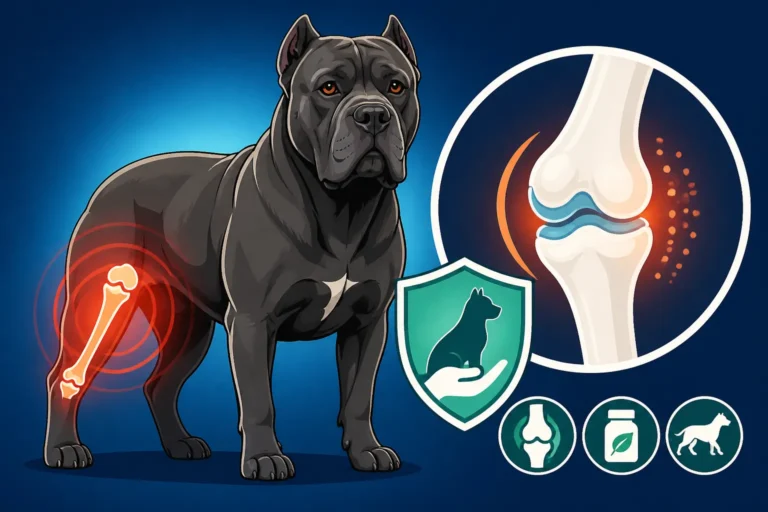
Large and giant dog breeds, like our beloved Cane Corsos, carry a significant amount of weight on their joints, especially their hips. This constant load puts immense stress on the hip joint, which is a ball-and-socket mechanism. In breeds genetically prone to hip dysplasia, the hip socket (acetabulum) and the head of the thigh bone (femoral head) don't fit together as snugly as they should. Over time, this poor fit leads to grinding, inflammation, and eventual degeneration of the joint, causing pain and lameness. It's not just about genetics; how a puppy grows can also greatly influence their eventual hip health, making the first year incredibly important for avoiding things like Hip Dysplasia in a Fast Growing Cane Corso. While genetics are a primary factor, environmental elements like rapid growth, excessive weight, and inappropriate exercise in puppyhood can exacerbate any underlying genetic weakness, turning a mild predisposition into a severe problem.
The Impact of Hip Dysplasia on a Cane Corso's Life
The consequences of hip dysplasia can range from mild discomfort to debilitating pain. Imagine a dog that lives for movement, for running, for guarding, suddenly finding every step a struggle. A Cane Corso suffering from hip dysplasia might show a reluctance to jump, climb stairs, or even rise from a lying position. You might notice a "bunny hop" gait when they run or a decreased range of motion in their hind legs. Over time, the chronic inflammation leads to osteoarthritis, making the condition progressive and often irreversible. It can severely impact their quality of life, their ability to work or play, and their overall lifespan. This is why understanding What Starts Failing in a Cane Corso After Eight often includes a significant decline in joint health. Early detection through hip scoring allows you to implement strategies like specific exercise routines, joint supplements, and weight management to slow the progression of the disease and maintain your Corso's comfort for as long as possible.
When to Get Your Cane Corso's Hips Evaluated
The timing of hip evaluations is often a point of confusion for new Cane Corso owners. While there are options for early screening, most official certifications have specific age requirements to ensure the most accurate and definitive results. Knowing these timelines helps you plan vet visits and set expectations for your dog's long-term health plan.
Optimal Age for Official PennHIP and OFA Certifications
For official hip certifications, the two most recognized methods in the United States are the Orthopedic Foundation for Animals (OFA) and PennHIP. Both have different age requirements and methodologies, offering distinct insights into your Cane Corso's hip health.
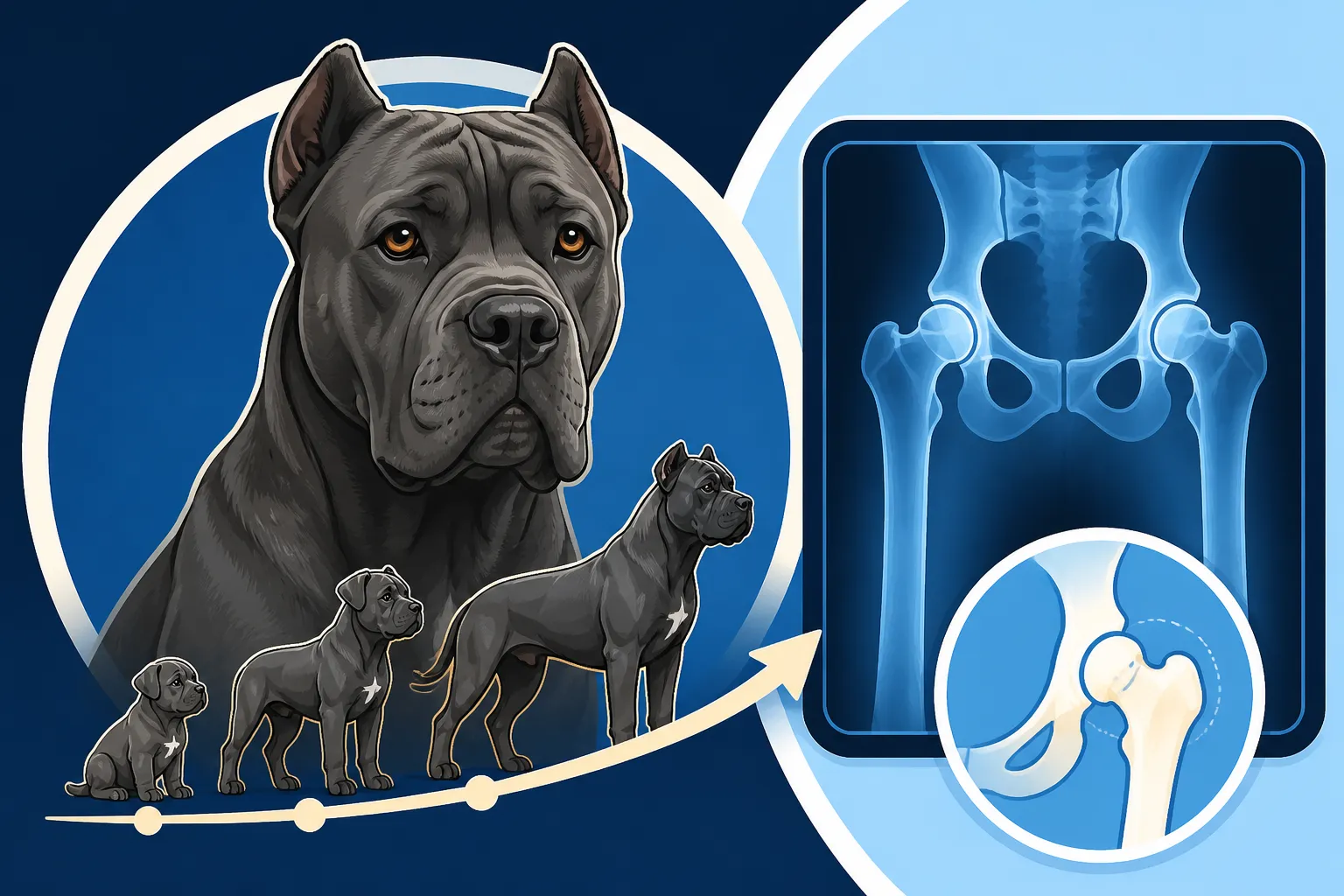
OFA Certification: The OFA requires dogs to be at least 24 months (two years) of age for a final hip evaluation. This is because the hip joints are considered mature and fully formed by this age. Before two years, the hip joints are still developing, and an earlier X-ray might show what looks like loose joints, but could simply be normal puppy laxity that tightens up with maturity. The OFA uses a single, extended view X-ray to assess the hips, looking for signs of luxation, shallow sockets, or degenerative joint disease. The X-rays are then reviewed by three independent, board-certified radiologists who assign a grade (Excellent, Good, Fair, Borderline, Mild, Moderate, or Severe). Only Excellent, Good, and Fair hips are considered passing and suitable for breeding. It's a gold standard for many breeders and provides a snapshot of the hip joint's structural integrity.
PennHIP Certification: PennHIP, on the other hand, can be performed as early as 16 weeks (four months) of age, though many vets recommend waiting until 6 months. This method is considered more sensitive and predictive for canine hip dysplasia because it measures the passive hip laxity – how much the femoral head can be displaced from the acetabulum. PennHIP involves three specific X-ray views, one of which (the compression view) assesses joint congruity, and another (the distraction view) measures the maximum amount of laxity. The results are presented as a Distraction Index (DI), a numerical score between 0 and 1, where lower numbers indicate tighter hips and therefore a lower risk of developing hip dysplasia. This early screening can be invaluable for breeders, allowing them to make informed decisions about breeding stock well before the traditional two-year mark. Knowing The Age a Cane Corso Can Be Hip Scored helps you decide which route best fits your goals for your dog. For more on comparing these, check out PennHIP Against OFA for a Cane Corso's Hips.
Early Screening Options for Cane Corso Puppies
While official OFA certification has that two-year waiting period, early screening for hip issues in Cane Corso puppies is becoming more common and can be incredibly beneficial. As mentioned, PennHIP can be performed on puppies as young as 16 weeks. This early assessment gives you a chance to identify puppies with significant laxity who might be at higher risk for developing hip dysplasia. While it's not a definitive "pass/fail" like OFA at two years, it provides a powerful indicator.
Beyond PennHIP, some veterinarians might offer preliminary OFA evaluations at a younger age (e.g., 12-18 months). These preliminary evaluations are often used by breeders to get an idea of a young dog's hip status before investing further in their breeding program or training. However, it's crucial to remember that these preliminary results are not final and may change by the time the dog reaches two years of age. A puppy whose hips appear "good" at 12 months could still develop signs of dysplasia later, and vice-versa, though usually, a preliminary "excellent" is a good sign. The primary benefit of any early screening, especially Screening a Cane Corso Puppy's Hips Early, is to empower owners to implement preventative measures sooner. If a puppy is identified as having looser hips, their exercise regimen can be adjusted to minimize impact, their diet can be carefully managed to prevent rapid growth, and supplements might be introduced earlier.
The Hip Scoring Process: What to Expect
Having your Cane Corso's hips scored can feel a little daunting, especially if it's your first time. The process itself is relatively straightforward, but it involves anesthesia, which always comes with questions and concerns. Understanding each step, from preparation to receiving the results, can help alleviate some of that anxiety and ensure a smooth experience for both you and your dog.
Preparing Your Cane Corso for X-Rays
Preparation for hip X-rays begins before you even leave the house. Both OFA and PennHIP evaluations require your Cane Corso to be sedated or anesthetized. This isn't just to keep them still; it's essential for achieving the precise positioning needed for accurate X-ray images. Trying to force a conscious, powerful Cane Corso into the required positions would be stressful for the dog and result in poor quality images. Therefore, your veterinarian will typically require your dog to be fasted for 10-12 hours prior to the procedure to minimize the risk of vomiting during or after anesthesia. You might also want to do some pre-anesthetic bloodwork to ensure your Corso is healthy enough for sedation, especially if they are older or have other health concerns.
Before the X-rays, your vet will administer a sedative or anesthetic. Once your dog is deeply relaxed, they will be carefully positioned on the X-ray table. For OFA, this usually involves extending the hind legs straight back and rotating the femurs inward to properly visualize the hip joints. For PennHIP, as mentioned earlier, three distinct views are taken, each requiring precise positioning. After the X-rays are taken, your dog will be recovered from anesthesia. They might be a little groggy and wobbly for a few hours, so make sure you have a safe, comfortable, and quiet space for them to rest when you bring them home.
Interpreting Hip Scores and What They Mean for Your Dog
Once the X-rays are submitted, the waiting game begins. The time it takes to receive results can vary. For OFA, radiologists typically review images within a few weeks. You'll receive a report detailing the grades given by each radiologist and the final consensus grade. As noted, only Excellent, Good, and Fair are passing grades. If your Cane Corso receives a "Borderline," "Mild," "Moderate," or "Severe" grade, it means there are signs of hip dysplasia. A "Borderline" might suggest some laxity or minor changes, warranting re-evaluation later, while "Moderate" or "Severe" indicates significant degenerative changes.
PennHIP results are usually available within a few days to a couple of weeks. You'll receive a comprehensive report that includes the Distraction Index (DI) for each hip, along with a breed-specific percentile ranking. This ranking tells you how your Cane Corso's hips compare to other Cane Corsos evaluated by PennHIP, which is incredibly useful. For example, a DI of 0.3 means tighter hips than a DI of 0.7. The report will also give you an interpretation of the results, indicating the likelihood of developing hip dysplasia. A low DI is excellent news, suggesting tight hips and a low risk. Even if the DI isn't perfect, knowing the extent of laxity allows you to manage it. This information is critical for breeders when determining Whether an Epileptic Cane Corso Should Ever Be Bred and equally vital for hip health. Both OFA and PennHIP reports are invaluable for guiding future care, breeding decisions, and overall expectations for your Cane Corso's joint health.
Here's a quick comparison of the two main hip scoring methods:
| Feature | OFA (Orthopedic Foundation for Animals) | PennHIP |
|---|---|---|
| Minimum Age | 24 months (2 years) for final certification | 16 weeks (4 months), commonly 6 months+ |
| Methodology | Single extended-leg X-ray view | Three X-ray views (distraction, compression, hip-extended) |
| Assessment | Evaluates presence of degenerative joint disease, bone changes | Quantifies passive hip joint laxity (Distraction Index) |
| Result Format | Qualitative grades (Excellent, Good, Fair, Borderline, etc.) | Quantitative Distraction Index (0-1) + breed-specific percentile |
| Predictive Power | Good for current status at 2 years+ | More predictive for future development of HD, even in puppies |
| Anesthesia | Required | Required |
| Primary Use | Breeding certification, general health status | Breeding selection, early risk assessment, preventative care planning |
Managing Hip Health Beyond Scoring
Getting your Cane Corso's hips scored is a fantastic first step, but it's really just the beginning of a lifelong journey in managing their joint health. Whether their scores are pristine or indicate some level of risk, there are always proactive steps you can take to support their mobility and comfort. This holistic approach makes all the difference, especially for a large, active breed like the Cane Corso.
Proactive Steps for Joint Longevity
Regardless of your Cane Corso's hip scores, incorporating proactive measures for joint longevity is paramount. One of the most critical factors is maintaining a healthy weight. Extra pounds put immense stress on already vulnerable joints, accelerating degeneration. Regular, moderate exercise is also key – not too much, not too little. Avoid high-impact activities like excessive jumping or intense, prolonged running, especially during their growth phases. Leash walks, swimming, and controlled play are excellent options. Remember, even something like Why Stairs Matter for a Cane Corso Puppy's Joints can have long-term implications.
Diet plays a significant role too. Ensure your Cane Corso is on a high-quality, large-breed appropriate food that supports healthy growth without promoting too-rapid development, especially as a puppy. Many owners also consider joint supplements containing ingredients like glucosamine, chondroitin, and MSM. While these aren't a cure-all, they can help support cartilage health and reduce inflammation. Consulting with your veterinarian about the best supplement regimen for your individual dog is always recommended, and consider reading up on Whether a Cane Corso Benefits From Joint Supplements. Regular vet check-ups are also crucial to monitor their gait, look for any early signs of discomfort, and adjust their care plan as needed. Early detection of issues can mean earlier intervention, often leading to better long-term outcomes.
Financial Planning for Potential Hip Issues
Let's be realistic: a Cane Corso is a large investment, and their health care can be substantial. Hip dysplasia, if it progresses, can lead to significant veterinary bills, including pain management, physical therapy, and potentially even surgery like a Total Hip Replacement, which can be very expensive. This is why financial planning is a non-negotiable part of Cane Corso ownership. Understanding The Surgeries Every Cane Corso Owner Should Budget For is a sobering but necessary exercise.
Many owners opt for pet insurance to help mitigate these costs. Companies like Healthy Paws offer comprehensive plans that can cover a significant portion of unexpected veterinary expenses, including diagnostic tests, medications, and surgeries for conditions like hip dysplasia, as long as they aren't pre-existing. It's crucial to enroll your Cane Corso when they are young, ideally as a puppy, before any signs of hip issues might appear, as pre-existing conditions are typically not covered. Reviewing different plans and understanding deductibles, reimbursement percentages, and annual limits is key. Even if you choose not to get insurance, setting up a dedicated savings account for your pet's medical emergencies is a smart move. Having a financial safety net in place ensures that if your Cane Corso does develop hip issues, you can focus on getting them the best possible care without added financial stress. For a deeper dive into how this works, look into Monthly Pet Insurance Premiums on a Cane Corso.
Disclaimer
This article is intended for informational purposes only and does not constitute veterinary advice. Always consult with a qualified veterinarian for any health concerns or before making any decisions about your Cane Corso's medical care.