Whether a Female Cane Corso Outlives a Male
It’s natural to wonder if there’s a secret ingredient to a longer, healthier life for our beloved Cane Corsos, especially when it comes to something as fundamental as whether their gender plays a role. Many prospective and current owners grapple with the thought: does a female Cane Corso truly outlive a male, or is that just an old wives' tale? This guide will dive deep into the factors that influence a Cane Corso's lifespan, exploring whether gender makes a significant difference and what you can do to maximize their time with you.
Understanding Cane Corso Longevity in General
Bringing a Cane Corso into your life is a significant commitment, and part of that journey is understanding their potential lifespan. These magnificent dogs, like many large and giant breeds, sadly don't live as long as their smaller counterparts. It's a tough reality for those of us who adore these loyal giants.
Average Lifespan for the Breed
When you look at the big picture, the average lifespan for a Cane Corso generally hovers around 9 to 11 years. Of course, this is just an average, and you'll hear stories of Corsos who leave us far too soon, and lucky ones who defy the odds and make it well past their tenth birthday. Factors like genetics, diet, exercise, and preventative care all play massive roles. For a deeper dive into overall breed longevity, you might want to read about The Nine Year Median Behind a Cane Corso's Lifespan. This median lifespan can be a difficult number to digest, especially when you're just starting out with a puppy and dreaming of a decade or more together.
What often surprises new owners is that the growth phase for a Cane Corso is extensive, reaching physical maturity around 18-24 months, and mentally even later. This rapid growth, coupled with their sheer size, puts unique stresses on their developing bodies, which can impact their long-term health. Knowing this from the outset helps set realistic expectations and emphasizes the importance of early preventative care.
Common Health Challenges Affecting Longevity
Cane Corsos, while robust, are unfortunately predisposed to several health issues that can significantly impact their quality of life and shorten their years. It’s not just about one major problem; often, it’s a combination of genetic predispositions and environmental factors that contribute.
One of the most feared conditions is bloat, or Gastric Dilatation-Volvulus (GDV), a life-threatening emergency common in deep-chested breeds. This condition can strike suddenly and requires immediate veterinary intervention. Owners often feel a knot in their stomach thinking about it, knowing how quickly it can turn fatal. We delve into this more in Bloat and What a Cane Corso's Deep Chest Costs.
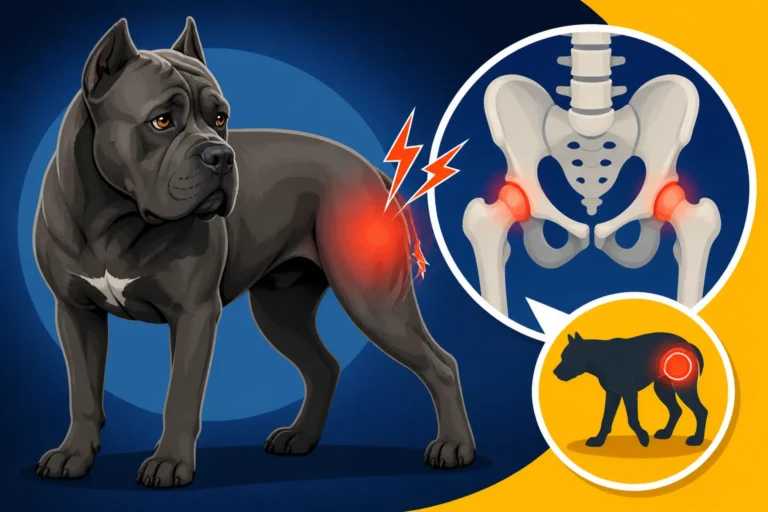
Orthopedic issues, such as hip and elbow dysplasia, are also prevalent. These conditions are often genetic, exacerbated by rapid growth and excess weight during puppyhood. Managing these can involve significant costs and lifestyle adjustments for your dog. For more information on preventative measures, consider exploring Hip Dysplasia in a Fast Growing Cane Corso.
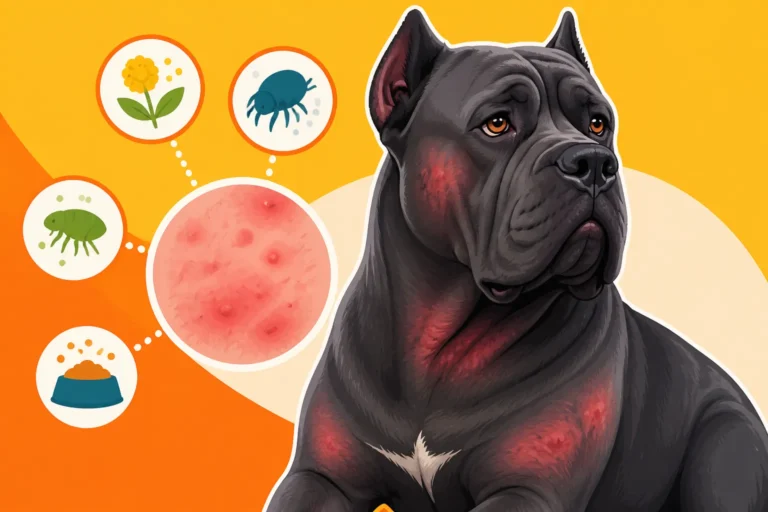
Heart conditions, especially dilated cardiomyopathy (DCM), can also affect Cane Corsos, sometimes silently progressing until symptoms become severe. Seizures, often manifesting as epilepsy, can begin around two years of age and require lifelong management. The emotional toll of watching your powerful dog go through a seizure is something no owner wants to experience, yet many face it. Understanding The Seizures That Start in a Cane Corso Around Two can help you prepare. Other concerns include certain cancers, autoimmune diseases, and eye conditions like entropion or ectropion. Proactive health testing, especially if you're considering a puppy from a breeder, is absolutely non-negotiable to help mitigate these risks.
The Lifespan Question: Do Females Really Live Longer?
This is the million-dollar question for many, and it's surrounded by a fair amount of speculation and anecdotal evidence. As responsible Cane Corso owners and enthusiasts, we want to know if there's a real advantage to choosing a female over a male, or vice versa, purely from a longevity perspective.
Scientific Studies and Anecdotal Evidence
It’s often said in the dog world, particularly for certain breeds, that females tend to live slightly longer than males. This isn’t a concept unique to Cane Corsos; it's a general observation across many species, including humans. For Cane Corsos specifically, definitive, large-scale scientific studies exclusively focused on comparing male and female longevity within the breed are somewhat scarce. Many studies look at breed longevity as a whole, or focus on specific diseases, rather than a direct sex-based comparison of overall lifespan.
However, some broader longevity studies on dogs, not just Cane Corsos, have indeed indicated a marginal difference, with females often living a few months, sometimes even a year, longer on average than males. This isn't a hard and fast rule, and the difference is usually quite small. For Cane Corsos, anecdotal reports from owners and breeders might lean slightly towards females living longer, but this is often based on individual experiences rather than robust data. It’s easy to remember the exceptionally long-lived female, or the male who passed too soon, and draw conclusions that might not reflect the broader population. The critical thing to remember is that these are averages, and individual health and care trump general trends every single time.
Hormonal and Physiological Differences
The hormonal profiles and physiological makeup between male and female Cane Corsos do differ significantly, and these differences can absolutely influence health outcomes and, by extension, lifespan.
For instance, the presence of sex hormones (estrogen in females, testosterone in males) throughout a dog's life affects bone density, muscle mass, and even behavior. The decision to spay or neuter, and the timing of that procedure, is a huge factor here. Spaying a female removes her ovaries and uterus, eliminating the risk of ovarian and uterine cancers and drastically reducing the risk of mammary tumors. However, studies on large and giant breeds have shown that early spaying can sometimes be linked to an increased risk of certain orthopedic issues like cruciate ligament tears and even some cancers later in life. This is a complex topic, and you can explore it further in Whether Neutering Changes a Cane Corso's Lifespan.
Similarly, neutering a male eliminates the risk of testicular cancer and reduces the likelihood of prostatic diseases. But, again, early neutering in large breeds has been associated with potential increases in certain joint disorders and other cancers, similar to females. The exact mechanisms are still being researched, but it highlights that removing sex hormones isn't without its potential trade-offs. The discussion around ideal spay/neuter timing for giant breeds is ongoing, with many vets now recommending waiting until full maturity, which can be 18-24 months for a Cane Corso, to allow hormones to contribute to proper skeletal development.
Health Risks More Prevalent in Males vs. Females
While many health issues affect both sexes equally, there are some conditions where one gender might have a slightly higher predisposition.
For males, specific issues might include:
- Testicular Cancer: Obviously, this is eliminated if neutered.
- Prostatic Issues: Benign prostatic hyperplasia (BPH) and other prostate problems are common in intact older males.
- Certain Behavioral Issues: Some aggression or marking behaviors linked to testosterone can sometimes lead to injuries or stress, indirectly impacting health.
For females, potential risks often include:
- Mammary Cancer: This risk dramatically decreases if spayed before her first heat cycle.
- Pyometra: A life-threatening uterine infection that affects intact females.
- Complications from Pregnancy/Whelping: If used for breeding, these carry inherent risks.
It's also worth noting that some autoimmune conditions or certain types of cancer might show a slight predilection for one sex over the other in broader dog populations, but specific, significant disparities for Cane Corsos haven't been widely established in scientific literature. The biggest takeaways are usually related to reproductive organ cancers and infections, which are largely preventable through spaying/neutering. Therefore, the choice to spay or neuter, and its timing, often has a more direct impact on gender-specific disease risks than the inherent biological sex itself.
Here's a quick overview of potential sex-linked health considerations:
| Health Consideration | Males (Intact) | Females (Intact) | Both Sexes (General) |
|---|---|---|---|
| Reproductive Cancers | Testicular cancer | Ovarian, uterine, mammary cancers | N/A |
| Reproductive Infections | Prostatic infections | Pyometra (uterine infection) | N/A |
| Orthopedic Issues | Potentially affected by early neutering | Potentially affected by early spaying | Hip/elbow dysplasia, CCL tears |
| Bloat (GDV) | Equal risk | Equal risk | High risk for deep-chested breeds |
| Cardiac Issues | Equal risk | Equal risk | Dilated Cardiomyopathy (DCM) |
| Epilepsy | Equal risk | Equal risk | Genetic predisposition |
| Cancer (General) | Potentially slightly higher incidence for some types with early neuter | Potentially slightly higher incidence for some types with early spay | Lymphoma, Osteosarcoma (bone cancer) |
Factors Influencing a Cane Corso's Lifespan (Regardless of Sex)
While the male/female lifespan debate offers interesting insights, the reality is that many factors transcend gender and have a far greater impact on how many cherished years you get with your Cane Corso. Focusing on these elements is where owners can truly make a difference.
Genetics and Responsible Breeding
This is arguably the single most important factor. A well-bred Cane Corso from health-tested parents has a significantly better chance at a long, healthy life than one from a backyard breeder or a puppy mill. Responsible breeders are meticulous about screening their breeding stock for common breed-specific ailments like hip and elbow dysplasia, heart conditions, and certain eye diseases. They don't just breed two good-looking dogs; they breed for health, temperament, and adherence to the breed standard.
Looking for parents with certifications from organizations like the Orthopedic Foundation for Animals (OFA) or PennHIP for hips and elbows, and passing cardiac exams from a board-certified veterinary cardiologist, is crucial. You should ask to see these papers and understand What a Cane Corso CHIC Number Actually Certifies. Furthermore, DNA testing for conditions like Neuronal Ceroid Lipofuscinosis (NCL) and Degenerative Myelopathy (DM) is becoming more common and vital to eliminate these devastating diseases from bloodlines. Knowing The Two DNA Diseases in Cane Corso Pedigrees can guide your breeder questions. Don’t fall for "rare colors" or cheap prices; these often come at the expense of health. Investing in a puppy from a reputable breeder is an investment in their future health and your peace of mind.
Nutrition and Weight Management
What you put into your Cane Corso's bowl directly impacts their health, energy levels, and longevity. These are giant breeds, and their nutritional needs are specific, especially during their rapid growth phase. Feeding a high-quality, large-breed specific kibble that supports slow, steady growth is paramount to prevent orthopedic issues like hip and elbow dysplasia, which can be exacerbated by growing too quickly or carrying excess weight as a puppy.
Once mature, maintaining a lean body condition is critical. Overweight Corsos put undue stress on their joints, heart, and other organs, significantly increasing their risk for arthritis, diabetes, and other health complications. You should be able to easily feel, but not see, their ribs. Their waist should be evident when viewed from above. Regularly Checking a Cane Corso's Ribs With Your Hands helps you keep tabs on their weight. Adjust their food intake based on their activity level and age. Treats should be used sparingly and counted into their daily caloric intake. Remember, a fit Cane Corso is a healthier Cane Corso, regardless of whether they're male or female.
Exercise, Mental Stimulation, and Preventative Care
A Cane Corso is not a couch potato. They need regular, appropriate exercise to maintain muscle mass, joint health, and a healthy weight. Daily walks, playtime, and mental stimulation are essential. However, it's crucial to tailor exercise to their age and development. Over-exercising a growing puppy can damage developing joints, leading to problems later in life. As they age, activity levels might need to be adjusted, but consistent, moderate exercise remains vital.
Preventative veterinary care is the cornerstone of a long life. Regular check-ups, vaccinations, parasite control, and dental care are non-negotiable. Don't skip those annual vet visits, especially as your Corso ages. Yearly Bloodwork on an Adult Cane Corso can catch issues early, allowing for timely intervention. Being proactive about their health means addressing minor issues before they become major crises.
Also, be prepared for emergencies. Having a robust pet insurance plan, such as those offered by Healthy Paws, can provide immense relief when unexpected vet bills arise, ensuring you can always make the best health decisions for your dog without financial constraints. Being able to afford advanced diagnostics or emergency surgery, for example for bloat, can literally be the difference between life and death. The peace of mind knowing you’re covered for serious health issues is invaluable. Healthy Paws offers comprehensive plans that can help manage the substantial costs associated with major medical events that can affect any Cane Corso, male or female.
Beyond physical health, mental stimulation is equally important. A bored Cane Corso can develop destructive behaviors, but a mentally engaged dog is a happier, healthier one. Puzzle toys, training sessions, and opportunities for scent work can keep their minds sharp and reduce stress, contributing to overall well-being.
Conclusion
So, does a female Cane Corso outlive a male? While some general canine longevity studies and anecdotal evidence might suggest a slight edge for females, the difference is often marginal and heavily influenced by numerous other factors. In the grand scheme of things, the individual care, genetics, and environment you provide for your Cane Corso will have a far more profound impact on their lifespan than their sex alone.
Focus on selecting a puppy from a reputable breeder who performs extensive health clearances, ensuring they have the best possible genetic foundation. Commit to providing optimal nutrition, maintaining a lean body weight, and ensuring they receive regular, appropriate exercise and mental stimulation. Crucially, establish a strong relationship with your veterinarian and adhere to a preventative care schedule, including regular check-ups and being prepared for unexpected health challenges—having a quality pet insurance policy from a provider like Healthy Paws can be a real game-changer here.
Ultimately, whether you welcome a male or a female Cane Corso into your home, your dedication to their health and well-being will be the most significant determinant of how many wonderful years you get to share together. Cherish every moment, because they truly are magnificent companions.
Disclaimer
The information provided in this article is for general informational purposes only and is not a substitute for professional veterinary advice. Always consult with a qualified veterinarian regarding any medical conditions or health concerns your Cane Corso may have.