The Mealtime Habits That Turn a Cane Corso’s Stomach
The sheer terror of looking at your magnificent Cane Corso and realizing their stomach is distending, hard as a drum, with every minute feeling like an eternity – it's a nightmare no owner ever wants to face. Gastric Dilatation-Volvulus (GDV), or bloat, is a rapid and often fatal condition that deep-chested breeds like ours are tragically prone to, and surprisingly often, it's linked directly back to seemingly innocent mealtime habits. This comprehensive guide will walk you through understanding why certain feeding practices can turn your Cane Corso's stomach, how to mitigate these risks, and what to do if the unthinkable happens.
Understanding Bloat and Why Cane Corsos Are at High Risk
Bloat is one of the most frightening emergencies a Cane Corso owner can encounter. It’s not just an upset stomach; it’s a life-threatening condition that progresses with terrifying speed. Knowing what it is and why our beloved giants are so susceptible is the first step in prevention.
The Mechanism of Gastric Dilatation-Volvulus (GDV)
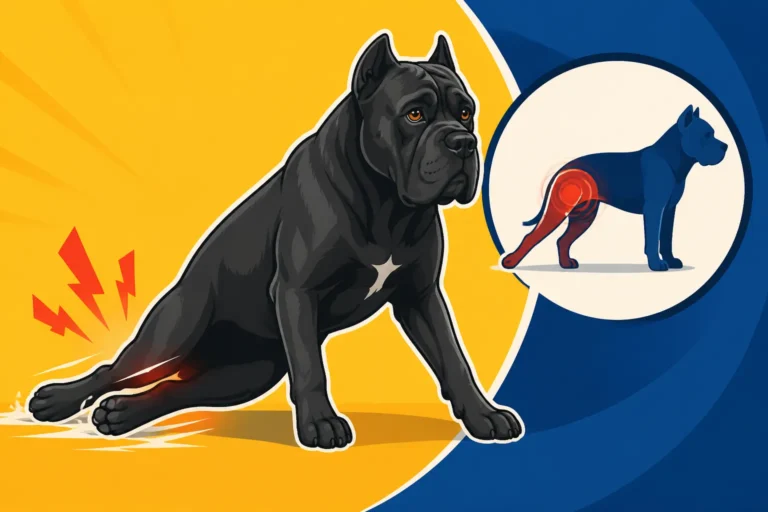
Gastric Dilatation-Volvulus, or GDV, involves two critical events. First, the stomach fills rapidly with gas, fluid, or food – this is the "dilatation" part, where the stomach expands like a balloon. Second, and far more dangerous, the distended stomach then twists on its axis, trapping the gas inside and cutting off blood supply to the stomach and often the spleen. This twisting is the "volvulus." Once the stomach twists, your dog's ability to belch or vomit to relieve the pressure is compromised. This twisting also obstructs blood flow to the heart, sending the dog into shock. The pressure from the enlarged stomach can even hinder breathing and damage other organs.
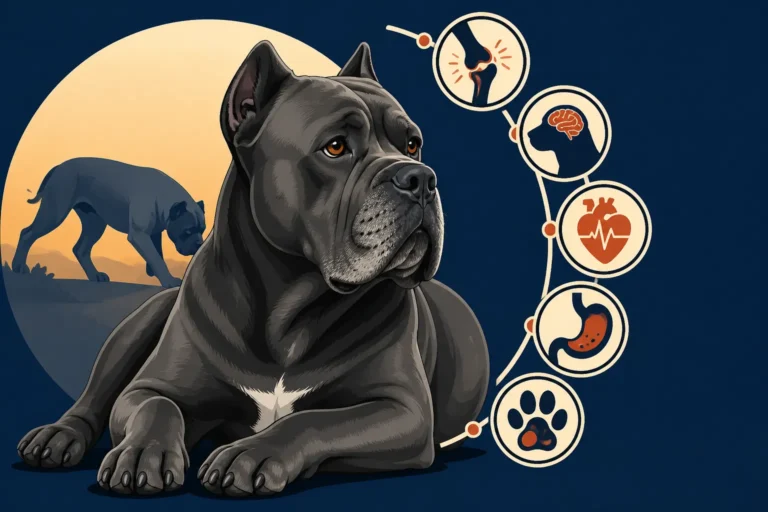
For Cane Corsos, their deep and narrow chest conformation is a significant anatomical risk factor. This body shape allows the stomach more room to swing and twist when it's full and gaseous. Combine this genetic predisposition with certain feeding habits, and you have a recipe for disaster. It's a cruel irony that the very breed characteristics we admire contribute to such a severe health risk. The situation often becomes critical within a matter of hours, and understanding "The Hours That Decide a Bloated Cane Corso's Outcome" is paramount for any owner.
Distinguishing Bloat from a Simple Full Belly
It’s easy to panic when your Cane Corso has eaten a big meal and looks a little full, especially with their deep chests already creating a prominent rib cage. However, there's a crucial difference between a normal full belly and the onset of bloat. A dog with a simply full stomach might look distended, but they will likely be comfortable, perhaps a little sleepy, and will usually pass gas or belch if needed. They won't show signs of severe distress.
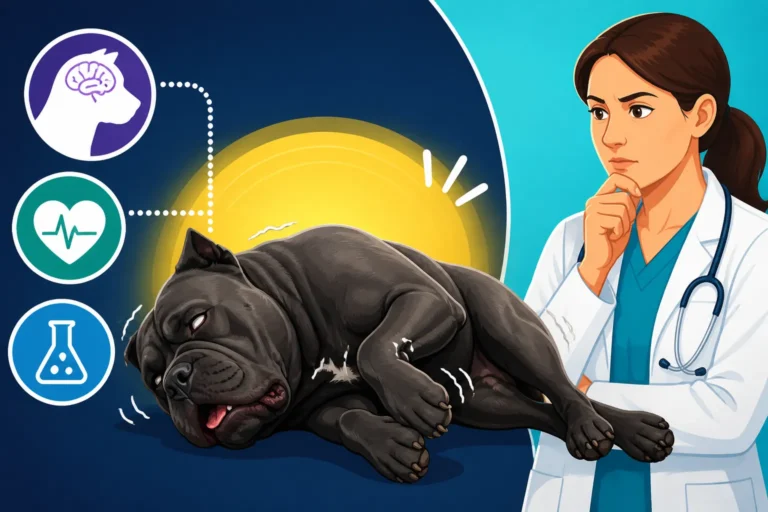
With bloat, the signs are far more alarming. Beyond the obvious abdominal distension, which quickly becomes firm and taut like a drum, your Cane Corso will display severe discomfort and pain. They might pace restlessly, attempt to vomit without producing anything (non-productive retching), drool excessively, whine, pant heavily, and refuse to lie down. Their gums might become pale, and their heart rate can increase dramatically. If you're wondering "The First Sign a Cane Corso Is Bloating," it's often that distressed pacing and repeated attempts to throw up. Trust your gut; if something feels off, it likely is.
Mealtime Habits That Significantly Increase Bloat Risk
While GDV can strike without warning, certain mealtime habits are consistently linked to an increased risk. As caring owners, we want to give our Cane Corsos the best life, and sometimes, well-intentioned practices can unknowingly contribute to this danger.
The Dangers of Eating Too Fast
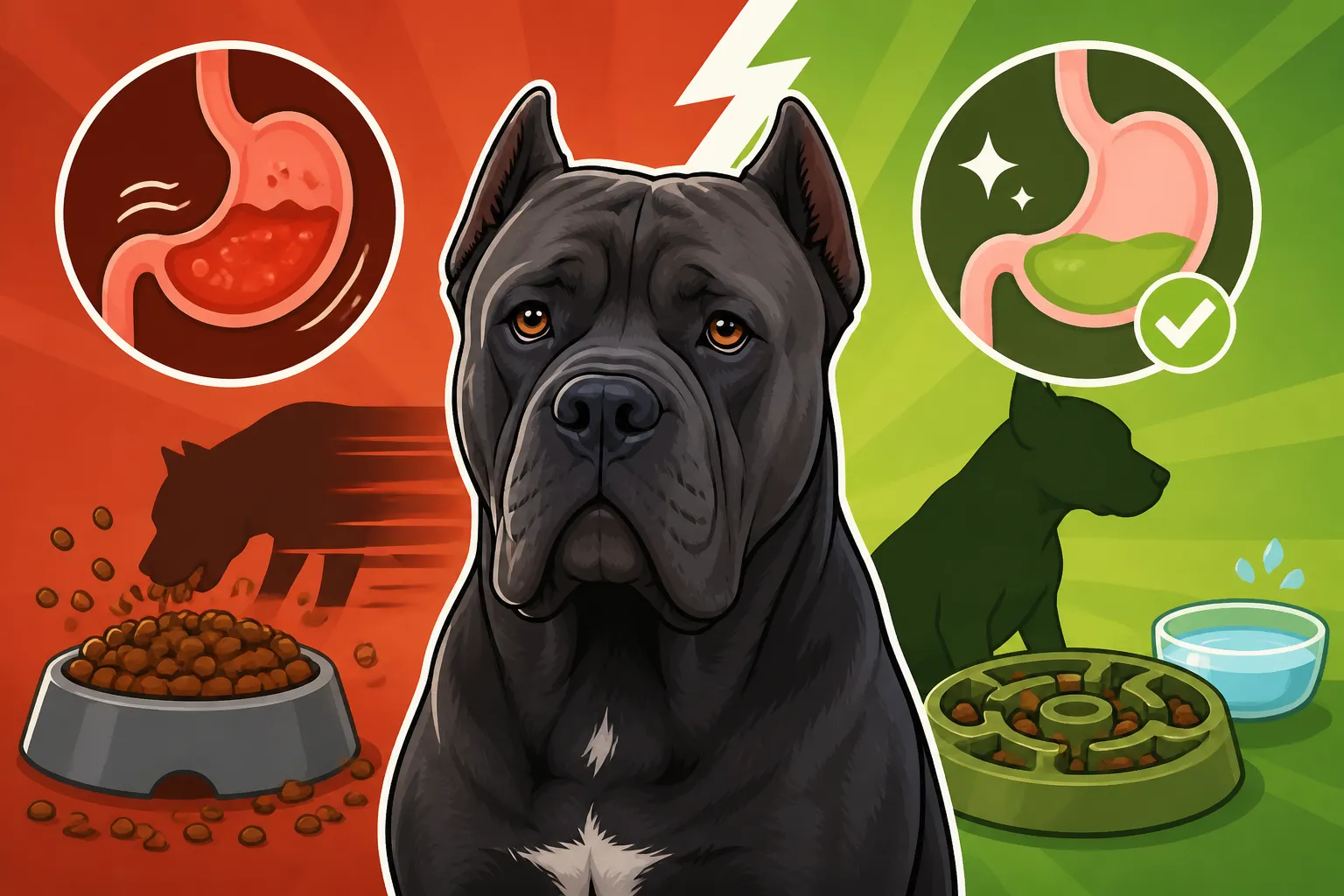
One of the biggest culprits in bloat development is rapid ingestion of food, or what we often call "gobbling." When your Cane Corso eats incredibly fast, they inevitably swallow a significant amount of air along with their food. This excess air accumulates in the stomach, contributing to the initial gastric dilatation. Think of a child gulping down soda too quickly; they get gassy. Now imagine that on a much larger scale, with a stomach that can then twist.
This is particularly common in households with multiple dogs, where competition might encourage faster eating, or with dogs who have a naturally voracious appetite. The sheer volume of food and air hitting the stomach all at once creates an unstable environment ripe for twisting. It's a frustration many owners face, trying to slow down a dog who acts like they haven't eaten in a week, even after being fed just hours ago. This rapid eating is a habit we absolutely need to address.
Exercise Too Close to Meals
Another major risk factor is vigorous activity immediately before or after eating. While a good walk is essential for a Cane Corso's physical and mental health, the timing around meals is critical. Engaging in strenuous exercise – running, jumping, intense play, or even heavy training – when the stomach is full and distended can cause it to swing and, tragically, twist. The jostling motion acts as a catalyst for the volvulus portion of GDV.
Veterinarians generally recommend a "quiet period" before and after meals. This means no intense exercise for at least an hour before and two hours after your Cane Corso eats. Even a calm walk can be too much if your dog is prone to pulling or suddenly lunging. The goal is to keep their stomach as stable as possible when it's full. This also applies to excitement; a highly stimulated dog, even if not actively running, can inadvertently ingest more air.
Large, Infrequent Meals
It might seem convenient to feed your Cane Corso one large meal a day, given their size and appetite. However, this practice significantly increases their bloat risk. A single large meal fills the stomach to maximum capacity, making it heavy, distended, and much more prone to twisting. Think of a sack of potatoes vs. a few small bags; the larger, heavier sack is harder to manage and more likely to shift awkwardly.
Instead, breaking the daily food ration into two or even three smaller meals spread throughout the day is highly recommended. This allows the stomach to digest smaller amounts of food at a time, reducing the overall distension and pressure. It's a small change in routine that can have a massive impact on your Cane Corso's safety. This is a common piece of advice when discussing "Why a Cane Corso's Ration Is Split in Two."
Stress and Mealtime Environment
While perhaps less direct than the physical acts of eating and exercising, a stressful mealtime environment can also contribute to bloat risk. Dogs, like humans, can experience digestive upset when stressed or anxious. A dog eating in a chaotic household, feeling competitive with other pets, or anxious about their surroundings might gulp food faster, increasing air intake, and generally have a more unsettled digestive system.
Creating a calm, consistent, and predictable mealtime routine is important. Feed your Cane Corso in a quiet, dedicated space where they feel secure and can eat without interruption or competition. This might mean separate feeding areas if you have multiple pets. The goal is to minimize any factors that could lead to frantic eating or digestive distress.
Reducing Risk Through Smart Feeding Practices
Knowing the risks is one thing; implementing practical, everyday solutions is another. By adjusting a few key feeding practices, you can significantly reduce your Cane Corso's susceptibility to bloat.
The Benefits of Slow Feeders and Puzzle Toys
For those fast eaters, slow feeder bowls and puzzle toys are absolute game-changers. These specially designed bowls have obstacles, ridges, or compartments that force your Cane Corso to eat around them, slowing down their ingestion pace. Instead of vacuuming up a bowl of kibble in 30 seconds, they might take 5-10 minutes. This reduced speed means less air is swallowed, and the food enters the stomach at a more manageable rate.
There's a huge variety available, from simple plastic bowls with internal mazes to more complex interactive feeders that dispense kibble only when your dog solves a small puzzle. Even scattering their kibble across a clean floor or a snuffle mat can achieve a similar effect, turning mealtime into a mental enrichment activity. For more specific recommendations, look for "Slow Feeders That Pace a Cane Corso." Companies like Outward Hound offer popular slow feeder bowls that can be very effective.
Splitting Meals into Smaller Portions
As mentioned earlier, dividing your Cane Corso's daily food intake into multiple smaller meals is a cornerstone of bloat prevention. Instead of one huge meal, aim for two or three smaller servings throughout the day. This keeps the stomach from becoming excessively distended at any one time, allowing for more consistent digestion and reducing the heavy, unstable feeling that can precede a twist.
For example, if your adult Cane Corso eats six cups of food daily, instead of feeding all six at once, offer three cups in the morning and three cups in the evening. Or, better yet, two cups in the morning, two at midday, and two in the evening, if your schedule allows. This helps keep their digestive system working efficiently without overloading it. It's a simple, yet highly effective strategy to manage bloat risk.
Avoiding Pre- and Post-Meal Activity
Establishing a strict "no activity" zone around meals is non-negotiable for Cane Corsos. This means:
- Before Meals: Avoid vigorous exercise for at least an hour before feeding. A leisurely potty break is fine, but no running, intense play, or training sessions that get their heart rate up.
- After Meals: This is perhaps even more critical. Keep your Cane Corso calm and quiet for a minimum of one to two hours after they eat. This means no running around the yard, no jumping, no roughhousing, and definitely no car rides where they might be jostled. A relaxed chew toy or a quiet nap is ideal.
"Timing a Cane Corso's Meal Around Its Walk" becomes a dance of careful planning. Many owners find success by feeding after the morning and evening walks, allowing their dogs to settle down before eating, and then ensuring a long rest period afterward. This helps the food settle and begin digestion before any movement could potentially cause issues.
Recognizing the Signs and Taking Immediate Action
Despite all preventative measures, bloat can still occur. Knowing the signs and reacting quickly is literally the difference between life and death. Every second counts.
Early Warning Signs of Bloat
The onset of bloat can be subtle at first, but it progresses rapidly. As a Cane Corso owner, you need to be hyper-vigilant for these early warning signs:
- Restlessness and Pacing: Your dog might seem anxious, unable to find a comfortable position, constantly shifting or pacing.
- Non-Productive Retching: This is a classic sign. Your dog tries to vomit, heaves, but nothing comes up, or perhaps only foamy saliva. They look like they're trying desperately to throw up but can't.
- Distended Abdomen: The belly will appear swollen, especially on the left side, and feel hard and taut to the touch, like a drum. This can develop very quickly.
- Pain and Discomfort: Whining, groaning, looking at their side, or acting generally uncomfortable. They might resist touch around their abdomen.
- Excessive Drooling: Due to nausea and discomfort.
- Rapid, Shallow Breathing or Heavy Panting: A sign of distress and restricted diaphragm movement.
- Weakness or Collapse: As shock sets in, your dog may become weak, staggering, or even collapse.
If you observe any combination of these symptoms, particularly non-productive retching and a distended, firm abdomen, assume it is bloat. Do not wait to see if it improves. This is exactly when "Recognizing Bloat in a Cane Corso Before It Turns" into a full-blown crisis is essential.
Immediate Steps to Take When Bloat Is Suspected
If you suspect bloat, time is of the essence. There is no home remedy or waiting-game option.
- Contact Your Veterinarian or Emergency Vet Immediately: This is the absolute first step. Call them while you are getting your dog ready to go. Tell them you suspect GDV and you are on your way. This allows them to prepare for your arrival, saving critical minutes.
- Transport Your Dog Safely and Calmly: Get your Cane Corso into your vehicle as quickly and gently as possible. Avoid any rough handling or sudden movements that could worsen the twist. Keep them as calm as you can.
- Do NOT Attempt Home Remedies: Do not try to induce vomiting, give antacids, or offer food or water. These actions can worsen the situation. Your dog needs immediate professional medical intervention.
Every minute counts. The quicker your Cane Corso receives veterinary attention, the better their chances of survival. This is a terrifying situation, and the frustration of feeling helpless can be immense, but swift action is the only path forward.
Emergency Veterinary Care for GDV
Once at the veterinary hospital, your Cane Corso will undergo rapid assessment and stabilization. This typically involves:
- Decompression: The vet will try to relieve the gas pressure in the stomach, often by inserting a tube down the esophagus (if the stomach hasn't twisted too severely) or by using a large needle to puncture the stomach through the abdominal wall (trocarization).
- Intravenous Fluids: To combat shock and dehydration.
- Pain Medication: To alleviate the severe discomfort.
- X-rays: To confirm the diagnosis of GDV and determine the degree of stomach twisting.
- Emergency Surgery: If GDV is confirmed and the dog is stable enough, surgery (gastropexy) is necessary to untwist the stomach and suture it to the abdominal wall to prevent future twisting. This procedure is life-saving, but it's a major surgery, and complications can arise. The costs for such an emergency can be substantial, easily reaching several thousand dollars. Many owners find relief in pet insurance plans, with providers like Healthy Paws offering coverage for unexpected incidents, including GDV surgery, helping to alleviate the financial burden during such a stressful time.
Post-surgery care is also critical, involving monitoring for complications like cardiac arrhythmias, peritonitis, or necrosis of stomach tissue.
Long-Term Management and Prevention Strategies
Surviving bloat is a traumatic experience for both dog and owner. Moving forward, prevention becomes an even higher priority. There are long-term strategies and considerations that can significantly reduce the chances of a recurrence.
The Role of Prophylactic Gastropexy
For Cane Corsos, especially those with a family history of bloat or those who have already experienced an episode, a prophylactic gastropexy is often highly recommended. This is a surgical procedure where the stomach is permanently tacked or sutured to the abdominal wall. It doesn't prevent the stomach from dilating (filling with gas), but it does prevent it from twisting (volvulus), which is the life-threatening part of GDV.
This procedure can often be done minimally invasively (laparoscopically) and can sometimes be performed at the same time as spaying or neutering, making it a "two-birds-one-stone" scenario for many owners. Discussing "Whether a Cane Corso Should Have a Preventive Gastropexy" with your vet is a crucial conversation for any owner of a deep-chested breed. While it's still a surgery and carries inherent risks, including "Anesthesia Risk in a Deep Chested Cane Corso," the peace of mind it offers is often invaluable given the severity of bloat. It's an investment in your dog's future health and safety.
Dietary Considerations Beyond Meal Timing
While meal timing and speed are critical, other dietary factors might play a role in bloat risk, though research is ongoing and sometimes contradictory.
- Kibble Type and Ingredients: Some studies have suggested a potential link between certain ingredients (like citric acid) or types of kibble (small kibble size, soy ingredients) and an increased risk, though these links are not definitively proven or universally accepted. Generally, a high-quality, large-breed dog food is recommended for Cane Corsos.
- Water Intake: While essential, excessive water intake immediately after eating or exercise could potentially contribute to stomach distension. Offer fresh water freely throughout the day, but perhaps avoid letting your dog gulp a large volume right after a meal or intense activity.
- Elevated Bowls: For a long time, it was thought that elevated food bowls reduced bloat risk by allowing dogs to eat in a more natural position, reducing swallowed air. However, some studies have actually suggested they might increase risk, particularly in large and giant breeds. The current consensus is that elevated bowls offer no protective benefit and might even be detrimental for deep-chested breeds. It's generally safer to feed your Cane Corso on the floor.
- Supplements: While certain supplements are marketed for digestive health, there's no scientific evidence that they prevent bloat. Focus on a balanced diet and good feeding practices. If you're concerned about digestive health, consult your veterinarian.
The financial preparedness for potential health crises is also an important aspect of Cane Corso ownership. The reality is that even with careful management, unexpected health issues can arise. This is where comprehensive pet insurance plans, like those offered by Healthy Paws, can be incredibly beneficial. Having a safety net in place can make the difference between being able to afford life-saving treatment and facing an impossible decision. Remember, "Whether a Cane Corso Can Bloat a Second Time" is a real concern if preventive measures like gastropexy aren't taken.
Regular Vet Check-ups and Open Communication
Maintaining a strong relationship with your veterinarian is vital. Regular check-ups allow your vet to monitor your Cane Corso's overall health and discuss any concerns you might have about bloat or other breed-specific conditions. Don't hesitate to ask questions about diet, exercise, and any new behaviors your dog exhibits.
Your vet can offer personalized advice based on your Cane Corso's specific health profile, age, and lifestyle. They can also provide guidance on interpreting subtle signs of illness and reinforcing best practices for bloat prevention. The more informed and proactive you are, the better equipped you'll be to keep your magnificent companion healthy and safe.
| Mealtime Habit | Bloat Risk Factor | Recommended Practice |
|---|---|---|
| Eating too quickly | Swallowing excessive air | Use slow feeder bowls, puzzle toys, or scatter feeding. |
| Large, infrequent meals | Stomach over-distension | Split daily food ration into 2-3 smaller meals throughout the day. |
| Vigorous exercise after eating | Stomach jostling/twisting | Implement a quiet period: no intense activity 1 hour before and 2 hours after meals. |
| Stressful feeding environment | Fast, anxious eating | Feed in a calm, consistent, and solitary space; separate multiple dogs if needed. |
| Elevated food bowls | No proven benefit, possible risk | Feed on the floor, using slow feeder bowls as needed. |
| Gulping large amounts of water after meals | Stomach distension | Offer water freely throughout the day, but monitor large gulps immediately post-meal/exercise. |
Disclaimer
The information provided in this article is for educational and informational purposes only, and does not constitute veterinary advice. Always consult with a qualified veterinarian for any health concerns or before making any decisions about your Cane Corso's care, diet, or treatment.