The Cardiac Exam Behind a Cane Corso’s Clearance
The quiet fear of a hidden health issue lurking within your magnificent Cane Corso is something every dedicated owner understands. These powerful, stoic dogs steal our hearts, and the thought of them suffering from something like an undetected heart condition can be truly agonizing. This guide is here to demystify the cardiac exam process, explaining why it’s so critical for Cane Corsos and what steps you can take to ensure your beloved companion gets the best possible heart health care.
Understanding Cardiac Health in the Cane Corso
When you look at a Cane Corso, you see strength, athleticism, and a commanding presence. But beneath that impressive exterior lies a heart that, like all large and giant breeds, can be susceptible to specific health challenges. Ignoring these possibilities isn't an option for responsible owners.
Why Heart Health is a Major Concern for Large Breeds
Large and giant dog breeds, including our magnificent Cane Corsos, carry an increased risk for certain cardiac conditions. Think about the sheer volume of blood their hearts have to pump, the vast network of vessels they need to supply, and the constant demand placed on their cardiovascular system just by existing as a large creature. This inherent workload puts a significant strain on the heart muscle over time. For a breed that can easily weigh over 100 pounds, the heart is constantly working hard.
One of the primary concerns for large breeds is Dilated Cardiomyopathy (DCM). This is a disease where the heart muscle becomes thin and weakened, leading to an enlarged heart that struggles to pump blood effectively. It’s a progressive condition that can often go unnoticed in its early stages, subtly stealing your dog's vitality before more obvious symptoms appear. The sheer size of a Cane Corso means that by the time you notice significant changes, the disease might be quite advanced. This is why proactive screening, even when your dog seems perfectly healthy, is so incredibly important.
Common Cardiac Conditions in Cane Corsos
While DCM is certainly at the forefront of worries for Cane Corso owners, it’s not the only cardiac condition to be aware of. Another condition, though less common than DCM, is subvalvular aortic stenosis (SAS), a narrowing below the aortic valve that obstructs blood flow from the heart. Puppies can sometimes be born with congenital heart defects that might manifest as murmurs, some of which are innocent "flow murmurs" that disappear with growth, while others indicate a more serious structural problem.
Arrhythmias, or irregular heartbeats, can also affect Cane Corsos. These can sometimes be an early indicator of underlying heart disease or occur independently. The challenge with many of these conditions is that a Cane Corso, being a robust and often stoic breed, might not show overt signs until the disease has progressed significantly. They're built to be tough, which can sometimes mask subtle symptoms that a smaller, more delicate breed might display much earlier. This makes regular, thorough cardiac examinations a cornerstone of preventative care for the breed. Understanding these potential issues helps us appreciate why a comprehensive cardiac exam is so much more than just a quick listen with a stethoscope.
The Core Components of a Cane Corso Cardiac Exam
When it comes to assessing your Cane Corso's heart health, a simple check-up at your regular vet is a good start, but often, a more in-depth look is needed. This is especially true if there's any suspicion of a problem or if you're involved in a responsible breeding program.
Initial Physical Examination and Auscultation
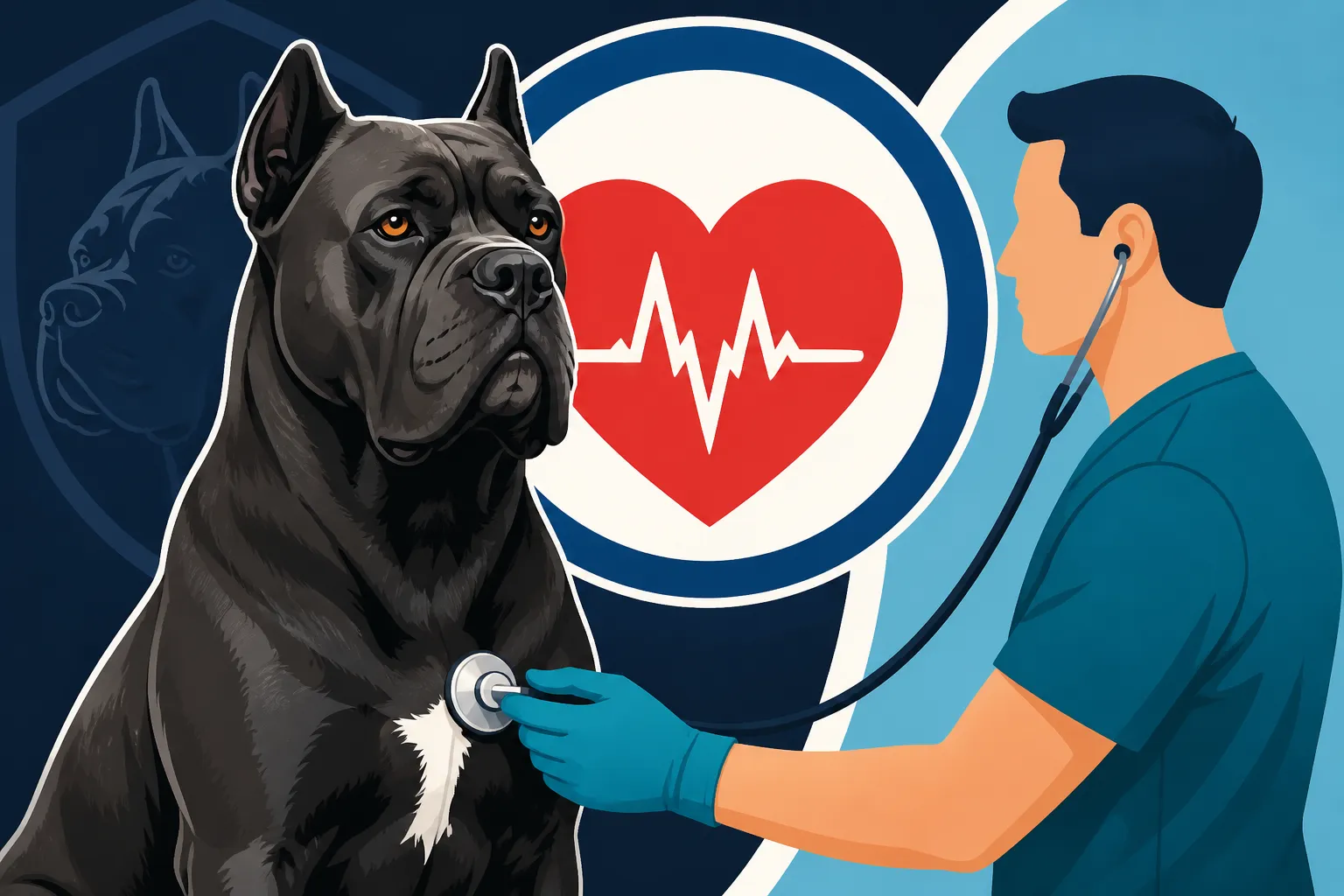
Every veterinary visit for your Cane Corso should include a thorough physical examination, and a crucial part of that is cardiac auscultation – listening to the heart. Your general practice veterinarian will carefully listen for heart rate and rhythm, checking for any irregularities or extra sounds. They'll also feel the pulses in your dog's legs, assessing their strength and consistency, and check the color of your Cane Corso's gums, which can give clues about circulation.
The most common finding during auscultation that prompts further investigation is a heart murmur. A murmur is essentially an abnormal sound heard during the heartbeat, caused by turbulent blood flow. It’s like hearing rushing water instead of a clear, steady beat. Murmurs are graded on a scale, often from 1 to 6, with higher numbers indicating a louder murmur. A low-grade murmur might be an "innocent" flow murmur, especially in a fast-growing puppy, but any murmur, regardless of grade, warrants attention in a Cane Corso. Your vet will assess its location, timing, and intensity. If a murmur is detected, or if there's any other suspicion of heart issues, the next logical step is typically a referral to a specialist. This proactive approach can make all the difference in catching potential problems early.
The Role of the Veterinary Cardiologist
For a breed like the Cane Corso, which is prone to specific cardiac conditions, getting a specialist involved early can be invaluable. A veterinary cardiologist is a veterinarian who has undergone extensive additional training, often including a three-year residency, specifically in the diagnosis and treatment of heart disease in animals. They are the experts who can truly interpret the nuances of a Cane Corso's heart function.
These specialists have access to advanced diagnostic equipment and possess a deep understanding of breed-specific heart conditions, like the nuances of Dilated Cardiomyopathy (DCM) in large breeds. If your regular vet detects a murmur, an arrhythmia, or if you simply want a baseline cardiac clearance for your Cane Corso, especially if they're part of a breeding program, a referral to a board-certified veterinary cardiologist is highly recommended. They can provide a definitive diagnosis, offer the most current treatment options, and help you understand the long-term prognosis for your dog. It's an investment in your Cane Corso's health that can provide immense peace of mind.
Diagnostic Tools Beyond the Stethoscope
While your general vet's examination is a good starting point, truly understanding your Cane Corso's heart health often requires a deeper dive using specialized diagnostic tools. These tools allow veterinary cardiologists to see inside the heart, assess its function, and detect abnormalities that a stethoscope simply cannot.
Echocardiogram: The Gold Standard
When it comes to assessing the structure and function of your Cane Corso's heart, the echocardiogram (often just called an "echo") is truly the gold standard. Think of it as a detailed ultrasound of the heart. This non-invasive procedure uses sound waves to create real-time images of your dog's heart as it beats. Your Cane Corso will typically lie comfortably on a special table, often on their side, with a small area of fur shaved on their chest to allow for good contact with the ultrasound probe. Sedation is usually not required, which is a huge relief for many owners and dogs alike.
What does an echo reveal? Well, it's a treasure trove of information! A skilled cardiologist can measure the size of the heart chambers, assess the thickness of the heart walls, visualize the valves to ensure they are opening and closing properly, and even watch the blood flow through the heart in real-time. For a breed like the Cane Corso, the echo is absolutely critical for screening for Dilated Cardiomyopathy (DCM). The cardiologist will take specific measurements, such as the left ventricular internal diameter in systole and diastole (LVIDs and LVIDd), and the fractional shortening (FS), which are key indicators of the heart's pumping efficiency. Any significant enlargement of the chambers or decrease in contractility could be an early sign of DCM. This detailed visualization gives you and your vet an unparalleled insight into your Cane Corso's most vital organ.
Electrocardiogram (ECG/EKG): Checking Electrical Activity
Beyond the physical structure, the heart's electrical system is equally vital. That's where an electrocardiogram (ECG or EKG) comes in. This test measures the electrical impulses that control the heart's rhythm. It’s incredibly useful for detecting arrhythmias, which are irregular heartbeats that can sometimes precede or accompany structural heart disease.
During an ECG, small electrodes are gently clipped to your Cane Corso's skin, typically on their elbows and knees, and connected to a machine. The test is quick, painless, and completely non-invasive. The machine records the electrical activity of the heart, printing out a tracing that shows each heartbeat and its rhythm. A cardiologist can then analyze this tracing for any abnormalities – too fast, too slow, or irregular beats. While an ECG won't tell you about the physical shape of the heart, it's an indispensable tool for understanding its electrical stability. If your Cane Corso has a history of fainting spells, weakness, or if a physical exam reveals an irregular pulse, an ECG will often be one of the first diagnostic tests performed to uncover the root cause.
Holter Monitor: The 24-Hour Heart Snapshot
Sometimes, heart arrhythmias are intermittent – they don't happen all the time, making them difficult to catch during a brief ECG in the vet's office. This is where a Holter monitor becomes an incredibly valuable tool, especially for Cane Corsos where certain arrhythmias might be subtle or infrequent. The Holter monitor is essentially a portable ECG device that your dog wears for a full 24 hours, or sometimes even longer.
The monitor is typically secured in a special vest that fits snugly but comfortably around your Cane Corso's chest. Electrodes are carefully placed on the skin, and your dog goes home to live their normal daily life while the device continuously records every single heartbeat. This "24-hour snapshot" can capture those fleeting arrhythmias that might otherwise be missed. For breeding Cane Corsos, a Holter monitor is often a critical part of their cardiac clearance, particularly for screening for occult (hidden) arrhythmias that could indicate an underlying issue like early-stage DCM. The data collected provides an exhaustive record of heart activity during various states of rest, activity, and sleep, giving the cardiologist a comprehensive picture of the heart's electrical health over an extended period. It truly helps to uncover those sneaky issues that only pop up occasionally.
Interpreting the Results: What "Clearance" Really Means
Getting your Cane Corso’s heart checked can feel like a big step, and understanding the results is just as important as getting the tests done. When you hear terms like "clearance," it's natural to breathe a sigh of relief, but it’s crucial to know what that really implies for your dog’s long-term health.
Understanding Normal vs. Abnormal Findings
After a comprehensive cardiac exam, especially one involving an echocardiogram, the cardiologist will provide a detailed report. For a Cane Corso, "normal" findings mean that all heart chamber sizes, wall thicknesses, valve functions, and blood flow patterns fall within the healthy parameters expected for their breed and size. There should be no evidence of chamber enlargement, reduced contractility, or significant valve abnormalities.
However, sometimes there are subtle findings. For instance, a very mild "flow murmur" might be noted, particularly in a young, athletic Cane Corso. These are often benign and result from the sheer volume and speed of blood moving through a healthy, large heart. The cardiologist will be able to differentiate this from a pathological murmur, which indicates an underlying structural problem. Abnormal findings would include any deviations from these norms: enlarged chambers, decreased pumping efficiency, abnormal blood flow, or significant valve issues. Even subtle changes in early stages of conditions like DCM can be identified by an experienced cardiologist, allowing for early intervention. For example, slight increases in left ventricular diameter might be noted even before overt symptoms appear, giving you a head start on managing the condition.
OFA Cardiac Database and CHIC Program
For responsible Cane Corso breeders and owners, the Orthopedic Foundation for Animals (OFA) cardiac database is an invaluable resource. The OFA, well-known for its hip and elbow certifications, also maintains a robust database for cardiac clearances. When a Cane Corso undergoes a cardiac exam with a board-certified veterinary cardiologist, and the findings are normal, the results can be submitted to the OFA. This creates a public record of that dog’s heart health at the time of examination.
This database is incredibly useful because it promotes transparency and allows prospective puppy buyers to verify the health testing of a dam and sire. You can look up a dog by its registered name or registration number and see its OFA cardiac certification. This is a critical step in assessing a breeder's commitment to health. Additionally, the Cane Corso is part of the Canine Health Information Center (CHIC) program, which aims to provide a reliable method for the storage and dissemination of health information on purebred dogs. To receive a What a Cane Corso CHIC Number Actually Certifies, a Cane Corso must have certain health screenings completed and submitted to the OFA, and cardiac clearance is one of the required tests. This demonstrates a comprehensive approach to health testing that goes beyond just a single check.
The "Clear" Designation and Its Limitations
When your Cane Corso receives a "clear" designation on their cardiac exam, it's absolutely fantastic news! It means that at the time of the examination, their heart showed no signs of disease. However, it's vital to understand that a "clearance" is a snapshot in time, not a lifetime guarantee. Heart conditions, particularly conditions like DCM, can be progressive and may not be present or detectable in younger dogs.
This is why re-screening is so important. For breeding animals, it's generally recommended that cardiac exams be repeated annually, especially for males, as DCM can manifest later in life. Even for companion Cane Corsos, being aware of the symptoms and having regular veterinary check-ups is key. A clear result today is a wonderful indicator of current health, but it doesn't mean your dog is immune to developing issues down the line. Genetic predispositions can exist even with clear results, highlighting the complex nature of canine health. Remaining vigilant and continuing proactive care, including annual The Cardiac Clearance on a Cane Corso's Papers checks, ensures you stay ahead of potential issues.
Managing Cardiac Conditions and Long-Term Care
Receiving a diagnosis of a cardiac condition in your Cane Corso can be daunting, but it’s not the end of the world. Advances in veterinary cardiology mean that many conditions can be managed effectively, allowing your beloved companion to live a good quality of life for as long as possible. The key is understanding the options and committing to consistent care.
Treatment Options for Diagnosed Heart Disease
If your Cane Corso is diagnosed with a heart condition like DCM or an arrhythmia, your veterinary cardiologist will develop a tailored treatment plan. This typically involves a combination of medications designed to support heart function, control symptoms, and slow the progression of the disease. For example, dogs with DCM might be prescribed medications such as pimobendan (often known by the brand name Vetmedin), which helps the heart pump more efficiently and dilates blood vessels, making the heart's job easier. ACE inhibitors, like enalapril, are also common, working to relax blood vessels and reduce fluid retention. Diuretics, like furosemide, are used to manage fluid buildup in the lungs or abdomen, a common complication of heart failure. Beta-blockers or other anti-arrhythmic drugs might be prescribed to regulate irregular heartbeats.
Beyond medication, dietary management plays a significant role. Your cardiologist may recommend a low-sodium diet to help reduce fluid retention and ease the strain on the heart. Specific therapeutic diets formulated for cardiac health are often available through your vet. Activity modifications are also crucial; while some exercise is still important, high-intensity activities or prolonged exertion might need to be limited to prevent over-stressing the heart. It's about finding the right balance to support their heart without compromising their overall well-being.
Living with a Cane Corso with Heart Disease
Life with a Cane Corso diagnosed with heart disease means a new level of attentiveness, but it is absolutely manageable. You'll become finely tuned to monitoring subtle changes in your dog's behavior and physical condition. Watching for symptoms like persistent coughing (especially at night or after exertion), increased lethargy, decreased stamina on walks, or changes in breathing patterns will become second nature. Keeping a diary of these observations can be incredibly helpful for your vet in adjusting treatment.
Regular, often frequent, follow-up appointments with your cardiologist will be part of your routine to monitor the progression of the disease and fine-tune medications. While it can be emotionally challenging to know your dog has a chronic illness, focusing on providing them with comfort, love, and the best possible medical care will make a huge difference. You'll learn to cherish every good day and provide extra support on the more difficult ones. Many dogs with heart disease can still enjoy a good quality of life with proper management, continuing to be loving members of your family.
Proactive Steps for Heart Health
Even for Cane Corsos with a clean bill of health, proactive measures are key to promoting long-term cardiac wellness. One of the most significant things you can do is maintain a healthy weight for your dog. Obesity places an immense strain on the heart and entire cardiovascular system, exacerbating any underlying predispositions. Keeping your Cane Corso lean not only helps prevent heart disease but also supports joint health, as detailed in Why a Lean Cane Corso Keeps Its Hips Longer.
Regular, appropriate exercise is also vital. A Cane Corso thrives on activity, and consistent, moderate exercise helps keep their heart muscle strong and efficient. This doesn't mean extreme exertion, but rather consistent walks and engagement that keep them fit. Remember, Ninety Minutes a Day and a Cane Corso's Mind isn't just about mental stimulation; it’s about physical conditioning too. A high-quality diet that provides balanced nutrition, without excessive sodium or dubious ingredients, also contributes significantly to overall health, including cardiac function. And of course, never skip those regular veterinary check-ups! Your vet is your partner in monitoring your Cane Corso's health and can catch subtle changes early.
The Importance of Breeder Responsibility
When you're bringing a Cane Corso into your life, whether as a beloved family companion or a potential future breeding prospect, the choices a breeder makes regarding health testing are paramount. A responsible breeder is your first line of defense against many preventable health issues, including serious cardiac conditions.
Why Health Testing Parents Matters
Many serious cardiac conditions in dogs, including certain forms of Dilated Cardiomyopathy (DCM) and congenital heart defects, have a genetic component. This means they can be passed down from parent to offspring. A reputable Cane Corso breeder understands this genetic link and takes proactive steps to minimize the risk of producing affected puppies. This includes ensuring that both the dam and sire of a litter have undergone comprehensive cardiac examinations with a board-certified veterinary cardiologist and have received a clear bill of health.
By consistently breeding only dogs with sound hearts, breeders are doing their part to improve the health of the breed as a whole. Imagine the heartache of bringing home a puppy only to discover they have a severe heart condition that could have been screened for in the parents. This is why it’s not enough for a breeder to simply say their dogs are "healthy." They should be able to provide verifiable documentation of cardiac clearances for their breeding animals. This commitment to testing significantly reduces the chances of passing on The Heart Muscle Disease Behind a Cane Corso's Cardiac Test to future generations.
Identifying Reputable Cane Corso Breeders
Finding a truly reputable Cane Corso breeder can feel like a daunting task, but it's one of the most important decisions you'll make. Beyond just cardiac testing, a responsible breeder will be transparent about a wide array of health screenings for their breeding dogs. This includes hip and elbow certifications (OFA or PennHIP), eye exams, and DNA tests for other known breed-specific diseases. They should be eager to share these results with you and be able to explain what each clearance means.
A good breeder will also focus on temperament, genetic diversity, and will likely belong to breed clubs. They will screen potential buyers carefully, ensuring their puppies go to appropriate homes, and will offer a detailed purchase contract and a health guarantee, which can provide some peace of mind, as discussed in Whether a Cane Corso Health Guarantee Is Worth Anything. Crucially, they should be open to answering all your questions about their breeding practices, the health history of their lines, and the specific cardiac history of the dam and sire. Don't be shy about asking to see the actual OFA certificates for their cardiac clearances. A reputable breeder will welcome your thoroughness, as it shows you're a responsible prospective owner.
Financial Considerations and Insurance
Bringing a Cane Corso into your life is a significant commitment, and that extends to your financial readiness for their healthcare needs. Cardiac screening and potential treatment can be costly, and it’s important to understand these expenses upfront.
The Cost of Cardiac Screening and Treatment
A full cardiac workup for a Cane Corso isn't cheap, but it's an investment in their health. A consultation with a board-certified veterinary cardiologist, including an echocardiogram, can typically range from $500 to $1,000, depending on your geographic location and the clinic. If an ECG or a 24-hour Holter monitor is required, those can add another $100-$500 each to the bill. These are the upfront costs for diagnosis and clearance.
Should your Cane Corso be diagnosed with a cardiac condition, the costs shift to ongoing management. Medications for heart disease can be expensive, with monthly costs ranging from $50 to several hundred dollars, depending on the specific drugs, dosage, and your dog's weight. These medications are often needed for the rest of your dog's life. Regular follow-up appointments, which may include repeat echos, can also add to the expense, often semi-annually or annually. In an emergency situation, such as acute heart failure, veterinary bills can quickly skyrocket into the thousands of dollars for stabilization and intensive care. Being prepared for these potential costs is part of responsible Cane Corso ownership.
Pet Insurance and Cardiac Coverage
This is where pet insurance can be a game-changer for Cane Corso owners, providing a vital safety net against unexpected and ongoing veterinary expenses. Companies like Healthy Paws offer comprehensive coverage that can help offset the significant costs associated with diagnosing and treating cardiac conditions. Imagine facing a $700 echo bill, followed by $200 a month in medication – Healthy Paws can reimburse a large percentage of those costs, depending on your chosen deductible and reimbursement rate.
The absolute key to maximizing the benefit of pet insurance is to enroll your Cane Corso as early as possible. Most pet insurance policies, including those from Healthy Paws, have clauses regarding pre-existing conditions. If your dog is diagnosed with a heart murmur or other cardiac issue before you enroll, or during the waiting period, that condition will likely be excluded from coverage. This is why Starting Cover the Week a Cane Corso Puppy Arrives is such smart financial planning. While you might wonder about Monthly Pet Insurance Premiums on a Cane Corso, the peace of mind and financial relief during a health crisis often far outweigh the monthly cost. When serious conditions arise, whether it's heart disease or something like hip surgery (see What a Cane Corso Policy Pays on Hip Surgery), having that coverage can allow you to make medical decisions based on what’s best for your dog, rather than solely on your budget. It's a critical component of ensuring your Cane Corso gets optimal care throughout their life.
When to Worry: Signs of Cardiac Distress
As your Cane Corso's primary caregiver, you are their best advocate. Being attuned to subtle changes in their behavior or physical state can be critical, especially when it comes to cardiac health. Knowing what signs to look for can prompt an early veterinary visit, potentially making a significant difference in outcomes.
Subtle Indicators to Watch For
The early signs of heart disease in a Cane Corso can be incredibly subtle, often developing slowly over time. They might not be the dramatic symptoms you'd expect, which is why keen observation is so important. One of the first things you might notice is a decrease in stamina. Your Cane Corso, who once enthusiastically kept up on long walks, might start lagging behind, showing reluctance to play as vigorously, or getting tired more easily than before. They might not want to join you for their usual walk, even if they aren't truly elderly.
Another indicator can be a persistent cough, especially one that seems to worsen at night or after exercise. This cough isn't like a typical "kennel cough" and often sounds soft and wet, rather than harsh. It can be a sign of fluid buildup in the lungs. You might also observe changes in breathing patterns – panting more than usual, even when not hot or exerting themselves, or a noticeable effort in breathing. Weight loss despite a normal appetite, or conversely, unexpected weight gain (which can sometimes be fluid retention), can also be concerning. Any changes in your Cane Corso's usual demeanor, such as increased lethargy, restlessness, or a reluctance to lie down comfortably, warrant a closer look by your veterinarian. These aren't necessarily emergency signs, but they are certainly reasons to schedule a non-urgent vet visit to investigate.
Emergency Situations and What to Do
While subtle changes warrant attention, there are certain signs of cardiac distress that demand immediate emergency veterinary care. These are situations where every minute counts. If you observe any of the following, do not hesitate:
- Fainting or Collapse: If your Cane Corso suddenly collapses or faints, even for a brief moment, it’s a critical sign of severe cardiac or neurological compromise.
- Severe Difficulty Breathing: This is perhaps the most alarming symptom. If your Cane Corso is gasping for air, breathing rapidly and shallowly with an exaggerated chest and abdominal effort, struggling to get oxygen, or has gums that appear blue or purple (cyanosis), they need emergency intervention immediately. Their tongue might also turn a dusky color.
- Unusual Weakness or Inability to Stand: Sudden, profound weakness, especially if it progresses quickly, could indicate acute heart failure or another severe issue.
In these situations, it's vital to remain as calm as possible for your dog. Call your emergency veterinary clinic while you are on your way to alert them of your arrival and your dog's condition. This allows them to prepare for your Cane Corso's immediate care. Transport your dog gently, ensuring they can breathe as comfortably as possible. Remember, emergency vet staff are equipped to handle these critical situations, and getting your Cane Corso to them swiftly is the best thing you can do. Understanding these signs and reacting quickly can be the difference between life and death for your beloved companion.
Disclaimer
This article is intended for informational purposes only and does not constitute veterinary advice. Always consult with a qualified veterinarian or veterinary cardiologist for any health concerns or before making any decisions about your Cane Corso's medical care.