Mange on a Cane Corso Puppy’s Face and Feet
Few things are quite as heartbreaking as seeing your robust, eager Cane Corso puppy suddenly covered in angry, itchy patches. That distinct, overwhelming feeling of helplessness when you notice bald spots, redness, and constant scratching, especially around their sweet face and delicate paws, is something no new puppy owner ever wants to experience. Mange, while common, can feel like a devastating blow, making your vibrant pup miserable and leaving you desperately searching for answers. This comprehensive guide is here to walk you through understanding, identifying, treating, and ultimately managing mange in your Cane Corso puppy.
Unmasking Mange in Your Cane Corso Puppy: What It Is and Why It Happens
Mange is one of those words that strikes fear into the hearts of dog owners, conjuring images of severely afflicted animals. But understanding what it actually is, and the specific type affecting your Cane Corso puppy, is the first step toward effective treatment and peace of mind. It’s caused by microscopic mites that live on or in the skin, leading to a range of uncomfortable symptoms.
The Two Main Culprits: Demodectic vs. Sarcoptic Mange
When we talk about mange in dogs, we're usually referring to one of two primary types: demodectic or sarcoptic. Each is caused by a different mite and presents with slightly different characteristics, which is crucial for diagnosis and treatment.
Demodectic mange, often called "red mange," is caused by Demodex canis mites. These mites are actually a normal inhabitant of a dog's skin and hair follicles, present in small numbers on nearly all dogs without causing any issues. The problem arises when a puppy’s immune system is compromised or immature, allowing these mites to multiply unchecked. This type of mange is generally not considered contagious to other dogs or humans, as it's an internal immune response issue rather than an external transmission. It often starts with small, localized patches of hair loss, particularly around the face, eyes, and forelegs, giving the impression of bald spots. When it spreads beyond a few small areas, it's called generalized demodectic mange, which indicates a more significant immune system challenge.
Sarcoptic mange, on the other hand, is a very different beast. Caused by Sarcoptes scabiei mites, this type is intensely itchy and highly contagious. These mites burrow into the skin, laying eggs and causing an allergic reaction that results in extreme pruritus (itching). This means your puppy will be scratching, biting, and rubbing themselves almost incessantly. Unlike demodectic mange, sarcoptic mange is readily transmitted between dogs and can even temporarily affect humans, causing a transient, itchy rash. The key difference here is the contagious nature and the sheer intensity of the itching; if your Cane Corso puppy suddenly becomes ferociously itchy, sarcoptic mange, or "scabies," should be high on your list of concerns.
Why Cane Corso Puppies Are Especially Vulnerable
It often feels unfair when a young puppy gets hit with something like mange, but Cane Corso puppies, like many large and giant breeds, can be particularly susceptible, especially to demodectic mange. Their developing immune systems are still learning to cope with the world, and any stressor – the transition to a new home, vaccinations, deworming, or even a growth spurt – can temporarily suppress their immunity. This provides the perfect window of opportunity for the Demodex mites, usually held in check, to proliferate and cause noticeable skin issues.
Genetics also play a significant role in demodectic mange. If a puppy comes from lines with a history of generalized demodex, their own risk is increased. While most localized cases resolve on their own, a more widespread case in a young Cane Corso can signal an underlying genetic predisposition to immune system dysfunction. Beyond immunity, a Cane Corso's short coat and sometimes more pronounced facial folds can make certain areas prime spots for mites to take hold and for symptoms to become visible. Furthermore, if a puppy has come from a less-than-ideal breeding environment or spent time in a shelter or rescue, exposure to environments where sarcoptic mites might thrive or general stress can increase their vulnerability to both types of mange.
Spotting the Signs: Where Mange Hides on Your Puppy's Face and Feet
The tell-tale signs of mange can be distressing to witness, especially when they manifest on your Cane Corso puppy's expressive face and sensitive paws. Early recognition is crucial, not just for prompt treatment, but also to minimize discomfort and prevent secondary infections. Don't beat yourself up if you missed subtle signs at first; these mites are microscopic, and their impact isn't always immediately obvious.
The Distinctive Facial Manifestations
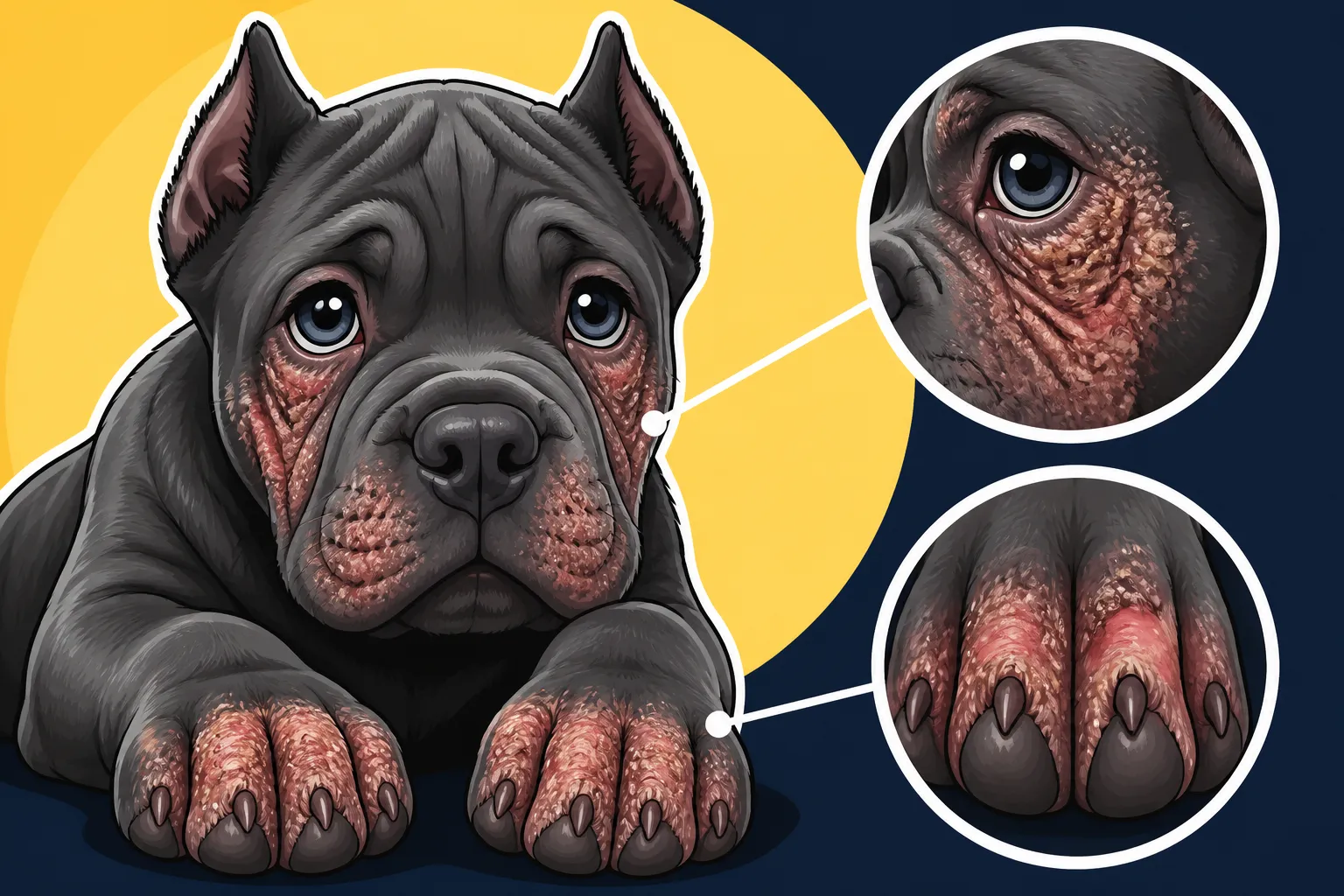
When demodectic mange first takes hold, it very commonly appears on the face. You might notice small, circular patches of hair loss, often starting around your Cane Corso puppy’s eyes, almost like they have “spectacles” of baldness. The skin in these areas may look red, flaky, or slightly thickened. As the condition progresses, these patches can merge and spread to the muzzle, temples, and even behind the ears. The skin can become increasingly irritated, sometimes developing crusts or scabs, especially if the puppy scratches or rubs at the area.
It's truly heartbreaking to see these changes on your puppy's face. They might look perpetually tired or uncomfortable, even though they’re still trying to be their playful selves. The raw, reddened skin can be tender to the touch, making cuddles a little less comfortable for them. Sometimes, these facial lesions can also develop a greasy feel or an unpleasant smell, signaling a secondary bacterial or yeast infection taking advantage of the compromised skin barrier. This is why early intervention is so important; the longer it goes unchecked, the more severe these secondary issues become.
Foot Fright: When Paws Become Problematic
Another common target for mange, particularly the more stubborn forms of demodectic mange, are the paws. This presentation is often referred to as pododemodicosis. You might observe your Cane Corso puppy excessively licking, chewing, or biting at their paws. The skin between their toes, on their paw pads, and around their nails can become red, swollen, and inflamed. The hair might be sparse or completely gone in these areas, and the skin can appear moist, greasy, or even crusty. This constant irritation makes walking uncomfortable and can interfere with their ability to play or even just relax.
The inflammation and intense itching in the paws can be incredibly frustrating for both you and your puppy. Imagine trying to run and play when your feet constantly itch and ache! Left untreated, secondary bacterial infections are almost inevitable in the paws due, to the constant moisture and trauma from licking. These infections can lead to even more swelling, pus, and pain, making simple activities like walking to the yard a chore. Keeping your puppy's paws clean and dry becomes an impossible task when they're relentlessly grooming them, creating a vicious cycle of irritation and infection.
Beyond Face and Feet: Generalized Mange Progression
While mange often starts on the face and feet, it doesn't always stay confined there. When localized demodectic mange spreads to cover larger areas of the body, affecting two or more body parts or an entire region, it's classified as generalized demodectic mange. This indicates a more significant underlying issue with the puppy's immune system. You might start seeing bald patches and skin lesions developing on their trunk, chest, back, and legs. The skin can become thickened, hyperpigmented (darker), and very scaly.
Sarcoptic mange, due to its intensely itchy nature, often causes widespread lesions quickly. The constant scratching and self-trauma lead to large areas of hair loss, redness, and excoriations (scabs from scratching). It's not uncommon for these generalized forms of mange, particularly sarcoptic, to lead to systemic symptoms. Your puppy might become lethargic, lose their appetite, and generally look and act unwell due to the constant discomfort and potential secondary infections. This stage is particularly challenging for owners, as the puppy looks so miserable, and the visual impact can be quite shocking, making you feel completely helpless in the face of their suffering.
The Diagnostic Gauntlet: Getting a Clear Answer from Your Vet
When your Cane Corso puppy is itching or losing hair, your vet visit becomes a crucial step. It's a common experience for owners to feel a mix of hope and frustration during the diagnostic process, especially when initial treatments don't yield immediate results or other conditions mimic mange symptoms. Getting a definitive diagnosis is the only way to ensure the right course of action.
The Dreaded Skin Scrape and Biopsy
The gold standard for diagnosing demodectic mange is the deep skin scrape. This involves gently but firmly scraping the affected skin with a scalpel blade, often after applying a drop of mineral oil, until capillary bleeding occurs. The collected material is then placed on a slide and examined under a microscope for the presence of Demodex mites. While it sounds invasive, it's generally well-tolerated, though your puppy might find it a bit uncomfortable or strange. Sometimes, multiple scrapes are needed from different areas, especially if the mites are deep in the hair follicles or sparse. It's not always a one-and-done process, which can add to owner anxiety, waiting for those definitive results.
For sarcoptic mange, diagnosis can be a bit trickier. The mites are often few in number and can be difficult to find on skin scrapes, even deep ones. Vets may still perform scrapes, but a negative result doesn't always rule out sarcoptic mange. In such cases, your veterinarian might recommend a "therapeutic trial," which means treating for sarcoptic mange based on clinical signs (intense itching, contagious nature) and seeing if the puppy improves. In rare, persistent cases, a skin biopsy might be taken and sent to a veterinary pathologist for examination. This provides a more comprehensive look at the skin architecture and can confirm the presence of mites or other underlying skin conditions, though it's a more involved procedure.
Ruling Out Other Itchy Suspects
One of the most frustrating aspects of skin conditions is how many of them look alike. Your Cane Corso puppy's itching and hair loss could be mange, but it could also be a host of other issues that require different treatments. This diagnostic challenge is why your vet will often perform a thorough physical exam and may suggest additional tests. For example, bacterial skin infections (pyoderma) or yeast infections are common secondary issues with mange, but they can also occur independently and cause similar signs of redness, scaling, and itch. You might notice The Yeast Smell on a Cane Corso's Skin Folds if a yeast infection is present, further complicating the picture.
Allergies are another major mimic. Food allergies, environmental allergies (atopy), or flea allergies can all cause intense itching, redness, and hair loss, particularly on the face, ears, and paws, much like mange. Your vet might discuss Allergy Testing for an Itchy Cane Corso or dietary trials to differentiate these conditions. Even ringworm, a fungal infection, can cause circular patches of hair loss and scaling. It’s important not to get disheartened if your vet initially suggests one thing and then moves on to explore others; they are simply trying to systematically rule out possibilities to get to the correct diagnosis for your unique Cane Corso puppy. This process can be a true test of patience, but it’s critical for your puppy’s well-being. Getting a clear understanding of the specific type of mange, or ruling it out completely, is essential for guiding the appropriate and most effective treatment plan for your Cane Corso, ensuring their immune system can recover properly. We've also delved into more specific aspects of Demodectic Mange on a Young Cane Corso in another post, which might offer further insights.
Charting a Course to Recovery: Effective Treatment for Cane Corso Mange
Once your veterinarian has confirmed a mange diagnosis, the good news is that both demodectic and sarcoptic mange are treatable. The recovery process, however, requires patience, adherence to the treatment plan, and a watchful eye for any changes in your Cane Corso puppy. It's not an overnight fix, but with consistent care, your pup can certainly get back to their happy, healthy self.
Modern Medications and Their Administration
The landscape of mange treatment has vastly improved over the years. For both types of mange, especially sarcoptic, and generalized demodectic mange, the modern go-to treatments are often oral isoxazoline medications such as Bravecto, Simparica, or Nexgard. These medications are highly effective, generally very safe, and extremely convenient, often requiring only a single dose or a few doses over several weeks. They work by targeting the mites' nervous systems, effectively killing them. Many owners find these a huge relief compared to older, more cumbersome treatments.
Historically, treatments for mange, particularly demodectic, involved messy and sometimes toxic dips, or daily doses of ivermectin, which carried risks for certain breeds or individuals. While these older methods might still be used in specific circumstances or regions, the oral isoxazolines have revolutionized treatment due to their efficacy and ease of use. If your Cane Corso puppy has secondary bacterial infections – which are very common with mange due to broken skin and constant scratching – your vet will also prescribe antibiotics. For yeast infections, anti-fungal medications might be added. It’s absolutely vital to complete the full course of all prescribed medications, even if your puppy seems better, to prevent recurrence and ensure all mites are eradicated. These vet visits and medications can add up quickly, but thankfully, pet insurance providers like Healthy Paws can often help alleviate the financial strain of such comprehensive treatment plans.
Supportive Care at Home
Beyond the specific anti-mite medications, supportive care at home plays a huge role in your Cane Corso puppy’s comfort and recovery. Medicated shampoos, often containing benzoyl peroxide or chlorhexidine, can help to clean the skin, remove crusts and debris, and treat secondary infections. Your vet will advise on the appropriate shampoo and bathing frequency. These baths can be a bit of a challenge with a large breed puppy, but they are essential for skin health. After bathing, ensuring your puppy is completely dry is important to prevent further skin issues.
Creating a low-stress environment is also key, especially for demodectic mange, which often has an immune component. Ensure your puppy has a comfortable, clean, and quiet place to rest. Good nutrition is always paramount for a growing Cane Corso, supporting their overall immune health. If your puppy is constantly scratching or licking, an Elizabethan collar (e-collar or "cone of shame") might be necessary to prevent further self-trauma and allow the skin to heal. While your pup might initially protest, this temporary measure can prevent further injury and worsening of secondary infections.
The Long Road to Clear Skin
It's important to set realistic expectations for recovery. Mange doesn't disappear overnight, and it can be a long road, especially with generalized demodectic mange. You might not see significant improvement for several weeks, and full resolution can take months. Your veterinarian will likely schedule follow-up appointments, including repeat skin scrapes, to monitor the mite population and confirm successful treatment. It's not uncommon for mites to still be present even after symptoms improve, which is why continued treatment and follow-up scrapes are so important to confirm a "cure."
For puppies with generalized demodectic mange, your vet might recommend continuing a preventive dose of anti-mite medication for a period, or even recommending spaying or neutering once they are old enough, as hormonal changes can sometimes trigger flare-ups. This lengthy process can feel arduous, but consistency is key. Keep communicating openly with your vet about your puppy’s progress, any new symptoms, or concerns you might have. Knowing what to expect and diligently following the plan will ultimately lead to a healthier, happier Cane Corso.
Beyond Treatment: Preventing Recurrence and Managing Long-Term Health
Beating mange is a huge milestone, but for some Cane Corso puppies, especially those who experienced generalized demodectic mange, the journey isn't quite over. Proactive steps to prevent recurrence and maintain overall long-term health are crucial. It’s about building a robust foundation so your puppy's immune system can keep those pesky mites in check.
Strengthening Immunity: The Key to Preventing Demodex Relapses
Since demodectic mange is primarily an immune-mediated condition, supporting your Cane Corso puppy’s immune system is paramount to preventing future flare-ups. A high-quality, balanced diet specifically formulated for large breed puppies is fundamental, providing all the necessary nutrients without excessive calcium that can harm growing joints. Minimizing stress in their environment, ensuring they have consistent routines, adequate rest, and appropriate exercise helps keep their immune system functioning optimally. Regular veterinary check-ups are also vital to catch any underlying health issues early. We've talked extensively about What Generalized Demodex Says About a Cane Corso's Immunity in other articles, emphasizing the importance of this holistic approach.
For Cane Corsos that have experienced severe or generalized demodectic mange, many veterinarians recommend spaying or neutering them once they are mature enough. While the evidence isn't always clear-cut, hormonal fluctuations can sometimes play a role in immune suppression, and removing these influences can reduce the risk of future relapses. Additionally, any breeding dog with a history of generalized demodex should be removed from a breeding program to avoid passing on a genetic predisposition. Ensuring your puppy is up to date on all their vaccinations, following the appropriate The Shot Schedule Before a Cane Corso Puppy Goes Out, also contributes to overall robust health, reducing the chances of any concurrent illness compromising their immune system further.
Environmental Management for Sarcoptic Mange
If your Cane Corso puppy was diagnosed with sarcoptic mange, prevention of recurrence or spread is more about environmental control and ensuring complete eradication. Since Sarcoptes scabiei mites are highly contagious, thoroughly cleaning and decontaminating your home is essential. This includes washing all bedding, blankets, collars, and toys in hot water. Anything that cannot be washed should be discarded or sealed in plastic bags for several weeks to starve the mites.
It's also critical to consider any other pets in the household. While humans can get a temporary, itchy rash from sarcoptic mites, other dogs are highly susceptible. Your vet might recommend treating all in-contact dogs, even if they aren't showing symptoms, to ensure the mites are completely removed from your living environment. Isolation of the affected puppy during the initial contagious phase is also often advised to prevent further spread. Consistent follow-up with your vet will ensure that both your Cane Corso and your home are entirely mite-free.
Regular Monitoring and Early Intervention
Even after successful treatment, maintaining a watchful eye on your Cane Corso puppy's skin is a smart practice, especially if they had a severe case of mange. Get into a routine of regularly checking their skin, particularly around their face, ears, paws, and armpits, for any signs of redness, flakiness, or new bald patches. Early detection of any new lesions means you can contact your vet quickly and intervene before the condition becomes widespread again. We've also covered The Bald Patches a Cane Corso Puppy Develops in more detail, which can help you recognize early warning signs.
Staying in close communication with your veterinarian is key for long-term management. They might recommend specific supplements or ongoing preventive measures, particularly for puppies with a predisposition to demodectic mange. Understanding the nuances of your Cane Corso's health profile, and how often a healthy Cane Corso sees the vet for routine checks, will empower you to be their best advocate. This proactive approach ensures that any potential relapse is caught and addressed promptly, minimizing discomfort and allowing your Cane Corso to thrive.
The Emotional Toll: Supporting Yourself Through Your Puppy's Mange Journey
It’s easy to focus solely on your Cane Corso puppy’s physical discomfort during a bout of mange, but it’s crucial to acknowledge the emotional toll it takes on you, the owner. Watching your beloved companion suffer, especially a young puppy, can be incredibly stressful, leading to feelings of guilt, frustration, and even helplessness. You are not alone in feeling this way.
Dealing with Guilt and Frustration
One of the most common emotions owners experience when their puppy gets mange, particularly demodectic mange, is guilt. You might find yourself wondering, "Did I do something wrong? Is my puppy getting proper care? Did I miss something?" Please understand that mange is not a reflection of poor care. Demodex mites are present on almost all dogs, and their overgrowth is primarily due to an immature or transiently compromised immune system, not a dirty environment or neglect. It's often simply bad luck or genetics. For sarcoptic mange, while contagious, exposure can happen in many ways beyond your control, such as a brief encounter with an infected dog during a walk.
The frustration can also be immense. The incessant scratching, the unsightly patches, the multiple vet visits, and the sometimes slow pace of recovery can wear you down. You might feel frustrated that your puppy isn't getting better fast enough, or that the diagnosis wasn't immediate. It's a challenging period, and it's okay to acknowledge those feelings. Giving yourself grace and recognizing that you are doing your best for your Cane Corso puppy is vital for your own well-being during this tough time.
Finding Support and Staying Positive
Navigating a puppy's illness can feel isolating, but remember there's a community out there. Connecting with other Cane Corso owners, either online in breed-specific forums or through local groups, can provide invaluable emotional support and practical advice. Sharing your experiences and hearing from others who have gone through similar struggles can be incredibly validating and reassuring. You’ll often find seasoned owners willing to share their tips for managing persistent issues or just lend a sympathetic ear.
Focusing on the small victories can also help maintain a positive outlook. Notice when your puppy scratches a little less, when a patch of hair starts to grow back, or when their energy levels improve. Celebrate these small steps towards recovery. Your positive attitude, as hard as it might be to maintain, can also have a calming effect on your Cane Corso puppy, helping them feel more secure and less stressed, which in turn supports their healing process.
Financial Realities of Treating Mange
Let’s be realistic: managing a severe case of mange, especially if it involves multiple vet visits, diagnostics, various medications, and potential secondary infections, can become surprisingly expensive. The initial consultation, skin scrapes, any necessary antibiotics or anti-fungals, and the anti-mite medication itself can quickly add up. If a therapeutic trial or biopsy is needed, those costs climb further. This financial burden can add another layer of stress to an already difficult situation.
This is where pet insurance can truly be a lifesaver. Companies like Healthy Paws offer policies that can help cover a significant portion of veterinary bills for unexpected illnesses and accidents. Having a policy in place, ideally before your puppy develops any conditions that could be considered pre-existing, can provide immense peace of mind. While Monthly Pet Insurance Premiums on a Cane Corso might seem like another expense, it can prevent you from facing an impossible choice should a serious health issue like generalized mange arise. It's worth researching what different providers cover and how they handle ongoing treatments for conditions like chronic skin issues or even major surgeries like those discussed in Whether Pet Insurance Pays a Cane Corso's Bloat Surgery, as robust coverage is essential for a large breed with specific health considerations. A good insurance plan can allow you to focus on your puppy's recovery without the added worry of prohibitive costs.
When to Act Fast: Emergency Situations and Red Flags
While treating mange is typically a managed process with your vet, there are certain situations where your Cane Corso puppy's condition can escalate rapidly, requiring immediate veterinary attention. Knowing these red flags can literally be life-saving.
Recognizing Severe Secondary Infections
Mange, particularly when skin is broken from scratching, is a prime invitation for secondary bacterial or yeast infections. While many of these are managed with oral antibiotics or anti-fungals, sometimes these infections can become severe or systemic. If you notice your Cane Corso puppy developing pus-filled sores, large areas of weeping skin, a strong foul odor that doesn't improve with medicated baths, or if they suddenly become lethargic, lose their appetite, or develop a fever, these are clear signs of a serious problem.
A localized infection can quickly become widespread and make your puppy very ill, requiring aggressive antibiotic treatment, pain management, and potentially hospitalization. Don't wait to see if these symptoms improve on their own; contact your emergency vet or your regular vet immediately. Systemic infections can lead to sepsis if left untreated, a life-threatening condition. Your keen observation as an owner is crucial here to prevent a worsening crisis.
Sudden Worsening or Lack of Improvement
You've been diligently following your vet's treatment plan, but instead of getting better, your Cane Corso puppy's mange seems to be worsening, or there's absolutely no improvement after a reasonable period (which your vet should define for you). This is a red flag that warrants an urgent re-evaluation by your veterinarian. There could be several reasons for this:
First, the initial diagnosis might have been incomplete or incorrect. Perhaps it's a co-infection, or a different skin condition entirely that wasn't fully addressed. Second, the mites might be resistant to the medication being used, or your puppy isn't absorbing the medication properly. Third, a severe underlying immune issue might be present that requires further investigation. Whatever the cause, a lack of improvement or a rapid decline indicates that the current approach isn't working, and a new strategy is needed promptly. This might involve different diagnostics, different medications, or a referral to a veterinary dermatologist.
Complications from Medications
While modern mange medications are generally safe, like all drugs, they carry a small risk of side effects. For instance, some of the older treatments like ivermectin could cause neurological issues in certain sensitive breeds or at higher doses. Even newer oral medications, while safer, can occasionally cause gastrointestinal upset (vomiting, diarrhea) in some dogs.
If your Cane Corso puppy starts exhibiting unusual symptoms after starting a new mange medication, such as severe vomiting, profound lethargy, muscle tremors, seizures, or significant changes in behavior, contact your veterinarian immediately. It’s important to know what potential side effects to watch for with any medication your vet prescribes and to report anything out of the ordinary right away. Early intervention for drug complications can prevent more serious health problems for your puppy.
Mange Management at a Glance: Demodectic vs. Sarcoptic
To help distinguish and manage these two common forms of mange in your Cane Corso puppy, here's a quick comparison of their key characteristics and typical treatment approaches.
| Feature | Demodectic Mange (Red Mange) | Sarcoptic Mange (Scabies) |
|---|---|---|
| Causative Mite | Demodex canis (cigar-shaped) | Sarcoptes scabiei (round, eight-legged) |
| Contagious? | Generally not contagious to other pets or humans | Highly contagious to other dogs, can cause transient rash in humans |
| Primary Cause | Immature or suppressed immune system, genetic predisposition | Direct contact with infected animal or contaminated environment |
| Key Symptoms | Hair loss (alopecia), redness, scaling, sometimes mild itching. | Intense, unrelenting itching, redness, self-trauma, widespread lesions |
| Common Locations | Face (around eyes, muzzle), feet, elbows, trunk | Ears (especially ear margins), elbows, hocks, abdomen, chest |
| Diagnosis | Deep skin scrape (mites often easy to find) | Deep skin scrape (mites often difficult to find), therapeutic trial |
| Treatment | Oral isoxazolines (e.g., Bravecto), topical meds, antibiotics | Oral isoxazolines (e.g., Simparica, Nexgard), often for all contacts |
| Prognosis | Localized often self-resolves; generalized requires treatment | Excellent with treatment, but intensely uncomfortable beforehand |
| Prevention/Recurrence | Immune support, spay/neuter for generalized, genetic screening | Environmental decontamination, treating all exposed animals |
Disclaimer
The information provided in this article is for general informational purposes only and does not constitute veterinary advice. Always consult with a qualified veterinarian for any health concerns or before making any decisions about your Cane Corso puppy's care or treatment. The health of your pet should be monitored by a professional.