Whether Every Cane Corso Drools the Same
Many Cane Corso owners find themselves constantly wiping up puddles and streams of drool, leading to the assumption that every Cane Corso must be an equally prolific drooler. However, this isn't quite the case. While drooling is definitely a breed trait, the reality is that the amount of drool can vary quite a bit from one Cane Corso to another, depending on their individual physical characteristics, temperament, and even their health. This guide will delve into the nuances of Cane Corso drooling, exploring why some are veritable drool-machines while others are surprisingly neat, and what you can do to manage the slobber in your home.
The Anatomy Behind the Cane Corso Drool
To understand why your Cane Corso might be leaving little (or not so little) snail trails around the house, we need to first look at their unique mouth structure. It's not just about how much saliva they produce, but how well their mouth can contain it.
Understanding the Breed's Unique Mouth Structure
The Cane Corso, like many other Mastiff-type breeds, possesses a distinct head and muzzle shape that contributes significantly to their drooling tendencies. They have broad, powerful jaws and often a relatively deep muzzle. While this strong jawline is a hallmark of the breed and essential for their historical working roles, it also means there's a particular configuration of their lips and mouth that isn't always perfectly sealed. Think of it like a leaky faucet – the water is always flowing, but if the seal isn't tight, it's going to drip. For a Cane Corso, that "seal" is often less than perfect, especially when they are excited or panting. This anatomical reality means that saliva, which is naturally produced to aid digestion and oral health, has an easier escape route than in breeds with tighter, drier mouths.
The Role of Loose Flews in Drool Production
The primary anatomical feature responsible for the characteristic Cane Corso drool is their flews. These are the loose, pendulous lips that hang around their mouth. While they contribute to the breed's imposing and noble appearance, they aren't very efficient at holding in saliva. When a Cane Corso drinks, eats, or gets excited, their salivary glands go into overdrive. In a dog with tighter lips, this excess saliva would largely stay contained within the mouth, eventually being swallowed. However, with the Cane Corso's looser flews, gravity takes over. The saliva collects in the folds of their lips and then, inevitably, drips or slings out, especially when they shake their head or pant heavily. This is why you often see long strings of drool after they've had a big drink of water or are eagerly awaiting their dinner. It's less about them producing more saliva than other breeds, and more about their inability to keep it all in.
Drool as a Natural Canine Function
It’s easy to focus on the mess, but it’s important to remember that drooling itself is a completely natural and essential bodily function for all dogs, including Cane Corsos. Saliva plays several critical roles. It helps to lubricate food, making it easier to chew and swallow, and initiates the digestive process with enzymes. Saliva also helps to clean the mouth, washing away food particles and bacteria, which is a key component of maintaining good oral hygiene. Beyond digestion and cleaning, saliva plays a role in cooling a dog down through panting. When a Cane Corso pants, saliva evaporates from the tongue and mouth, helping to regulate their body temperature. So, while the visual evidence of drool can be a bit much for us humans, for your Cane Corso, it's just their body doing its job. Understanding this can help shift perspective from "gross drool" to "normal physiological process."
Factors That Influence a Cane Corso's Drooling Habits
While all Cane Corsos have the potential to drool due to their breed characteristics, not every individual will be the same. Several factors can either exacerbate or temper their drooling tendencies, making some significantly more "slobby" than others.
Genetic Predisposition and Individual Variation
Just like humans have different nose shapes or hair colors, individual Cane Corsos will have variations in their facial structure, including the tightness or looseness of their flews. Some lines of Cane Corsos might naturally have slightly tighter lips, leading to less visible drooling, while others may carry genes for looser flews, making them more prone to a constant drip. This genetic predisposition means that even within the same litter, you could have pups with noticeably different drooling habits. Observing the parents of a Cane Corso puppy, if possible, can sometimes give you a clue about their potential drooling future. It’s a part of their unique genetic makeup, just like their size or The Cane Corso Study That Followed 232 Dogs. This individual variation means that while one Cane Corso might require a daily slobber towel, another might only drool noticeably when truly excited or overheated.
Excitement, Anticipation, and Stress Triggers
Beyond genetics, a Cane Corso's emotional state plays a huge role in how much they drool. Excitement and anticipation are huge drool triggers. Imagine you're preparing their dinner – the clatter of the food bowl, the rustle of the kibble bag, the scent of their Six to Nine Cups Across Two Cane Corso Meals – all these cues can send their salivary glands into overdrive. It's a physiological response to the expectation of something good. Similarly, when you come home after a long day, or when they're about to go for a walk, that sheer joy and anticipation can lead to a deluge of drool.
Stress and anxiety can also manifest as increased drooling. A trip to the vet, a loud thunderstorm, or even being in an unfamiliar environment can cause some Cane Corsos to drool more than usual. This isn't just about the physical act of panting due to stress; it's a nervous system response. Recognizing these triggers can help you understand when your Cane Corso is most likely to be a drooling machine and allow you to prepare accordingly with extra towels or by offering calming techniques. If you notice a sudden, significant increase in drooling without an obvious external trigger, especially if accompanied by other behavioral changes, it's always wise to consult your vet.
Health Concerns That Can Increase Drooling
While drooling is normal for a Cane Corso, a sudden increase or persistent, excessive drooling (ptyalism) can sometimes signal an underlying health issue. It's important to distinguish between typical breed-related drool and something more concerning.
One common culprit is dental problems. Painful teeth, gum disease, or even a foreign object lodged in the mouth can make a dog drool excessively as their body tries to flush out the irritant or cope with discomfort. The Dental Bill on a Cane Corso With Retained Teeth can be significant, so regular dental checks are crucial. Nausea is another big one; just like humans, dogs can get nauseous, and increased salivation is often the first sign they might vomit. This could be due to an upset stomach, motion sickness, or even something more serious like bloat, which is a major concern for deep-chested breeds like the Cane Corso. You should know The First Sign a Cane Corso Is Bloating immediately if you own this breed.
Other potential causes include ingesting toxins (plants, chemicals, certain foods), certain medications, or even more serious neurological conditions. If your Cane Corso's drooling suddenly changes in quantity, consistency, or odor, or if it's accompanied by other symptoms like lethargy, loss of appetite, difficulty swallowing, or pawing at their mouth, it's time for a visit to the veterinarian. It's always better to rule out a medical issue to ensure your furry friend is healthy and comfortable.
Practical Strategies for Managing Cane Corso Drool
Living with a Cane Corso means accepting a certain level of drool, but that doesn't mean you're powerless. There are plenty of practical steps you can take to manage the mess and keep your home cleaner and your dog more comfortable.
Proactive Cleaning and Hygiene Routines
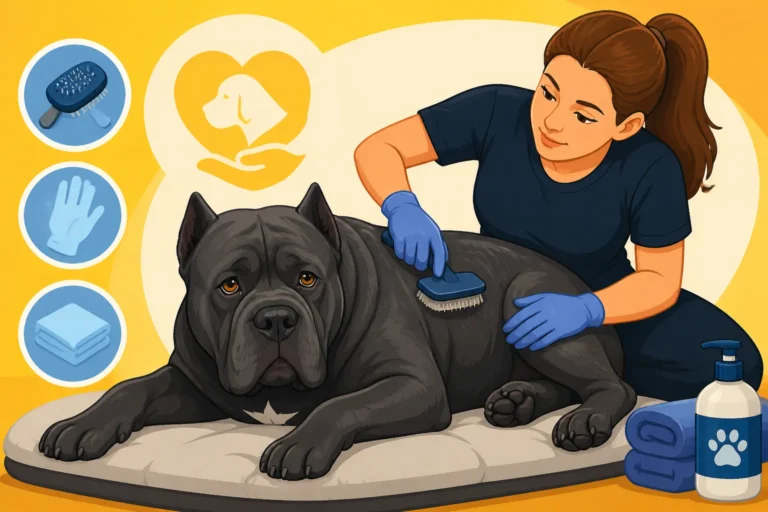
One of the most effective ways to manage drool is through consistent cleaning and hygiene. Investing in a good supply of dedicated "drool rags" or absorbent towels is a must. Keep them strategically placed around the house – by the food bowl, near the front door, and on the sofa – ready for quick deployment. Wiping your Cane Corso's mouth and chin regularly, especially after they eat or drink, can prevent buildup and slinging. This isn't just about aesthetics; accumulated saliva can sometimes lead to skin irritation or a yeasty smell in the folds around their mouth.
For furniture and floors, consider washable covers or throws for sofas and dog beds. For hard floors, a daily damp mop or even a steam cleaner can work wonders. If your Cane Corso has particularly deep jowls, Cleaning the Wrinkles Above a Cane Corso's Nose can become a weekly ritual to prevent irritation and odors. Regular grooming, including gentle wiping of their facial folds, can make a surprising difference in managing the overall drool situation. This routine also gives you an opportunity to check their mouth for any signs of dental problems or irritation.
Dietary Considerations and Mealtime Management
How and what your Cane Corso eats can also influence their drooling. While you might not eliminate drool, you can certainly minimize it at meal times.
- Food Type: Some owners find that certain types of food, particularly those with strong odors or textures, can stimulate more salivation. Experimenting with different high-quality kibbles or even considering a raw or fresh food diet (after consulting with your vet, of course) might make a slight difference for some dogs. Brands like Ollie offer fresh food options, which some owners find can reduce a bit of the drool compared to dry kibble, simply because there's less dust or strong, dry scent. However, it's a highly individual experience, so pay attention to your dog's specific reaction. Whether Fresh Food Is Affordable for a Cane Corso is a consideration, but for some, the reduced drool might be worth it.
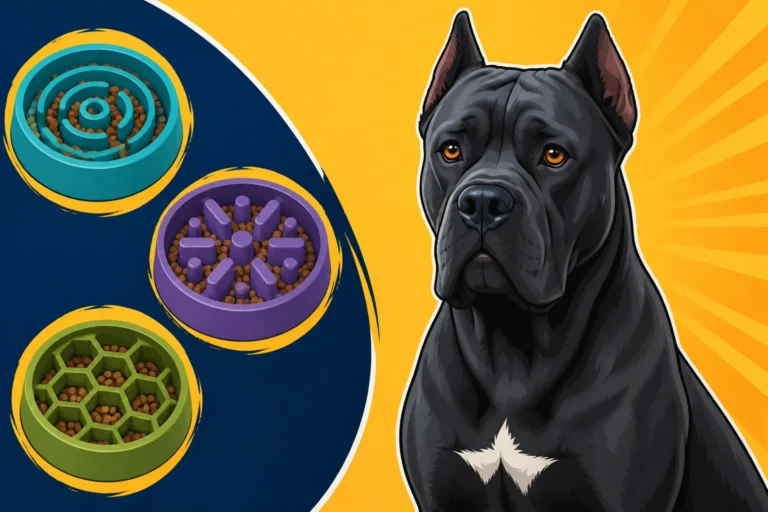
- Eating Habits: Fast eaters tend to be messier eaters, often taking in more air and making more of a slobbery commotion. Using a slow feeder bowl, readily available on platforms like Amazon or Chewy, can encourage your Cane Corso to eat more deliberately, which might lead to less mess around their bowl. Elevated bowls are a common topic of discussion when it comes to bloat, but their impact on drool is negligible. Raised Bowls and a Cane Corso's Bloat Risk is an important consideration, and if you choose an elevated bowl, ensure it's specifically designed for giant breeds to be stable and comfortable for your dog.
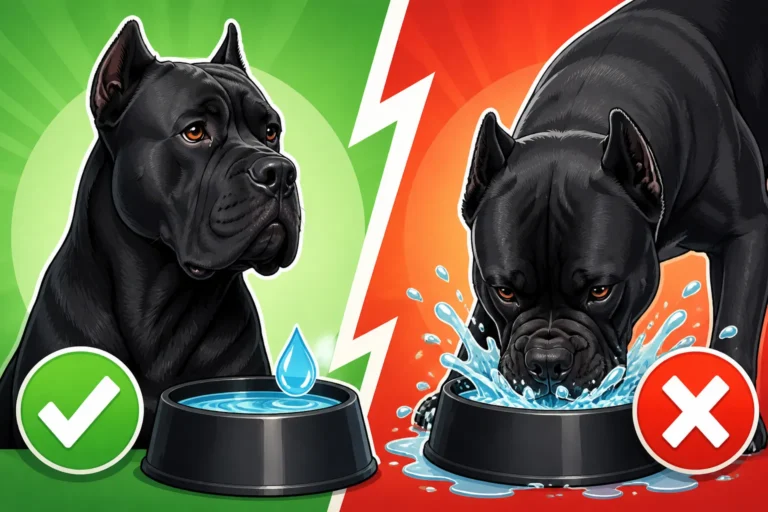
- Water Management: Keep water bowls clean and fresh. Some dogs drool more when their water is stale or dirty. Consider a spill-proof bowl or a water fountain if your dog tends to splash. Placing a mat or towel under the water bowl is a simple but effective way to catch drips. Why a Cane Corso Empties Its Water Bowl by Noon is often due to their sheer size and thirst, so ensuring constant access to fresh water is key, even if it means more wiping.
Addressing Excessive Drooling with Veterinary Guidance
If you've implemented all the basic management strategies and your Cane Corso's drooling still seems excessive, or if it has recently increased dramatically, it's time for a professional opinion. As mentioned earlier, sudden changes in drooling can be a symptom of underlying health issues.
Your veterinarian will conduct a thorough examination, focusing on oral health. They'll check for dental disease, retained puppy teeth, foreign bodies, or any growths in the mouth or throat. They might also check for signs of nausea, gastrointestinal upset, or neurological problems. For instance, The Bill for a Cane Corso's Seizure Workup can sometimes include investigating drooling if it's accompanied by other neurological symptoms, as increased salivation can occasionally be a pre-seizure or post-seizure indicator for some dogs.
Don't hesitate to describe the specifics of the drooling: When does it happen? Is it constant or intermittent? Has the color or consistency changed? Any other accompanying symptoms? Providing detailed information will help your vet pinpoint the cause and recommend the most appropriate course of action, whether it's a simple dental cleaning, medication for an upset stomach, or further diagnostic tests to rule out more serious conditions. It’s always best to be proactive when it comes to your Cane Corso's health, as they are prone to certain health challenges, and catching issues early can make a big difference.
| Drooling Scenario | Common Causes | Management Strategy |
|---|---|---|
| Anticipatory Drool | Food, treats, walks, owner arrival, excitement | Distraction, calm greetings, timed meals; keep towels handy for quick wipes. |
| Exercise-Induced Drool | Overheating, heavy breathing, intense activity | Hydration (fresh water!), rest breaks, appropriate exercise duration; check Cooling a Cane Corso After Hard Work. |
| Stress/Anxiety Drool | Vet visits, thunderstorms, new environments, loud noises | Training, desensitization, calming aids (e.g., pheromone diffusers); consult vet for severe cases. |
| Post-Water Drool | Drinking large amounts, messy drinking style | Use a spill-proof bowl or water fountain; place a mat under the bowl; immediate wipe after drinking. |
| Excessive Constant Drool | Loose flews, dental issues, nausea, foreign object, toxins | Immediate vet check-up to rule out health issues; regular dental care; diet adjustments if food-related. |
While a certain amount of drool is a signature part of sharing your life with a magnificent Cane Corso, it doesn't mean you have to live in a constant state of sticky floors and damp clothing. By understanding the anatomical reasons behind their drooling, recognizing the individual variations and triggers, and implementing consistent management and hygiene routines, you can significantly minimize the mess. And most importantly, always remember that any sudden, drastic change in your Cane Corso's drooling habits warrants a prompt conversation with your veterinarian, just to be on the safe side.
Disclaimer
This article is for general informational purposes only and does not constitute professional advice. Laws, prices and regulations vary by location and change over time. Consult a qualified professional for guidance on your specific situation.