What Collects in a Cropped Cane Corso’s Ear
It’s a common misconception, especially among those new to the breed, that having a Cane Corso with cropped ears means you can just forget about ear care. Many people assume that without those big, floppy ears to trap moisture and dirt, problems will simply disappear. But trust me, as a seasoned Cane Corso owner and blogger, even a perfectly cropped ear canal still collects its fair share of gunk. Understanding what gathers in there, why it happens, and how to properly clean it is absolutely essential for your Cane Corso's health and comfort, and that's exactly what we're diving into today.
Debunking the Myth: Why Cropped Ears Aren't "Self-Cleaning"
When you get a Cane Corso puppy, particularly if it's had its ears cropped, it’s easy to fall into the trap of thinking that ear problems are a thing of the past. The logic seems sound: no heavy ear flap to block air circulation, no dark, moist environment for bacteria and yeast to thrive. While it's true that cropped ears generally reduce the incidence of certain types of ear infections compared to their natural, floppy counterparts, they are far from "self-cleaning." The fundamental anatomy of the ear canal remains the same, regardless of whether the pinna (the external ear flap) is cropped or natural.
The Unchanged Inner Workings
Think of your Cane Corso’s ear as a deep, L-shaped tube. The external ear, whether cropped or natural, is just the entrance to this canal. Cropping removes the outer ear leather, allowing more air to circulate around the opening, which is beneficial. However, the vertical and horizontal ear canals, which dive deep into the skull, are still there, still lined with skin cells, and still producing wax. This internal structure is where the real action happens in terms of debris collection and potential issues.
Imagine a ventilation shaft. Even with a wide-open vent at the entrance, dust and particles can still collect within the shaft itself. Your Cane Corso's ear is similar. The deeper parts of the ear are still a warm, somewhat humid environment, and they are designed to produce earwax to protect the delicate internal structures. This natural process, combined with external factors, means that even a cropped ear needs attention. Don’t let the aesthetic of a cropped ear fool you into neglecting this vital aspect of their care.
Common Culprits: What Actually Gathers in There
So, if cropped ears aren’t immune, what exactly are we talking about when we say "gunk"? It's not always a full-blown infection; often, it's just the normal accumulation of biological and environmental materials that, if left unattended, can lead to bigger problems.
Normal Earwax and Environmental Debris
Just like humans, dogs produce earwax. It’s a natural secretion from glands in the ear canal, designed to trap dust, dirt, and foreign particles, moving them out of the ear naturally. The color and consistency can vary – from a light yellow and slightly waxy texture to a darker brown and more pasty feel. This is usually normal. However, even with cropped ears, this wax can build up.
Beyond natural wax, your Cane Corso is a big, active dog, likely spending a good amount of time outdoors. They roll in the grass, sniff around bushes, dig in the dirt, and generally live a life exposed to the elements. Tiny bits of dirt, dust, pollen, and even stray hairs can easily find their way into the ear canal. If these aren’t dislodged or cleaned out, they can mix with earwax, creating a thicker, more stubborn buildup. Consider a walk through a dusty trail or a romp in a grassy field – it's inevitable that some of that environment will end up near, and in, their ears. The Age a Cane Corso Can Start Real Exercise often means more outdoor exposure, and thus, more potential for environmental debris.
Moisture Trapping and Bacterial Growth
Despite improved airflow, moisture can still get trapped deep within the ear canal. This is especially true after baths, swimming sessions, or even just high humidity. If water gets in and doesn't evaporate completely, it creates a wonderfully damp breeding ground for bacteria. While cropped ears reduce the overall likelihood of this compared to floppy ears, it’s not eradicated. A small amount of trapped moisture, combined with the natural warmth of the body, can quickly turn into a bacterial party.
You might notice a slight, faint odor that wasn't there before, or a bit more discharge than usual. This is often the first sign of bacteria starting to proliferate. It’s a subtle shift from normal, healthy earwax to something a bit more concerning. This is where consistent, gentle cleaning becomes your best defense.
Yeast Overgrowth
Ah, yeast. The bane of many a dog owner's existence. Yeast is a type of fungus that is a normal inhabitant of a dog's skin and ears. In small amounts, it causes no problems. However, given the right conditions – warmth, moisture, and a food source (like earwax) – yeast can multiply rapidly, leading to an overgrowth. This is often triggered by changes in diet, allergies, or an underlying immune issue.
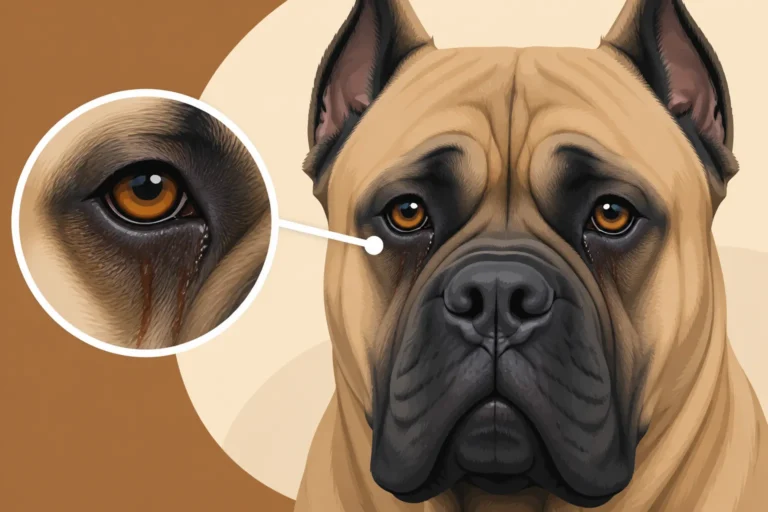
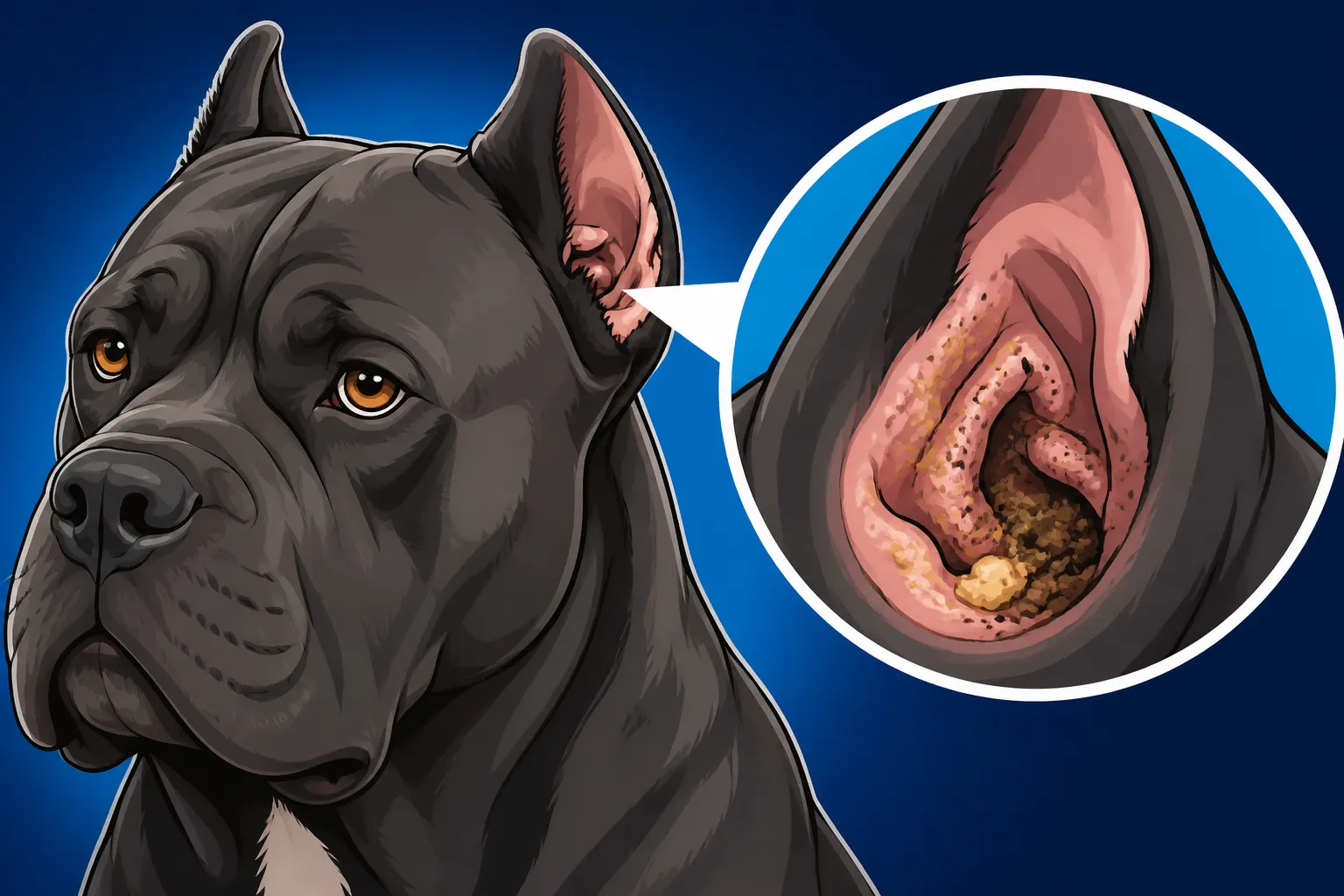
A yeast infection in a Cane Corso’s ear often presents with a very distinct, sweet, almost bread-like or cheesy odor. The discharge tends to be dark brown, sometimes tar-like, and can be quite greasy. Your dog might also be scratching at their ears or shaking their head more frequently. If you notice a strong, yeasty smell emanating from their ears, it's usually a clear sign that the normal ear microbiome is out of balance. This is similar to The Yeast Smell on a Cane Corso's Skin Folds which can indicate a broader issue.
Recognizing Trouble: Signs Your Cane Corso's Ears Need Attention
Knowing what to look for can make all the difference in catching ear issues early. Your Cane Corso can’t tell you their ears are bothering them, so you need to be their detective. Regular visual and olfactory checks are paramount.
Smell and Discharge Clues
One of the first and most obvious signs of a problem in your Cane Corso’s ear is a change in smell. Healthy ears should have a very faint, almost neutral scent. If you catch a whiff of anything foul, sweet, yeasty, or even a bit metallic, it’s time for a closer inspection. This unpleasant odor is often the calling card of bacterial or yeast infections.
Coupled with smell, changes in discharge are a huge red flag. A small amount of light brown or yellowish wax is usually normal. However, if you see any of the following, pay close attention:
- Dark brown or black, greasy discharge: This often points to a yeast infection. It can look like coffee grounds or tar.
- Yellow, green, or pus-like discharge: A strong indicator of a bacterial infection. This usually comes with a more pungent, foul smell.
- Bloody discharge: This could signal trauma, parasites, or a more serious infection.
- Excessive discharge: Regardless of color, if there's a lot more than usual, something isn't right.
It's also worth noting how quickly the discharge accumulates. If you clean the ear and it's full of gunk again within a day or two, that's definitely a sign of an active problem.
Physical and Behavioral Indicators
Beyond what you see and smell, your Cane Corso will often give you physical and behavioral cues if their ears are bothering them. These can be subtle at first, but become more pronounced as the discomfort grows.
- Head shaking: This is a classic sign of ear irritation. If your Cane Corso is repeatedly shaking their head, especially after waking up or a walk, it's worth investigating.
- Ear scratching: Frequent or intense scratching at the ears with a paw is another strong indicator. Watch for redness or skin irritation around the ear opening from the scratching.
- Rubbing ears on furniture or the ground: Some dogs will try to alleviate the itch by rubbing their ears on carpets, furniture, or even dragging their head along the ground.
- Pain or sensitivity: If your Cane Corso flinches, whines, or pulls away when you touch their ear, or if the ear feels warm to the touch, they are likely experiencing pain.
- Redness or swelling: A healthy ear canal should be a pale pink. Any redness, swelling, or inflammation around the ear opening or inside the canal itself is a sign of irritation or infection.
- Holding head to one side: If they constantly tilt their head, especially towards one ear, it can indicate discomfort or a sense of imbalance caused by an inner ear issue.
Keeping a close eye on these signs, even for a breed with "easier" cropped ears, is part of being a responsible owner. Ignoring them can quickly escalate a minor irritation into a painful, difficult-to-treat infection. The Weekly Ear Check a Cane Corso Owner Should Do is a great habit to adopt to catch these things early.
The Cleaning Routine: How to Keep Those Cropped Ears Pristine
Once you understand what collects in a cropped Cane Corso's ear and how to spot problems, the next step is establishing a good cleaning routine. This isn’t about deep-diving with cotton swabs; it’s about gentle, regular maintenance.
Gathering Your Supplies
Before you start, make sure you have everything you need within arm's reach. Trying to wrangle a large Cane Corso while scrambling for supplies is a recipe for disaster (and a messy one at that!).
Here’s your essential toolkit:
- Vet-approved ear cleaner: This is non-negotiable. Do NOT use rubbing alcohol, hydrogen peroxide, or water alone. These can irritate the delicate ear canal, dry out the skin, or even promote more growth of certain microbes. Look for gentle, pH-balanced, drying formulas specifically designed for dogs. Many excellent options are readily available from online retailers like Chewy and Amazon. Always consult your vet for a recommendation, especially if your dog has sensitive skin or a history of infections.
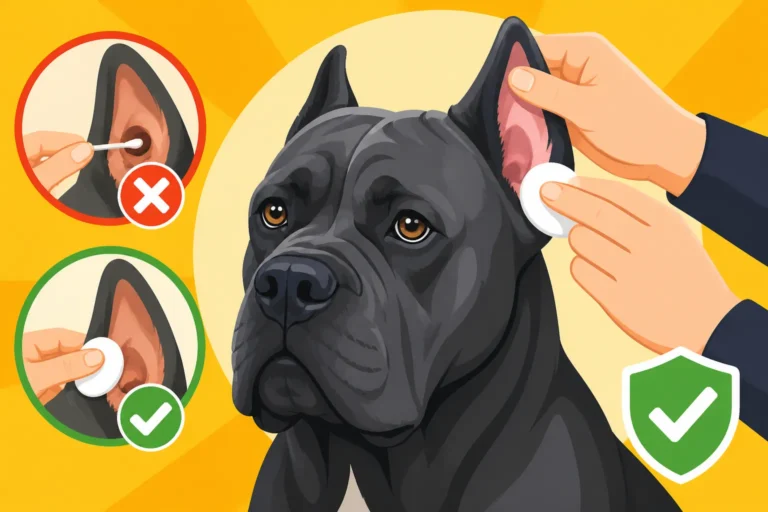
- Cotton balls or gauze pads: You’ll need plenty of these for wiping and absorbing. Avoid cotton swabs (Q-tips) as they can push debris further into the ear canal or injure the eardrum.
- Treats: High-value treats are your secret weapon for making this a positive experience for your Cane Corso.
- A quiet space: Choose an area where your dog feels comfortable and there are minimal distractions.
The Step-by-Step Cleaning Process
Approach this calmly and confidently. Your Cane Corso will pick up on your energy. If you're nervous, they'll be nervous too.
- Examine the ear: Gently lift and inspect the ear canal opening. Note any redness, swelling, unusual odor, or discharge. This is your baseline for knowing if there's a problem or if it's just routine maintenance.
- Apply the cleaner: Hold the ear flap up to expose the ear canal. Gently insert the tip of the ear cleaner bottle into the opening of the ear canal. Do not jam it in. Squeeze a generous amount of solution into the ear until the canal is full. You'll hear a squishy sound.
- Massage the base of the ear: This is crucial. With the cleaner in the ear, gently massage the base of your Cane Corso's ear for about 30 seconds. You should hear that satisfying squishy sound as the cleaner loosens wax and debris. This part feels good to many dogs!
- Allow them to shake their head: After massaging, stand back and let your Cane Corso shake their head. This helps to dislodge and bring up the cleaner, along with all the loosened gunk. Be prepared for some spray – this is why a quiet, easily cleaned space is a good idea.
- Wipe the outer ear: Take a clean cotton ball or gauze pad and gently wipe out the visible parts of the ear canal and the outer ear flap. Do not go deeper than your finger can comfortably reach. You'll be amazed at what comes out! Repeat with fresh cotton balls until no more visible dirt or wax appears.
- Reward: Immediately follow up with lots of praise and those high-value treats. Make it clear that this was a good experience.
Frequency and Considerations
How often should you clean your cropped Cane Corso’s ears? It really depends on the individual dog and their environment.
- General maintenance: For most healthy Cane Corsos with cropped ears, a cleaning every 2-4 weeks is sufficient.
- After swimming or baths: If your Cane Corso loves to swim or just had a bath, it's a good idea to use a drying ear cleaner afterward to help prevent moisture from getting trapped.
- Allergy sufferers: Dogs with allergies may produce more wax or be more prone to yeast infections. They might need more frequent cleaning, perhaps once a week, especially during allergy season.
- Signs of irritation: If you notice any of the warning signs discussed earlier (odor, discharge, scratching), increase cleaning frequency temporarily, or consult your vet.
Remember, the goal is to maintain clean ears, not to constantly strip them of their natural protective wax. Over-cleaning can be just as detrimental as under-cleaning by causing irritation. Cleaning a Cane Corso's Ear Without Going Deep reinforces this gentle approach.
When to Call the Vet: Beyond Home Care for Cropped Ears
Even with the best at-home care, there will be times when your Cane Corso’s ear issues are beyond what you can manage. Knowing when to escalate to professional veterinary care is critical to preventing serious complications.
Persistent Symptoms Despite Home Care
If you've been diligently cleaning your Cane Corso's ears, but the symptoms persist or worsen, it's a clear signal to call the vet. This includes:
- Ongoing head shaking or scratching: If the discomfort isn't diminishing after a few days of increased cleaning, there's likely an underlying issue.
- Persistent foul odor or discharge: If the ear gunk keeps reappearing quickly, or the smell remains strong even after cleaning, you need professional diagnosis.
- Redness or inflammation that doesn't improve: These are signs of active irritation or infection that requires targeted treatment.
- Increased pain or sensitivity: If your dog becomes more reluctant to have their ears touched, or shows signs of pain, don't delay.
These symptoms often indicate a full-blown infection (bacterial, yeast, or both) that requires prescription medication, like antibiotic or antifungal ear drops, which only a vet can provide. Attempting to treat a confirmed infection with over-the-counter cleaners will only prolong your dog's discomfort and make the infection harder to clear.
Signs of Deeper Infection or Other Issues
Certain signs immediately warrant a vet visit, regardless of your cleaning efforts. These point to more serious problems that could affect hearing or overall health.
- Swelling of the ear canal or ear flap: Significant swelling could indicate a severe infection, an allergic reaction, or even an aural hematoma (a blood blister within the ear flap that needs drainage).
- Bleeding from the ear: Any blood in the ear canal is concerning and needs immediate veterinary attention to determine the cause and prevent further damage.
- Loss of balance or coordination: If your Cane Corso seems dizzy, walks in circles, or shows a head tilt that is more severe than usual, it could indicate an inner ear infection, which can be very serious and painful.
- Reluctance to eat or lethargy: Ear infections, especially severe ones, can make a dog feel unwell and even cause a fever. If your Cane Corso is otherwise acting sick, connect it to the ear issue.
- Foreign objects: If you suspect a foreign object, like a grass awn (foxtail), is lodged deep in the ear canal, do NOT try to remove it yourself. You could push it deeper or cause damage. Vets have specialized tools to safely extract these.
Regular check-ups, even for cropped ears, are part of How Often a Healthy Cane Corso Sees the Vet. Your vet can quickly identify issues that might be invisible to the untrained eye and provide the appropriate course of action. They can also discuss preventative measures like specific medicated washes if your Cane Corso is particularly prone to recurrent issues, saving you from The Vet Bill for a Cane Corso's Recurring Ear Infection down the line.
Here's a quick reference table to help differentiate between normal ear gunk and signs of trouble:
| Characteristic | Normal Ear | Signs of Trouble (Vet Needed) |
|---|---|---|
| Odor | Faint, neutral | Strong, foul, yeasty, sweet, metallic |
| Discharge Color | Light brown, yellowish | Dark brown/black, yellow, green, pus-like, bloody |
| Discharge Volume | Minimal, small amount of wax | Excessive, constant accumulation |
| Consistency | Waxy, slightly moist | Greasy, wet, thick, watery, crusty |
| Dog's Behavior | No scratching, no head shaking, tolerant of touch | Frequent head shaking, persistent scratching, rubbing, painful to touch |
| Ear Canal Color | Pale pink | Red, inflamed, swollen |
| Other Symptoms | None | Head tilt, loss of balance, lethargy, fever, swelling, bleeding |
By keeping a close watch on your cropped Cane Corso's ears and acting quickly when you notice any of these red flags, you’ll be doing your part to ensure their comfort and long-term health. Don’t let the myth of "maintenance-free" cropped ears lead to unnecessary pain for your beloved companion!
Disclaimer
This article is for general informational purposes only and does not constitute professional advice. Laws, prices and regulations vary by location and change over time. Consult a qualified professional for guidance on your specific situation.