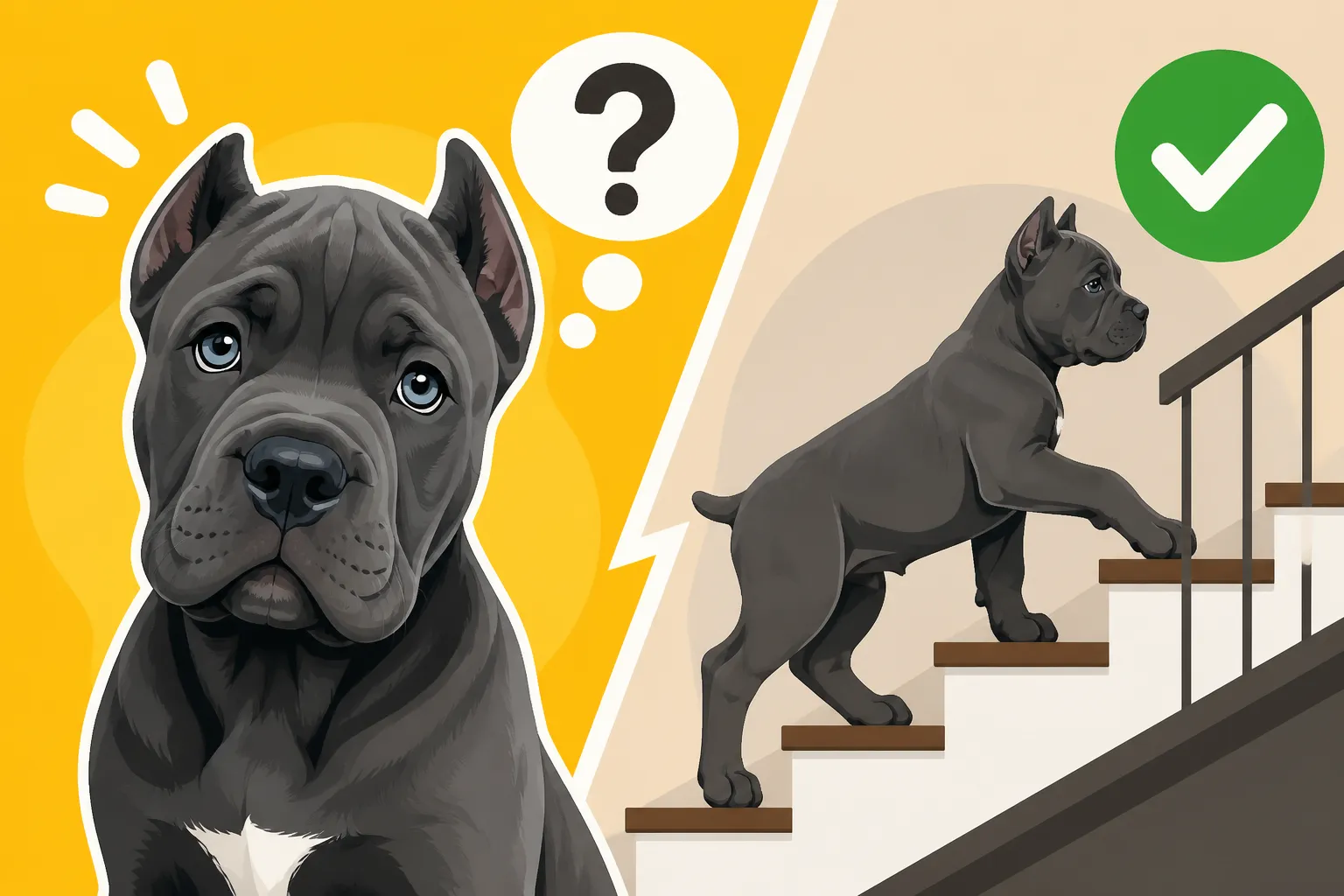
Whether a Cane Corso Puppy Should Climb Stairs
Bringing home a Cane Corso puppy is an incredibly exciting time, full of dreams of a loyal, majestic companion. But with that excitement often comes a whole lot of worry, especially when you start looking at the everyday environment of your home and suddenly realize those stairs, which were never an issue before, now look like Mount Everest for your little giant. Many new owners stress over whether allowing their rapidly growing Cane Corso puppy to navigate stairs will harm their delicate, developing joints. This guide aims to clear up that anxiety and provide practical, empathetic advice on managing stairs and promoting healthy growth for your beloved puppy.
The Delicate Dance of Puppy Growth and Joint Health
When you look at a Cane Corso puppy, you're not just seeing a cute fluffball; you're seeing a creature in the midst of an incredible growth spurt. Their bones and joints are undergoing rapid, complex development, making them particularly vulnerable to certain types of stress. It's a critical period that sets the stage for their long-term health, and understanding this vulnerability is key to responsible ownership.
Why Rapid Growth is a Double-Edged Sword
Cane Corsos, like all large and giant breeds, experience an astonishing rate of growth in their first year to year and a half. Their bones aren't just getting longer; they're also widening and strengthening, and this happens at what are called "growth plates." These growth plates are areas of cartilage at the ends of long bones that eventually harden into solid bone. Until they're fully closed, which can be as late as 18-24 months in a Cane Corso, these plates are softer and much more susceptible to injury than mature bone. Think of them as open construction sites on the skeletal system, easily damaged by excessive force or repetitive impact.
The sheer mass your Cane Corso puppy is putting on exacerbates this. A small toy breed might gain a few pounds; your Corso is gaining several pounds a week. All that extra weight places additional stress on these still-developing joints and growth plates. If you couple this rapid weight gain with high-impact activities, the risk of conditions like hip and elbow dysplasia, or even just soft tissue injuries, significantly increases. It's not about preventing growth, but about managing how that growth occurs, ensuring it's steady and supported, not rushed or stressed. This is why careful management of their environment and activity levels is so crucial during this formative period.
The Impact of High-Impact Activities on Immature Joints
So, what does this mean for stairs? Climbing and descending stairs involve repetitive, high-impact forces on a puppy's joints. Going up requires pushing off with the hind legs, putting strain on the hips and stifles (knees), while going down places significant pressure on the front elbows and shoulders as the puppy braces its weight. Imagine a heavy, rapidly expanding structure with still-soft foundations trying to navigate a series of small, steep cliffs multiple times a day. Each step is a micro-trauma, and when repeated, these micro-traumas can accumulate.
This isn't to say a single trip up or down the stairs will doom your puppy. It's the cumulative effect of frequent, uncontrolled stair use that poses a risk. Over time, this stress can lead to inflammation, micro-fractures in the growth plates, or abnormal development of the joint itself. For a breed already genetically predisposed to conditions like hip and elbow dysplasia, adding this kind of stress is like rolling the dice with their future soundness. The goal is to protect those vulnerable joints during their most critical developmental period to give them the best chance at a long, active life. Hip Dysplasia in a Fast Growing Cane Corso and Elbow Dysplasia and a Cane Corso's Front End are serious concerns for these big dogs.
Navigating the Staircase Dilemma with Your Cane Corso Puppy
Okay, so we know stairs are a potential problem. But how do you actually manage them with a growing, energetic Cane Corso puppy who probably thinks every new challenge is a fun game? It comes down to a combination of practical strategies and, sometimes, a bit of creative problem-solving. It's not always easy, especially if you live in a multi-story home, but it's absolutely worth the effort for your puppy's long-term health.
Minimizing Stair Use: Practical Strategies
The golden rule here is simple: if you can avoid it, do. For the first few months, ideally until your Cane Corso puppy is at least 4-6 months old, and even longer if possible, try to keep them off stairs as much as you can. This is easier said than done, I know!
One of the most effective methods is baby gates. Yes, those little barriers aren't just for human toddlers; they're lifesavers for puppy-proofing your home. Install sturdy, tall baby gates at the top and bottom of every staircase. This creates a physical barrier that prevents unsupervised access. You might need to invest in pressure-mounted gates for temporary use or hardware-mounted gates for more permanent solutions, especially at the top of stairs for safety. Remember, a Cane Corso puppy grows fast and gets strong quickly, so those flimsy gates won't hold up for long. Look for ones designed for large breeds or even children's gates with extra height and reinforced construction.
Another strategy, particularly in the early weeks, is carrying your puppy. This might sound adorable when they're 15 pounds, but as they balloon to 30, 50, then 70+ pounds, it becomes a serious workout! If you have multiple flights of stairs, or a particularly heavy pup, consider limiting their access to a single floor during the day. If your bedroom is upstairs, for example, but the main living area is downstairs, you might choose to sleep on the main floor with your puppy in a crate for a while, or manage the carrying routine for bedtime and morning potty breaks. A safe, secure crate is invaluable for managing your puppy's access to different areas of the house and for promoting house training. Crate Training a Cane Corso That Outgrows Every Crate can give you some tips on that.
Finally, leash guidance can be helpful. If you absolutely must use stairs with your puppy, always do so on a leash. This allows you to control their pace and prevent them from bounding up or down. Teach them to go slowly, one step at a time, using treats as lures. While this is better than free-for-all sprinting, it's still best kept to a minimum during the critical growth period. The less controlled, ballistic movement on stairs, the better for those developing joints.
When Stairs are Unavoidable: Safe Practices
Sometimes, completely avoiding stairs just isn't realistic. Maybe you live in a townhouse, or your vet's office is up a flight of steps. When stairs are unavoidable, it's about minimizing the risk as much as possible.
First, slow and steady wins the race. Never let your Cane Corso puppy rush or leap up or down stairs. Encourage them to take it one step at a time. Use a leash and gentle guidance, rewarding calm, controlled movement. It’s a great opportunity for some impulse control training! Teach them to sit at the bottom or top and wait for your cue before proceeding. This controlled ascent and descent reduces the impact significantly. You might even find yourself carrying them part-way if they're particularly small or hesitant.
Consider ramps as an alternative to stairs where feasible. While not practical for indoor staircases, if you have outdoor steps leading to a deck or a few steps into your home, a sturdy ramp can be a fantastic investment. Make sure it's wide enough, has good traction, and is stable enough to support your growing Cane Corso's weight. Ramps can also be incredibly useful for getting them into and out of vehicles, which presents its own joint stresses. Teaching a Cane Corso Not to Leap From the Truck talks about this very issue. You can often find durable, large-breed suitable ramps on sites like Amazon or Chewy.
Another important aspect is surface traction. Slick stairs, whether polished wood or smooth tile, can be treacherous for any dog, let alone a clumsy puppy. The lack of grip forces them to splay their legs or slip, putting undue stress on joints. If your stairs are slick, consider adding non-slip treads or carpet runners. This not only makes it safer for your puppy but for everyone in the household. It might not be the aesthetic you envisioned, but your puppy's health is far more important.
Beyond Stairs: Comprehensive Joint Care for Your Growing Cane Corso
Focusing on stairs is just one piece of the puzzle when it comes to supporting your Cane Corso's joint health. A holistic approach that includes proper nutrition, controlled exercise, and proactive veterinary care will give your puppy the very best start in life. Remember, a Cane Corso puppy's long-term mobility and comfort are heavily influenced by the care they receive during their rapid growth phase.
The Role of Nutrition in Joint Development
This is where many new Cane Corso owners can inadvertently make mistakes, often with the best intentions. Feeding a large breed puppy isn't the same as feeding a small one. The biggest misconception is that more food, or higher protein, equals faster, stronger growth. For a Cane Corso, this can actually be detrimental.
Choose a high-quality, large-breed specific puppy food. These formulas are specially designed with a balanced calcium-to-phosphorus ratio and controlled calorie content to promote slow, steady growth. Too much calcium or an imbalance can interfere with proper bone mineralization, while too many calories can lead to rapid weight gain, putting excessive strain on those developing growth plates and joints. Brands like Purina Pro Plan Large Breed Puppy or Royal Canin Giant Puppy formulas are often recommended, and you can usually find them on Chewy with convenient home delivery. Why a Cane Corso Puppy Needs Giant Breed Food delves deeper into this.
Avoid overfeeding at all costs. It can be tempting to let your puppy have an extra scoop because they're always hungry, but a chunky Cane Corso puppy is not a healthy Cane Corso puppy. Maintaining a lean body condition is paramount. You should be able to easily feel their ribs without seeing them, and they should have a discernible waist when viewed from above. Follow the feeding guidelines on your chosen food, but always adjust based on your puppy's individual activity level and body condition. If you're unsure, your veterinarian is the best resource for tailoring a feeding plan. Why a Chunky Cane Corso Puppy Risks Its Elbows explains the dangers in more detail.
Controlled Exercise and Weight Management
Exercise is crucial for a Cane Corso, but controlled exercise during puppyhood is the key phrase. This isn't the time for long runs, intense agility training, or hours of rough play at the dog park. Their joints simply aren't ready for that kind of stress.
Short, frequent, low-impact exercise is the way to go. Think multiple short walks a day on soft surfaces like grass, rather than one long trek on pavement. Free play in a securely fenced yard, where they can self-regulate their activity, is excellent. However, avoid excessive jumping, sudden stops and starts, or forced running during this delicate period. As a general rule of thumb, you can gauge appropriate exercise time by the "five minutes per month of age" guideline – so a three-month-old puppy might get 15 minutes of structured walking, a few times a day.
Maintaining a lean weight cannot be overstated. Every extra pound on a growing Cane Corso puts additional stress on their joints. Regular weigh-ins and body condition checks are essential. If your puppy starts looking a bit pudgy, consult your vet immediately to adjust their diet and exercise regimen. Early intervention here can prevent a lifetime of joint issues. This focus on leanness should continue through adulthood to prolong joint health. Why a Lean Cane Corso Keeps Its Hips Longer is an excellent resource on this.
Early Vet Consultations and Preventive Measures
Your veterinarian is your most important partner in ensuring your Cane Corso puppy grows into a healthy adult. Regular check-ups are more than just vaccinations; they're opportunities to discuss growth, nutrition, and joint health.
Discuss growth milestones with your vet at every visit. They can assess your puppy's body condition score, monitor their weight gain, and advise if they are growing too quickly or slowly. Don't hesitate to bring up any concerns about gait, stiffness, or reluctance to move. Early detection of any issues can significantly improve outcomes.
Consider joint supplements, but always with vet guidance. While not a magic bullet, some owners opt for joint supplements containing ingredients like glucosamine, chondroitin, or MSM, sometimes from a young age. However, these should never replace proper diet and controlled exercise, and should only be introduced under the guidance of your veterinarian. What works for one dog might not be appropriate for another, and over-supplementation can sometimes be harmful. Products like those offered by brands such as Ollie or specific supplements found on Chewy or Amazon are available, but always discuss them with your vet first to ensure they are beneficial and appropriate for your individual puppy.
Screening for genetic conditions is also crucial. Responsible breeders will have already screened the parents for common genetic conditions like hip and elbow dysplasia, as well as specific DNA diseases relevant to the breed. Make sure you understand these clearances and what they mean for your puppy. While clearances on parents don't guarantee a puppy will be perfectly clear, they significantly reduce the risk. This proactive approach to health, combined with careful management during growth, gives your Cane Corso the best possible foundation for a long, happy, and healthy life. The Two DNA Diseases in Cane Corso Pedigrees covers some of these critical screenings.
Here's a quick comparison of activities for your growing Cane Corso:
| Activity Type | Recommended for Young Cane Corso Puppies (Up to 12-18 months) | Risks Involved | How to Manage Safely |
|---|---|---|---|
| Stair Climbing | Minimal to none | High impact on growth plates, increased risk of dysplasia, soft tissue injury | Carry when possible, use baby gates, leash guide slowly if unavoidable, add non-slip treads |
| Running on Pavement | Minimal | High impact, jarring on joints, paw pad damage | Stick to soft surfaces (grass, dirt trails), keep sessions short, avoid forced running |
| Jumping/Leaping | Minimal | Extreme stress on joints, potential for sprains, fractures | Discourage jumping off furniture/vehicles (use ramps), avoid high jumps in play |
| Rough Play with Other Dogs | Controlled, supervised | Risk of accidental injury, overexertion | Supervise play, intervene if too rough, ensure playmates are size-appropriate and gentle |
| Long Walks (30+ min) | Gradual increase with age | Overexertion, fatigue, repetitive stress | Start with short, frequent walks; increase duration slowly as they mature |
| Swimming | Highly recommended | Minimal risk, great for muscle development without joint impact | Supervise closely, ensure safety (life vest if needed), gradual introduction |
| Free Play in Yard | Recommended (self-regulated) | Risk of overdoing it if highly energetic, sharp turns on slick surfaces | Ensure yard is secure, surface is safe, monitor for signs of fatigue |
Disclaimer
This article is for general informational purposes only and does not constitute professional advice. Laws, prices and regulations vary by location and change over time. Consult a qualified professional for guidance on your specific situation.