The Nine Year Median Behind a Cane Corso’s Lifespan
It's heartbreaking to consider that the incredible bond we form with our Cane Corsos often comes with the painful reality of their relatively shorter lifespans. Many new owners are surprised to learn that these magnificent dogs, despite their robust appearance, have a median lifespan that often doesn't reach double digits. This guide aims to shed light on the nine-year median lifespan commonly associated with the Cane Corso, exploring the crucial factors that influence it and offering insights into how you can potentially help your cherished companion live a full, healthy life.
Understanding the Cane Corso Lifespan: The 9-Year Median
When we talk about a "median lifespan," it's not a hard and fast rule, but rather a statistical average. For Cane Corsos, studies and owner reports consistently point to a median lifespan of around nine years. This number can feel devastatingly short for a dog that brings so much love and loyalty into our homes, and it’s a reality many prospective owners aren't fully prepared for. It means that while some Corsos might live longer, perhaps to eleven or twelve, an equal number will likely pass away before reaching that nine-year mark.
What the Median Lifespan Truly Implies for Owners
Understanding the median is crucial because it helps set realistic expectations. It’s not about predicting the exact day your dog will leave you, but about recognizing that your time with your Cane Corso, while incredibly rich, is precious and often finite. This knowledge encourages a more proactive approach to their health and well-being. It prompts us to cherish every moment, invest in quality care, and be vigilant about potential health issues from puppyhood right through their senior years. The journey with a Cane Corso is intense and rewarding, and recognizing this median allows us to make the most of the years we are given.
Imagine bringing home a vibrant, playful Cane Corso puppy, full of boundless energy and curiosity. You envision years of hiking adventures, lazy afternoons, and steadfast companionship. When you learn that the median lifespan is only nine years, it can be a stark reminder to focus on making every single day count. It’s about building a strong foundation of health, not just for longevity, but for the quality of life within that timeframe. For more specific insights into these studies, you might want to read about The 9.3 Year Median From the Cane Corso Longevity Study.
The Data Behind the Numbers: Research and Owner Reports
The nine-year median isn't just a guess; it's derived from various studies, including one notable longevity study that tracked hundreds of Cane Corsos. These studies analyze veterinary records, causes of death, and the age at which dogs passed away, providing a comprehensive statistical picture. Beyond formal research, the collective experience of Cane Corso owners and breed clubs also consistently reinforces this average. While individual dogs will always defy statistics, these numbers serve as a vital guide for understanding breed-specific health trends and potential challenges.
For example, large breed dogs generally have shorter lifespans than smaller breeds, and mastiff-type dogs, like the Cane Corso, are no exception. Their rapid growth rates, sheer size, and genetic predispositions contribute to a higher incidence of certain health conditions that can significantly reduce their years. Recognizing this isn't meant to cause despair, but rather to empower owners with knowledge to advocate for their dog's health at every stage of life.
Factors Influencing Longevity: Beyond Just Good Genes
While genetics play a foundational role in any dog's lifespan, they are certainly not the sole determinant for a Cane Corso. Environmental factors, daily care, nutrition, and proactive veterinary intervention all weave together to create the tapestry of a dog's life. Understanding these influences can help owners make informed decisions that promote not just survival, but thriving.
The Role of Genetics and Responsible Breeding Practices
A well-bred Cane Corso from health-tested parents has a better chance at a longer, healthier life. Responsible breeders diligently screen their dogs for common breed ailments like hip and elbow dysplasia, certain eye conditions, and cardiac issues. They understand the impact of genetic predispositions and strive to produce puppies that are as genetically sound as possible. If you're considering a puppy, asking about the health clearances of both parents – not just anecdotes, but actual certifications like OFA or PennHIP – is absolutely critical.
Ignoring these genetic factors is like building a house on a shaky foundation. Even with the best care, a dog predisposed to severe genetic conditions might face a more challenging and potentially shorter life. It's a tough truth, but one that emphasizes the importance of choosing a reputable breeder who prioritizes health above all else. Learning about The Two DNA Diseases in Cane Corso Pedigrees can offer deeper insights into this aspect.
Nutrition, Exercise, and Weight Management
What you feed your Cane Corso, how much exercise they get, and maintaining a healthy weight are enormous factors in their overall longevity. Overfeeding a rapidly growing Cane Corso puppy can lead to accelerated growth, which in turn places undue stress on developing joints, predisposing them to issues like hip and elbow dysplasia later in life. A lean body condition throughout life, particularly as they age, significantly reduces the burden on their joints, heart, and other organs.
Similarly, appropriate exercise is vital. While Cane Corsos are powerful dogs, they aren't built for endless miles of running on hard pavement, especially in puppyhood. Balanced activity that strengthens muscles without overstressing joints is key. Think structured walks, swimming, and mental stimulation. An overweight Cane Corso is at a higher risk for diabetes, heart disease, and severe joint pain, all of which can drastically cut short their time with you. This is why paying attention to What Extra Weight Does to a Cane Corso's Hips is so vital.
Environmental Factors and Lifestyle Choices
The environment your Cane Corso lives in, and the lifestyle you provide, also contribute significantly to their well-being. A stimulating, safe home with consistent routine, plenty of opportunities for appropriate exercise, and protection from extreme weather conditions will contribute to both physical and mental health. Exposure to toxins, prolonged stress, or a sedentary lifestyle can chip away at their vitality over time.
For instance, a Cane Corso who lives primarily outdoors in extreme heat or cold without proper shelter will experience more stress on their body than one who is protected from the elements. Similarly, a dog that is consistently under-exercised or under-stimulated can develop behavioral issues that impact their quality of life, indirectly affecting longevity. Providing a secure, loving, and engaging environment truly makes a difference.
Common Health Concerns and Their Impact on Lifespan
The Cane Corso, like many large and giant breeds, is unfortunately prone to several significant health issues that can severely impact their quality of life and shorten their lifespan. Being aware of these conditions is the first step in early detection and management, which can sometimes add precious years to your dog's life.
Orthopedic Issues: Hips, Elbows, and Knees
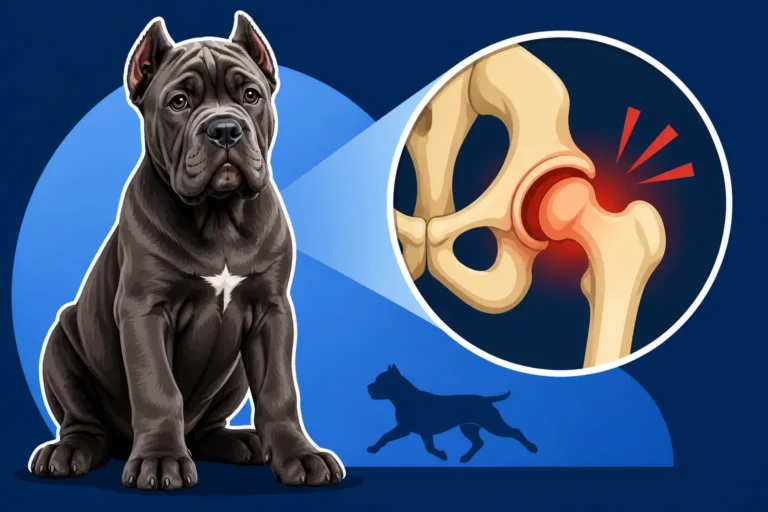
Hip and elbow dysplasia are unfortunately common in Cane Corsos. These genetic conditions result in malformed joints, leading to arthritis, pain, and reduced mobility. While genetic, environmental factors like rapid growth and excessive exercise in puppyhood can exacerbate them. Severe dysplasia can lead to debilitating pain and significantly impact a dog's quality of life, sometimes necessitating costly surgeries or extensive pain management. Understanding the screening processes, such as OFA or PennHIP clearances, is vital when selecting a puppy or monitoring your adult dog. You should always ensure a puppy's parents have had Hips and Elbows a Cane Corso Must Be Cleared On before making a commitment.
Another increasingly recognized concern is patellar luxation, or "kneecaps," which is why some breed panels now recommend screening for them. These issues often become apparent as a puppy grows, manifesting as limping or an awkward gait. While surgery can sometimes correct severe cases, managing the chronic pain and reduced mobility that often accompanies these conditions requires a dedicated owner and a close relationship with your veterinarian.
Bloat: A Silent Killer
Gastric Dilatation-Volvulus (GDV), more commonly known as bloat, is an acute and life-threatening condition that Cane Corsos, due to their deep chests, are particularly susceptible to. In bloat, the stomach fills with gas and twists, cutting off blood supply and leading to shock and death if not treated immediately. The onset is rapid, and every minute counts. Symptoms can include unproductive retching, distended abdomen, restlessness, and obvious pain. This is an absolute emergency.
Many Cane Corso owners opt for a prophylactic gastropexy, a surgical procedure where the stomach is tacked to the abdominal wall to prevent it from twisting. This surgery is often performed concurrently with spaying or neutering. While it doesn't prevent the stomach from filling with gas, it dramatically reduces the risk of the fatal twist. Given the breed's predisposition, knowing Bloat and What a Cane Corso's Deep Chest Costs is essential for any owner. This preventative measure can literally be a lifesaver, and discussing it with your vet is a must.
Cardiac Disease: A Hidden Threat
Heart conditions, particularly dilated cardiomyopathy (DCM), are another significant concern in Cane Corsos. DCM is a disease of the heart muscle that causes it to become thin and weak, leading to an enlarged heart and inefficient pumping of blood. Often, there are no outward symptoms in the early stages, making regular cardiac screenings, such as an echocardiogram, crucial, especially for breeding dogs or those from lines with a history of heart disease.
Symptoms, when they do appear, can include lethargy, coughing, difficulty breathing, and exercise intolerance. While some medications can manage symptoms and slow progression, DCM is often a progressive disease that significantly shortens a dog's life. Early detection through regular vet checks and a The Cardiac Exam Behind a Cane Corso's Clearance can sometimes buy more time for effective management.
Cancer: A Devastating Reality
Cancer is a leading cause of death in older Cane Corsos, just as it is in many large breeds. Various types of cancer can affect them, including osteosarcoma (bone cancer), lymphoma, and hemangiosarcoma (a cancer of the blood vessel lining, often affecting the spleen or heart). The aggressive nature of some of these cancers means that prognosis can be poor, even with advanced treatments like chemotherapy or surgery.
Recognizing lumps, unexplained lameness, sudden weight loss, or changes in appetite are all reasons for immediate veterinary attention. While not all lumps are cancerous, prompt investigation is always warranted. The sheer size of a Cane Corso can make treatment more complex and costly, adding another layer of challenge for owners facing this devastating diagnosis.
Epilepsy and Neurological Conditions
Idiopathic epilepsy, meaning seizures of unknown cause, is another health issue seen in Cane Corsos. Seizures can begin seemingly out of nowhere, often between the ages of two and five years. While medication can help manage the frequency and severity of seizures, epilepsy is a chronic condition that requires lifelong treatment. Severe or uncontrolled epilepsy can, in some cases, lead to a decreased quality of life or even necessitate euthanasia in extreme situations.
Observing your dog for any unusual behavior, tremors, or episodes of disorientation is important. If your Cane Corso experiences a seizure, staying calm, noting the duration and type of seizure, and contacting your vet immediately is crucial. For owners navigating this, understanding The Seizures That Start in a Cane Corso Around Two and the subsequent management can be incredibly challenging.
Preventative Care: Proactive Steps for a Longer Life
Given the potential health challenges a Cane Corso might face, a proactive approach to their care isn't just beneficial—it's essential. Preventative care acts as your frontline defense, helping to mitigate risks, catch issues early, and extend both the quantity and quality of your dog's years.
Regular Veterinary Check-ups and Screenings
This might seem obvious, but consistent, thorough veterinary care from puppyhood through their senior years is the cornerstone of longevity. These aren't just for vaccinations; they're opportunities for your vet to perform a full physical examination, listen to their heart and lungs, palpate their joints, and discuss any changes you've noticed. As your Cane Corso ages, these check-ups might include annual bloodwork to monitor organ function, especially liver and kidney health.
For large breeds prone to joint issues, your vet can help monitor their gait and mobility. Early detection of conditions like arthritis, heart murmurs, or even subtle changes in behavior can lead to earlier intervention and better outcomes. Don't skip these appointments, even if your Corso seems perfectly healthy; they are investments in your dog's future.
Strategic Nutrition and Supplementation
Choosing the right diet for your Cane Corso, particularly as a puppy, is paramount. Giant breed puppy formulas are designed to promote slow, steady growth, preventing the rapid weight gain that can contribute to orthopedic problems. As adults, a high-quality diet appropriate for their activity level, with controlled calories, will help maintain a lean body condition. Avoid cheap fillers and prioritize protein and healthy fats.
Sometimes, joint supplements containing glucosamine, chondroitin, or MSM might be recommended by your vet, especially if your dog has a predisposition to joint issues or is already showing early signs of arthritis. Fish oil, rich in omega-3 fatty acids, can also support joint health and overall inflammatory response. However, always consult your veterinarian before adding any supplements to your dog's diet, as incorrect dosages can be harmful. The decision to add Whether a Cane Corso Benefits From Joint Supplements should always be made with professional guidance.
The Value of Pet Insurance and Financial Planning
Let's be realistic: managing the health of a large breed like a Cane Corso can be incredibly expensive, especially if they develop a serious illness or require surgery. This is where pet insurance can be a game-changer. Companies like Healthy Paws offer comprehensive plans that can cover a significant portion of unexpected veterinary bills, from accident and illness treatments to emergency surgeries. Having a plan like this in place from puppyhood can provide immense peace of mind, allowing you to make medical decisions based on what's best for your dog, rather than solely on financial constraints.
Without insurance, a single emergency surgery for bloat or a complicated orthopedic procedure can run into thousands of dollars, a sum many families struggle to produce on short notice. Even with regular savings, the costs can escalate quickly. Considering pet insurance is not just about protecting your wallet; it's about safeguarding your dog's access to the best possible care when they need it most. It's truly one of The Surgeries Every Cane Corso Owner Should Budget For and prepare for.
Recognizing the Signs of Aging in Your Cane Corso
Even with the best care, time marches on. For a Cane Corso with a median lifespan of nine years, signs of aging might start appearing earlier than you'd expect compared to smaller breeds. Recognizing these changes is vital for adjusting their care and maintaining their quality of life as they enter their golden years.
Physical Manifestations of Seniority
As your Cane Corso moves past the age of seven or eight, you'll likely begin to notice physical changes. Their once powerful gait might become slower, more deliberate, and perhaps a little stiff, especially after rest. Arthritis is incredibly common, manifesting as difficulty rising, reluctance to climb stairs, or a general decrease in activity levels. Their coat might thin or develop gray hairs around the muzzle and eyes. Their muscles, particularly in the hindquarters, may start to lose mass, even if they're still eating well.
Joint pain can become a constant companion, and you might notice them shifting positions frequently to find comfort. Their eyes might develop a cloudy appearance due to lenticular sclerosis, a normal aging change that usually doesn't impact vision significantly. However, watch for actual vision impairment that might indicate cataracts or other serious eye conditions.
Behavioral and Cognitive Changes in Older Dogs
Aging isn't just physical; it also affects the brain. Some older Cane Corsos might show signs of Canine Cognitive Dysfunction (CCD), similar to Alzheimer's in humans. This can manifest as disorientation (getting "stuck" in corners, staring blankly), changes in sleep-wake cycles (pacing at night, excessive daytime sleeping), altered social interactions (less greeting, more irritability), and house-soiling accidents in previously house-trained dogs. They might also become less tolerant of other dogs or unfamiliar situations.
These changes can be incredibly frustrating and heartbreaking for owners, as your once sharp and responsive Corso might seem to "forget" things or act out of character. It's important to differentiate between normal aging and signs that warrant a vet visit, as some cognitive decline can be managed with diet, supplements, or medication. It's a journey, and understanding What Changes in a Cane Corso After Its Eighth Birthday can help you prepare.
Adjusting Care for the Senior Cane Corso
Once your Cane Corso enters their senior years, their care routine will need adjustments. This includes more frequent veterinary check-ups, potentially twice a year, to monitor for age-related conditions. Their diet might need to change to a senior formula that's lower in calories but still high in quality protein, to support muscle mass without adding unnecessary weight to already stressed joints. Orthopedic beds become a necessity, providing vital support for aching joints and helping to prevent bedsores.
Exercise should become gentler and more frequent, rather than intense. Short, consistent walks are better than one long, strenuous one. Ramps can be invaluable for helping them get into vehicles or onto furniture if they're struggling. Maintaining good dental hygiene becomes even more critical, as dental disease can lead to other health issues. Patience and empathy are your greatest tools during this stage, as your loyal companion navigates the challenges of their twilight years. Ensuring they can still move comfortably, even with assistance, is paramount, and aids like ramps or supportive harnesses can be a godsend for Helping an Old Cane Corso Off the Floor.
Making Difficult Decisions: Quality of Life and End-of-Life Care
This is perhaps the hardest section to write, and to read, for any devoted dog owner. The truth is, despite our best efforts, there comes a time when we must confront the decline of our beloved Cane Corso. This decision-making process is fraught with emotion, guilt, and deep sadness, but it is also an act of profound love and responsibility.
Assessing Your Cane Corso's Quality of Life
The concept of "quality of life" is central to end-of-life discussions. It's about more than just being alive; it's about enjoying life. Your veterinarian can help you objectively assess several key areas:
- Pain management: Is their pain adequately controlled, allowing them comfort and mobility?
- Appetite and hydration: Are they eating and drinking enough, or are they refusing food and showing signs of dehydration?
- Hygiene: Are they able to relieve themselves without distress, or are they having frequent accidents and struggling to stay clean?
- Happiness/Engagement: Do they still show interest in activities they once loved? Do they greet you with enthusiasm, or are they withdrawn and depressed?
- Good days vs. bad days: Are the bad days outnumbering the good?
Keeping a journal of their good days and bad days can provide valuable, objective data for you and your vet. It helps move the decision away from pure emotion and towards a more realistic evaluation of their daily existence.
The Conversation with Your Veterinarian
Your veterinarian is your most crucial partner during this difficult time. They can provide an unbiased medical perspective, discuss palliative care options (comfort care without aiming for a cure), and help you understand the progression of your dog's condition. Don't be afraid to ask difficult questions, express your fears, and share your observations. A good vet will guide you through this process with compassion and realism, helping you understand when medical options have been exhausted and when the kindest path might be to prevent further suffering.
They can explain what to expect, discuss the process of euthanasia, and help you prepare for saying goodbye. This isn't a conversation to have once; it's often a series of discussions, as you monitor your dog's decline and adjust their care.
When to Consider Euthanasia
This is the most agonizing decision an owner can face. The ultimate goal is to prevent suffering. If your Cane Corso is experiencing chronic, uncontrollable pain, severe respiratory distress, irreversible organ failure, or a profound loss of joy in life, and all palliative measures have been exhausted, euthanasia becomes a final, loving act. It’s about giving them peace and dignity, even when it shatters your own heart.
Many owners struggle with feelings of guilt, wondering if it's "too soon" or if they've "done enough." Remember that your love for your Cane Corso is what drives this decision, and it’s a decision made to honor their well-being above your own pain. Providing a peaceful, pain-free transition is the last, selfless gift you can give.
The Emotional Toll of Owning a Large Breed with a Shorter Lifespan
The intense bond forged with a Cane Corso means that their relatively shorter lifespan can amplify the emotional challenges for their owners. It's a unique grief, often compounded by societal misunderstandings and the sheer physical presence these magnificent dogs command in our lives.
Anticipatory Grief and the Weight of Knowledge
Knowing that your Cane Corso might only be with you for nine years can trigger anticipatory grief. This is the sadness and sense of loss you feel even before your dog has passed away. It’s a heavy burden, living with the constant awareness of the finite nature of your time together. Every gray hair, every slower step, can be a poignant reminder of the inevitable. This kind of grief is valid and can be isolating, as it’s often not recognized as fully as post-loss grief.
Owners might find themselves trying to cram every possible experience into their dog's life, or constantly worrying about potential health issues, turning what should be joyful moments into anxious ones. Acknowledging this anticipatory grief is the first step in managing it, allowing yourself to feel the emotions while still fully engaging in the present with your dog.
Navigating the Loss and Healing Process
When the inevitable happens, the grief is profound. Losing a Cane Corso means losing not just a pet, but a family member, a protector, and a constant companion. The physical void they leave in your home is immense, from the quiet absence of their heavy footsteps to the empty space on the couch. Don't underestimate the impact of this loss.
Allow yourself to grieve fully. There's no right or wrong way to mourn, and no timeline for healing. Seek support from friends, family, or pet loss support groups who understand the unique pain of losing such a magnificent creature. Some people find solace in creating memorials, planting trees, or simply talking about their beloved dog. The love for your Cane Corso doesn't end with their life; it transforms into an enduring memory.
Supporting Research for Cane Corso Longevity
While individual owners can do much to extend the health and happiness of their Cane Corsos, collective efforts through research are vital for the long-term health of the breed. Contributing to and supporting these initiatives can lead to breakthroughs that benefit future generations of these incredible dogs.
The Role of Breed Clubs and Health Registries
Breed clubs, such as the Cane Corso Association of America (CCAA), often spearhead health initiatives and fund research into breed-specific diseases. They encourage health testing and maintain registries of health clearances, which are invaluable for breeders to make informed breeding decisions. These organizations play a critical role in gathering data, identifying genetic trends, and advocating for responsible breeding practices that prioritize health and longevity.
Owners can support these efforts by participating in health surveys, ensuring their dogs' health clearances are publicly recorded, and becoming active members of their breed community. Every piece of information contributes to a larger picture, helping researchers identify genetic markers, improve diagnostic tools, and develop better treatment protocols for conditions like heart disease or epilepsy.
Contributing to Genetic and Longevity Studies
Many veterinary universities and research institutions conduct studies focused on canine health and longevity. These studies often rely on owner participation, which can involve submitting DNA samples, medical records, or filling out questionnaires about their dog's health and lifestyle. Sometimes, these studies specifically focus on collecting data on causes of death to better understand breed-specific mortality rates.
By contributing, even in a small way, you become part of the solution. Your dog's information, combined with that of hundreds or thousands of others, can help scientists identify patterns, genetic predispositions, and environmental factors that impact a Cane Corso's lifespan. This collective knowledge is the most powerful tool we have in the ongoing effort to improve the health and extend the lives of our beloved companions. Initiatives focused on Whether an Epileptic Cane Corso Should Ever Be Bred and other genetic concerns are especially important.
Table: Common Cane Corso Health Issues and Their Lifespan Impact
| Health Issue | Description | Typical Age of Onset | Impact on Lifespan | Preventative/Management Strategies |
|---|---|---|---|---|
| Hip Dysplasia | Malformation of the hip joint, leading to arthritis and pain. | 6 months – 2 years (can appear later) | Can significantly reduce mobility and quality of life; indirectly affects longevity due to pain/euthanasia. | Responsible breeding (OFA/PennHIP clearances), slow growth puppy diets, appropriate exercise, weight management, joint supplements, pain management. |
| Elbow Dysplasia | Malformation of the elbow joint, leading to arthritis and lameness. | 4 months – 1 year | Similar to hip dysplasia; can cause chronic pain and mobility issues. | Responsible breeding (OFA clearances), slow growth puppy diets, appropriate exercise, weight management, joint supplements, pain management. |
| Gastric Dilatation-Volvulus (Bloat) | Stomach fills with gas and twists, cutting off blood supply. | Any age, but more common in adults (2-10 years) | Rapidly fatal if untreated; requires immediate emergency surgery. | Prophylactic gastropexy (stomach tacking), feeding multiple small meals, avoiding intense exercise before/after meals, using slow feeder bowls. For further info, consider The Case for Tacking Every Cane Corso's Stomach. |
| Dilated Cardiomyopathy (DCM) | Weakening and enlargement of the heart muscle, leading to heart failure. | 4-8 years (can be earlier or later) | Significantly shortens lifespan; often progressive and fatal. | Regular cardiac screenings (echocardiograms), monitoring for symptoms (coughing, lethargy), medication to manage heart function and symptoms. |
| Cancer (e.g., Osteosarcoma) | Uncontrolled cell growth; various aggressive types. | 6-10 years (or older) | Major cause of death; prognosis varies but often poor. | Regular vet check-ups, prompt investigation of lumps/lameness, maintaining a healthy immune system through diet and lifestyle, sometimes chemotherapy/radiation. |
| Idiopathic Epilepsy | Recurrent seizures of unknown cause. | 2-5 years | Can impact quality of life; severe cases may lead to euthanasia. | Anti-seizure medication (lifelong), avoiding triggers, close veterinary monitoring. For medication specifics, see Daily Medication for a Cane Corso With Epilepsy. |
| Entropion/Ectropion | Eyelids roll inward (entropion) or outward (ectropion), causing irritation/infections. | Puppyhood (entropion can resolve) | Rarely directly fatal, but chronic discomfort and infections can reduce quality of life and require surgery. | Surgical correction if severe, regular eye cleaning, monitoring for irritation. |
Disclaimer
The information provided in this article is for general informational purposes only and is not a substitute for professional veterinary advice. Always consult with a qualified veterinarian for any health concerns or before making any decisions related to your Cane Corso's health and care.