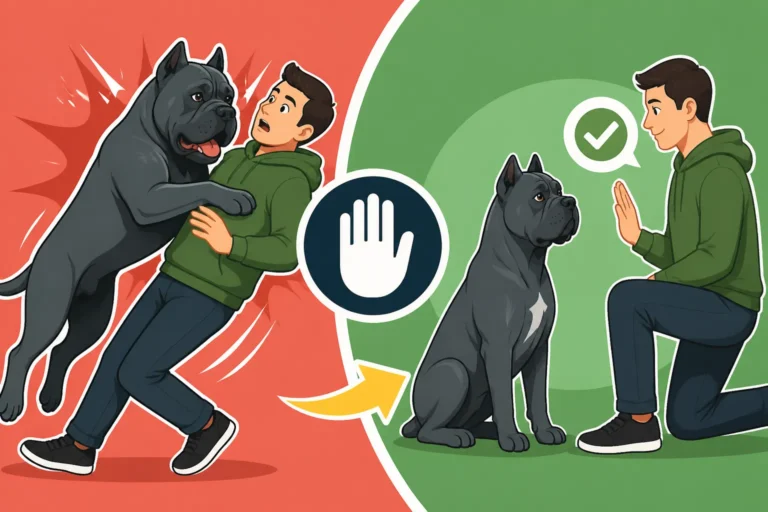
Separating Two Cane Corsos That Have Fought
Seeing your two beloved Cane Corsos erupt into a fight is one of the most terrifying, heart-stopping experiences a dog owner can face. The sheer power, the deafening growls, and the fear of serious injury can leave you feeling helpless and panicked. This guide will walk you through the immediate, critical steps to safely separate fighting Cane Corsos, manage the immediate aftermath, and set a course for long-term prevention, helping you restore peace and safety to your home.
Understanding Why Cane Corsos Fight
Before we dive into the "how-to" of separation, it's crucial to understand the "why." Cane Corsos, while loyal and protective of their families, are also powerful, ancient guardian breeds with strong instincts. When these instincts clash, especially between two dogs, the results can be devastating. It's not just "bad behavior"; there are often underlying triggers that escalate to a fight.
One of the most common reasons for fights between resident dogs, especially in strong-willed breeds like the Cane Corso, is resource guarding. This isn't just about food bowls, although that's a classic example. It can be toys, a favorite sleeping spot, a particular person, or even access to a doorway or the backyard. If one dog feels its valuable resource is being challenged, it can lead to tension and, eventually, a full-blown confrontation. We've talked before about The Prey Drive Behind a Cane Corso's Boar Hunting Past, and while not directly related to internal dog-dog aggression, it highlights their intensity and instinctual drive. Similarly, territorial aggression can flare up when a new dog enters the home, or even when one dog feels another is encroaching on its established space, particularly if they are Bringing a Cane Corso Home to a Dog Already There.
Same-sex aggression, particularly between two males or two females, is another significant factor in Cane Corso households. While not exclusive to this breed, it can be pronounced. These dogs might tolerate each other for years, then suddenly, as they mature or a subtle shift in household dynamics occurs, conflicts arise. It's often less about hatred and more about establishing hierarchy or feeling constantly challenged. This is a deep-seated issue that often requires professional intervention. If you're seeing signs of escalating tension, you might want to read more about Same Sex Aggression Between Two Cane Corsos. Understanding the subtle cues leading up to a fight—like a hard stare, stiff body language, or a low growl—can be the first step in prevention.
Safely Separating Fighting Cane Corsos
The moment your two Cane Corsos lock jaws, your heart pounds and your instincts scream to intervene. However, rushing in with your bare hands is incredibly dangerous. These dogs are powerful, and in the heat of a fight, they may redirect their aggression onto you, causing severe injury. The goal is to break the physical connection and create distance without putting yourself in harm's way.
Your first priority is noise and distraction. A sudden, loud noise can sometimes startle them enough to break contact for a split second. Think air horn, a whistle, or banging pots and pans together. While this might sound simplistic for a dog as intense as a Cane Corso, the shock value can sometimes interrupt their focus. If you have a hose nearby, a strong spray of water directed at their faces can also be effective. The key is to be swift and decisive. Do not put your hands in. The power behind their jaws means even an accidental bite can be devastating.
If noise and water don't work, you need to create a physical barrier. This is where tools become invaluable. A piece of plywood, a baby gate that can be quickly inserted, or even a large, thick blanket or coat can be used to push them apart, or to throw over one dog's head to disorient it. Never try to grab their collars if they are locked on, as this puts your hands too close to their mouths. Instead, if you have a helper, each person can try to lift a dog by its back legs, like a wheelbarrow, and pull them backward simultaneously. This can sometimes disrupt their balance and make them release. However, this is still risky as they might spin around to bite. Always be aware of your surroundings and have an exit strategy. This is a terrifying situation, and your personal safety must come first.
The Immediate Aftermath and Injury Assessment
Once the immediate danger of the fight is over, the work has only just begun. The adrenaline in both dogs (and you!) will be through the roof, making them highly reactive. The most critical step right after separation is to isolate them completely. Do not allow them back together, even for a moment, and ideally, don't even let them see or hear each other for a significant cool-down period. This means separate rooms, separate crates, and potentially even separate floors of the house. You might need to rotate them or house one in a secure outdoor kennel if you have one. Using robust, large-breed crates that you can find on sites like Amazon can be a lifesaver in these moments, allowing you to secure one dog while you deal with the other.
Next, you need to thoroughly check both dogs for injuries. Even if a fight seemed short, a Cane Corso's powerful bite can inflict deep puncture wounds and bruising that aren't immediately obvious under their dense fur. Look for blood, limping, swelling, or any signs of pain. It's a good idea to perform a "body scan" with gentle hands, checking every inch. Pay close attention to ears, legs, chest, and neck. If you find any open wounds, deep punctures, or suspect a more serious injury (like a broken bone or internal trauma), a trip to the emergency vet is absolutely necessary. Even minor wounds can become infected quickly, so professional assessment is always recommended.
It’s also important to recognize the emotional and mental toll this takes on everyone. Your dogs are likely stressed and potentially fearful or anxious, which can prolong their reactivity. For you, the owner, the shock and fear are real. Take a moment to breathe and calm yourself before proceeding. This isn't just about patching up physical wounds; it's about addressing the emotional trauma, which will inform your next steps in managing their behavior. Remember, a single fight significantly increases the likelihood of another, and the severity often escalates with each subsequent incident.
Here's a quick comparison of immediate actions during and after a fight:
| Action Category | During the Fight | After the Fight |
|---|---|---|
| Safety First | Do NOT use bare hands; prioritize human safety. | Isolate dogs completely; ensure human safety in handling. |
| Intervention Tools | Air horn, hose, plywood, thick blanket, object for distraction. | Robust crates, strong leashes, gates, separate rooms. |
| Goal | Break physical contact, create immediate separation. | Maintain separation, allow cool-down, assess damage. |
| Focus | Distraction, barrier creation, physical disruption. | Injury check, stress reduction, safety planning. |
| Next Steps | Assess if fight is truly over, re-evaluate. | Contact vet, plan for long-term management. |
Long-Term Management and Professional Intervention
Separating two fighting Cane Corsos is just the first, albeit critical, step. The real challenge lies in preventing future conflicts and ensuring the safety and well-being of all household members. This will almost certainly require a commitment to long-term management strategies and, crucially, professional behavioral intervention. You cannot "train" away aggression between two dogs without understanding its root cause.
The first step in long-term prevention is to implement strict management protocols within your home. This means supervising interactions 100% of the time they are together, if they are allowed together at all. For many households with a history of fighting, complete separation is the safest and most realistic option. This might involve a "crate and rotate" system where dogs are kept in separate areas or crates and rotated through access to communal spaces or outdoor time. Using durable crates, baby gates, and even double barriers in doorways can become a part of your daily routine. Think of it as creating zones in your home where each dog has its secure, undisturbed space. We've talked about The Structure a Cane Corso Needs Every Single Day, and this applies even more strongly when managing inter-dog aggression.
Seeking professional guidance from a certified veterinary behaviorist or a force-free professional dog trainer with experience in inter-dog aggression is non-negotiable. This isn't a problem you can solve with a few online videos or by simply "being tougher" on your dogs. A professional can help identify triggers, assess the severity of the aggression, and develop a tailored behavior modification plan. They might suggest muzzle training both dogs, which is an excellent safety measure for future interactions or even vet visits. Why Every Cane Corso Should Be Muzzle Trained Early is a valuable read, as is Fitting a Basket Muzzle on a Cane Corso for practical guidance.
This professional will guide you through desensitization and counter-conditioning techniques, which aim to change your dogs' emotional responses to each other. This is often a slow, meticulous process, starting with parallel walks at a distance, positive reinforcement, and gradually reducing that distance. They can also advise on managing resources, ensuring both dogs have ample access to food, toys, beds, and your attention, thus reducing the incentive to guard. Online resources, such as programs offered by BAXTER & Bella, while often focused on puppy training, can also provide foundational obedience skills and owner education that are crucial for managing complex behaviors, even if they aren't a direct substitute for one-on-one professional behavioral consultation in severe cases. The cost of a behaviorist might seem high, but compared to vet bills from repeated fights or the heartbreak of rehoming, it's an investment in peace of mind and canine welfare. You can learn more about this in What a Behaviorist Charges for a Reactive Cane Corso.
Disclaimer
This article is for general informational purposes only and does not constitute professional advice. Laws, prices and regulations vary by location and change over time. Consult a qualified professional for guidance on your specific situation.