Helping an Old Cane Corso Off the Floor
Senior Cane Corso mobility issues stem from arthritis, muscle weakness, and neurological conditions requiring proper support strategies.
Know what to watch for.
Breed-specific conditions, screening and DNA tests, what surgery actually costs, and the daily habits that stretch a healthy lifespan.
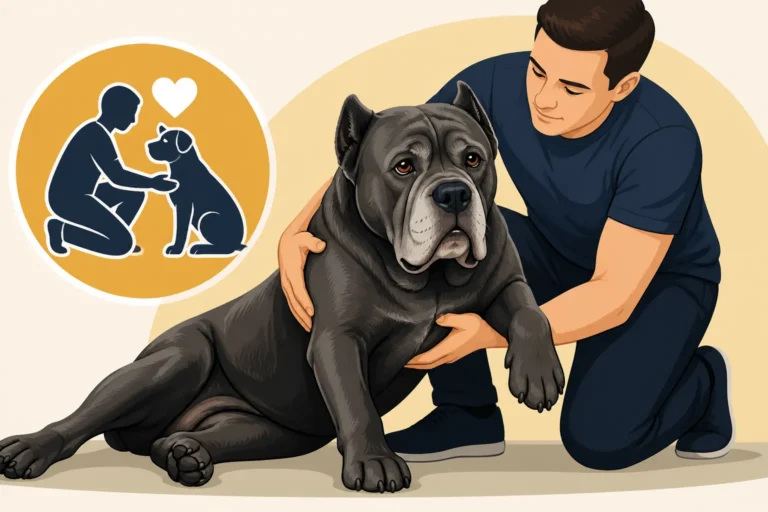
Senior Cane Corso mobility issues stem from arthritis, muscle weakness, and neurological conditions requiring proper support strategies.

Night confusion in senior Cane Corsos reveals Canine Cognitive Dysfunction, medical illnesses, and practical management strategies.

Age-related hearing loss in senior Cane Corsos explains why inner ear hair cells degenerate and how to recognize early behavioral cues.

Senior Cane Corso bloodwork reveals hidden internal changes, catching kidney disease, liver dysfunction, and other silent health issues early.

Cane Corso dogs enter senior status between six and eight years old, marking the transition when rapid growth leads to earlier aging.

Spay incontinence in Cane Corsos causes involuntary urine leaks due to a weakened urethral sphincter after estrogen loss.
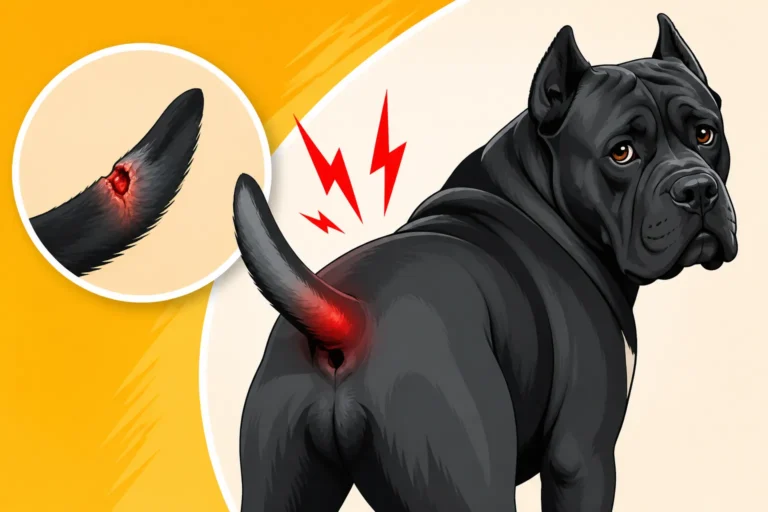
Cane Corso tail injuries caused by enthusiastic wagging and environmental impacts require careful recognition, treatment, and prevention methods.
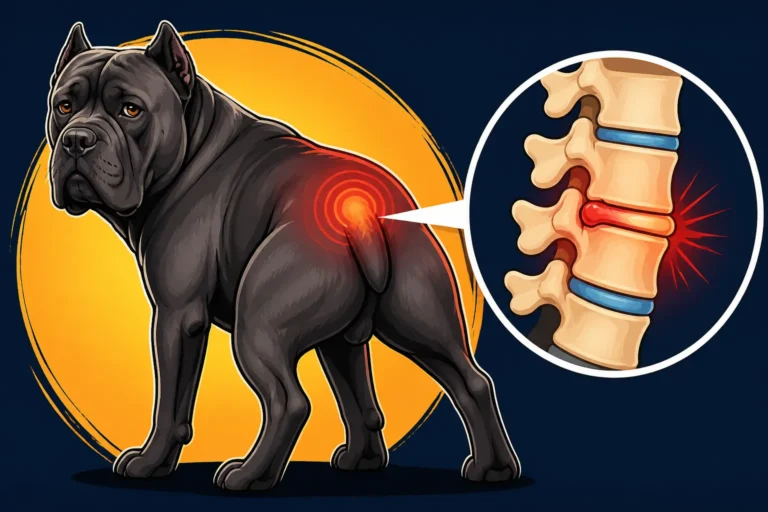
Ruptured discs in heavy Cane Corsos cause pain and paralysis when weighing ninety to one hundred twenty pounds compress the spinal cord.

Cane Corso rear foot dragging stems from orthopedic problems like hip dysplasia, cranial cruciate ligament tears, or neurological diseases.
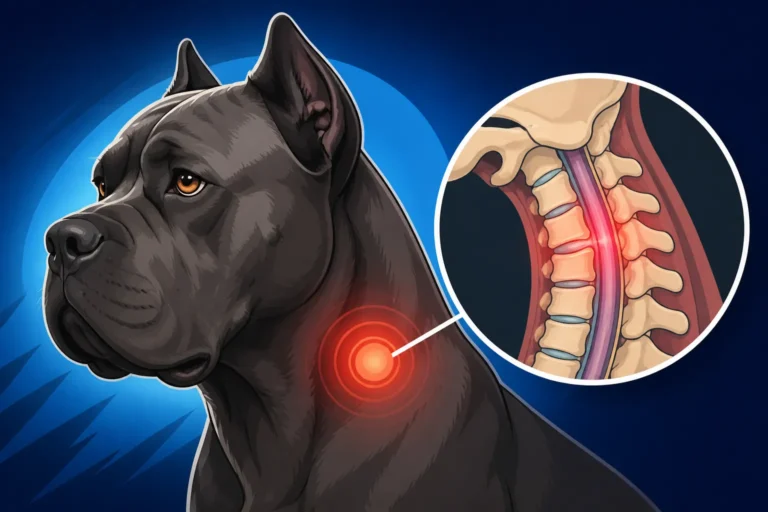
Wobbler Syndrome in Cane Corsos causes spinal cord compression, leading to stumbling, neurological deficits, and mobility struggles.