Why a Cane Corso Keeps Filling Out Until Two
It’s a common experience for new Cane Corso owners to watch their puppy shoot up in height, reaching what seems like an immense size by the time they’re a year old, only to be surprised when their dog keeps getting bigger. That seemingly "grown" adolescent still has a lot of developing to do, packing on muscle, filling out their chest, and maturing into that truly imposing presence we expect from the breed. This guide will walk you through why your Cane Corso continues to fill out until they're around two years old, detailing the critical stages of their physical maturation.
The Initial Growth Spurt: Height First, Then Width
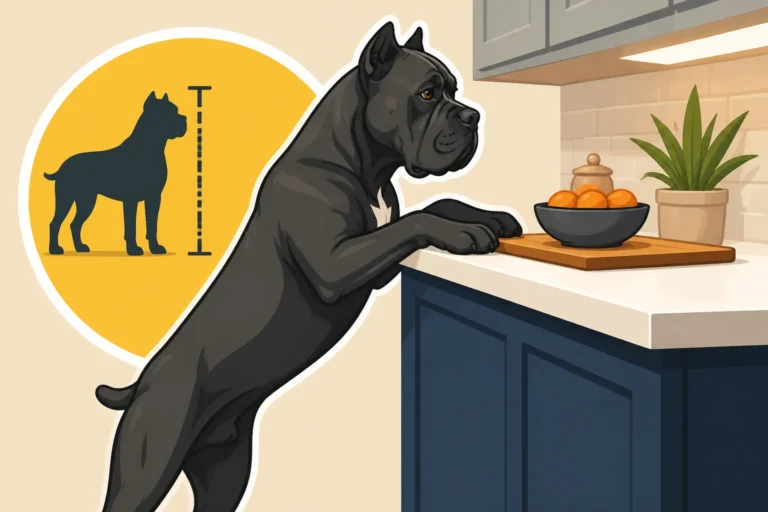
Many people mistakenly believe that once their Cane Corso reaches their full adult height, their growth journey is largely complete. It's a natural assumption, especially when you see a gangly, tall adolescent towering over other dogs at the park. However, for large and giant breeds like the Cane Corso, gaining height is just the first chapter in a much longer development story. Their skeletal frame often stretches upwards quickly, creating a lanky, almost awkward appearance, long before their muscles and overall body mass catch up.
Imagine watching a human teenager go through a growth spurt. They might shoot up several inches in a year, becoming quite tall, but they often remain thin and somewhat gangly, lacking the broader shoulders, developed musculature, and overall "filled out" look of a fully mature adult. Your Cane Corso experiences something very similar. The initial rapid growth is primarily about bone lengthening. Once that vertical growth begins to slow, the body shifts its energy and resources to building density, strength, and the robust physique the breed is known for. This transition is fascinating to observe, as it’s where their true power begins to manifest.
Reaching Full Height Sooner Than You Think
Indeed, it can be quite surprising just how quickly a Cane Corso puppy gains vertical stature. Many will reach nearly their full adult height, or at least 90-95% of it, by the time they are between 10 to 14 months old. This is when they start to look less like a playful, if large, puppy and more like a formidable young dog. You'll notice their legs seem impossibly long, and they might appear a bit disproportionate, like a table with legs too tall for its top. This rapid bone growth is a critical phase, and it’s why careful management of their diet and exercise during this time is so important to prevent undue stress on their developing joints.
Owners often report that by their Cane Corso’s first birthday, they are already looking quite tall. This can lead to the impression that they are "done" growing, or at least very close to it. However, while the upward trajectory might be tapering off, the journey of true physical maturity is far from over. This is simply the signal that the body is preparing for the next, equally important, phase of development: filling out the frame it has just created.
The "Lanky Teenager" Phase
Following their initial growth spurt, most Cane Corsos enter what many owners affectionately call their "lanky teenager" phase. This period, usually between 10 and 18 months, is characterized by that tall, thin appearance we just talked about. They might seem all legs and ears, with a somewhat narrow chest and less developed musculature than you'd expect from a powerful Molosser breed. It's a stage that can sometimes worry owners, who might wonder if their dog is too thin, especially if they’re used to seeing mature, stocky Cane Corsos.
This lanky stage is completely normal and a natural part of their development. Their body is prioritizing skeletal growth, and it needs time to deposit muscle and increase bone density across that new frame. During this time, you might be able to easily feel their ribs and hip bones, which is actually a good sign that they're not carrying excess weight that could stress their still-developing joints. Patience is key here; resisting the urge to "fatten them up" is crucial for their long-term health. Think of it as the scaffolding being erected before the building's walls and interiors are added.
Muscle Development and Bone Density: The Slow Build
Once the rapid vertical growth begins to decelerate, a Cane Corso’s body shifts its focus. The primary goal becomes adding substance to that existing frame. This isn't just about gaining weight; it's about developing the powerful musculature that defines the breed and increasing the density of their bones and connective tissues. This phase is less dramatic in terms of visible height changes but profoundly impactful on their overall strength, robustness, and the commanding presence they are known for. This is where their chest widens, their shoulders broaden, and their legs thicken, transforming them from a leggy adolescent into a truly formidable adult.
Many owners find this period to be particularly rewarding, as they witness their dog’s physique truly blossom. It’s a testament to their inherent genetics and the breed’s working heritage, designed for strength and endurance. The slow, steady accumulation of muscle and bone density is far healthier than rapid, forced weight gain, which can put undue strain on immature joints and lead to long-term orthopedic issues like Hip Dysplasia in a Fast Growing Cane Corso or Elbow Dysplasia and a Cane Corso's Front End.
Building the Cane Corso's Powerful Physique
From around 12 months up to two years, and sometimes even a little beyond, your Cane Corso will be actively building muscle mass. This isn't just a superficial change; it's the development of the deep, powerful muscles that give them their impressive physique and functional strength. Their chest will deepen and widen, their neck will thicken, and their shoulders will become more defined. You’ll notice their hindquarters also developing more power, becoming a solid base for their imposing frame. This process requires a steady intake of appropriate protein and other nutrients, but more importantly, it requires consistent, moderate exercise.
Think about a bodybuilder who trains for years to achieve a sculpted physique. While your Cane Corso isn't aiming for a competition stage, their body is undergoing a similar, albeit natural, process of muscle hypertrophy and development. This is why you'll see a significant difference in their overall "substance" between their first and second birthdays. They literally fill out into the dog they were meant to be. Activities like controlled walks, light jogging (once cleared by a vet), and even just active play in a secure yard contribute to this healthy muscle development.
The Maturation of Joints and Skeletal Structure
Beyond muscle, the filling out phase also encompasses the crucial maturation of your Cane Corso's joints and skeletal structure. While their bones reached most of their length earlier, the process of ossification – where cartilage is replaced by dense bone – continues. Their growth plates, the soft areas at the ends of long bones responsible for lengthening, typically close by around 18-24 months for large breeds, sometimes even a bit later for giant breeds. Until these growth plates are fully closed, they remain vulnerable to injury.
This extended period of skeletal maturation means that activities that put excessive stress on joints, like jumping from high places, intense agility work, or long-distance running, should be avoided or severely limited until at least 18-24 months of age. Simultaneously, the ligaments, tendons, and cartilage that support these large joints are also strengthening and becoming more robust. This is vital for a breed with such significant weight and power, as strong connective tissues are essential for stability and preventing issues in later life. Ensuring they maintain a lean body condition throughout this time is paramount; you should still be able to feel their ribs without pressing hard, as detailed in Checking a Cane Corso's Ribs With Your Hands.
Hormonal Influence and Genetic Predisposition
The prolonged development of the Cane Corso is not merely a matter of physical growth; it's deeply intertwined with their hormonal cycles and their genetic blueprint. These internal factors dictate the pace and extent of their maturation, ensuring they develop into robust adults capable of fulfilling their historical roles. Understanding these influences can help owners appreciate the natural timeline their dog follows and make informed decisions about their care, especially regarding crucial interventions like spaying or neutering.
Every breed has a unique genetic code that predisposes them to certain growth patterns, and the Cane Corso is no exception. Their ancestral lineage as powerful working dogs meant for guarding and driving livestock dictated a need for a strong, substantial build that takes time to fully develop. This isn't a process that can be rushed without potential consequences.
The Impact of Hormones on Physical Maturity
Hormones play a significant role in the closing of growth plates and the development of lean muscle mass. Sex hormones, such as testosterone in males and estrogen in females, signal the growth plates to close. When a dog is spayed or neutered before these hormones have had a chance to work for an extended period, the growth plates may close later than they naturally would, potentially leading to longer limbs and a lankier body structure. Conversely, allowing these hormones to be present longer can contribute to a more robust, "filled out" physique.
For a breed like the Cane Corso, which carries significant weight and musculature, the timing of spaying or neutering can be a topic of discussion among veterinarians and breeders alike. While there are numerous health benefits to these procedures, delaying them until after 18-24 months can contribute to the dog achieving its full genetic potential in terms of bone and muscle density. It's a complex decision that should always be made in consultation with your veterinarian, weighing the pros and cons for your individual dog and lifestyle.
Genetic Timelines: What the Breed Standard Implies
The Cane Corso breed standard describes a dog of substantial bone and muscularity, well-balanced and powerful. This ideal is not something that manifests overnight. The very nature of a molosser breed like the Cane Corso means that a protracted growth period is inherent to their genetic makeup. They were bred for strength, endurance, and guarding capabilities, which require a fully mature, dense skeletal system and well-developed musculature. This takes time to achieve.
Their ancestors, the Roman war dogs and later the Italian farm guardians, needed to be physically capable of their demanding jobs. Nature ensures that such capabilities are built gradually and solidly. Therefore, the "filling out" until two years old is simply the expression of these deep-seated genetic timelines. It’s the body’s way of ensuring that the structure is strong enough to support the powerful engine it contains. Understanding this helps manage expectations; don't expect a fully mature physique until your Cane Corso is at least 24 months old, and sometimes even a little older, as outlined in The Growth Curve a Cane Corso Follows to Nineteen Months.
Nutritional Requirements for Sustained Development
Providing the right nutrition is paramount during your Cane Corso's extended growth period. It's not just about quantity, but the quality and balance of their food. Feeding a young Cane Corso is a delicate dance between providing enough energy and building blocks for growth, without overfeeding and accelerating growth too rapidly, which can have detrimental effects on their joints and overall health. This means selecting a diet specifically formulated for large or giant breed puppies and young adults and carefully monitoring their body condition.
The goal is to support slow, steady development that allows their bones, joints, and muscles to mature at a natural, healthy pace. Many common feeding mistakes, such as feeding a regular puppy food or free-feeding, can unintentionally contribute to issues down the line. A thoughtful approach to their diet will pay dividends in their long-term health and soundness.
Why a Giant Breed Formula is Essential
For a Cane Corso, choosing a high-quality giant breed specific food is absolutely non-negotiable for their first 18-24 months. These formulas are specifically designed to support the slower growth rate and unique skeletal development needs of large and giant breeds. The key difference lies in their carefully controlled levels of calcium and phosphorus, as well as protein and fat. Too much calcium or an imbalanced calcium-to-phosphorus ratio can actually cause developmental orthopedic diseases, rather than prevent them.
Giant breed puppy foods are also typically lower in calories and fat compared to regular puppy foods, which helps prevent rapid weight gain and obesity, a major risk factor for joint problems. Brands available from pet retailers like Chewy often carry specialized giant breed formulas from reputable manufacturers. Look for formulas that explicitly state they are for large or giant breed puppies. If you're considering fresh food options, services like Ollie can also provide carefully balanced meal plans tailored to your dog's size and age, ensuring they get appropriate nutrition without overdoing it on critical minerals.
Avoiding Overfeeding and Rapid Growth
One of the biggest pitfalls for Cane Corso owners is the temptation to overfeed, especially during the lanky teenager phase when the dog looks thin. However, excessive caloric intake and protein can lead to dangerously rapid growth, putting immense stress on their still-developing bones and joints. This accelerated growth doesn't make for a stronger, healthier dog; instead, it increases the risk of developmental orthopedic diseases like hip and elbow dysplasia.
It's crucial to follow the feeding guidelines on your chosen giant breed food, but also to adjust based on your dog's individual metabolism and activity level. Regularly assess your Cane Corso's body condition – you should be able to easily feel their ribs, but not see them prominently, and they should have a discernible waist when viewed from above. If your dog looks too thin, consult your vet before increasing food significantly, as sometimes a growth spurt makes them appear lankier, even if they are at a healthy weight. Remember, a lean Cane Corso is a healthy Cane Corso, especially when young, as discussed in Why a Lean Cane Corso Keeps Its Hips Longer.
Exercise and Lifestyle: Supporting Healthy Maturation
Just as crucial as nutrition is the type and amount of exercise your Cane Corso receives during their filling out phase. It’s a delicate balance: too little exercise can lead to weak muscles and excess weight, hindering proper development, while too much high-impact or intense activity can severely damage their still-forming joints. The goal is to support muscle growth and overall fitness without overstressing their immature skeletal system.
Think of your young Cane Corso as an athlete in training – you wouldn't send a growing teenager straight into high-intensity, professional-level sports without proper conditioning and care. Their exercise regimen needs to be thoughtful, controlled, and appropriate for their age and physical development. This approach fosters a strong, healthy body that will serve them well throughout their adult life.
Balanced Exercise for Developing Bodies
For Cane Corso puppies and adolescents up to at least 18-24 months, the focus should be on controlled, low-impact exercise. This means regular, moderate walks on varied surfaces (grass, dirt, pavement) that don't involve sustained running or leaping. Short, frequent play sessions in a secure yard are excellent, allowing them to burn off energy naturally. Avoid forced running, long hikes, intense dog park wrestling with other dogs (especially larger or rougher ones), and excessive jumping. Activities like chasing balls repeatedly or jumping on and off furniture can place undue stress on their growth plates and joints.
Instead, encourage activities that build muscle gradually, such as walking up and down gentle inclines, swimming (if they enjoy it and it's safe), or leash walking at a brisk pace. Mental stimulation through training sessions, puzzle toys, and Scent Work and Sniff Walks for a Cane Corso are also incredibly important and can tire them out without physical strain. Remember, the intensity and duration of exercise should gradually increase as they mature, but always with caution and observation. You can find many appropriate toys and training aids on platforms like Amazon.
Rest and Recovery: Crucial for Growth
It might seem counterintuitive, but adequate rest is just as vital for a growing Cane Corso as exercise and nutrition. Their bodies do a lot of their growing and repairing when they are sleeping or resting. Puppies and adolescents need a significant amount of sleep – often 16-20 hours a day – to support their rapid development. During deep sleep, growth hormones are released, and their bodies repair and rebuild tissues.
Ensuring your young Cane Corso has a comfortable, quiet, and secure place to rest is essential. A large, orthopedic dog bed can provide excellent support for their developing joints, particularly for a heavy breed like the Cane Corso. Avoid constant commotion or demanding too much from them during their rest periods. If your Cane Corso isn't getting enough rest, you might notice them becoming overtired, grumpy, or even prone to minor injuries due to fatigue. Just like human children, they need their downtime to properly grow and recover from their daily activities.
What to Expect: Milestones and Physical Changes
Observing your Cane Corso's physical transformation is one of the joys of raising this magnificent breed. While every dog is an individual and growth rates can vary slightly, there's a general progression of milestones and physical changes you can expect as they mature. Understanding these stages helps you appreciate the journey and ensure you're providing the appropriate care at each phase. From a gangly puppy to a fully substantial adult, the changes are remarkable and a testament to their powerful genetics.
It’s important to remember that while the most noticeable "filling out" occurs by two years, a Cane Corso can continue to mature subtly beyond this point. Their minds and temperaments also continue to develop, often aligning with their physical maturation, leading to a more settled and self-assured adult dog.
The Transformation from Puppy to Young Adult
- Birth to 6 Months: This is a period of incredibly rapid growth in both height and weight. Your puppy will gain several pounds a week and stretch upwards noticeably. They'll transition from round puppy fat to a lankier, more athletic build. By six months, many will be half their adult weight and a good portion of their adult height, though still very much a puppy in build. You can track this process by monitoring What a Cane Corso Should Weigh at Six Months.
- 6 to 12 Months: The rapid growth in height begins to slow down, but they will still be gaining weight and starting to fill out. This is the classic "lanky teenager" phase where they might look disproportionately tall and thin. Their chest may still be narrow, and their musculature less defined. They are usually quite energetic during this time.
- 12 to 18 Months: This is a crucial period for filling out. While height growth is largely complete, their chest will begin to deepen and widen significantly. Muscles will start to develop more noticeably, giving them a more substantial appearance. Their head will also broaden and become more defined. They're transitioning from adolescent to young adult.
- 18 to 24 Months: By now, most of the major filling out of muscle and bone density will be occurring. Their body will become much more powerful and compact. The chest will be fully developed, and their overall frame will look solid and robust. Their head will take on its full mature appearance. They will look much less "leggy" and more substantial. This is often when they reach their peak adult weight and physical presence, solidifying The Weight an Old Cane Corso Should Hold for their prime years.
Beyond Two Years: Subtle Maturation Continues
While the most significant "filling out" is typically complete by two years of age, it's not uncommon for some Cane Corsos, particularly males, to continue to mature very subtly for another year or even two. This might manifest as a slight further increase in muscle density, a broadening of the head, or a deepening of the chest. These changes are usually minor compared to the dramatic transformation seen between one and two years old.
By three years old, most Cane Corsos are considered fully mature, both physically and mentally. They will have achieved their full adult size, weight, and muscle tone. Any changes beyond this point are more likely due to changes in diet, exercise, or age-related factors rather than continued growth. So, while the major growth is done at two, enjoy the subtle enhancements that might still come, bringing them to their absolute peak.
| Age Range | Primary Growth Focus | Key Physical Characteristics | Care Considerations |
|---|---|---|---|
| 0-6 Months | Rapid height & weight gain | Puppy fat, quickly becomes lanky; long legs, growing head. | Giant breed puppy food, frequent small meals, limited strenuous exercise, intensive socialization, vet visits for shots. |
| 6-12 Months | Height growth slows, some filling | Tall, often lanky, "teenager" phase; narrow chest, less defined muscle. | Continue giant breed food (often transition to large breed adult formula by 12 months), controlled exercise, basic obedience, continued socialization. |
| 12-18 Months | Significant filling out, muscle development | Chest deepens and widens, muscles become more prominent, head broadens, body starts to look more powerful. | Monitor weight to prevent obesity, moderate exercise, advanced training, consider timing of spay/neuter in consultation with vet for optimal growth, as discussed in Waiting Until Nineteen Months to Neuter a Cane Corso. |
| 18-24 Months | Peak muscle & bone density | Full robust physique, broad chest, well-developed musculature, mature head, solid overall presence. | Maintain ideal body weight, increase exercise intensity if appropriate for activity, solidify training, continue regular vet check-ups. |
| 24+ Months | Subtle maturation & refinement | Largely complete adult size and musculature; some very minor broadening or deepening possible. | Transition to adult maintenance diet, consistent exercise to maintain fitness, monitor for age-related changes, enjoy your fully mature Cane Corso. |
So, if you're watching your young Cane Corso and wondering when they'll finally "grow into" their massive paws and lanky frame, remember that patience is key. The journey from a gangly teenager to a fully formidable and substantial adult is a marathon, not a sprint. By understanding their unique growth patterns, providing appropriate nutrition, managing their exercise wisely, and allowing them the time their genetics dictate, you'll be well on your way to raising a healthy, powerful, and truly magnificent Cane Corso. Their slow, steady development is what ultimately builds the strength and presence this incredible breed is known for.
Disclaimer
This article is for general informational purposes only and does not constitute professional advice. Laws, prices and regulations vary by location and change over time. Consult a qualified professional for guidance on your specific situation.