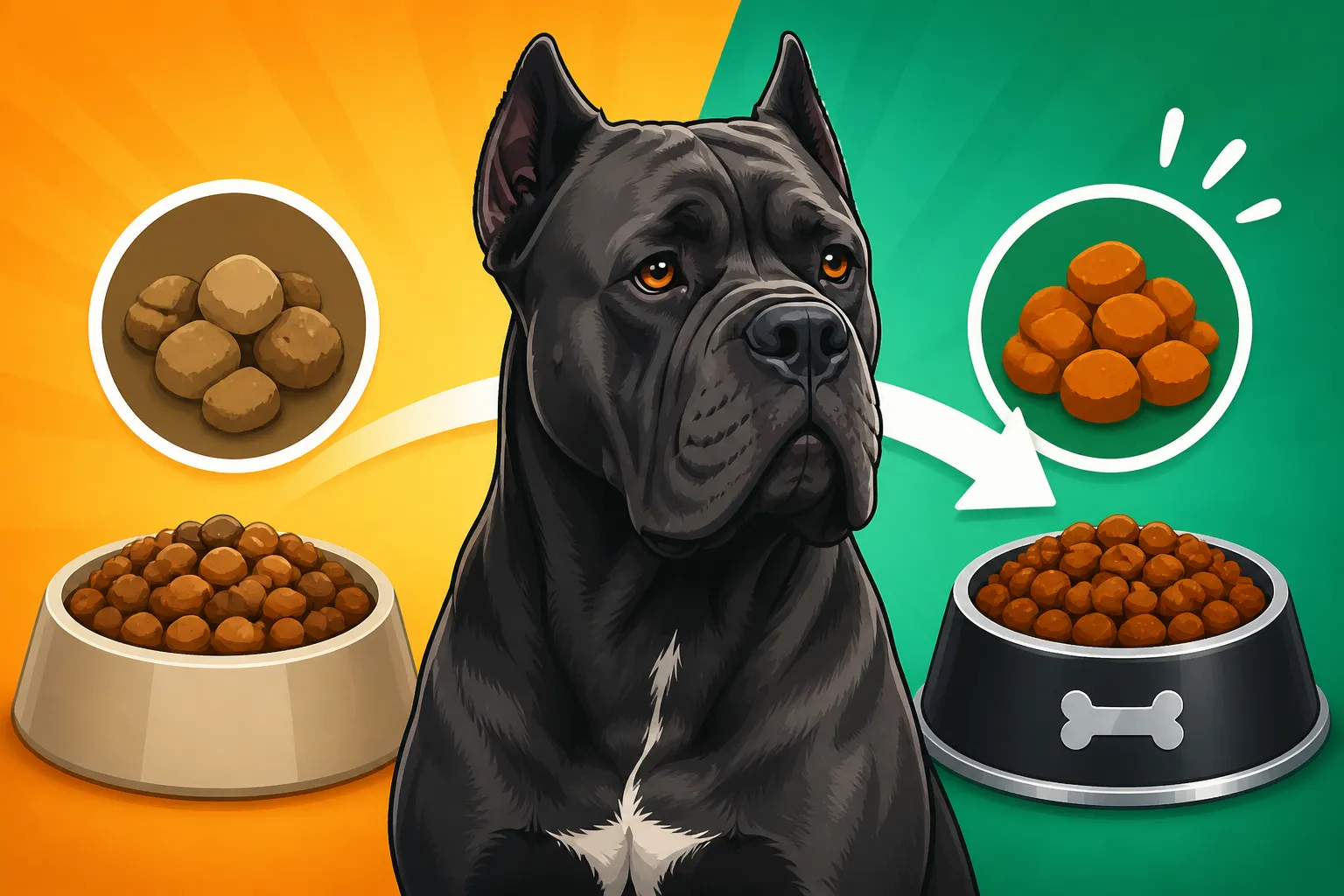
Switching a Cane Corso Onto a New Food
One of the most common anxieties for any Cane Corso owner is when it's time to change their dog's food. You’re already juggling a million things, and the thought of accidentally upsetting your giant companion’s digestive system with a new kibble can feel overwhelming, leading to weeks of messy cleanups and a stressed-out pup. This comprehensive guide is here to walk you through the process, ensuring a smooth transition that keeps your Cane Corso happy, healthy, and mess-free.
The Sensitive Stomach: Why a Cane Corso Needs a Slow Food Transition
Anyone who's ever lived with a Cane Corso knows they aren't just big dogs; they're magnificent, powerful creatures with unique needs, and their digestive system is definitely one of them. Unlike some smaller, more resilient breeds, a Cane Corso's gut can be surprisingly finicky, making sudden dietary shifts a recipe for disaster. It’s not just about avoiding a little discomfort; for these large, deep-chested dogs, a severe upset can sometimes spiral into more serious health concerns.
Understanding Your Cane Corso's Digestive Peculiarities
Cane Corsos, like many large and giant breeds, have digestive systems that are built for processing a substantial amount of food, but they are also quite sensitive to changes in composition. Their gut flora—the community of beneficial bacteria living in their intestines—is accustomed to a certain diet. When you suddenly introduce a completely new food, even if it's high quality, you're essentially shocking that delicate ecosystem. This can lead to an imbalance, where the good bacteria struggle to keep up with the new ingredients, and less desirable bacteria might flourish, causing all sorts of problems.
Think of it like this: your Cane Corso's digestive system is a finely tuned machine. You wouldn't suddenly pour a different type of fuel into a high-performance engine and expect it to run perfectly, would you? The same principle applies here. Their bodies need time to recognize, process, and adapt to the new proteins, fats, carbohydrates, and fibers. This is especially true for a breed prone to certain sensitivities, and rushing the process can trigger a cascade of issues that are both unpleasant for your dog and challenging for you to manage. Understanding this inherent sensitivity is the first step in protecting your gentle giant. Many owners describe their Cane Corso experiencing The Gas a Cane Corso Produces and What Causes It if food is switched too quickly.
The Risks of an Abrupt Diet Change for Giant Breeds
When you swap out your Cane Corso's old food for a new one overnight, you’re essentially hitting their digestive system with a curveball it's not ready to catch. The most immediate and common risks are stomach upset, vomiting, and diarrhea. Imagine your magnificent Corso, usually so poised and powerful, suddenly looking miserable, hunched over, and having accidents in the house. It's heartbreaking to witness, and frustrating to clean up.
Beyond the immediate mess and discomfort, an abrupt change can lead to more serious problems. Severe diarrhea can quickly cause dehydration, which is a major concern for large dogs, especially puppies or seniors. Persistent vomiting or diarrhea can also inflame the gastrointestinal tract, making future food changes even harder. In some deep-chested breeds, severe gastrointestinal upset can even be a contributing factor to bloat, a life-threatening condition where the stomach twists. While the primary cause of bloat is complex, any stress on the digestive system is best avoided. This is why many experienced Cane Corso owners will tell you that Diet Changes That Upset a Deep Chested Cane Corso are always handled with extreme caution. Taking the time to transition properly isn't just a recommendation; it's a critical preventative measure for your Cane Corso's overall health and well-being.
Crafting the Perfect Transition Plan: A Step-by-Step Guide
So, you’ve decided on a new food for your Cane Corso, perhaps after careful research or a vet recommendation. That's fantastic! Now, the key is to introduce it so gradually that your dog's system barely notices the change. This isn't a race; it's a slow, steady journey that prioritizes your Cane Corso's health and comfort above all else. This methodical approach minimizes digestive distress and helps ensure a positive association with their new mealtime routine.
The Essential Seven-to-Ten Day Introduction Schedule
The golden rule for switching dog food, especially for a large breed like the Cane Corso, is a gradual transition over at least seven to ten days. Some highly sensitive dogs might even benefit from a two-week transition. This extended period allows their digestive enzymes and gut bacteria ample time to adjust to the new ingredients without overwhelming their system.
Here’s a typical schedule to follow:
| Day | Old Food Ratio | New Food Ratio | Observation Notes |
|---|---|---|---|
| 1-2 | 75% | 25% | Check for normal stool consistency, energy levels, and appetite. |
| 3-4 | 50% | 50% | Monitor closely for any signs of loose stool, gas, or reduced appetite. |
| 5-6 | 25% | 75% | Continue to watch stool, energy. If all is well, proceed. |
| 7-10 | 0% | 100% | Full transition. If any issues arise, revert to the previous comfortable stage and extend the transition. |
It's crucial to understand that this isn't a rigid timetable; it's a flexible guideline. If at any point your Cane Corso shows signs of digestive upset (like loose stools or vomiting), you should pause the transition at the current ratio until their system stabilizes. Then, proceed even more slowly. Patience is your best friend here, because a few extra days of careful mixing are far better than weeks of dealing with a very unhappy stomach. This careful approach helps avoid common issues like Why a Cane Corso Has Loose Stools on New Food.
How to Introduce New Food: Mixing Ratios and Meal Timing
Successfully introducing new food isn't just about the ratio; it's also about how you mix it and when you feed it. When combining the old and new kibble, make sure they are thoroughly mixed together. You don't want your Cane Corso picking out just the new bits or leaving the old. The goal is for them to ingest a consistent blend with each mouthful, so their system gradually encounters the new ingredients.
Consider your Cane Corso's existing meal routine. Most adult Cane Corsos benefit from The Daily Ration an Adult Cane Corso Actually Needs split into two meals a day, rather than one large one. This can be especially important during a food transition, as smaller meals are often easier on a sensitive stomach. If your dog is currently on a single meal, consider splitting it as you transition. This helps reduce the volume of new food introduced at any one time, giving their system even more opportunity to adjust. Consistency in meal timing is also key. Sticking to a regular schedule helps regulate their digestive system and makes the transition less stressful overall. For puppies, who often get three meals a day, the same gradual increase in the new food applies, but spread across their multiple feedings. Owners often wonder about Timing a Cane Corso's Meal Around Its Walk, which is also a factor to consider during this transition time, aiming for calm digestion.
Monitoring Your Cane Corso for Signs of Discomfort or Acceptance
Throughout this entire transition process, you become your Cane Corso's chief observer. Pay close attention to their stool consistency, frequency, and color. Any sudden changes to very soft, watery, or abnormally colored stool are red flags. You should also watch for changes in their appetite. Are they still eager for mealtime, or are they hesitant to eat the new mixture? A loss of appetite could indicate digestive discomfort or simply a strong dislike for the new food.
Beyond the obvious, look for more subtle signs. Is your Cane Corso more gassy than usual? Are they licking their lips excessively, swallowing frequently, or showing signs of nausea like drooling or trying to eat grass? These can all be indicators that their stomach isn't quite happy. On the flip side, if their stools remain firm and well-formed, their appetite is strong, and their energy levels are normal, then you're on the right track! Keeping a small journal or a mental note of their daily reactions can be incredibly helpful, especially if you need to consult your vet.
Navigating Challenges: What to Do When Your Cane Corso's Stomach Stumbles
Even with the most meticulous transition plan, sometimes your Cane Corso's stomach might still hit a snag. It's not uncommon, and it certainly doesn't mean you've done anything wrong. The key is to know how to react calmly and effectively to get your big pal back on track.
Tackling Loose Stools and Diarrhea: When to Adjust or Pause
Loose stools or mild diarrhea are the most common bumps in the road during a food transition. If you notice your Cane Corso's stool becoming soft, particularly as you increase the new food, don't panic. The first step is to pause the transition immediately. Revert to the previous ratio of old to new food where your dog was comfortable, or even go back to 100% old food if the diarrhea is significant. Maintain this ratio for a few extra days until their stools firm up completely.
Once they're back to normal, you can try to resume the transition, but go even slower. Instead of a 25% increment every couple of days, maybe try 10-15% increments over three to four days. You might also consider adding a probiotic supplement to their food during this time. Whether a Cane Corso Needs a Probiotic is a common question, and during a food transition, it can be a real game-changer in supporting their gut health. If the loose stools persist for more than 48 hours, worsen, or are accompanied by other symptoms like lethargy or vomiting, it's definitely time to call your veterinarian.
When Vomiting or Appetite Loss Signals a Bigger Problem
While loose stools are relatively common, vomiting or a complete loss of appetite are more serious signals that warrant closer attention. If your Cane Corso vomits once or twice, but then seems otherwise normal, retains their appetite, and has normal stools, it might just be a minor hiccup. However, if vomiting is persistent, severe, or accompanied by lethargy, weakness, or blood, it's an emergency. Don't wait; contact your vet immediately.
Similarly, a total refusal to eat the new food, even when mixed with the old, is a concern. Some dogs are just picky, but a Cane Corso refusing meals for more than 24 hours, especially if they seem generally unwell, could indicate an underlying issue beyond just disliking the food. Your vet can help rule out medical conditions and provide guidance on how to stimulate appetite or if a different approach to the new food is needed. Never force your Cane Corso to eat if they are refusing food due to illness.
Distinguishing Between Transition Troubles and True Food Sensitivities
It can be tough to tell the difference between temporary digestive upset from a food transition and a genuine food sensitivity or allergy. Transition troubles usually manifest as temporary loose stools, gas, or mild stomach upset that resolves as the gut adjusts or if you slow the transition further. Once fully transitioned, these symptoms should disappear.
A true food sensitivity or allergy, however, will likely cause persistent issues even after a full, slow transition, or may even worsen over time. These can manifest as chronic diarrhea, recurrent vomiting, itchy skin, ear infections, or even paw chewing. If you’ve successfully transitioned your Cane Corso to the new food, and weeks later you’re still seeing these symptoms, or if new symptoms like intense itching appear, you might be looking at an ingredient sensitivity. In this scenario, working with your vet on an elimination diet or further diagnostic testing, such as for An Elimination Diet for an Itchy Cane Corso, would be the next logical step. It's a journey of careful observation and sometimes, a little detective work!
Beyond Kibble: Exploring Different Food Types for Your Cane Corso
Switching food isn't just about moving from one brand of kibble to another. It can also mean exploring entirely different types of diets for your Cane Corso, each with its own set of considerations. Whether you're considering wet food, fresh food, or even a raw diet, understanding the nuances of each can help you make the best choice for your dog's health and your lifestyle.
Deciphering Dry Kibble: Protein, Fat, and Ingredient Quality
Dry kibble remains the most popular and convenient choice for feeding Cane Corsos, primarily due to its ease of storage and cost-effectiveness. However, not all kibbles are created equal. When selecting a new kibble, especially for a giant breed, it’s vital to look beyond the flashy marketing on the bag. Focus on the ingredient list: a high-quality kibble will list a named meat source (e.g., "chicken meal," "lamb") as the first ingredient, not vague "meat by-products" or excessive fillers like corn or soy.
The protein and fat content are also crucial. Growing Cane Corso puppies, for instance, need a specific balance to ensure healthy, steady growth without growing too fast, which can put stress on their developing joints. Why a Cane Corso Puppy Needs Giant Breed Food is paramount, as these formulas are designed to support controlled growth. For adult Cane Corsos, the ideal protein and fat content can vary based on their activity level and individual metabolism. Always check the guaranteed analysis to ensure it meets your dog's needs. Remember, a good quality kibble provides complete and balanced nutrition, which is non-negotiable for a dog of this stature. Many owners reliably order their preferred kibble through retailers like Chewy or Amazon, often finding competitive pricing and convenient delivery.
The World of Wet, Fresh, and Raw Diets: Pros and Cons for Cane Corsos
Moving beyond traditional kibble opens up a world of dietary possibilities, each with its own set of benefits and challenges for a Cane Corso.
Wet Food: Often seen as a more palatable option, wet food can be great for picky eaters or dogs needing extra hydration. It's typically less calorically dense than kibble by volume, meaning you'll need to feed more of it to meet your Cane Corso's energy requirements, which can become quite expensive with a dog of this size. It's usually highly processed, though, and may not offer significant nutritional advantages over high-quality kibble.
Fresh Food (Cooked/Gently Cooked): This option involves feeding commercially prepared, gently cooked meals. Proponents argue it's more digestible and contains fewer artificial ingredients than kibble. Services like Ollie, for example, offer pre-portioned, human-grade meals delivered to your door, which can be a convenient way to feed fresh food. The main drawbacks are the significantly higher cost and the need for careful portion control to prevent weight gain, especially considering How Many Cups a Ninety Pound Cane Corso Gets.
Raw Food (BARF – Biologically Appropriate Raw Food or PMR – Prey Model Raw): A raw diet attempts to mimic the ancestral diet of canids. Many owners who choose this path believe it leads to better digestion, shinier coats, and increased energy. However, Whether a Cane Corso Does Well on Raw requires careful research and formulation to ensure it's nutritionally complete and balanced. There are also risks associated with handling raw meat, including bacterial contamination, and the diet must be meticulously balanced to avoid nutritional deficiencies or excesses, particularly for a growing giant breed. It's often the most time-consuming and expensive option, requiring dedication to hygiene and proper storage. Always consult with a veterinarian or a certified canine nutritionist before embarking on a raw diet for your Cane Corso.
Making Informed Choices: Reading Labels and Understanding Nutritional Needs
Regardless of the food type you choose, becoming a savvy label reader is paramount. Don't just glance at the front of the bag or can; flip it over and scrutinize the guaranteed analysis and ingredient list.
- Guaranteed Analysis: This tells you the minimum percentages of crude protein and fat, and maximum percentages of crude fiber and moisture. For a Cane Corso, you want to ensure appropriate protein levels to support their massive musculature and fat content for energy without leading to obesity.
- Ingredient List: Ingredients are listed by weight before cooking. Look for whole, identifiable ingredients. A named meat protein (chicken, beef, lamb) should be the first ingredient, ideally followed by other quality protein sources or healthy carbohydrates like sweet potatoes or brown rice. Avoid foods with excessive fillers, artificial colors, flavors, or preservatives.
Also, be aware of AAFCO (Association of American Feed Control Officials) statements. A food should state that it is "complete and balanced" for a specific life stage (e.g., "for growth," "for maintenance," or "for all life stages"). This ensures it meets the nutritional requirements for your Cane Corso's particular phase of life. Understanding these details empowers you to make truly informed decisions for your large breed's long-term health. While What a Large Breed Kibble Costs for a Cane Corso can be a factor, prioritizing quality ingredients can save on vet bills in the long run.
Long-Term Dietary Health: Considerations for Every Life Stage
A Cane Corso's dietary needs aren't static; they evolve significantly throughout their life. What works for a rapidly growing puppy won't be ideal for a mature adult, and an aging senior dog will have entirely different requirements. Adapting their diet to these various life stages is crucial for maintaining their health, vitality, and impressive physique.
Adjusting to Growth and Activity Levels: Puppy to Adult Transitions
The puppy stage for a Cane Corso is one of incredible, rapid growth, but it needs to be controlled growth. What a Cane Corso Should Weigh at Six Months gives you a benchmark, but slow and steady wins the race for joint health. Giant breed puppy formulas are specifically designed with lower calcium and phosphorus ratios, and moderate protein levels, to prevent overly fast growth that can contribute to orthopedic problems like hip or elbow dysplasia. Feeding a standard puppy food, or one too high in calories, can accelerate growth to an unhealthy degree.
As your Cane Corso transitions from puppyhood to adulthood, usually between 18-24 months, their caloric and nutrient needs will shift again. They won't be growing bone and muscle at the same frantic pace, so their caloric intake will need to be adjusted downward to prevent weight gain. This is another crucial food transition that should be done gradually, just like switching brands. Moving from a giant breed puppy formula to an adult large breed formula requires the same seven-to-ten day mixing method, carefully monitoring their weight and energy levels to ensure a seamless change.
Supporting the Senior Cane Corso: Tailoring Diet for Aging Bodies
As your Cane Corso ages and becomes a senior, typically around 7-8 years old, their metabolism slows down, activity levels often decrease, and their bodies face new challenges. Whether a Senior Cane Corso Needs Softer Food is often a consideration, especially if dental issues or discomfort arise. Many senior formulas are designed to be lower in calories to prevent weight gain, which can exacerbate joint problems. They also often contain joint-supporting supplements like glucosamine and chondroitin, and higher levels of fiber to aid digestion.
However, some senior Cane Corsos might actually need more calories if they start losing muscle mass or struggle to maintain weight due to underlying health issues. It's a fine balance that requires close observation and regular vet check-ups. Look for foods that support cognitive function with ingredients like omega-3 fatty acids, and maintain muscle mass with easily digestible proteins. The goal is to provide a diet that supports their aging body, keeps them comfortable, and maintains their quality of life for as long as possible.
The Role of Hydration and Supplements for Ongoing Digestive Health
Beyond the food itself, proper hydration and strategic supplementation play a massive role in your Cane Corso's long-term digestive health. These dogs need constant access to fresh, clean water. Dehydration can lead to constipation, make digestion inefficient, and impact overall health. Consider having multiple water bowls around the house, especially if you have an active Cane Corso, and clean them daily to encourage drinking.
Supplements, when used wisely, can offer additional support. Probiotics, as mentioned earlier, can help maintain a healthy gut microbiome, which is vital for digestion and nutrient absorption. Omega-3 fatty acids, commonly found in fish oil, can reduce inflammation throughout the body, including the gut, and promote a healthy skin and coat. Joint supplements, while not directly digestive, are often crucial for large breeds to support their heavy frames. Before adding any supplements to your Cane Corso's diet, always consult with your veterinarian to ensure they are appropriate for your dog's specific needs and won't interfere with any existing medications or health conditions. Thoughtful care in every aspect of their diet ensures a vibrant, healthy life for your Cane Corso.
Disclaimer
This article is for general informational purposes only and does not constitute professional advice. Laws, prices and regulations vary by location and change over time. Consult a qualified professional for guidance on your specific situation.