What a Cane Corso Would Actually Do With an Intruder
One of the most common questions I hear from potential Cane Corso owners, and even those who've had them for a while, revolves around their legendary protection instincts: "What would my Cane Corso actually do if someone broke into my home?" It's a natural concern, rooted in the breed's impressive appearance and historical role, but the reality is often more nuanced than the dramatic scenarios we conjure in our heads. This guide will walk you through the true nature of a Cane Corso's guarding abilities, what you can realistically expect from your dog in a crisis, and how to responsibly manage such a powerful instinct.
The Innate Guardian: Understanding the Cane Corso's Instincts
Let's be real, a Cane Corso isn't just a big, handsome dog; they were literally bred for centuries to protect property and livestock in rural Italy. This isn't just a personality quirk; it's deep-seated genetic programming that makes them different from, say, a Labrador Retriever. They are hardwired to assess, to observe, and to react when they perceive a threat to their family or territory.
The Breed's Historical Role and Modern Manifestation
Imagine ancient Italian farms, called masserie, in Puglia or Basilicata. These weren't quiet little homesteads; they were bustling hubs with livestock, families, and valuable goods. The Cane Corso, or "bodyguard dog," was indispensable. Their job was to deter human and animal predators, often without direct human command. They were expected to be brave, intelligent, and discerning. This means they weren't just aggressive toward everything; they had to learn to differentiate between a friendly neighbor, a stray dog, or a genuine threat. This selective discernment is a hallmark of the breed's true guarding nature.
In modern times, while most of us aren't guarding cattle from wolves, that intrinsic drive hasn't vanished. It translates into a natural vigilance around the home, a keen awareness of strangers, and often, a strong territorial streak. They will notice everything, from a leaf blowing across the yard to an unfamiliar car slowing down on your street. This hyper-awareness is the foundation of their guardian ability. You can read more about this in What a Cane Corso's Guardian Instinct Actually Is.
Distinguishing Instinct from Aggression
It's crucial to understand that a Cane Corso's guarding instinct is not the same as aggression. A true guardian is protective, yes, but also stable and controlled. An aggressive dog reacts out of fear or an inability to cope with stimuli, often indiscriminately. A well-bred Cane Corso, by contrast, is typically calm and observant until a genuine threat presents itself. Then, their demeanor can shift dramatically. They become statuesque, their posture changes, and their gaze intensifies. This is their warning system kicking in.
However, an untrained or poorly socialized Cane Corso can easily blur these lines. Without proper guidance, their natural suspicion can morph into fear-based reactivity, which is dangerous. You want a dog that can calmly assess a situation, not one that lunges at every person who walks past your fence. This is why understanding The Difference Between Guarding and Reacting in a Cane Corso is so important for every owner.
Reading Your Cane Corso's Alert Signals
Your Cane Corso will almost always give you a heads-up long before an actual confrontation. They are masters of subtle communication. Pay attention to:
- Fixed Stare: Their eyes lock onto the perceived threat, unblinking. Their body might be still, almost rigid.
- Low Growl: Not a frantic, angry growl, but a deep, resonant rumble that vibrates from their chest. It's a clear "stay away" signal.
- Posturing: They might stand tall, head held high, ears (if natural) often perked forward. Their hackles might rise, but not always with every alert.
- Barrier Blocking: Standing between you and the perceived threat, or positioning themselves at a gate or doorway to block entry.
Understanding these signals allows you to intervene, assess, or reinforce their appropriate behavior. It's their way of saying, "Hey, something's up."
When a Threat Appears: Predicting Your Cane Corso's Response to an Intruder
So, a genuine intruder scenario unfolds. What then? The movies often show dogs launching themselves heroically into battle, but the reality for most Cane Corsos is a bit different, and it largely depends on their training, socialization, and the specific circumstances.
The Untrained Cane Corso's Response
Let's imagine a scenario: You're out running errands, and someone tries to kick in your back door. If your Cane Corso is home alone and has not received any specific protection training, their response would likely be one of two extremes:
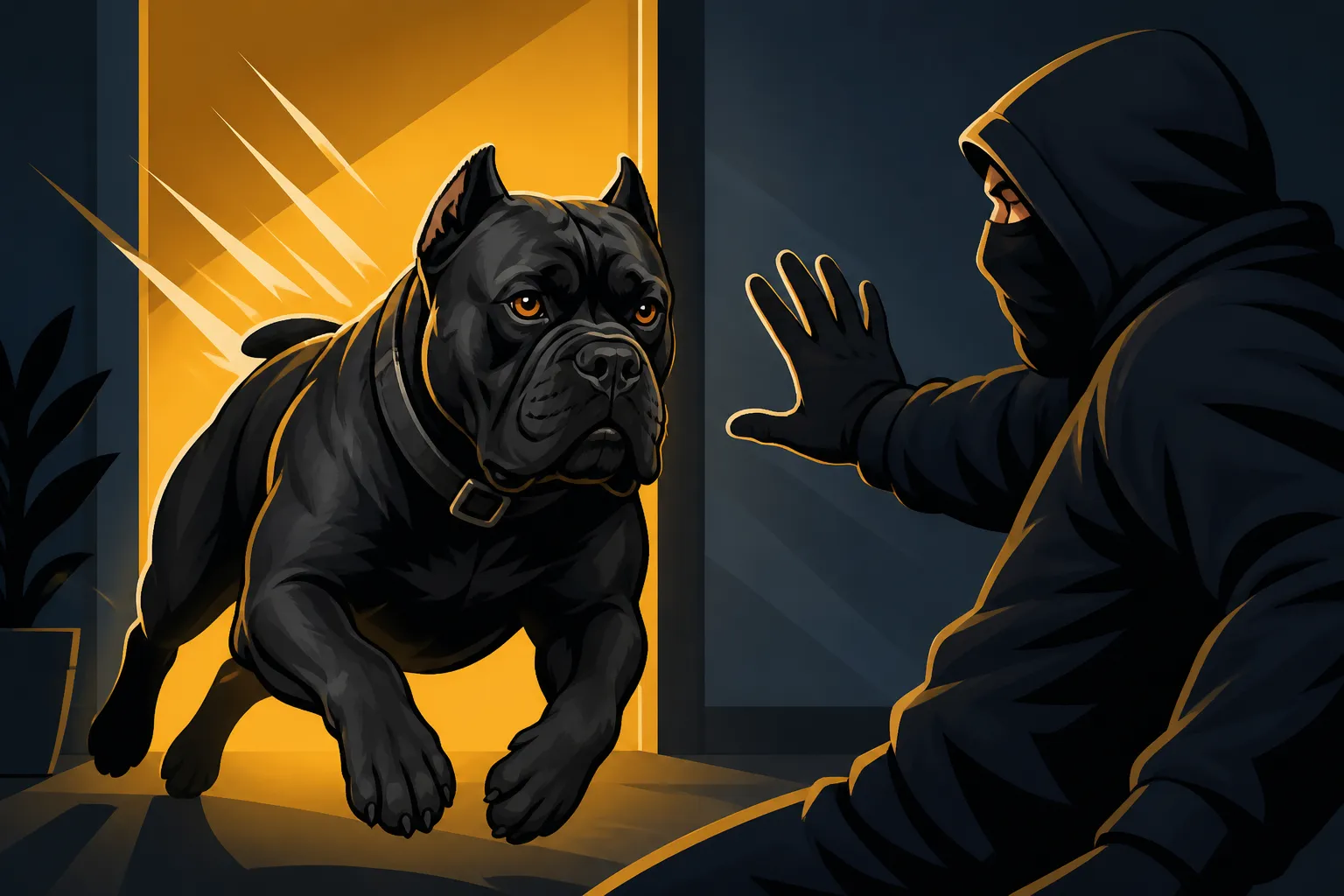
- Massive Deterrent Display: This is the most common and often highly effective response. A Cane Corso, especially a large, deep-chested male, has an incredibly intimidating bark. It's not a yappy bark; it's a deep, booming sound that echoes through the house. Coupled with their sheer size and imposing presence, this alone is usually enough to send an opportunistic intruder fleeing. Many burglars are looking for an easy target, and a furious, large dog inside is rarely part of their plan. They might also growl, snarl, and slam against windows or doors. Their goal, instinctually, is to deter the threat.
- Overwhelmed or Reactive: Less common, but possible, especially if the dog has been poorly socialized, is fearful, or has underlying anxiety. An untrained dog might become overly reactive, barking excessively at benign stimuli, or, conversely, might retreat in a genuine crisis if they've never learned to channel their instincts appropriately. Some might react with fear-based aggression, which is unpredictable and not ideal for genuine protection. They might engage, but without control, it could be a chaotic and potentially dangerous situation for everyone involved.
In either case, a truly untrained Cane Corso is unlikely to engage in a controlled "attack" or "hold" scenario. Their actions will be driven purely by instinct, which means they might warn, they might rush the perceived threat, or they might simply make a lot of noise. For most owners, the sheer presence and vocalization of their Cane Corso is the primary deterrent.
The Responsibly Trained Cane Corso
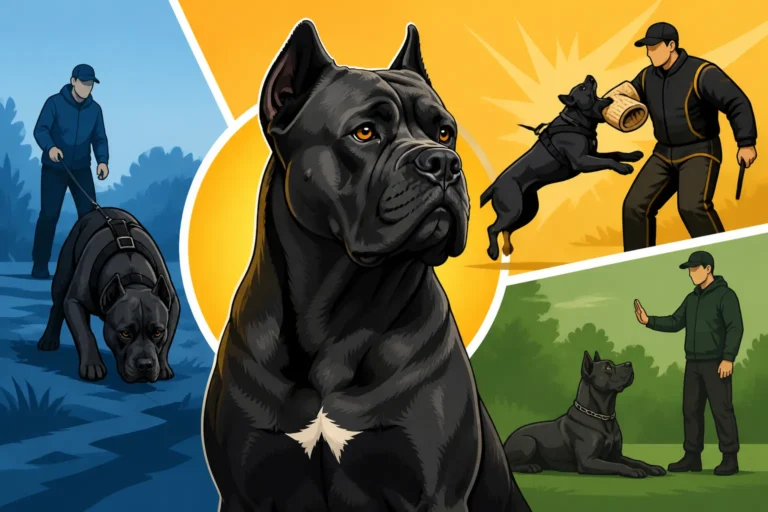
Now, let's consider a Cane Corso that has undergone appropriate, responsible protection training. This isn't about teaching a dog to be aggressive; it's about teaching them control and discernment.
Imagine the same scenario, but this time, you are home, and an intruder forces their way in.
- Controlled Deterrence: A trained Cane Corso will first offer a clear, formidable warning. This might be an intense, deep bark, a purposeful stand-off, or a calculated display of strength. Their presence is unnerving.
- Engagement on Command (or as a Last Resort): If the intruder ignores the warning and continues to threaten the family, a responsibly trained Cane Corso would be capable of engaging, not in a frenzied attack, but in a controlled manner. This could involve blocking, pushing, or even biting to neutralize the threat, all while remaining attentive to their handler's commands. The key here is control. The dog can be called off once the threat is gone or contained. This kind of training is highly specialized and requires a dedicated, knowledgeable owner and an expert trainer. It's not something you dabble in.
A trained dog's actions are precise, deliberate, and directly proportional to the threat level, unlike an untrained dog whose actions might be more frantic or less effective. This level of training also heavily relies on the dog's foundational obedience. A dog that won't recall reliably in a park won't be reliable in a high-stress protection scenario. Recall Training a Cane Corso in an Open Field is a great example of the baseline skills needed.
The "Silent Guardian" Myth vs. Reality
There's a persistent myth that a Cane Corso will silently dispatch an intruder, like some stealthy ninja dog. While their size and power are undeniable, the reality is that most Cane Corsos, especially in a home invasion scenario, will be loud. Very loud. Their bark is a primary tool of deterrence. It alerts you, alerts neighbors, and often scares off the intruder.
A dog that truly operates in "stealth mode" without warning is an anomaly, often a product of specific, highly advanced, and frankly, risky training, or a dog with a deeply imbalanced temperament. For the average family Cane Corso, their presence, size, and booming bark are their strongest assets against an intruder. Relying on a "silent attack" is not a realistic expectation or a safe training goal for most pet owners.
Fostering Responsible Protection: Training and Management for a Cane Corso
So, how do you cultivate these natural guarding instincts responsibly without creating a liability? It boils down to a combination of early exposure, consistent training, and understanding your dog's individual temperament.
The Critical Role of Socialization and Obedience
This cannot be stressed enough: a truly protective Cane Corso is a socialized and obedient Cane Corso.
- Early, Positive Socialization: Your puppy needs to see the world, meet a wide variety of people, and experience different environments from a young age. This isn't about turning them into a social butterfly who loves everyone; it's about teaching them what is normal and not threatening. A well-socialized dog is confident, not fearful, and can discern between a friendly mail carrier and a genuine threat. Without this, their natural guarding instincts can easily become generalized fear or reactivity towards anyone unfamiliar. Take your puppy to safe, controlled environments, meet friendly strangers, and introduce them to new sounds and sights. Think of platforms like BAXTER & Bella that offer online puppy training programs to guide you through these critical early stages, making sure your pup gets the right start. You'll want to read The Socialization Window a Cane Corso Puppy Gets for a comprehensive guide on this.
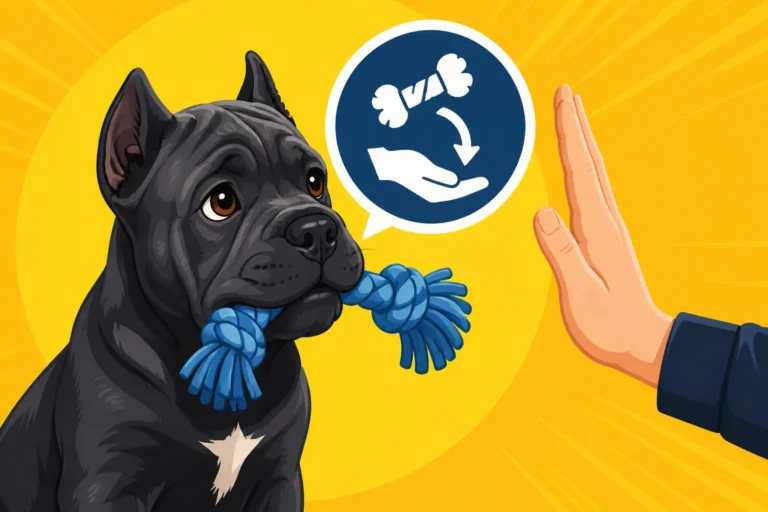
- Foundational Obedience: A guardian dog must be under absolute control. A "stay," "place," or "recall" command must be rock-solid, even in distracting environments. This means enrolling in puppy classes and continuing with advanced obedience. You need to be able to call your dog off a situation immediately if needed. This control is not only for safety but also for clarity for your dog. They need to understand that you are the decision-maker. If your Cane Corso doesn't listen to you, their "protection" could become an uncontrollable danger.
A useful table comparing the impact of socialization and training on a Cane Corso's behavior in different scenarios:
| Scenario | Untrained/Poorly Socialized Cane Corso | Well-Socialized/Trained Cane Corso |
|---|---|---|
| Mail Carrier | Excessive barking, lunging at fence, fear-based reactivity. | Alert bark, observes from a distance, can be called to "place" calmly. |
| Unexpected Guest | Fearful barking/growling, hiding, or aggressive posturing. | Alert bark, assesses guest, allows handler to control interaction. |
| Neighbor's Child | Anxious, unsure, potentially reactive if child makes sudden moves. | Tolerant, ignores child or observes calmly from a distance. |
| Actual Intruder | Loud, frantic barking; chaotic confrontation; may engage unpredictably. | Powerful, controlled deterrence; engages if commanded; recalls on cue. |
Enhancing Home Security Beyond Your Dog
While your Cane Corso is a fantastic deterrent, they should be one layer of your home security, not the only one. Relying solely on your dog is irresponsible and puts both your family and your dog at undue risk.
- Physical Security: Invest in strong locks, an alarm system, motion-sensor lights, and secure fencing. Fencing That Actually Holds a Cane Corso is crucial because a determined intruder might try to circumvent your dog by targeting a weak spot in your perimeter. Remember, your dog can't call 911.
- Security Cameras: Cameras provide invaluable evidence and can also act as a deterrent. They offer a layer of passive security that complements your dog's active presence. Many smart home systems integrate well, allowing you to monitor your property even when you're not there. You can find robust, pet-friendly security cameras on platforms like Amazon.
- Communication: Make sure your family has a plan for what to do in an emergency. Where do you go? Who do you call? Your dog is part of the family, but they aren't your emergency response team.
When Professional Training is Appropriate
If you're considering serious protection training for your Cane Corso, it's not a DIY project. This is where professional help is absolutely non-negotiable.
- Finding a Reputable Trainer: Look for trainers specializing in protection work who emphasize control, obedience, and discernment above all else. They should evaluate your dog's temperament thoroughly and ensure the dog is stable, confident, and suitable for such work. Be wary of anyone promising an "attack dog" without extensive foundational obedience and socialization. Ask about their methods, their philosophy, and demand to see their dogs in action.
- Focus on Control, Not Aggression: A good protection dog is a tool, not a weapon. They are taught to respond to specific threats and, crucially, to disengage on command. This takes incredible skill on the part of the trainer and commitment from the owner. This is not the same as encouraging aggression, which leads to unstable, dangerous dogs.
- Ongoing Commitment: Protection training is not a one-time class; it's an ongoing commitment to reinforce skills, maintain control, and continue socialization. A dog capable of true protection work requires constant reinforcement and handling.
Realistic Expectations and the Owner's Responsibility
Owning a Cane Corso means taking on a significant responsibility, especially concerning their protective nature. It's not just about what they can do, but what you allow them to do and how you manage their immense power.
Understanding Liability
Let's talk about the uncomfortable truth: if your Cane Corso bites someone, even in a scenario you perceive as justified (like an intruder), you could face significant legal and financial consequences. Laws vary by state and municipality, but many hold dog owners strictly liable for their dog's actions.
- The "Intruder" Defense: While some jurisdictions might offer a defense for a dog protecting its home or owner, it's rarely a guaranteed shield. The specifics of the situation (e.g., was the intruder truly a threat, or just a lost delivery driver?) will be scrutinized.
- Homeowner's Insurance: Many insurance companies have breed restrictions, and the Cane Corso often makes these lists. This can make obtaining or maintaining coverage difficult, and if you're found liable for a bite, your policy might not cover it, leaving you personally responsible for massive medical bills, legal fees, and damages. Always check with your insurance provider. You might need an umbrella policy to cover such risks, or seek out insurers that specifically write policies for guardian breeds. Getting Homeowners Cover With a Cane Corso in the House is vital reading.
The Importance of Control and Management
Your Cane Corso's powerful guarding instinct is a double-edged sword. It offers peace of mind, but it also demands unwavering control and vigilant management.
- Always Supervise: Never leave your Cane Corso unsupervised, especially around strangers or children, unless they are safely crated or secured. This is a massive, powerful animal, and even a playful bump can injure someone.
- Muzzle Training: This isn't just for "problem" dogs. Why Every Cane Corso Should Be Muzzle Trained Early is an essential skill for every Cane Corso. It's a responsible tool for vet visits, emergencies, or situations where you might encounter unfamiliar people or animals in close quarters. It provides an extra layer of safety and demonstrates responsible ownership. You can find comfortable, well-fitting basket muzzles that allow your dog to pant and drink on Amazon.
- Continued Socialization: Even an adult Cane Corso benefits from continued, calm exposure to the world. This reinforces their stability and discernment. Don't isolate your dog. A dog that is under-exercised or under-socialized is more likely to react inappropriately. What Happens to an Under Exercised Cane Corso can clarify the behavioral impact of insufficient activity.
- Be a Responsible Ambassador: Your Cane Corso's behavior reflects on the entire breed. Their reputation is already complex, with some areas having breed-specific legislation. Your careful training and management contribute to challenging negative stereotypes.
In conclusion, a Cane Corso will most likely warn an intruder with their imposing presence and formidable bark. Whether they escalate beyond that depends heavily on their individual temperament, your dedicated training, and the specific circumstances of the threat. The greatest protection they offer comes from being a stable, well-socialized, and obedient dog, under the control of a responsible owner. Never mistake their guarding instinct for an excuse to skip proper training or to rely solely on them for security. They are partners in your home's safety, not the sole solution.
Disclaimer
This article is for general informational purposes only and does not constitute professional advice. Laws, prices and regulations vary by location and change over time. Consult a qualified professional for guidance on your specific situation.