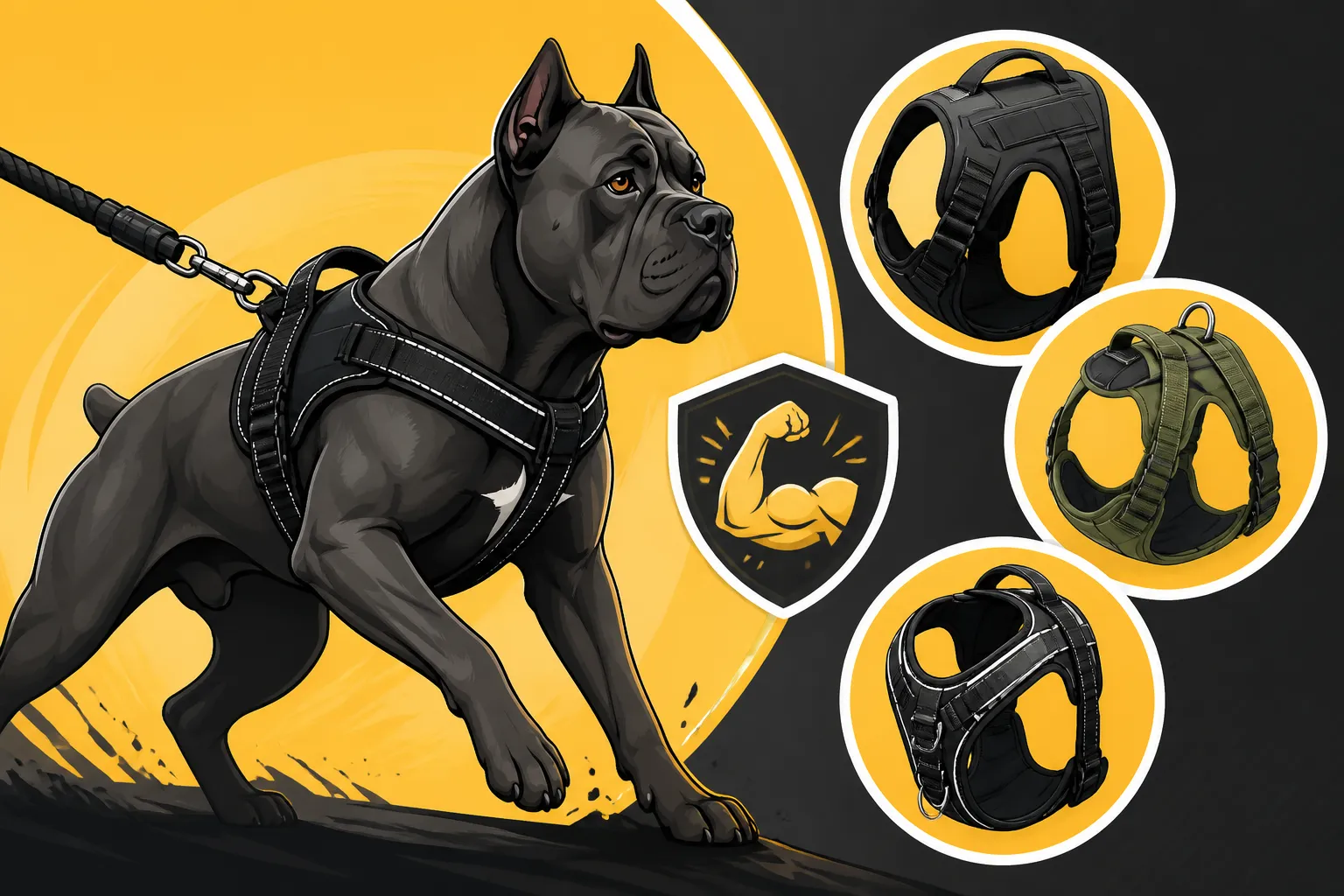
Harnesses Rated for a Cane Corso’s Pull
If you've ever found yourself being dragged down the street by your magnificent Cane Corso, feeling like a human anchor rather than a handler, you know the frustration. It's not just about inconvenience; it's about safety for both you and your powerful dog. Finding the right harness isn't just a purchase; it's an investment in control, comfort, and the overall enjoyment of your walks. This guide will walk you through understanding why your Cane Corso pulls, what makes a harness truly effective for such a strong breed, and how to choose one that can stand up to their impressive might.
Understanding the Cane Corso's Pulling Power
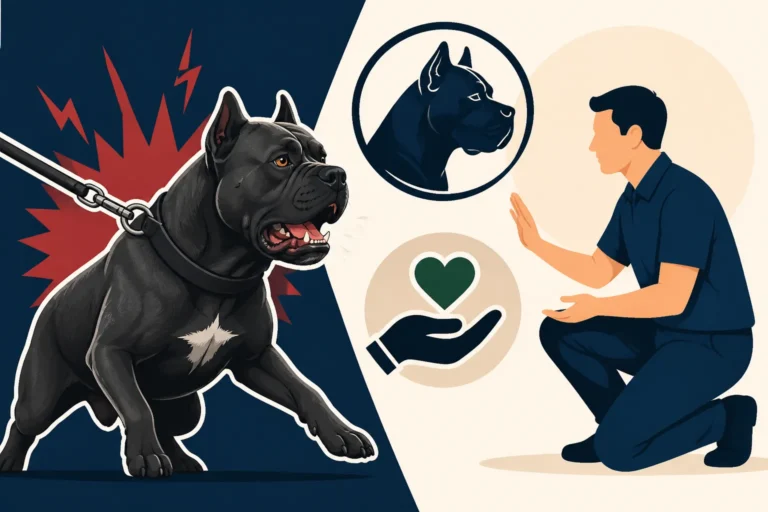
Let's be honest, a Cane Corso isn't just any dog. They are powerful, athletic, and bred to work. When a dog like this decides to pull, it’s not a gentle tug; it's a force of nature that can genuinely lift you off your feet or cause serious shoulder pain. This isn't usually born out of malice, but simply instinct and excitement.
Why Your Cane Corso Becomes a Locomotive
Cane Corsos are inherently strong animals with a strong prey drive and a natural inclination to explore. For them, the world is a symphony of smells, sights, and sounds, and they want to get to it now. This natural curiosity, combined with their impressive musculature, means that without proper training and equipment, they can easily become overwhelming on a leash. They’re not pulling to be dominant; they’re pulling because it’s efficient for them to get where they want to go, and frankly, they’re very good at it. Many owners underestimate this sheer physical power until their puppy hits adolescence and suddenly they're dealing with over a hundred pounds of determined dog.
It's a common scenario: you’re walking along, your Cane Corso spots a squirrel, another dog, or even just an interesting patch of grass, and woosh! – you’re off-balance, scrambling to keep up. This can lead to dangerous situations, from you falling and injuring yourself, to your dog potentially getting into a situation you can't control. It’s also incredibly frustrating and can make walks feel like a chore rather than a bonding experience.
The Problem with Traditional Collars for Pulling
Many people start with a flat collar or a choke chain, sometimes even a prong collar, thinking these will solve the pulling issue. While prong collars can be effective tools for some, they require very specific, skilled handling and should ideally be used under the guidance of a professional trainer. For a dog as strong as a Cane Corso, a flat collar offers virtually no control once they decide to put their weight into it. It can also cause damage to their trachea and neck if they're constantly straining against it.
A traditional back-clip harness, while seemingly comfortable, often exacerbates pulling in strong dogs. When the leash attaches to the back, it allows your Cane Corso to engage their full shoulder and chest muscles, effectively turning them into a sled dog. They lean into it, and off they go, with all their power directed forward. This is why many owners find that a regular harness, while better for their dog's neck, does little to curb the pulling itself. This isn't to say these tools are bad, but they might not be the right solution for a pulling Cane Corso. For effective training beyond just equipment, consider reading What to Look For in a Cane Corso Trainer.
Choosing the Right Harness for a Powerful Puller
When it comes to a Cane Corso, not all harnesses are created equal. You need something specifically designed to manage their strength and redirect their pulling energy safely and effectively. The key is often in the attachment point and the construction.
Front-Clip Harnesses: Redirecting the Force
For most pulling Cane Corsos, a front-clip harness is often the gold standard. Instead of the leash attaching at the back, it clips to a ring on your dog's chest. The magic here is simple physics: when your Cane Corso pulls, they are immediately turned to the side, away from the direction they want to go. This disrupts their forward momentum and makes it much harder and less satisfying for them to pull. They can't effectively lean into their pull, and the act of being turned around often prompts them to look back at you, opening a window for communication and reward.
These harnesses are not punitive; they work by making pulling inefficient and uncomfortable, without causing pain. They encourage your dog to walk beside you, because that's the path of least resistance. Look for brands that offer robust construction, strong stitching, and durable hardware suitable for a large, powerful dog. When browsing sites like Chewy, pay close attention to reviews from owners of similar large breeds. It's vital that the harness fits well, not restricting shoulder movement or rubbing under the armpits. A poorly fitted harness, even a front-clip one, can cause chafing and discomfort, making your dog dislike walks entirely.
Dual-Clip Harnesses: Versatility and Control
Some harnesses offer both a front-clip and a back-clip option, often called dual-clip harnesses. These can be incredibly versatile, especially as you progress in your loose leash walking training. You might start by clipping to the front to manage pulling, and as your Cane Corso learns to walk politely, you can transition to clipping to the back for more freedom, or even use both clips simultaneously with a double-ended leash for maximum control.
Using a double-ended leash allows you to have a connection point on the chest and another on the back, giving you much more leverage and communication with your powerful dog. This setup is excellent for advanced training or for situations where you need extra security, like in a busy urban environment. It essentially gives you "power steering" over your Cane Corso. Remember, a harness is a tool, not a fix-all. Pair it with consistent training. Loose Leash Walking a Cane Corso Puppy covers vital steps for young dogs, and Stopping a Cane Corso Before It Drags You Off Your Feet addresses the immediate problem.
Head Halters: The Ultimate in Directional Control
For some Cane Corso owners, especially those with extremely strong pullers or reactive dogs, a head halter can be an invaluable tool. These work much like a horse halter, fitting around your dog's muzzle and behind their ears. The leash attaches under the chin. If your dog pulls, their head is gently turned to the side, making it impossible for them to pull forward effectively. This gives you incredible directional control, as where the head goes, the body often follows.
However, head halters require a careful, positive introduction to ensure your Cane Corso accepts it comfortably. Many dogs initially resist them, trying to paw them off. Introduce it slowly with lots of treats and praise, making it a positive experience. They are not muzzles, but they can restrict a dog's ability to bite, which can be an added benefit for some owners dealing with reactivity. While highly effective, they might not be the first choice for every owner, and professional guidance on their use is always recommended. This type of equipment is about giving you clear communication, not about force.
Key Features of a High-Quality Cane Corso Harness
When you're dealing with a breed as strong as a Cane Corso, durability and intelligent design are paramount. A flimsy harness won't last, and more importantly, it won't keep you and your dog safe.
Durability and Materials
Your Cane Corso harness needs to be built like a tank. Look for:
- Heavy-Duty Webbing: Wide, thick nylon or polyester webbing that can withstand immense pressure without stretching or tearing. Thin straps will dig into your dog and won't hold up.
- Strong Hardware: All buckles, D-rings, and adjusters should be metal or very high-quality, reinforced plastic. Plastic buckles are often the first point of failure on cheaper harnesses when a strong dog hits the end of the leash. Look for hardware that feels substantial and secure.
- Reinforced Stitching: Pay attention to where the straps meet the D-rings and buckles. These stress points should have multiple lines of stitching, often in a box-X pattern, to prevent unraveling under tension.
- Padding: While durability is key, comfort is also important. Padding around the chest plate and under the armpits can prevent chafing, especially for a short-coated breed like the Cane Corso. This is where products from reliable pet supply companies really shine.
Remember, a Cane Corso can exert significant force. Don't skimp on quality here. Investing in a well-made harness upfront can save you money and headaches in the long run, preventing broken equipment and potential escapes.
Proper Fit for a Deep-Chested Breed
Cane Corsos are deep-chested, powerful dogs, and fitting a harness correctly is crucial for both comfort and effectiveness. A harness that fits poorly can restrict movement, rub their skin, or allow them to slip out.
- Shoulder Clearance: The harness should never impede the natural movement of their shoulders. If the straps are too tight or placed incorrectly over the shoulder joints, it can cause discomfort, alter their gait, and potentially lead to long-term orthopedic issues. Ensure there's plenty of room for their powerful shoulder muscles to move freely.
- Chest Strap Position: The horizontal chest strap should sit low enough that it doesn't press on their throat, yet high enough that it doesn't interfere with their front legs' movement or cause chafing. For deep-chested dogs, finding that sweet spot is essential.
- Snug, Not Tight: You should be able to comfortably slide two fingers under all straps, but no more. If it's too loose, they can back out of it. If it's too tight, it will rub and cause discomfort.
- Adjustability: A good harness will have multiple adjustment points – usually around the neck, chest, and sometimes even the belly – to ensure a custom, secure fit for your uniquely shaped Corso. As a large breed, they grow for quite a while, so a harness with good adjustability can adapt as your dog fills out over their first couple of years. The Growth Curve a Cane Corso Follows to Nineteen Months is a good read on this.
An ill-fitting harness is as useless as no harness at all. Take the time to measure your dog carefully and consult sizing guides. When you get the harness, spend some time adjusting it while your dog is calm and standing naturally. If you're unsure, a professional trainer or vet tech can often help you get the perfect fit. If an improperly fitting harness leads to skin irritation or a joint issue from constant pulling, a good pet insurance like Healthy Paws can certainly help with vet bills down the line.
Control and Safety Features
Beyond basic pulling management, think about additional features that enhance safety and control:
- Handle on the Back: Many well-designed harnesses for large breeds include a sturdy handle on the back. This is incredibly useful for close-quarter control, quickly grabbing your dog to prevent an unwanted interaction, or assisting them over obstacles. It's a lifesaver in unexpected situations where you need to physically manage your dog instantly.
- Reflective Strips: For walks in low light conditions, reflective stitching or strips are a must. They greatly increase your Cane Corso's visibility to cars, cyclists, and pedestrians, adding an important layer of safety, especially if you walk early mornings or late evenings.
- Escape-Proof Design: Some Cane Corso owners, particularly those with anxious or highly motivated dogs, might seek out "escape-proof" harnesses. These often feature an extra strap around the waist or belly, making it much harder for a dog to back out of the harness by twisting and pulling backward. This can provide peace of mind for dogs who are notorious for slipping out of standard harnesses.
Having the right equipment is one part of the equation; the other is consistent, positive reinforcement training. Remember that the harness is a tool to help you teach, not a substitute for training. Pairing your new harness and leash training with high-value treats (perhaps even a few from a fresh food service like Ollie) can make all the difference in motivating your Cane Corso to walk politely.
Making the Most of Your Cane Corso's Harness
A harness is a powerful training tool, but like any tool, its effectiveness depends on how you use it. Proper introduction, consistent training, and understanding its limitations are all key.
Introducing the Harness Positively
Many dogs, especially powerful breeds like the Cane Corso, can be wary of new equipment. A positive introduction is vital to ensure they associate the harness with good things.
Start by letting your Cane Corso sniff the harness. Offer treats and praise when they show curiosity. Don't force it on them. Next, drape it over their back for a few seconds, again rewarding calm behavior. Gradually increase the time it's on them, working up to buckling it, still indoors. Let them wear it for short periods around the house, supervised, associating it with positive activities like play or mealtime.
Once they're comfortable wearing it, attach the leash and practice walking indoors for short bursts, immediately rewarding loose leash walking. The goal is to make the harness a non-event, a natural part of going for a walk, not something they dread. Patience here will pay dividends. For more on early training, see The Age a Cane Corso Puppy Starts Formal Training.
Consistency is Your Best Friend
No harness, no matter how well-designed, will magically fix a pulling problem without consistent training. The harness is a tool to help you train, not a replacement for it.
- Loose Leash Walking Drills: Practice loose leash walking in various environments, starting in low-distraction areas and gradually increasing the challenge. Reward your Cane Corso heavily for keeping a loose leash, using verbal praise, treats, or even a favored toy.
- Stop-and-Go Method: If your Cane Corso pulls, simply stop walking. Stand still like a tree until the leash slackens, then immediately start walking again. This teaches them that pulling gets them nowhere, while a loose leash gets them forward motion. This technique is incredibly effective but requires consistency and patience on your part.
- Redirection: When your Cane Corso gets distracted or starts to pull, use the front-clip harness to gently redirect their attention back to you. Use your voice, a treat, or a touch to re-engage them, then reward them for re-focusing.
Every walk is a training opportunity. Consistency across all family members who walk the dog is crucial. If one person lets the dog pull, it undoes the hard work of another.
| Harness Type | Pros for Cane Corsos | Cons for Cane Corsos | Best Use Case |
|---|---|---|---|
| Front-Clip | Redirects pulling, prevents throat pressure, clear communication. | Can get tangled if dog twists, requires good fit to avoid rubbing. | General loose leash training, strong pullers. |
| Dual-Clip | Versatile, offers options for varying control needs, good for transition. | Can be more complex to put on, might still allow some pulling on back clip. | Progressive training, owners who want flexibility. |
| Head Halter | Excellent directional control, very effective for strong pullers/reactivity. | Requires careful positive introduction, some dogs dislike it on muzzle. | Extreme pullers, reactive dogs, precise control needed. |
| Back-Clip | Comfortable for non-pullers, easy to put on. | Encourages pulling in strong dogs, can lead to sled-dog effect. | Dogs already trained to walk politely, no pulling tendency. |
Limitations and When to Seek Professional Help
While a good harness is a fantastic aid, it's not a magic bullet. Some Cane Corsos have deeply ingrained pulling habits, or underlying behavioral issues (like reactivity or fear) that contribute to their pulling.
If you've tried different harnesses and consistent training without significant improvement, it might be time to seek help from a professional dog trainer or behaviorist. They can assess your specific situation, identify any underlying causes for the pulling, and provide personalized guidance and training plans. Sometimes, what looks like simple pulling can be a symptom of a larger issue that requires expert intervention. A skilled trainer can teach you how to effectively communicate with your powerful companion, making walks enjoyable for both of you. Don't hesitate to invest in this knowledge; The Training Bill a Cane Corso Owner Cannot Skip is an important consideration for any Cane Corso owner.
Ultimately, the goal is not just to stop the pulling, but to build a strong, positive relationship with your Cane Corso where walks are a joyful, controlled experience. The right harness is a stepping stone on that path.
Disclaimer
This article is for general informational purposes only and does not constitute professional advice. Laws, prices and regulations vary by location and change over time. Consult a qualified professional for guidance on your specific situation.