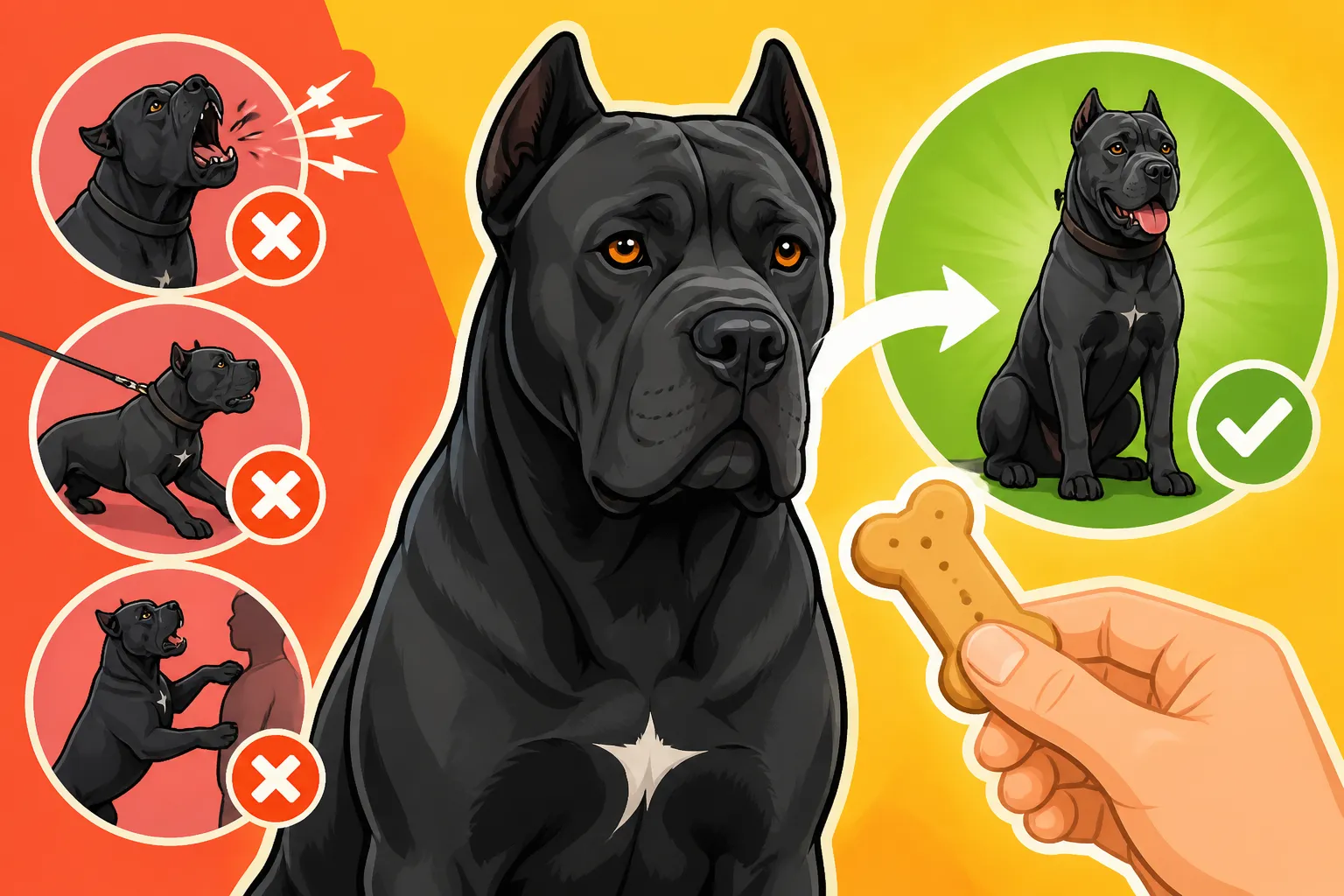
Training Treats a Cane Corso Gets Through in a Week
Anyone who's ever tried to train a Cane Corso knows they are brilliant dogs, but they also have appetites to match their impressive size. You open a new bag of training treats with optimism, ready to tackle recall or loose-leash walking, only to find yourself reaching for a fresh one just a few days later. It's a common frustration for Cane Corso owners: keeping up with the sheer volume of treats needed for consistent, effective training without breaking the bank or overfeeding your dog. This comprehensive guide is here to walk you through understanding how many training treats your Cane Corso genuinely needs, how to choose the right ones, and smart strategies for managing your supply and your budget.
The Sheer Volume of Treats a Cane Corso Consumes for Training
Let's be real: training a Cane Corso isn't like training a Chihuahua. Their size, intelligence, and potential for stubbornness mean you'll be using a lot more reinforcement, especially when they're young and in those critical learning phases. It's not just about one or two treats per session; it's about making every correct choice a rewarding one, which adds up quickly when you're working with a dog that can weigh over 100 pounds.
Puppyhood: Building Foundations with Constant Reinforcement
When your Cane Corso is a tiny bundle of wrinkles and paws, they're a blank slate, absorbing everything like a sponge. This is the prime time for positive reinforcement, and that means a high volume of treats. Every time they look at you, respond to their name, sit, stay, or potty outside, you'll be rewarding them. Think about it: a puppy might need to potty every hour or two, and each successful trip outside warrants a celebration. If you're doing five to ten short training sessions a day, each focusing on a different basic command, the treat count will skyrocket.
You're not just teaching commands; you're shaping their entire world view. Treats at this stage are crucial for building a strong bond and a positive association with learning. Because a young Cane Corso puppy has The Length of a Cane Corso's Attention Span that's relatively short, you'll be doing many very brief sessions, maybe just a minute or two, followed by a reward. This high frequency, coupled with the sheer number of behaviors you're trying to instill (sit, down, stay, come, potty, crate training, polite greetings), makes treats a cornerstone of your daily routine. Many owners find themselves going through a bag of small, pea-sized treats in just a few days during these intensive early weeks. Starting group classes, like what's covered in What a Cane Corso's First Six Week Class Costs, will only amplify this need, as you're rewarding successes in a more distracting environment.
Adolescent and Adult Training: Maintaining Focus and Tackling New Challenges
As your Cane Corso grows out of puppyhood and into that gangly, "teenager" phase, usually around six months to two years, the nature of your training shifts, but the need for treats doesn't disappear. This is often when owners hit a wall, as their once-eager puppy suddenly seems to have forgotten everything. This is a critical period for reaffirming established behaviors and introducing more complex ones, often in increasingly distracting environments. You might be working on proofing commands in busy parks, perfecting a rock-solid recall, or teaching polite leash manners around other dogs.
For an adolescent Cane Corso, especially when they're suddenly experiencing The Adolescent Cane Corso That Stops Listening, high-value treats become even more important. You're no longer just rewarding a sit in the living room; you're rewarding a reliable "come" when they're focused on a squirrel, or a calm "down" when another dog walks by. These higher-stakes situations require more potent motivation. While the frequency of individual treats might decrease compared to puppyhood (you're not giving one for every single step of house training anymore), the overall quantity can still be substantial, especially if you're engaging in advanced training like Rally and Agility With a Cane Corso or scent work, where consistent rewards are key to maintaining engagement and drive. Don't underestimate how many treats you'll need to keep your big dog's mind engaged and their motivation high.
Choosing the Right Training Treats for Your Giant
Not all treats are created equal, especially when you're dealing with a large breed like a Cane Corso. You need treats that are effective motivators, healthy for their large bodies, and won't break the bank given the volume you'll be going through. It’s a delicate balance between palatability, nutritional value, and cost-effectiveness.
High-Value Versus Low-Value: When to Bring Out the Big Guns
Understanding the difference between high-value and low-value treats is fundamental to effective training. Low-value treats are things your dog likes, but isn't over the moon about – perhaps their regular kibble, or a plain biscuit. These are perfect for everyday training in low-distraction environments, like practicing 'sit' in your quiet living room. They keep your dog engaged without overwhelming them or adding too many extra calories. They also help you stretch your treat supply further.
High-value treats, on the other hand, are the jackpot. These are the treats that make your Cane Corso's eyes light up, the ones they'd cross a busy street for. Think small pieces of cooked chicken, cheese, hot dogs, or specially made soft, meaty training treats. These are reserved for difficult tasks, new commands, or highly distracting environments – essentially, any time you really need to capture and hold your Cane Corso's attention. For a breed known for its focus and drive, understanding Whether Food Motivates a Cane Corso at different levels is key to choosing the right reward. Using high-value treats sparingly ensures they retain their special appeal, making them incredibly powerful tools when you need them most.
Size, Calorie Count, and Safety: Keeping Your Cane Corso Healthy
This is where the "giant breed" aspect really comes into play. A tiny training treat for a Yorkshire Terrier is almost nothing for a Cane Corso. You need to consider the size of the treat piece you're delivering and its overall caloric impact. Even small pieces add up. The goal is to give just enough to make a positive impression without contributing to unhealthy weight gain. For a breed like the Cane Corso, maintaining a lean body condition is vital for joint health, as discussed in Why a Lean Cane Corso Keeps Its Hips Longer.
Always break larger treats into pea-sized (or even smaller) pieces. Many trainers suggest using a "crumb" of a high-value treat rather than a whole piece. This allows for frequent reinforcement without overfeeding. Read the labels carefully for calorie counts and ingredients. Avoid treats with excessive fillers, artificial colors, or questionable byproducts. Quality matters, even in small bites. Remember, treats should constitute no more than 10% of your Cane Corso's daily caloric intake, and you'll need to adjust their regular meal portions accordingly. For reference, consider How Many Cups a Ninety Pound Cane Corso Gets in their main meals, and factor in how many treats you're adding on top. If your dog is getting a lot of treats, their dinner plate might need to shrink a little.
Homemade and Bulk Options: Saving Your Wallet (and Their Waistline)
Let's face it, buying premium training treats in the quantities a Cane Corso requires can get expensive. This is where getting creative and shopping smart comes in. Homemade treats are a fantastic option. You can boil chicken breast or hot dogs, cut them into tiny pieces, and freeze portions for later use. Hard-boiled eggs or plain, cooked lean ground beef can also be excellent, high-value, and cost-effective options. Just be sure to avoid any seasonings or ingredients that are toxic to dogs.
For commercial options, buying in bulk is your best friend. Retailers like Chewy offer larger bags of training treats, sometimes at a better per-ounce price. Look for soft, easily breakable treats that come in bigger quantities. You might even consider using your Cane Corso's regular kibble as a low-value treat, especially if they are highly food-motivated. If you're feeding a high-quality kibble, like those discussed in What a Large Breed Kibble Costs for a Cane Corso, this can be a very economical way to reinforce basic behaviors. Some owners even reserve a portion of their dog's fresh food, perhaps from a service like Ollie, to use as high-value training rewards, which can be a great way to ensure quality ingredients while managing costs. This is also a smart way to manage your overall food budget, especially if you're already exploring options like The Cost of Raw Feeding a Cane Corso.
Budgeting and Sourcing Your Weekly Treat Stash
Managing the treat supply for a Cane Corso isn't just about what they like; it's about keeping a steady stream of motivation without constant trips to the pet store or sticker shock when you see your monthly bill. Planning ahead and smart sourcing are key.
Estimating Weekly Consumption and Monthly Costs
So, how many treats does a Cane Corso really go through in a week? It honestly depends on their age, your training intensity, and the types of treats you're using.
For a young Cane Corso puppy in intense socialization and basic obedience, you could easily go through a large bag (say, 16-20 ounces) of small, soft training treats in a week. If you're breaking them into crumb-sized pieces, that might mean hundreds of individual rewards. For an adult Cane Corso, if you're working on advanced skills, proofing behaviors in public, or just doing regular refresher sessions, you might use 8-12 ounces of mixed high- and low-value treats weekly. This translates to quite a bit of product over the month.
To get a handle on the budget, I recommend keeping a rough estimate. If a 16 oz bag of quality soft treats costs you about what it does for a small bag of gourmet coffee beans, and you're going through one a week, that's a significant monthly expense. Add in those special high-value items like cheese or hot dogs, and you'll quickly see why owners need to plan this out. Think about it like this: if you're buying a popular brand of soft training treats, you might spend a decent chunk of money every week.
Here's a sample weekly treat budget to help visualize:
| Treat Type | Weekly Quantity (Approx.) | Purpose |
|---|---|---|
| Low-Value (Kibble/Dry Bits) | 1-2 cups | Everyday commands, easy environments, frequent repetitions |
| Mid-Value (Soft Chews) | 8-10 oz | New commands, moderate distractions, daily training sessions |
| High-Value (Meat/Cheese) | 4-6 oz | High-distraction environments, proofing, complex tasks, special rewards |
| Total | ~2 lbs | Consistent, Positive Reinforcement for a Cane Corso |
This table illustrates the volume; the cost will vary widely based on brand and sourcing.
Smart Shopping Strategies for Cane Corso Owners
Once you have an idea of your weekly needs, you can implement smart shopping strategies. Subscriptions are your friend! Many online pet supply stores, including Chewy, offer auto-ship options with discounts. This ensures you never run out of treats mid-training session, and often saves you a bit of money in the long run. Look for loyalty programs and sales. Buying during holiday sales or bulk purchasing events can save you a significant amount over the year.
Don't be afraid to try different brands, especially those that offer larger package sizes. Sometimes, a lesser-known brand offers excellent quality at a more accessible price point. Also, consider the versatility of your treats. Can they be easily broken into smaller pieces? Are they soft enough for quick consumption without choking risk? These practical considerations can save you time and stress, making your training sessions more efficient. Remember that just like Supplements a Cane Corso Owner Ends Up Buying, treats become a regular part of your pet care budget.
Integrating Treats into a Balanced Diet
It's crucial to remember that training treats contribute to your Cane Corso's daily caloric intake. If you're heavily relying on treats for training, you must adjust their regular meals accordingly to prevent obesity. An overweight Cane Corso is at higher risk for joint issues and other health problems. Talk to your vet or a canine nutritionist if you're concerned about balancing treats with meals.
One excellent strategy is to use a portion of your dog's regular daily food ration as training treats, especially if you feed a high-quality kibble or fresh food. This means you're not adding extra calories, just redirecting them. For example, if your adult Cane Corso typically gets Six to Nine Cups Across Two Cane Corso Meals, you might set aside a cup of that kibble to use exclusively for training throughout the day. If you're using a fresh food service like Ollie, portioning out some of their daily allotment into small, reward-sized chunks can be a fantastic, healthy, and highly motivating option. It ensures that every "treat" is also a piece of their balanced diet. Understanding The Daily Ration an Adult Cane Corso Actually Needs is key to making these adjustments effectively.
Disclaimer
This article is for general informational purposes only and does not constitute professional advice. Laws, prices and regulations vary by location and change over time. Consult a qualified professional for guidance on your specific situation.