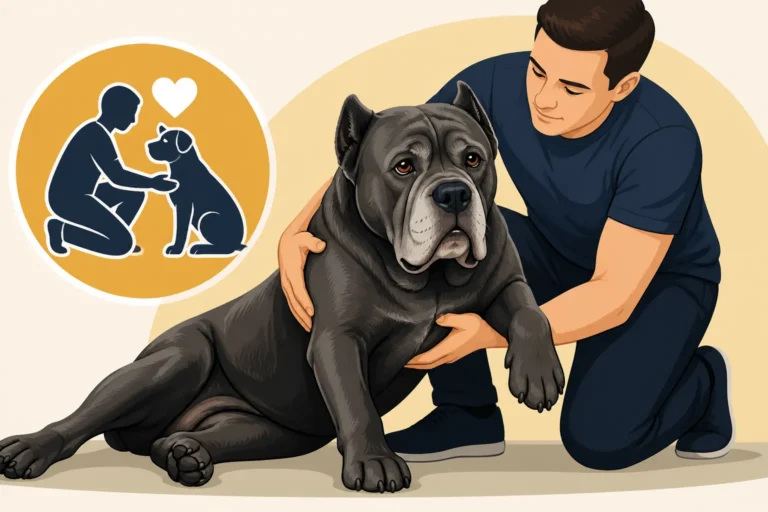
The Age a Cane Corso Is Treated as a Senior
It’s a natural, yet often heartbreaking, part of sharing our lives with these magnificent dogs: watching our powerful Cane Corsos begin to slow down. Many of us grapple with the question of when our seemingly invincible guardians officially transition into their senior years. It's not a sudden flip of a switch, and it certainly isn't a one-size-fits-all answer, but understanding the general age and the subtle signs can help us prepare and provide the best care for their golden years. This guide will walk you through the markers of seniority in a Cane Corso, detailing the physical and behavioral shifts you might observe, and how best to adapt their care to ensure comfort and dignity.
The Shifting Sands of Seniority in Large Breeds
The idea of "senior" varies widely among dog breeds, much like it does in people. A Chihuahua might be considered a senior at a different age than a Great Dane. For large and giant breeds like our Cane Corsos, the aging process tends to accelerate compared to their smaller counterparts. This often comes as a surprise to new owners who might assume a dog lives a similar number of years regardless of size.
Why Large Dogs Age Faster
It's a biological quirk that larger dogs, despite their imposing stature, often have shorter lifespans and hit their senior milestones earlier. While the exact reasons are still being researched, theories suggest that rapid growth rates and increased metabolic stress might contribute to an accelerated aging process at the cellular level. Think about it: a Cane Corso puppy grows from a tiny bundle to a 100+ pound adult in less than two years! This incredible growth puts immense demands on their bodies, particularly their skeletal and cardiovascular systems. This is why many giant breed veterinarians consider dogs like Cane Corsos to be entering their senior phase much earlier than, say, a Beagle.
Pinpointing the Cane Corso's Senior Age Range
So, when does a Cane Corso typically start to be considered a senior? While individual dogs will vary based on genetics, diet, exercise, and overall health management, most veterinarians and breed experts agree that a Cane Corso usually steps into its senior years somewhere between 6 and 8 years old. This might seem young to some, especially if you're comparing it to human years or smaller dog breeds. However, considering that the breed's median lifespan often hovers around nine years, as detailed in articles like The Nine Year Median Behind a Cane Corso's Lifespan, hitting senior status at six or seven means they're already past the halfway point of their expected journey. It's crucial not to dismiss these years as "middle age" because their bodies are already undergoing significant changes, even if outwardly they still seem quite active.
The Nuance of Individual Differences
Of course, these are averages. You might have a robust Cane Corso who still acts like a pup at seven, or one who shows signs of slowing down at five. Factors like their activity level throughout life, whether they've been kept at a healthy weight, and their genetic predispositions to certain health conditions all play a role. A Cane Corso with a history of joint issues might show senior signs earlier than a dog with perfectly sound hips and elbows. This is why paying close attention to your individual dog’s behavior and physical state is far more important than just looking at a calendar. It's about recognizing the subtle shifts rather than waiting for a dramatic decline.
Recognizing the Subtle and Overt Signs of Aging
Observing your Cane Corso daily is key to identifying when they're transitioning into their senior years. These changes can be gradual, sometimes so much so that you might not notice them until they've become quite pronounced. It's not about looking for extreme infirmity, but rather a shift in their baseline behavior and physical capabilities.
Changes in Energy Levels and Activity
One of the most common and often earliest indicators that your Cane Corso is becoming a senior is a noticeable dip in their energy levels. That boundless enthusiasm for a long walk or a vigorous play session might start to wane.
Decreased Stamina and More Naps
You might find your once-eager companion is now content with shorter walks, or even skips their afternoon romp entirely in favor of a long nap in a sunny spot. They might tire more quickly during playtime, perhaps only engaging for a few minutes before seeking out their bed. This isn't necessarily a sign of sadness or disinterest; rather, their body simply can't sustain the same level of activity it once could. Their muscles might ache more, their joints could be stiff, and their cardiovascular system might not be as efficient. It's a natural slowing down, and acknowledging it means adjusting their routine to prevent overexertion and discomfort. This might mean swapping a long, fast walk for two shorter, gentler strolls, or introducing more mental stimulation games to keep their minds active without taxing their bodies.
Reluctance for Stairs or Jumping
Another telling sign is a newfound reluctance to tackle stairs, jump into the car, or even hop onto the couch for cuddles (if that was previously allowed!). This often points to underlying joint discomfort, a common issue in large breeds. Dogs are masters at hiding pain, so a subtle hesitation could mean a lot. They might stand at the bottom of the stairs, looking up wistfully, or try to climb into the car with more effort than before. This is particularly relevant for a breed prone to orthopedic issues, and it might be time to discuss joint health with your vet if you haven't already. Conditions like hip or elbow dysplasia, which might have been subclinical in earlier years, can become more prominent as they age and cartilage wears down. For insights into managing joint pain, you might find Managing Arthritis in a Hundred Pound Cane Corso helpful.
Physical and Sensory Changes
Beyond energy levels, senior Cane Corsos often exhibit a range of physical and sensory changes that signal their age. These are often more overt and can significantly impact their daily life.
Graying Muzzle and Coat Thinning
Just like us, a Cane Corso’s muzzle will typically start to silver with age. It often begins around the lips and chin, gradually spreading to encompass the entire muzzle and sometimes even around the eyes. While some dogs might gray prematurely due to stress or genetics, a rapidly graying muzzle combined with other signs is a strong indicator of advancing age. You might also notice their coat becoming a bit thinner or coarser, especially over their back. This can be due to changes in metabolism, nutrition absorption, or hormonal shifts common in senior dogs.
Vision and Hearing Impairment
Many senior Cane Corsos will experience some degree of vision or hearing loss. You might notice them startle more easily if you approach from their blind side, or they might not respond to commands they once knew perfectly if your voice isn't loud or clear enough. Their eyes might develop a hazy, bluish tint, a condition known as lenticular sclerosis, which is a normal part of aging and doesn't usually impair vision significantly, but can sometimes be mistaken for cataracts. However, true cataracts can develop, leading to more significant vision loss. It's always best to have any eye changes checked by your vet. Similarly, decreased hearing can make them less aware of their surroundings, which is important to consider for their safety, especially outdoors. If you're noticing changes in their hearing, you might find yourself needing to clap your hands or stomp your feet to get their attention, rather than just using a vocal cue.
Weight Fluctuations and Muscle Loss
As Cane Corsos age, their metabolism slows down, and they tend to lose muscle mass, especially over their hindquarters. This muscle atrophy can make them look bonier or less "filled out" than they once were, even if their actual body weight hasn't changed dramatically. Conversely, if their activity decreases but their food intake remains the same, they can easily gain weight, which puts even more strain on already aging joints. Monitoring their body condition closely is essential. You should still be able to feel their ribs easily without seeing them protruding, and they should have a discernible waist. Discussing their ideal weight with your vet is crucial, as is adapting their diet and exercise. For more on this, check out The Weight an Old Cane Corso Should Hold.
Behavioral Shifts and Cognitive Changes
Beyond the physical, a senior Cane Corso can also display behavioral changes that hint at cognitive decline, often referred to as Canine Cognitive Dysfunction (CCD).
Increased Confusion or Disorientation
You might notice moments of confusion. Perhaps they stare blankly at a wall, get "stuck" in a corner, or forget why they went outside. They might pace aimlessly, particularly at night, or struggle to recognize familiar people or places. These moments can be heartbreaking to witness, as they are a clear sign that their once sharp minds are not as agile. It’s important to remember that these aren’t intentional acts; they are symptoms of neurological changes. Maintaining a consistent routine can help alleviate some of their anxiety and confusion.
Changes in Sleep-Wake Cycle and House Training
Senior dogs often experience disruptions to their sleep patterns. They might sleep more during the day but become restless and wakeful at night, pacing or even whining. This can be disorienting for both the dog and the owner. Additionally, a previously perfectly house-trained Cane Corso might start having accidents indoors. This could be due to weakened bladder control, increased thirst from certain medical conditions, or simply forgetting their training due to cognitive decline. Rule out medical causes first with your vet, but if it's age-related, increasing potty breaks and having absorbent pads available can help.
Altered Interaction with Family
A senior Cane Corso might change how they interact with family members. Some become more clingy and seek constant reassurance, while others might become more withdrawn, preferring solitude. They might be less tolerant of boisterous children or other pets, simply lacking the patience or energy they once had. It's vital to respect these changes and provide them with a calm, predictable environment. Ensuring they have a safe, quiet space to retreat to can make a huge difference in their comfort and sense of security. If you're noticing an increase in anxiety or a complete personality shift, discussing it with your veterinarian is a good step, as there can be underlying medical causes or treatments for canine cognitive dysfunction.
Adapting Care for Your Aging Cane Corso
Once your Cane Corso enters their senior years, their needs will inevitably change. Proactive and adaptive care is paramount to ensuring their comfort, health, and overall quality of life. This isn't just about managing problems as they arise, but about anticipating them and creating an environment that supports their aging body and mind.
Tailored Nutrition and Exercise Regimes
Diet and exercise are two cornerstones of senior dog care, needing careful adjustment as their metabolism and physical capabilities shift.
Adjusting Their Diet for Senior Needs
As your Cane Corso slows down, their caloric needs will likely decrease. Continuing to feed them the same amount of food they ate as a young adult can lead to unhealthy weight gain, which puts undue stress on their joints and internal organs. Many senior dog foods are formulated with fewer calories but increased protein to help maintain muscle mass, along with ingredients like glucosamine and chondroitin for joint support. Your vet can help you determine the right food and portion size based on your dog's individual health status and activity level. Small, frequent meals can also be easier on their digestive system. Remember, a lean Cane Corso tends to experience fewer joint issues throughout their life.
Modified Exercise for Joint Health
Exercise is still crucial for senior Cane Corsos, but the type and intensity need modification. Instead of long, strenuous runs, think gentle walks, perhaps two or three shorter ones per day instead of one long one. Swimming can be an excellent low-impact exercise if your Cane Corso enjoys it and has access to a safe pool, as it supports joints without concussive impact. The goal is to keep their muscles strong to support their joints, maintain a healthy weight, and provide mental stimulation, without causing pain or exhaustion. Watching for signs of fatigue or lameness during or after exercise is important. Articles like How Far an Old Cane Corso Should Still Walk can provide further guidance on appropriate activity levels.
Enhanced Veterinary Care and Monitoring
Regular and thorough veterinary check-ups become even more critical as your Cane Corso ages. Early detection of age-related diseases can significantly improve their prognosis and quality of life.
More Frequent Vet Visits and Diagnostics
While annual check-ups are standard for adult dogs, senior Cane Corsos often benefit from semi-annual (every six months) vet visits. These visits allow your veterinarian to catch potential issues like arthritis, kidney disease, heart conditions, or dental problems in their early stages. During these visits, expect your vet to perform a thorough physical exam, often including bloodwork, urine analysis, and potentially blood pressure checks or even an echocardiogram to assess heart health. Comprehensive bloodwork, as discussed in Yearly Bloodwork on an Adult Cane Corso, can flag changes in organ function long before visible symptoms appear. This proactive approach is your best defense against many age-related ailments.
Managing Common Ailments
Senior Cane Corsos are prone to certain health issues, and your vet will work with you to manage them. Arthritis is almost a given, and there are various medications, supplements, and physical therapies that can help keep them comfortable. Dental disease is also common and can lead to serious health problems if left untreated, so regular dental checks and professional cleanings are important. Keep an eye out for lumps and bumps, as older dogs are more susceptible to tumors, and early identification can be life-saving. Your vet can also screen for conditions like hypothyroidism, which can contribute to weight gain and lethargy in middle-aged and senior dogs. Having pet insurance, like a policy from Healthy Paws, can be incredibly helpful for covering the increased veterinary costs associated with these age-related conditions.
Creating a Comfortable and Safe Home Environment
Adapting your home to meet the changing needs of your senior Cane Corso can make a huge difference in their daily comfort and confidence.
Orthopedic Beds and Ramps
Comfort is paramount for an aging dog with aching joints. Investing in a high-quality orthopedic bed designed for large breeds can provide crucial support and relieve pressure points. These beds distribute weight more evenly than standard beds, reducing stiffness and pain. Similarly, ramps can be invaluable, allowing them to access elevated surfaces like the couch or car without having to jump, thus protecting their joints from further strain. Place non-slip rugs on slippery floors to provide better traction, especially in high-traffic areas, as a loss of grip can lead to falls and injuries. You can find excellent options for supportive sleeping in Orthopedic Beds Rated for a Cane Corso's Weight.
Addressing Sensory Deficits
If your Cane Corso is experiencing vision or hearing loss, make adjustments to your home and routine. For dogs with impaired vision, try not to rearrange furniture, and keep paths clear. Use verbal cues more frequently and clearly. For hearing-impaired dogs, rely on visual cues and hand signals, and approach them carefully to avoid startling them. Always make sure to wake them gently. Keeping a consistent daily schedule can also reduce anxiety and confusion for dogs with cognitive decline. Consider nightlights if they become disoriented in the dark.
Mental Stimulation and Emotional Support
Aging doesn't mean your Cane Corso stops needing mental engagement and emotional connection. In fact, these become even more important.
Gentle Play and Puzzle Toys
While vigorous play might be out, gentle games and puzzle toys can keep their minds sharp and prevent boredom. Slow-feeder bowls or treat-dispensing toys can make mealtime a stimulating challenge. Short, engaging play sessions with soft toys can still be enjoyable without overtaxing their bodies. The key is to adapt activities to their physical limitations while still providing mental enrichment. This helps combat cognitive decline and keeps them engaged with their surroundings.
Prioritizing Comfort and Affection
Above all, senior Cane Corsos need extra comfort, patience, and affection. They might not be able to join you on every adventure or play like they once did, but their need for connection remains strong. Spend quiet time with them, offer gentle massages, and reassure them if they seem confused or anxious. Their golden years are a precious time, and providing them with a loving, supportive environment is the greatest gift you can give them.
Planning for a Long and Healthy Senior Life
Understanding that your Cane Corso is entering their senior years isn't just about managing current issues; it's about proactively planning for the future. This forward-thinking approach can make all the difference in navigating the challenges that inevitably arise.
Financial Preparedness for Senior Care
The reality is, senior dogs often come with increased veterinary expenses. From more frequent check-ups and diagnostic tests to medications for arthritis or other age-related conditions, the costs can add up quickly.
Budgeting for Increased Vet Bills
It's wise to start setting aside funds specifically for your Cane Corso's senior care. This might mean establishing a dedicated savings account or researching pet insurance options before issues become "pre-existing conditions." Many owners find that while healthy Paws can be a lifesaver for unexpected accidents or illnesses, having a buffer for routine senior care, like twice-yearly blood panels and ongoing joint supplements, is also crucial. Understanding the potential expenses helps remove the stress of financial decisions during emotionally charged moments, allowing you to focus purely on your dog's well-being.
Considering Pet Insurance and Wellness Plans
If you don't already have pet insurance, researching options for senior dogs is important, though coverage for pre-existing conditions might be limited. Some insurers offer wellness plans that can help with the costs of routine senior exams and diagnostics. Healthy Paws is one of the carriers many owners look to for comprehensive coverage for accidents and illnesses. It's important to read policies carefully to understand what is covered as your Cane Corso ages, especially regarding chronic conditions that might develop. Proactive planning for future medical costs can provide immense peace of mind.
Quality of Life Assessments and End-of-Life Planning
This is perhaps the most difficult aspect of senior pet ownership, but it is also one of the most compassionate. Thinking about quality of life and end-of-life decisions well in advance allows you to make choices based on love and clear thought, rather than desperation in a crisis.
Regular Quality of Life Discussions with Your Vet
As your Cane Corso ages, regularly discussing their quality of life with your veterinarian becomes essential. This isn't just about managing pain, but about assessing their overall well-being. Are they still enjoying their favorite activities, even if modified? Are they eating and drinking adequately? Are they comfortable and free from chronic, unmanageable pain? Your vet can provide an objective perspective and help you evaluate their physical and mental state. It's a conversation that evolves over time, allowing you to track their journey and ensure their comfort. If you are ever faced with such a difficult decision, articles like Knowing When a Cane Corso Has Had Enough can offer support and guidance during a challenging time.
Preparing for End-of-Life Decisions
While painful to consider, having a plan for your Cane Corso's end-of-life care is an act of profound love. This might involve discussing options like in-home euthanasia to provide a peaceful transition in a familiar environment. Knowing your wishes for cremation or burial in advance removes added stress during a highly emotional time. This preparation allows you to focus entirely on comforting your beloved companion in their final moments, ensuring they are surrounded by love and peace. It’s a testament to the deep bond you share, allowing you to honor their life with dignity and compassion.
Disclaimer
The information provided in this article is for general informational purposes only and is not a substitute for professional veterinary advice. Always consult with a qualified veterinarian for any health concerns or before making any decisions about your Cane Corso's care, diet, or treatment.