When a Cane Corso Needs an Echocardiogram
It's incredibly worrying when your big, powerful Cane Corso, who usually seems like an unstoppable force, starts showing signs of slowing down or acting a little off. Canine heart conditions, especially in giant breeds, can be incredibly sneaky, often progressing silently until they reach a critical stage. This guide is here to walk you through exactly when an echocardiogram might be necessary for your Cane Corso, what to look for, and what to expect from the process, so you feel empowered and informed.
Understanding Canine Cardiac Health and the Cane Corso's Risk
Bringing a Cane Corso into your life means embracing a magnificent, strong, and deeply loyal companion. But it also means becoming acutely aware of the health predispositions that come with their impressive size and rapid growth. Their large frames and powerful musculature put a unique strain on their cardiovascular system, making cardiac health a significant concern for owners.
Why Large Breeds Face Unique Heart Challenges
Think about the sheer volume of blood a Cane Corso's heart has to pump to support a body that can weigh upwards of 100 pounds. It’s a monumental task, and over time, this consistent workload can lead to changes in the heart's structure and function. Unlike smaller breeds, which might suffer from valve issues, large and giant breeds like the Cane Corso are often more susceptible to conditions affecting the heart muscle itself. Their hearts need to be incredibly efficient, but sometimes, genetics and growth patterns conspire against them. The rapid growth spurt a Cane Corso experiences from puppyhood to adulthood also places immense stress on their developing systems, including their hearts. It's a period where the body is working overtime, and any underlying weakness can begin to manifest. Owners often focus on joint health during this time, but cardiac development is just as crucial.
Common Heart Conditions in Cane Corsos
When we talk about heart conditions in Cane Corsos, one acronym often stands out: DCM, or Dilated Cardiomyopathy. This is a progressive disease where the heart muscle becomes thin and weak, making it less effective at pumping blood. Imagine a balloon that's been overinflated too many times – it loses its elasticity and can't push air out as forcefully. That's essentially what happens to a heart affected by DCM. The chambers of the heart enlarge, and the walls thin, leading to a build-up of blood in the heart and lungs, eventually causing congestive heart failure. DCM is heartbreaking because it often progresses without obvious symptoms until the disease is quite advanced.
Beyond DCM, while less common for the breed, Cane Corsos can sometimes experience other cardiac issues. You might hear of a The Murmur a Cane Corso Puppy Is Born With, which could be benign and resolve on its own, or it could indicate an underlying structural problem that needs monitoring. Arrhythmias, or irregular heartbeats, can also occur, sometimes as a primary issue or as a secondary effect of DCM. It's a complex system, and a skilled veterinary cardiologist is truly a lifesaver when navigating these waters. This is why getting The Cardiac Exam Behind a Cane Corso's Clearance is so important, especially for breeding dogs, to help reduce the incidence of these hereditary conditions.
Signs Your Cane Corso Might Need an Echocardiogram
Knowing what to look for can make all the difference. Cane Corsos are stoic animals, often hiding discomfort until it’s significant. This means you, as their dedicated owner, need to be a detective, noticing even the most subtle shifts in their behavior or physical well-being. Don't dismiss those small changes as just "getting old" or "being lazy"—they could be vital clues.
Subtle Symptoms That Are Easy to Miss
Early signs of heart trouble in a Cane Corso are often frustratingly vague, mimicking other conditions or simply being attributed to normal aging. One of the most common early indicators is a decrease in exercise tolerance. Does your typically energetic Cane Corso lag behind on walks? Are they less enthusiastic about playtime in the yard? Do they tire out much faster than they used to, perhaps choosing to lie down sooner after a short burst of activity? This isn't just a sign of "getting older"; it could be that their heart simply can't keep up with the demands.
Another subtle symptom is persistent coughing, especially one that seems to worsen at night or when your dog is lying down. This cough might sound soft and moist, often described as a "wet" or "hacking" cough, rather than the dry, harsh cough associated with kennel cough. It happens because a weakened heart can lead to fluid building up in the lungs, irritating the airways. Your Cane Corso might also show a general lethargy or a lack of interest in things they usually enjoy. Maybe they sleep more, or they seem less engaged with family activities. They might even experience a slight, unexplained weight loss despite eating normally, as their body struggles to function efficiently. If you're noticing these kinds of changes, it's definitely time to discuss them with your vet. Catching these early signs can lead to a much better prognosis and quality of life for your beloved companion, potentially saving you a lot of heartache and vet bills in the long run. Even a policy from a provider like Healthy Paws can't cover pre-existing conditions if they aren't diagnosed early.
Red Flags Requiring Immediate Veterinary Attention
While subtle changes warrant a vet visit soon, some symptoms scream "emergency." If you observe any of the following in your Cane Corso, do not wait—contact your emergency veterinarian immediately. These are the Signs a Cane Corso's Heart Is Giving Out and require urgent intervention.
- Labored or Rapid Breathing: This isn't just panting after a vigorous run. This is breathing that looks like a struggle, even at rest. You might see their chest heaving, or their nostrils flaring. Their breathing rate might be noticeably faster than normal when they're calm. You can check their resting respiratory rate by counting breaths (one inhale and one exhale counts as one breath) over 30 seconds and multiplying by two. A normal rate is typically 15-30 breaths per minute. Anything consistently higher, especially if accompanied by effort, is a red flag.
- Fainting or Collapse (Syncope): This is perhaps the most alarming symptom. If your Cane Corso suddenly collapses, becomes disoriented, or loses consciousness, even for a brief moment, it means their brain isn't getting enough oxygen, usually due to severely compromised blood flow from the heart. This requires immediate medical attention.
- Swollen Abdomen (Ascites): Fluid accumulation in the abdomen can indicate right-sided heart failure. Your dog's belly might look distended or bloated, and they might seem uncomfortable. This is different from a normal, full belly after eating; it will feel taut and full of fluid.
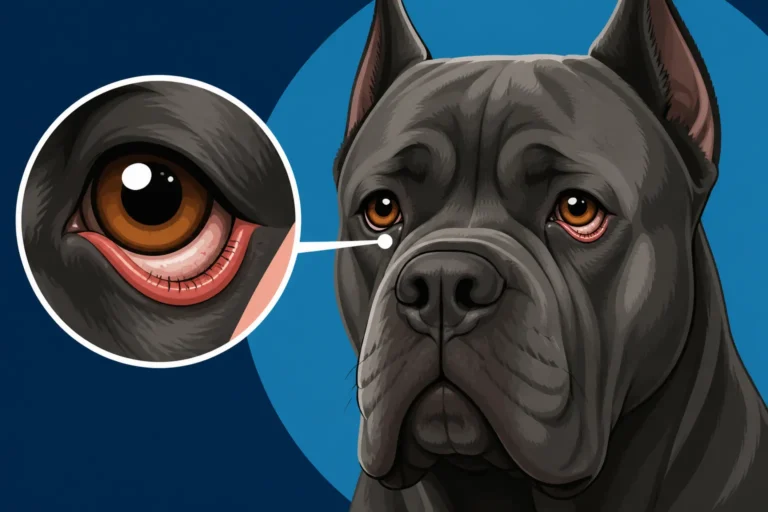
- Blue or Pale Gums (Cyanosis): Healthy gums should be a healthy bubblegum pink. If they appear pale, whitish, or have a bluish tinge, it's a sign that your dog isn't getting enough oxygen in their blood, which can be a critical sign of heart or lung failure.
- Sudden Weakness or Inability to Move: While lethargy is subtle, sudden, profound weakness where your Cane Corso can't stand or walk, or seems to lose coordination, is a grave sign.
These are not symptoms to "wait and see" about. Time is absolutely critical when these red flags appear, and prompt veterinary care can be life-saving.
The Echocardiogram Explained: What to Expect
Once your veterinarian suspects a heart condition, an echocardiogram is often the next step. It's the gold standard for diagnosing many cardiac diseases in dogs because it provides a detailed, dynamic view of the heart that other tests simply can't. It's natural to feel anxious about such a specialized procedure, but understanding what it entails can help ease your mind.
What an Echocardiogram Reveals About Your Cane Corso's Heart
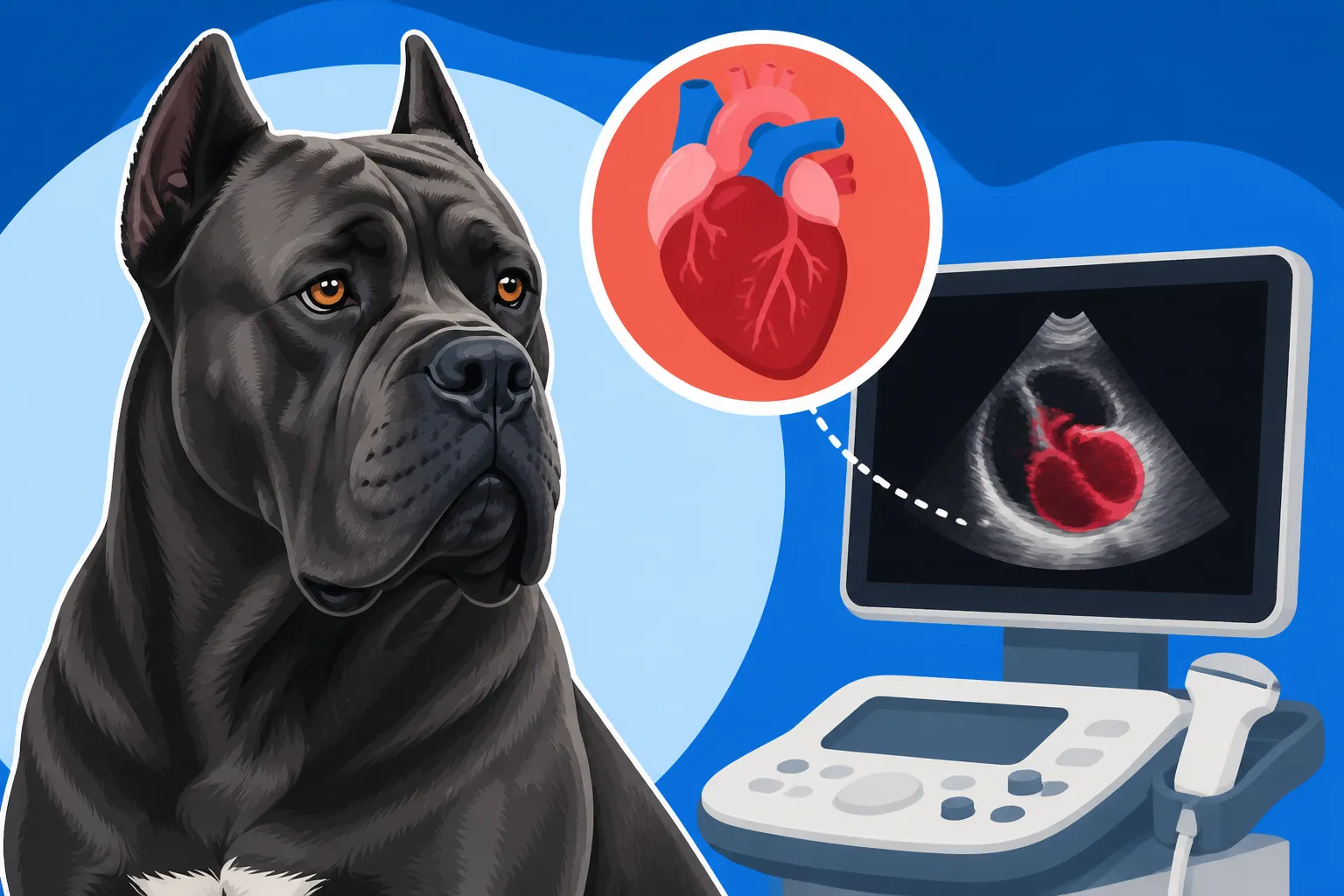
An echocardiogram is essentially an ultrasound of the heart. Instead of just looking at shadows like an X-ray, an echo uses sound waves to create real-time moving images of your Cane Corso's heart. Think of it like watching a live video feed of their heart beating, measuring, and pumping blood. This allows the veterinary cardiologist to assess a multitude of critical factors:
- Heart Chamber Size: They can measure how large the different chambers (atria and ventricles) are, looking for dilation or enlargement, which is a hallmark of conditions like DCM.
- Heart Wall Thickness: The thickness of the muscular walls of the heart is crucial. Thinning walls, again, are indicative of DCM, while thickened walls might point to other conditions.
- Valve Function: The cardiologist can observe how well the heart's valves are opening and closing. Leaky or stiff valves can lead to inefficient blood flow and murmurs.
- Blood Flow Dynamics: Using Doppler technology, they can visualize the speed and direction of blood flow through the heart. Abnormal flow patterns can indicate narrowing (stenosis) or leakage (regurgitation) through valves.
- Overall Pumping Strength (Contractility): They can measure how efficiently the heart muscle is contracting and relaxing, giving a direct assessment of its pumping power. A weak contraction is a clear sign of a failing heart.
This detailed information is invaluable. While a stethoscope can detect a Heart Disease in a Middle Aged Cane Corso or an X-ray can show fluid in the lungs, only an echocardiogram can truly delve into the mechanics of the heart, providing a definitive diagnosis and helping to stage the severity of the disease. This accuracy allows for the most targeted and effective treatment plan.
The Process: From Preparation to Results
The good news is that an echocardiogram is a non-invasive procedure, meaning no needles or surgery are involved for the test itself. Your Cane Corso won't be experiencing any pain, though they do need to lie still, which can be a challenge for some large, active dogs.
- Preparation: Typically, your vet will ask you to withhold food for 8-12 hours before the appointment, especially if light sedation might be needed. Sometimes, a small area on your Cane Corso's chest, just behind their elbow, might be gently shaved to ensure better contact for the ultrasound probe. Don't worry, the hair grows back quickly!
- The Procedure: Your Cane Corso will usually lie on a special table with a cutout, allowing the cardiologist to access their chest. A special gel is applied to the skin, and a handheld ultrasound probe is moved across the area. The room is usually quiet and dimly lit to keep the dog calm. Most Cane Corsos tolerate this well, especially with gentle handling and a reassuring owner present (if allowed). For those who are a bit more anxious or simply can't stay still, a mild sedative might be used. The procedure itself can take anywhere from 30 to 60 minutes, depending on the cooperation of your dog and the complexity of their heart condition.
- Interpretation and Results: The cardiologist will often be able to give you some initial feedback immediately after the scan. However, a full, detailed report will usually follow within a few days, after they've had time to meticulously review all the images and measurements. This report will detail the specific diagnosis, the stage of the disease, and crucially, recommend a treatment plan, which might include medications, dietary changes, or activity restrictions. This is also where you might learn more about The Heart Muscle Disease Behind a Cane Corso's Cardiac Test if DCM is confirmed.
It's a comprehensive process, but it's thorough precisely because the stakes are so high for your Cane Corso's long-term health. Consider how much a pet insurance plan like Healthy Paws can help manage the costs associated with these specialized diagnostics and ongoing treatments.
Proactive Steps and Managing a Cane Corso with a Heart Condition
Receiving a diagnosis of a heart condition for your Cane Corso can feel overwhelming, but it's important to remember that it's not a death sentence. Many dogs, with proper management, can live comfortably for an extended period. The key lies in being proactive and committed to their care.
Regular Cardiac Screenings and Breeding Considerations
Even if your Cane Corso shows no outward signs of heart trouble, regular veterinary check-ups are paramount. During annual Yearly Bloodwork on an Adult Cane Corso and physical exams, your vet will always listen to your dog's heart. Catching a new murmur or an arrhythmia early can prompt further investigation, like an echocardiogram, before symptoms become severe. For giant breeds like the Cane Corso, these preventative checks are even more critical.
If you're considering breeding your Cane Corso, or if you purchased your dog from a breeder, understanding the importance of cardiac screening in breeding lines cannot be stressed enough. Reputable breeders actively work to reduce the incidence of hereditary diseases. This includes performing specific heart evaluations on their breeding stock, often involving echocardiograms performed by board-certified veterinary cardiologists. These clearances contribute to a dog receiving a What a Cane Corso CHIC Number Actually Certifies, indicating they meet specific health testing recommendations for their breed. Knowing the cardiac history of your Cane Corso's parents can also give you valuable insight into their potential predisposition to conditions like DCM, which can have a genetic component. While it may not prevent all conditions, understanding The Two DNA Diseases in Cane Corso Pedigrees and other health risks can guide responsible breeding and proactive care.
Lifestyle Adjustments and Medication for Cardiac Health
Once a heart condition is diagnosed, your vet or cardiologist will outline a treatment plan tailored to your Cane Corso's specific needs. This plan will almost certainly involve medication. There are several powerful cardiac medications available today that can improve heart function, reduce fluid buildup, and manage symptoms, significantly enhancing your dog's quality of life. Administering daily medication might seem daunting, especially with a large dog, but it quickly becomes part of your routine.
Beyond medication, lifestyle adjustments play a massive role.
- Diet: Your vet might recommend a prescription cardiac diet, often lower in sodium to help manage fluid retention. It's crucial to stick to this diet and avoid giving high-sodium treats or human foods. There's also ongoing discussion about the link between Grain Free Food and a Cane Corso's Heart, so always discuss diet changes thoroughly with your vet or a veterinary nutritionist.
- Exercise: While regular activity is vital for a Cane Corso, a dog with a heart condition might need modified exercise. This could mean shorter, more frequent walks instead of intense runs, especially in extreme weather conditions. The goal is to keep them active without overtaxing their heart. You'll need to learn to recognize when they've had enough.
- Stress Reduction: Stress can impact heart health. Maintaining a calm, consistent routine and minimizing stressful situations can be beneficial.
- Weight Management: Keeping your Cane Corso at a lean, healthy weight is always important, but it's even more critical with a heart condition. Extra weight puts additional strain on an already struggling heart. Understanding What Changes in a Cane Corso After Its Eighth Birthday can also help you anticipate and address age-related cardiac concerns, as senior dogs often require different care.
- Regular Monitoring: This means closely observing your Cane Corso at home for any changes in breathing, energy levels, or coughing. Your vet might even teach you how to monitor their resting respiratory rate at home, a simple but powerful tool for tracking their condition. Routine follow-up appointments, which may include further echocardiograms, blood work to check organ function (especially kidneys, which can be affected by cardiac medications), and blood pressure checks, will be part of the long-term management plan.
Managing a Cane Corso with a heart condition is a commitment, requiring patience, diligence, and a strong partnership with your veterinary team. While the costs of diagnostics and long-term medication can add up, having a good pet insurance policy like Healthy Paws can truly alleviate some of the financial burden, allowing you to focus on providing the best possible care for your beloved companion. It’s also worth noting that some underlying conditions, such as Hypothyroidism in a Middle Aged Cane Corso, can sometimes indirectly affect heart health, so comprehensive veterinary care is always the best approach.
Here's a quick summary of when an echocardiogram might be necessary:
| Symptom Category | Specific Examples | Urgency Level | Recommended Action |
|---|---|---|---|
| Subtle/Early Signs | Decreased exercise tolerance, lethargy, mild cough (especially at night), unexplained weight loss. | Moderate | Schedule a non-urgent vet visit to discuss concerns and initial diagnostics. |
| Moderate Concerns | Persistent or worsening cough, episodes of weakness, noticeable panting at rest, increased respiratory rate. | High | Contact your regular vet immediately; they may recommend an urgent workup. |
| Severe/Critical | Fainting/collapse, severe labored breathing, blue or pale gums, sudden inability to stand/move, swollen abdomen. | Emergency | Seek immediate emergency veterinary care. Time is critical. |
This table is not exhaustive but provides a general guideline to help you interpret your Cane Corso's signs. Always err on the side of caution and consult with your veterinarian if you have any concerns about your dog's health.
Disclaimer
Please remember that this article is intended for informational purposes only and is not a substitute for professional veterinary advice. Always consult with a qualified veterinarian for any health concerns or before making any decisions about your Cane Corso's care.