Lashes That Rub a Cane Corso’s Cornea
It’s a frustrating and often painful reality for many Cane Corso owners: you wake up, your magnificent dog greets you, but you notice one or both eyes are red, watery, and your usually stoic companion is squinting more than usual. This isn't just a minor irritation; it's often a sign that tiny, rogue eyelashes are causing significant discomfort by constantly rubbing against your Cane Corso's delicate cornea. This guide will walk you through understanding why these issues occur, how to recognize the subtle signs, and what options you have to bring relief to your beloved big dog.
Understanding Aberrant Eyelashes in Cane Corsos
When we talk about eyelashes causing trouble, it’s not always as simple as a stray lash. In Cane Corsos, like many breeds, there are specific genetic and conformational predispositions that lead to eyelashes growing in the wrong places or eyelids rolling inward, causing immense irritation. These aren’t just cosmetic issues; they can lead to chronic pain, infections, and even vision loss if left unaddressed. It's a common struggle for owners of these majestic dogs.
Distichiasis: The Extra Lashes From Within
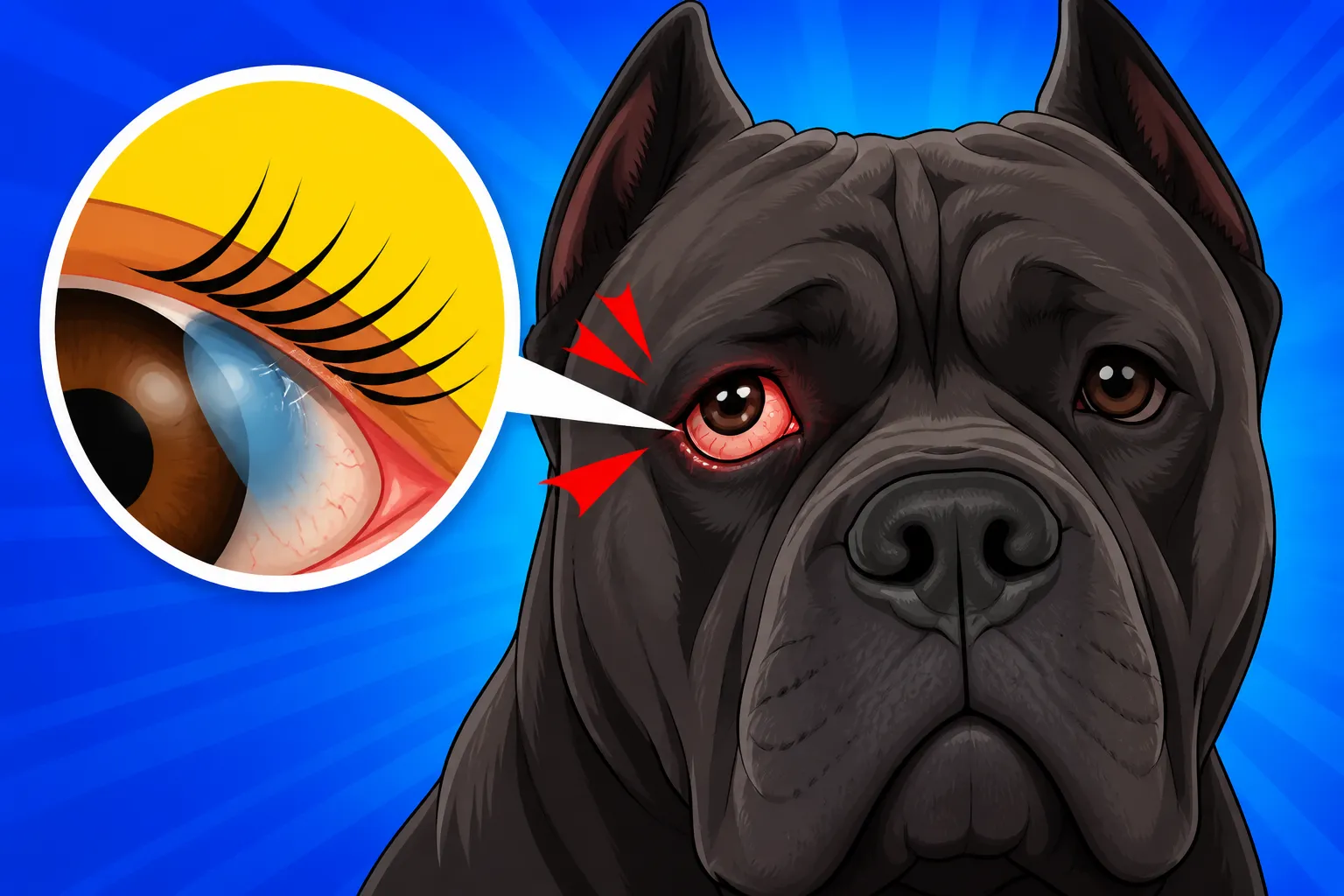
Distichiasis is one of the most common lash abnormalities we see. Imagine having an extra row of eyelashes, but instead of growing outwards like normal, they grow inwards from the meibomian glands along the eyelid margin. These glands are usually responsible for producing the oily layer of tears, but sometimes, hair follicles develop there instead. For a Cane Corso, these extra lashes can range from soft, fine hairs that cause mild irritation to stiff, coarse bristles that are constantly scratching the surface of the eye.
The degree of irritation depends entirely on the thickness and stiffness of the errant lashes, as well as their number. A few soft distichiae might cause intermittent tearing, but a whole row of stiff ones can feel like sandpaper on the cornea with every blink. It’s not something your Cane Corso can simply blink away; it’s a persistent source of pain. This condition is often inherited, meaning if your Cane Corso has it, there's a good chance their parents or littermates might too.
Ectopic Cilia: The Painful Ones That Pierce
While distichiasis is common, ectopic cilia are often far more painful. These are individual eyelashes that grow not from the outside margin of the eyelid, but from the inside surface of the eyelid, directly through the conjunctiva. This means the hair is literally piercing the sensitive inner lining of the eyelid and directly rubbing against the cornea. Because they emerge from an unusual spot and often point directly at the eye, they cause intense, sudden pain.
A Cane Corso with an ectopic cilium will often show immediate and severe signs of discomfort, such as acute squinting, profuse tearing, and pawing at the eye. It's like having a needle constantly poking the eye. These are much less common than distichiasis but require immediate veterinary attention due to the severe pain and high risk of corneal ulceration they present. Don't mistake this for a typical "eye booger" or simple allergy; the pain is undeniable once you know what to look for.
Trichiasis and Entropion: Lashes Gone Rogue from a Rolled Lid
Trichiasis isn't about lashes growing in the wrong place, but rather normal lashes growing in the wrong direction or being pushed into the eye. This often goes hand-in-hand with entropion, a condition where a portion of the eyelid, usually the lower lid, rolls inward. Cane Corsos are particularly prone to this, given their breed characteristics, often exhibiting what owners might call "loose eyelids." This inward roll causes the regular eyelashes to sweep across the cornea, acting like tiny brooms irritating the surface.
If you’ve ever noticed your Cane Corso constantly tearing, with a reddish or raw-looking lower eyelid, it could very well be entropion causing trichiasis. It’s a chronic source of irritation that can easily lead to recurrent corneal ulcers. You might find yourself constantly wiping away discharge because of how Why a Cane Corso's Eyes Run All Day when the lids aren't sitting right. This can be exacerbated by the sheer size and weight of their head, which can pull at the facial skin and contribute to the eyelid turning inward. You can learn more about this specific structural challenge in articles like The Loose Eyelids Nearly Every Cane Corso Owner Meets and Entropion in a Cane Corso's Lower Lid.
Recognizing the Signs and Symptoms of Eye Irritation
Spotting eye problems in a Cane Corso can sometimes be tricky because they are generally stoic dogs. They might try to hide their discomfort, or their naturally saggy lower lids can already present as somewhat red, making it hard to distinguish normal from pathological. However, paying close attention to both visible cues and subtle behavioral changes is crucial for early detection and intervention.
Visible Irritation: More Than Just a Little Redness
The most obvious signs are usually visible. If your Cane Corso has eyelashes rubbing its cornea, you’ll likely see:
- Excessive Tearing (Epiphora): Your dog’s eyes might seem constantly wet, or you might notice tear stains, especially on lighter-colored Corsos. This isn't just cosmetic; it's the eye's attempt to wash away the irritant.
- Redness (Conjunctivitis): The whites of the eyes (sclera) and the inner lining of the eyelids (conjunctiva) will appear red and inflamed. While some redness might be present in dogs with The Sagging Lower Lid on a Cane Corso, a sudden increase in redness or a more intense, angry red hue is a red flag.
- Squinting or Holding Eye Shut (Blepharospasm): This is a direct indicator of pain. Your Cane Corso might keep the affected eye partially or entirely closed, especially in bright light.
- Discharge: While some clear tearing is common, look for thicker, mucousy, or pus-like discharge. This often indicates a secondary bacterial infection due to the constant irritation breaking down the eye's natural defenses. This kind of discharge can lead to How Loose Lids Give a Cane Corso Chronic Eye Infections.
- Cloudiness or White Spots on the Cornea: This is a more serious sign, indicating damage to the cornea itself, such as an ulcer. The cornea might appear dull, hazy, or you might even see a distinct white lesion. This warrants immediate veterinary attention.
Behavioral Changes: When Your Cane Corso Signals Discomfort
Beyond the visible, pay close attention to how your Cane Corso is acting. Their subtle cues can tell you a lot:
- Pawing or Rubbing at the Eyes: They might use a paw to rub at the affected eye or try to rub their face against furniture or the carpet. This is their attempt to alleviate the irritation, but it can often worsen the problem or introduce bacteria.
- Reluctance to Open Eyes Fully in Bright Light (Photophobia): Just like humans, dogs with eye pain find bright light uncomfortable. Your Cane Corso might prefer to stay in darker areas or squint significantly when outdoors.
- Decreased Playfulness or Energy: Chronic pain, even from something as seemingly small as an ingrown lash, can take a toll. A Cane Corso in discomfort might be less enthusiastic about walks or play.
- Head Shaking or Scratching at Ears (If Eye Pain Radiates): Sometimes, eye pain can feel like it's radiating to the ear or temple area, causing your dog to scratch at their ear on the affected side. Always rule out an ear infection, but keep eye issues in mind.
Secondary Issues and Long-Term Consequences
Ignoring these signs isn't an option. The constant rubbing of eyelashes can lead to serious secondary problems:
- Corneal Ulcers: The repeated friction damages the outer layer of the cornea. These ulcers can be superficial or deep, and severe ones can lead to corneal rupture, infection, and permanent blindness.
- Corneal Scarring: Even if ulcers heal, they can leave behind scar tissue. This scarring can obstruct vision, appearing as opaque areas on the cornea.
- Chronic Pain and Discomfort: Living with persistent eye irritation significantly diminishes a dog's quality of life. Imagine having a piece of sand in your eye, all day, every day.
- Vision Impairment or Loss: In the most severe and untreated cases, especially with deep ulcers or extensive scarring, a Cane Corso can suffer permanent vision loss in the affected eye. This is why addressing the issue promptly is so important.
Diagnosis and Treatment Options for Cane Corso Eye Conditions
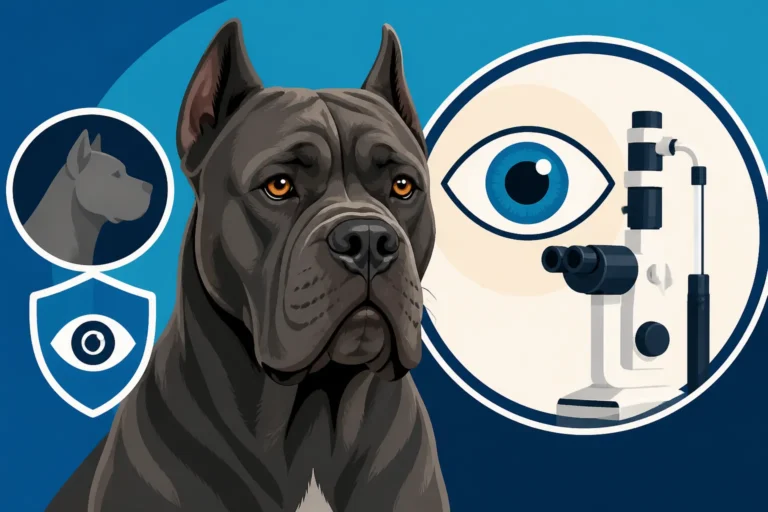
If you suspect your Cane Corso has an eye issue, don't delay in seeking veterinary care. Early and accurate diagnosis is key to effective treatment and preventing long-term damage. Your veterinarian, or a veterinary ophthalmologist, has several tools and techniques at their disposal.
The Veterinary Examination: Uncovering the Root Cause
A thorough eye examination is the first step. Your vet will typically:
- Visually Inspect the Eyes and Eyelids: They will look for obvious redness, discharge, and examine the eyelid margins for extra lashes or inward rolling. They might use magnification to get a clearer view.
- Fluorescein Stain Test: This simple, yet critical, test involves applying an orange dye to the eye. If there's any corneal abrasion or ulcer, the dye will stick to the damaged area and glow bright green under a special blue light, making even tiny scratches visible.
- Schirmer Tear Test: This measures tear production, which can be relevant if dry eye is suspected as a concurrent issue or complication.
- Ophthalmoscopy: Using an ophthalmoscope, the vet can examine the internal structures of the eye.
- Eyelid Eversion: For suspected ectopic cilia, the vet might gently evert (turn outward) the eyelids to look for lashes growing through the conjunctiva. This can be uncomfortable for the dog, so sedation might be needed.
Sometimes, a referral to a board-certified veterinary ophthalmologist is the best course of action, especially for complex cases or prior to surgery. They have specialized equipment and expertise to diagnose and treat intricate eye conditions.
Non-Surgical Management: Temporary Relief and Mild Cases
For very mild cases of distichiasis where the lashes are soft and not causing significant damage, non-surgical options might be considered, though they are usually temporary:
- Plucking (Manual Epilation): The vet can simply pluck out the errant lashes. While this provides immediate relief, the lashes will grow back, often within a few weeks to months, meaning repeated visits. It's not a permanent solution and can sometimes stimulate the new lashes to grow back stiffer.
- Cryotherapy (Freezing): This involves freezing the hair follicles along the eyelid margin. It's performed under sedation or general anesthesia. A probe is used to target the follicles, destroying them and preventing the lashes from regrowing. It’s generally effective but can sometimes cause temporary eyelid swelling or depigmentation.
- Electrolysis (Electroepilation): This technique uses a fine needle to deliver an electric current to the base of each hair follicle, destroying it. Like cryotherapy, it's done under sedation or general anesthesia and aims for permanent removal.
These methods are typically reserved for distichiasis. Ectopic cilia and entropion usually require more definitive surgical intervention.
Surgical Solutions: The Definitive Fix for Lasting Comfort
For most Cane Corsos with significant lash problems or entropion, surgery offers the most effective and often permanent solution.
- Surgical Excision: For ectopic cilia, a tiny incision is made on the inner surface of the eyelid to remove the follicle and cilium completely. This is a delicate procedure that provides immediate relief.
- Eyelid Surgery (Blepharoplasty for Entropion): This is the most common surgical correction for entropion. The vet removes a small wedge of skin from the affected eyelid, tightening and everting it to return the lid to its normal position, preventing the lashes from rubbing. This procedure can be tailored to the individual dog's specific anatomy. Many young Cane Corsos with severe entropion will need this type of surgery; you can explore topics like The Age a Cane Corso's Entropion Gets Repaired for more details on timing.
- Combination Procedures: It's not uncommon for a Cane Corso to have a combination of issues, such as entropion along with distichiasis. In such cases, the ophthalmologist might perform eyelid surgery and cryotherapy or electrolysis during the same anesthetic event.
It's important to discuss the risks of anesthesia with your vet, especially for a large, deep-chested breed like the Cane Corso, who can be prone to conditions like bloat. Anesthesia Risk in a Deep Chested Cane Corso is a very real concern that needs to be thoroughly vetted before any surgical procedure. However, the relief and improved quality of life often far outweigh these risks.
| Treatment Option | Procedure | Pros | Cons | Typical Cost Range (USD) | Effectiveness for Permanent Removal |
|---|---|---|---|---|---|
| Plucking | Manual removal of individual lashes with forceps. | Immediate, temporary relief; no anesthesia needed (usually). | Lashes regrow (4-8 weeks); repeated visits needed; can cause trauma. | $50 – $150 per visit | Low (Temporary) |
| Cryotherapy | Freezing the hair follicles with a specialized probe. | Highly effective for distichiasis; less invasive than surgical incision. | Requires general anesthesia; potential for depigmentation; swelling. | $500 – $1,500 per eye | High (for distichiasis) |
| Electrolysis | Using an electric current to destroy individual follicles. | Good for small numbers of distichiasis; precise. | Requires general anesthesia; can be time-consuming for many lashes. | $400 – $1,200 per eye | High (for distichiasis) |
| Surgical Excision | Incision to remove ectopic cilium and its follicle. | Definitive solution for ectopic cilia; immediate relief. | Requires general anesthesia; delicate procedure. | $700 – $1,800 per cilium | High (for ectopic cilia) |
| Eyelid Surgery (Entropion Repair) | Reshaping the eyelid by removing a small wedge of tissue. | Permanent correction of entropion; prevents lash rubbing. | Requires general anesthesia; potential for over/under-correction; swelling. | $1,000 – $3,000 per eye | High (for entropion) |
Note: These costs are estimates and can vary widely based on location, vet clinic, severity, and whether a specialist is involved.
Living with a Cane Corso Prone to Eye Issues
Dealing with eye conditions, especially those requiring surgery, can be a significant undertaking. The post-treatment phase is crucial, and long-term management is often necessary to ensure your Cane Corso remains comfortable and healthy.
Post-Treatment Care: The Road to Recovery
After any eye procedure, diligent home care is essential for a smooth recovery and to prevent complications:
- Medication Administration: Your vet will likely prescribe antibiotic eye drops or ointments to prevent infection, and possibly anti-inflammatory drops to reduce swelling and pain. Administering these to a large, possibly resistant Cane Corso can be a challenge, so practice beforehand and use positive reinforcement.
- E-Collar (Cone of Shame): This is non-negotiable. Your Cane Corso must wear an Elizabethan collar (E-collar) to prevent them from rubbing, pawing, or scratching at their eyes and surgical sites. Even the most well-behaved dog will instinctively try to relieve itchiness or discomfort. Choose a comfortable, well-fitting cone that allows them to eat and drink but effectively protects the eyes.
- Restricted Activity: Limit vigorous play, running, and jumping for the period recommended by your vet to prevent strain on the surgical site and potential bleeding.
- Cleanliness: Keep the area around the eyes clean by gently wiping away any discharge with a warm, damp cloth, as directed by your vet.
- Recheck Appointments: Follow up with your vet or ophthalmologist for all scheduled recheck appointments. These are vital to monitor healing, remove sutures (if applicable), and address any emerging complications. Sometimes, after lid surgery, a Cane Corso might experience Dry Eye in a Cane Corso After Lid Surgery, which requires additional management.
Recovering a large dog like a Cane Corso from surgery always presents its own set of logistical challenges, from getting them in and out of the car to managing their sheer size while they're disoriented or restricted. Patience and preparation are key.
Long-Term Management and Preventative Steps
Even after successful treatment, ongoing vigilance is important for a Cane Corso predisposed to eye issues.
- Regular Eye Checks at Home: Make it a habit to inspect your Cane Corso's eyes daily. Look for redness, discharge, squinting, or any new lash growth. Early detection of recurrence or new problems makes treatment easier.
- Maintaining Overall Health: A healthy immune system supports overall eye health. Ensure your Cane Corso is on a high-quality diet, gets appropriate exercise, and has regular veterinary check-ups.
- Genetic Considerations (If Breeding): If your Cane Corso is affected by an inherited condition like distichiasis or entropion, it's crucial to consider this when making breeding decisions. Responsible breeders strive to eliminate such issues from their lines. For more information on health screenings, look into The Yearly Eye Exam a Breeding Cane Corso Needs.
- Avoiding Irritants: Protect your Cane Corso's eyes from dust, wind, and chemicals. If they enjoy car rides with their head out the window, consider "doggles" or keeping the window only partially open.
Financial Considerations and Support
Eye surgeries and ongoing care for a Cane Corso can be quite costly. Procedures can range from hundreds to thousands of dollars per eye, especially if a veterinary ophthalmologist is involved. This doesn't even include the cost of follow-up medications or potential treatments for complications like corneal ulcers.
It's wise for Cane Corso owners to budget for potential medical expenses. Many owners find pet insurance to be an invaluable resource. Companies like Healthy Paws offer comprehensive plans that can cover a significant portion of unexpected veterinary bills, including those for eye surgeries, specialist consultations, and prescribed medications, once your deductible is met. Having a good insurance policy in place can ease the financial burden and allow you to make treatment decisions based on what’s best for your Cane Corso, rather than solely on cost. Planning for The Surgeries Every Cane Corso Owner Should Budget For is a smart move for any owner of this noble breed.
Disclaimer
This article is for general informational purposes only and does not constitute professional advice. Laws, prices and regulations vary by location and change over time. Consult a qualified professional for guidance on your specific situation.