The First Sign a Cane Corso Is Bloating
That heart-stopping moment when your majestic Cane Corso, usually so calm and composed, suddenly starts acting strangely is every owner's worst nightmare. You know deep down that something is very wrong, but pinpointing exactly what it is can be terrifying, especially when the stakes are as high as they are with a condition like bloat. This guide will meticulously break down the absolute first, subtle, and most critical signs of bloat in your Cane Corso, empowering you to act swiftly and potentially save their life.
Understanding Bloat in Cane Corsos: A Silent Threat
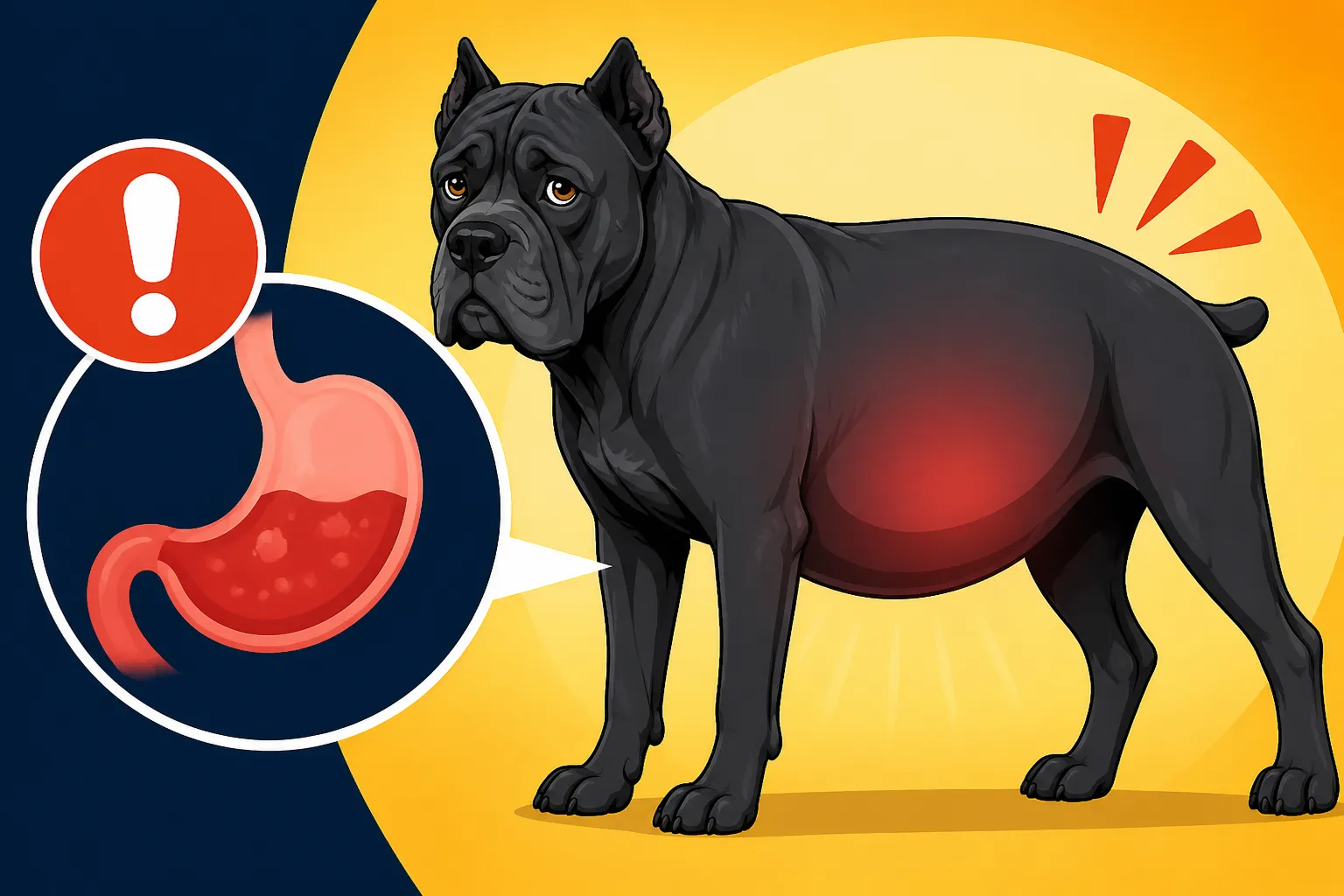
Gastric Dilatation and Volvulus, or GDV, commonly known as bloat, is a rapid and life-threatening condition that Cane Corsos, like many large, deep-chested breeds, are alarmingly prone to. It's not just a bad stomach ache; it's a terrifying emergency where your dog's stomach fills with gas, food, or fluid (dilatation) and then twists upon itself (volvulus). This twisting cuts off blood supply to the stomach and other vital organs, leading to shock, tissue death, and often, a tragic outcome if not treated immediately. The fear of bloat is very real for Cane Corso owners, and for good reason—it’s swift, brutal, and unfortunately, common enough that every owner needs to be vigilant.
Why Cane Corsos Are Especially Vulnerable to GDV
Cane Corsos possess that regal, deep-chested build that is a defining characteristic of their breed, but it's also a significant risk factor for bloat. Their chest cavity is much deeper than it is wide, creating a larger space for the stomach to distend and twist within. This anatomical predisposition isn't something you can change, but it’s crucial to understand why your particular breed faces such a heightened risk. It’s not just size; the specific conformation of their chest makes them prime candidates for this devastating condition. Think of it like a large sail in a strong wind – there’s more surface area to catch and twist.
Beyond their physical build, genetics can play a role. While GDV isn't directly inherited in a simple Mendelian fashion, certain lines seem to have a higher incidence, suggesting a complex genetic component. This is why responsible breeders focus on overall health and sometimes even consider a prophylactic gastropexy for their breeding stock, though it’s not a guarantee against all forms of bloat. Knowing your dog's lineage and any history of bloat in their family can add another layer of awareness. You can read more about the specific risks in our comprehensive article, "Bloat and What a Cane Corso's Deep Chest Costs".
The Urgency of Early Detection: Every Minute Counts
When it comes to bloat, time truly is of the essence. This isn't an exaggeration or an alarmist statement; it's a cold, hard fact. From the moment the stomach begins to distend and twist, your Cane Corso's condition can deteriorate with terrifying speed. Blood supply is cut off, toxins build up, and organs begin to fail. What might seem like mild discomfort one minute can quickly escalate to severe shock and collapse the next. There is no waiting until morning, no "let's see if it passes." If you suspect bloat, you need to act now.
Veterinarians often say that the prognosis for GDV is directly correlated with how quickly surgery is performed. Studies show that outcomes are significantly better for dogs who receive surgical intervention within the first few hours of symptom onset. Delaying even for an hour or two can drastically reduce their chances of survival. This means that recognizing those first, often subtle, signs is not just helpful; it's the difference between life and death for your beloved Cane Corso. Every second you spend observing or wondering at home is precious time your dog is losing. Our guide "The Hours That Decide a Bloated Cane Corso's Outcome" delves deeper into this critical timeframe.
The Absolute First Signs of Bloat You Cannot Miss
When bloat strikes a Cane Corso, the initial symptoms can be subtle and easily mistaken for general discomfort or an upset stomach. However, there are a few key indicators that, once you learn to recognize them, should trigger immediate alarm bells. These are the tell-tale signs that demand your undivided attention and immediate action, not hesitation. You have to learn to differentiate these from a typical belly ache or a bit of indigestion.
Restlessness and Discomfort: More Than Just a Grumpy Dog
One of the very first things you might notice in a Cane Corso suffering from bloat is an unusual level of restlessness and an inability to get comfortable. This isn't just a dog who can't settle down for the night; it's a dog exhibiting genuine distress. They might pace back and forth relentlessly, sometimes trying to lie down in various positions, only to stand up again almost immediately, as if no position offers relief. You might see them repeatedly stretching, bowing their front end down with their rear end up in what's sometimes called a "play bow" position, but it’s not playful—it’s a clear sign of abdominal pain.
They might constantly shift their weight, unable to find a comfortable spot to rest their large bodies. You might observe them looking at their flank, as if trying to understand where the pain is coming from, or even whining and groaning softly. This level of persistent, unresolvable discomfort, especially when coupled with other symptoms, is a major red flag. It’s their body’s desperate attempt to relieve the pressure and twisting inside. Don't dismiss this as simply being "antsy" or "needy"; it's a cry for help.
Non-Productive Retching: The Hallmark Symptom
This is, without a doubt, the most classic and critical sign of bloat in a Cane Corso, and it's one you absolutely must understand. Non-productive retching means your dog is actively trying to vomit, making all the characteristic retching sounds and motions, but nothing comes up. They might gag, heave, and strain intensely, their whole body tensing with the effort, but there's no food, no fluid, just maybe a bit of foamy saliva or white phlegm. It's heartbreaking to watch because they're clearly distressed and trying desperately to relieve themselves, but the twisted stomach outlet prevents anything from passing.
If your Cane Corso exhibits this symptom, particularly after a meal or exercise, you need to treat it as an immediate emergency. It's distinctly different from regular vomiting where food or bile is expelled. The forceful, repeated, and utterly fruitless attempts to throw up are a strong indicator that their stomach is blocked and potentially twisted. This specific action signals a critical blockage, and in a deep-chested breed like the Cane Corso, it should send you straight to the emergency veterinary clinic. This is a primary sign that you can read more about in our detailed guide, "Recognizing Bloat in a Cane Corso Before It Turns".
Drooling and Excessive Salivation: A Nervous System Response
While drooling can be a normal part of life with a large breed like a Cane Corso, excessive salivation, especially when combined with other symptoms, can be another early indicator of bloat. When a dog experiences severe nausea and abdominal pain, their autonomic nervous system often responds by increasing saliva production. It’s a physiological response to distress, much like how humans might salivate excessively before vomiting.
If you notice your Cane Corso suddenly producing an unusual amount of thick, ropey saliva, far more than their usual, and they are also restless or attempting to retch, it's a cause for concern. This isn't just happy drooling or anticipatory drooling for a treat; it's often a sign of intense discomfort and a body trying to cope with an internal crisis. Pay close attention to the consistency and quantity of the drool, as it can be a subtle but important piece of the puzzle.
Subtle Early Indicators That Precede Obvious Symptoms
Sometimes, the initial signs of bloat aren't as dramatic as constant retching. They can be incredibly subtle, easily dismissed as a dog just "being off." However, for a Cane Corso owner, learning to pick up on these nuanced changes can be just as vital as recognizing the more overt symptoms. These are the quiet whispers before the storm, and if you listen closely, you might gain precious minutes.
Abdominal Distension: It's Not Always Visible Right Away
When people think of bloat, they often picture a dog with a massively distended belly, tight as a drum. While this is certainly a late-stage symptom, early abdominal distension can be much more subtle and difficult to spot, especially in a heavily muscled or furry Cane Corso. In the initial stages, the stomach might only be slightly enlarged, and the twisting might not have occurred yet, or has only partially. The key is to know your dog's normal body shape intimately.
Gently palpating your Cane Corso's abdomen, particularly the area just behind their ribs on both sides, can sometimes reveal a subtle tightness or firmness that wasn't there before. Compare one side to the other – sometimes the distension is asymmetrical. It won't feel rock-hard immediately, but it might feel unusually tense or swollen to your touch. If your dog flinches, whines, or shows discomfort when you gently press on their belly, that's a significant warning sign. Don't wait for a visibly huge belly; a subtle change in firmness and shape can be just as crucial an indicator. It’s worth regularly feeling your Cane Corso’s belly when they are relaxed, so you know what feels normal. Our article, "Telling Bloat From a Full Belly in a Cane Corso" provides more insights on how to differentiate.
Changes in Gums and Breathing: Beyond the Usual Pant
A Cane Corso's gums can offer a quick, albeit general, window into their circulatory health. In the early stages of bloat, as the stomach twists and blood flow is compromised, you might notice your dog's gums becoming paler than usual. Healthy gums are typically a vibrant bubblegum pink, but with bloat, they can turn a light pink, almost white, or even bluish if oxygen deprivation is severe. Press a finger against their gum – the color should return within 1-2 seconds (this is called capillary refill time). A longer refill time is cause for concern.
Along with gum changes, their breathing might also change. A Cane Corso who is experiencing pain and internal distress might pant rapidly and shallowly, even when they haven't been exercising. Their heart rate might also increase significantly. You might even observe them breathing with more effort, their chest rising and falling more dramatically, or their flanks heaving. These subtle changes in vital signs reflect their body's increasing struggle and should not be ignored.
Reluctance to Move or Interact: A Shift in Demeanor
Cane Corsos are known for their calm, stoic demeanor, but even they have their routines and typical levels of engagement. A sudden and uncharacteristic reluctance to move, play, or interact with you can be a quiet but significant sign of internal distress. Your usually enthusiastic greeter might not get up when you enter the room. They might decline an offer for a walk or a game of fetch, which is highly unusual for a healthy dog.
They might seek solitude, retreating to a quiet corner or refusing to be touched or petted, even by their favorite people. This isn't just a dog having an "off day"; it's a dramatic shift in their normal personality and behavior, indicating they are in pain and trying to cope. Any noticeable departure from your Cane Corso's typical energy levels and willingness to engage should prompt a closer look at other potential bloat symptoms. Consider their normal mealtime habits as well (see The Mealtime Habits That Turn a Cane Corso's Stomach), as changes there can also indicate trouble.
What to Do the Moment You Suspect Bloat
The instant you even suspect bloat, your mindset must shift from observation to immediate action. This is not a drill. It’s a genuine emergency that requires swift, decisive steps. Hesitation is the enemy when it comes to GDV.
Immediate Veterinary Intervention: Don't Wait and See
This cannot be stressed enough: if you suspect bloat, you must go to the emergency veterinarian immediately. Do not call your regular vet first, especially if it's after hours or they're not equipped for emergency surgery. Instead, call the nearest 24-hour emergency veterinary hospital while you are already on your way. Inform them of your suspicion and your estimated time of arrival. This allows them to prepare their team and equipment for your Cane Corso's arrival, potentially saving crucial minutes.
Do not attempt any home remedies, force your dog to vomit, or try to "walk it off." These actions are not only ineffective but can worsen your Cane Corso's condition and waste invaluable time. Bloat requires professional medical intervention, which often involves emergency surgery to untwist the stomach and, ideally, perform a gastropexy to prevent recurrence. A proactive "Whether a Cane Corso Should Have a Preventive Gastropexy" can be a lifesaver, but for acute bloat, surgery is the only option.
Preparing for the Emergency Visit: Time-Saving Actions
While speed is paramount, a few quick preparations can actually help save time once you arrive at the clinic. Gather your Cane Corso's medical records if they're easily accessible, especially any information about their health history, medications, or previous gastropexy procedures. This information will be vital for the veterinary team.
If you have a large vehicle, ensure it's easily accessible and has space for your Cane Corso to be transported comfortably and safely, potentially requiring assistance if they are in severe distress. Consider having a blanket or towel ready. Most importantly, remain as calm as possible for your dog's sake. Your anxiety will only add to their stress. Focus on the task: getting them to professional help as quickly as humanly possible. Our article "Anesthesia Risk in a Deep Chested Cane Corso" provides more details on what might happen next.
Financial Preparedness: The Reality of Emergency Care
The reality of emergency veterinary care, especially for a complex condition like bloat, is that it can be incredibly expensive. Diagnosis, stabilization, emergency surgery, and post-operative care can easily run into thousands of dollars. This financial burden, while secondary to your dog's life, can add immense stress during an already traumatic time. It’s a sad truth that sometimes, financial constraints impact life-saving decisions.
This is where having pet insurance, like a comprehensive plan from Healthy Paws, can be an absolute game-changer. Policies from reputable providers can cover a significant portion of emergency surgical costs, allowing you to focus on your Cane Corso's recovery without the added stress of overwhelming bills. It’s a proactive step that every Cane Corso owner should seriously consider, given the breed’s predisposition to bloat and other serious health issues. Even if you've never needed it before, knowing that Healthy Paws or similar coverage is there can provide immense peace of mind. Investing in a plan early means that when an emergency like bloat strikes, you're not forced to make impossible choices. You can explore more about financial planning in our piece, "Whether Pet Insurance Pays a Cane Corso's Bloat Surgery".
Early Bloat Symptoms Checklist
To help you quickly assess if your Cane Corso might be experiencing bloat, here's a concise table summarizing the key symptoms and their urgency. This is not a diagnostic tool, but a quick reference for immediate decision-making.
| Symptom Category | Specific Indicators | Urgency Level | Explanation |
|---|---|---|---|
| Behavioral Changes | Restlessness, pacing, inability to settle, frequent position changes, looking at flank, whining/groaning, seeking solitude. | HIGH | These are signs of significant discomfort and pain. If persistent and coupled with other signs, do not delay. |
| Gastrointestinal | Non-productive retching (gagging/heaving with no vomit), excessive drooling, distended/firm abdomen (even subtle). | CRITICAL | The most defining and urgent symptoms. Non-productive retching is almost always a bloat emergency in Cane Corsos. Abdominal changes indicate internal swelling. |
| Physical Vitals | Pale gums (light pink to white/blue), increased heart rate, rapid/shallow breathing, weak pulse. | CRITICAL | These indicate systemic shock and compromise to blood circulation and oxygenation. Your dog's life is in immediate danger. |
| General Demeanor | Lethargy, weakness, reluctance to move, refusal to eat/drink, disinterest in interaction. | HIGH | While less specific, a sudden and profound change in your Cane Corso's normal energy and engagement, especially if combined with any other symptom, demands immediate vet attention. |
Remember, any combination of these symptoms, or even a single prominent one like non-productive retching, should be enough to trigger an emergency visit to the vet. Do not wait for all symptoms to appear, especially the visibly distended abdomen, as by then, the condition is often far advanced and the prognosis significantly worse. The cost of a timely vet visit is always less than the cost of losing your beloved companion. Getting a "The Case for Tacking Every Cane Corso's Stomach" in conjunction with other routine surgeries can be a wise preventative measure for any Cane Corso.
Disclaimer
This article is intended for informational purposes only and does not constitute medical advice. Always consult with a qualified veterinarian for any health concerns or before making any decisions about your Cane Corso's care.