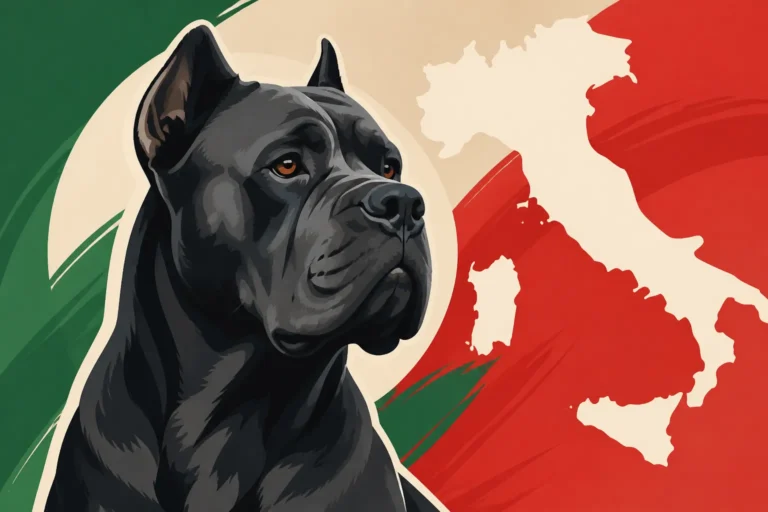
The Roman Molossers the Cane Corso Descends From
Many prospective Cane Corso owners find themselves captivated by the breed's majestic appearance and formidable presence, but often don't truly grasp the depth of history etched into their very DNA. Understanding the ancient Roman Molossers from which the Cane Corso descends isn't just a fascinating historical anecdote; it's crucial for appreciating their temperament, working drive, and unique needs today. This guide will explore that rich lineage, unveiling how these formidable dogs of antiquity shaped the loyal, protective companions we cherish in our homes now.
The Legacy of Ancient Roman War Dogs
It's easy to look at a powerful Cane Corso today and see a protector, a guardian, but their lineage stretches back to a time when dogs served even more critical roles in human survival and conquest. Imagine a world without advanced weaponry, where a dog's strength, bravery, and unwavering loyalty could turn the tide of a battle or defend a homestead against fierce predators. This is the world that forged the ancestors of our modern Cane Corso.
The Canis Pugnax: A Fearsome Ancestor
When we talk about the ancient Roman war dogs, we're primarily referring to the Canis Pugnax, a formidable Molosser-type dog. These weren't your average fluffy companions; they were bred for incredible strength, courage, and an intimidating presence. Historical accounts, often found in the writings of Roman authors like Columella and Pliny the Elder, describe these dogs as large, muscular, and ferociously protective. They were used extensively by the Roman legions, marching alongside soldiers, acting as sentries, and, yes, even charging into battle.
Picture this: Roman soldiers, clad in armor, with these massive dogs, often fitted with spiked collars, by their side. Their role in warfare wasn't just about intimidation; they were trained to disarm opponents, disrupt enemy formations, and guard camps and supply lines. The very idea of facing a trained Canis Pugnax in combat would have been terrifying. Their sheer power and unyielding nature were essential qualities for a civilization built on expansion and defense. It wasn't about being a pet; it was about being a living, breathing weapon and shield. If you ever wondered where the raw, uncompromising protective instinct of the Cane Corso comes from, look no further than these ancient warriors. The Roman War Dog Behind the Cane Corso delves deeper into their military roles.
Roles Beyond the Battlefield
While their military exploits are perhaps the most dramatic, the Canis Pugnax and its immediate descendants also served vital roles in civilian life, roles that directly inform the modern Cane Corso's versatility. These dogs weren't solely for war; they were integral to the daily functioning of Roman society. Large estates, particularly in the agricultural heartlands, relied on these powerful dogs for protection. They guarded livestock from wolves and bears, protected property from thieves, and acted as vigilant sentinels for their families.
Think of the sprawling Roman villas and farms, often isolated and vulnerable. A pack of these imposing dogs would have been the first line of defense, a living alarm system with teeth. This wasn't just about deterring; it was about active confrontation when necessary. Their intelligence and trainability made them indispensable. They learned to distinguish between friends and foes, to patrol boundaries, and to respond to commands, often under stressful situations. This inherent ability to discern threats and act decisively is a cornerstone of the Cane Corso's guardian nature today. They might not be guarding sheep from wolves anymore, but that instinct to assess and protect remains strong. We can trace The Arena Stories Told About Roman Cane Corsos to understand their diverse roles, even in less conventional settings.
The Influence of Geography and Culture
The story of the Cane Corso isn't just about Roman might; it's also deeply intertwined with the specific geography and culture of Southern Italy. After the fall of the Roman Empire, as legions disbanded and central authority waned, the dogs that once served the empire didn't vanish. Instead, they adapted, localized, and continued to fulfill essential roles in the lives of ordinary people.
Southern Italy's Enduring Canine Traditions
The rugged, agricultural regions of Southern Italy, particularly areas like Puglia, Calabria, and Basilicata, became the cradle of the modern Cane Corso. Here, life was often harsh, and self-sufficiency was paramount. Farmers and landowners needed dogs that were not just loyal, but supremely capable. These areas, less affected by widespread cross-breeding that occurred in other parts of Europe, allowed a distinct type of Molosser to thrive and evolve.
The traditions of dog ownership in these regions were deeply practical. Dogs weren't status symbols or purely companions; they were working animals, earning their keep every single day. The specific demands of Southern Italian farms – guarding olive groves, protecting livestock, and accompanying drovers – refined the ancient Molosser into a dog perfectly suited for the environment. This constant selection for working ability over generations ensured that the core characteristics of strength, intelligence, and a protective nature were preserved and even enhanced. It’s a testament to the resilience of both the people and their dogs that this lineage survived centuries of social and political upheaval.
Local Adaptation and Preservation
The Cane Corso, as we know it, is a direct result of this localized adaptation. As regions became more isolated after the Roman Empire's collapse, local populations of dogs developed distinct characteristics. The Cane Corso was specifically bred and selected for its ability to work on the masseria, the fortified farms and estates common in Southern Italy. They were often referred to as "dogs of the courtyard" or "dogs of the farm."
This meant they needed to be agile enough to work cattle, strong enough to hold boar during hunts, and vigilant enough to guard property and family. They weren't cumbersome or overly large like some other Molosser breeds; they possessed a functional athleticism. This careful selection, often by practical farmers and hunters who knew exactly what they needed from a dog, created a breed that was powerful yet agile, courageous yet controllable. This informal, working-based breeding program acted as a natural filter, ensuring only the most capable and well-tempered dogs contributed to the gene pool. Guarding the Masseria in Southern Italy further explores their roles in these traditional settings.
Distinguishing the Molosser Type
To truly understand the Cane Corso, it's essential to grasp what a "Molosser" is. This isn't just a fancy term; it describes a specific type of dog with a shared ancestry and distinct physical and temperamental characteristics that set them apart from other canine groups.
Characteristics of Molosser Breeds
Molosser breeds are typically large, powerfully built dogs with heavy bones, strong musculature, and a broad skull. Think of breeds like the Mastiff, Bullmastiff, or the Neapolitan Mastiff. They often possess a short, dense coat, though some variations exist. Beyond their imposing physical presence, Molossers share certain temperamental traits: they are generally known for their loyalty, protective instincts, and a calm, confident demeanor when not provoked. However, when a threat arises, they can be incredibly formidable.
These dogs were historically bred for guarding, protection, and warfare, requiring a combination of physical power and mental fortitude. Their sheer size and strength made them excellent deterrents, and their natural protective drive meant they were always vigilant. It's not just about being big; it's about being built for a specific purpose – to defend and intimidate. The Cane Corso fits squarely into this category, embodying the classic Molosser physique and temperament, but with its own unique athletic twist.
Why the Cane Corso Fits the Mold
The Cane Corso perfectly exemplifies the Molosser type, but with a crucial distinction: athleticism. While many Molossers are heavy and lumbering, the Cane Corso was specifically developed to be more agile and responsive. They retain the heavy bone and muscular build, the broad head, and the powerful jaws characteristic of a Molosser, but with a more refined, less exaggerated physique. This allows them to move with surprising speed and grace for their size.
Their protective instincts are quintessential Molosser. They are watchful, naturally suspicious of strangers, and deeply devoted to their families. This isn't a "man-made" aggression; it's an ingrained instinct to protect their pack and territory, honed over centuries. The Cane Corso’s expression often reflects this inner calm and confidence, with a direct gaze that speaks volumes about their self-assured nature. What the Standard Says a Cane Corso Should Look Like outlines these physical traits in detail, while The Character a Cane Corso Judge Expects in the Ring describes their ideal temperament. The blend of power, agility, and unwavering loyalty makes them a prime example of a functional Molosser.
The Transition to a Farm and Guardian Dog
The story of the Cane Corso's evolution from a fearsome war dog to a beloved family guardian and working farm dog is a fascinating narrative of adaptation and necessity. As the political landscape shifted, so did the roles required of these powerful canines.
The Decline of War Dogs and Rise of Working Breeds
With the collapse of the Roman Empire and the cessation of large-scale military campaigns across Europe, the need for dedicated war dogs diminished significantly. The focus shifted from conquest to consolidation, from legions to local defense. However, the inherent capabilities of these powerful Molossers were too valuable to simply disappear. Instead, they found new purpose in the everyday lives of the rural populations.
The emphasis moved from battlefield prowess to practical utility on farms and estates. Dogs that were once trained to tackle enemy soldiers were now needed to herd cattle, guard livestock from predators, and protect the home from bandits. This transition wasn't an overnight change; it was a gradual process spanning centuries, where natural selection and deliberate breeding by farmers favored traits like intelligence, biddability, and a strong work ethic, alongside their protective instincts. It was about survival, for both the people and their dogs.
The Cane Corso's Evolution into a Multi-Purpose Farm Dog
In Southern Italy, this adaptation was particularly pronounced. The Cane Corso became the ultimate multi-purpose farm dog. They were invaluable for Driving Cattle With a Cane Corso, using their imposing presence and natural herding instincts (a form of 'driving' rather than traditional 'herding') to manage livestock. They would hold cattle for branding or slaughter, control pigs, and even assist with horse breaking. This required not just strength, but also intelligence, problem-solving skills, and a willingness to work closely with their human partners.
Beyond livestock, they were fierce protectors of the family home and property. The masseria often contained valuable crops and animals, and security was a constant concern. A Cane Corso would stand sentinel, barking to alert, and acting decisively if a threat materialized. They would also accompany hunters, particularly on wild boar hunts, where their courage and strength were put to the ultimate test. This diverse range of tasks meant the Cane Corso had to be intelligent, adaptable, and possess a balanced temperament – fearless in the face of danger, yet gentle and controllable within the family unit.
| Role in Antiquity | Modern Equivalent | Key Trait Highlighted |
|---|---|---|
| War Dog | Home Guardian | Courage, Vigilance |
| Livestock Guard | Property Patrol | Territoriality, Loyalty |
| Hunter's Aid | Working Dog | Drive, Strength, Focus |
| Sentinel | Family Protector | Alertness, Intelligence |
This table illustrates how the core functions remained, even as the specific context changed, always emphasizing the dog's utility and protective nature.
How Ancient Traits Manifest in Modern Cane Corsos
It’s truly remarkable how centuries of breeding and adaptation have left an indelible mark on the modern Cane Corso. When you look at your loyal companion, you’re not just seeing a dog; you’re witnessing a living echo of history. The traits that made their ancestors indispensable are still very much alive and well.
Physical Echoes of the Past
Take a moment to truly look at a Cane Corso's physique. That robust, muscular build, the deep chest, and the strong, athletic frame are not accidental. These are direct physical inheritances from their Molosser ancestors. They needed to be strong enough to withstand the rigors of battle, to pull down large game, and to physically deter intruders. A modern Cane Corso, when properly conditioned, displays an impressive power-to-weight ratio that speaks volumes about this heritage. They aren't just big; they are built for work and strength.
Their powerful jaws, capable of delivering immense bite force, are another ancient feature. While we hope our dogs never have to use them in defense, this jaw structure was essential for holding cattle or bringing down boar in their working past. The structure of their head, broad and imposing, also stems from the Molosser type, designed for strength and intimidation. Even the typical short, dense coat, while seemingly simple, was practical for a working dog exposed to the elements, easy to maintain and protective enough. When you pick up a bag of high-quality kibble from, say, Chewy, consider that you're fueling a body designed for millennia of demanding physical work.
Behavioral Inheritances: Guarding and Loyalty
Perhaps even more profound than their physical traits are the behavioral inheritances. The Cane Corso's renowned "guardian instinct" isn't something that needs to be taught from scratch; it's deeply ingrained. They are naturally watchful, perceptive, and discerning. They observe their environment constantly, assessing who belongs and who might pose a threat. This discerning nature is a direct link to their past as sentinels and protectors of vast estates. What a Cane Corso's Guardian Instinct Actually Is explains this profound connection.
Their profound loyalty to their family is another cornerstone of their ancient lineage. These dogs were not solitary hunters; they worked in partnership with humans and lived as part of a family or military unit. This bond of trust and mutual protection was paramount. A Cane Corso today thrives on being an integral part of the family, and their devotion is unwavering. This also means they tend to be wary of strangers, not out of aggression, but out of a natural protective caution. They are assessing, observing, and deciding if this new person is a friend or a potential threat to their beloved family. This inherent wariness is not aggression; it is vigilance, a trait honed over centuries.
Dispelling Myths and Understanding Reality
With such a powerful history and imposing presence, it's easy for myths and misconceptions to swirl around the Cane Corso. Separating fact from fiction is vital for anyone considering this magnificent breed, or for those who already share their lives with one.
Separating Legend from Lineage
The legends surrounding the Roman war dogs are certainly compelling, painting pictures of invincible beasts charging into battle. While these stories highlight their undeniable courage and strength, it's important to approach them with a dose of realism. No dog, no matter how powerful, was a magical, unkillable warrior. They were highly trained animals, invaluable assets, but still animals. The tendency to romanticize their past can lead to unrealistic expectations about the modern Cane Corso, sometimes mistakenly leading people to believe they are inherently aggressive or require no training.
Understanding their lineage means appreciating their working heritage and protective instincts without exaggerating them into a caricature. The modern Cane Corso is a reflection of this history, yes, but also a product of careful breeding and development over many generations, where temperament and biddability were just as important as physical prowess. They are not mindless attack dogs, but intelligent, thoughtful guardians who, given the right training and socialization, can be wonderfully balanced family members. Avoiding myths helps us appreciate the true, nuanced nature of the breed.
The Importance of Responsible Breeding
The continuation of the Cane Corso's incredible lineage hinges entirely on responsible breeding practices. When looking at a Cane Corso pedigree, you're hoping to see generations of health-tested, temperamentally sound dogs. A good breeder understands the history of the breed and strives to preserve the functional Molosser traits – the athleticism, intelligence, guardian instinct – while actively working to reduce genetic health issues.
This means focusing on more than just appearance. It means prioritizing sound minds and healthy bodies. A well-bred Cane Corso today should still possess the intelligence, courage, and protective instincts of its ancestors, but in a way that makes them a manageable and safe companion in modern society. Understanding their ancient roots reinforces why health clearances for hips, elbows, and other conditions are so vital, as these magnificent dogs need their physical structure to remain sound to carry out their historical functions, even if those functions are now primarily guarding the couch. Brands available on sites like Chewy offer specific joint support supplements that can be beneficial for large breeds with such a profound physical heritage. The Two DNA Diseases in Cane Corso Pedigrees covers some crucial health considerations for responsible breeding.
Disclaimer
This article is for general informational purposes only and does not constitute professional advice. Laws, prices and regulations vary by location and change over time. Consult a qualified professional for guidance on your specific situation.