Managing the Drool a Cane Corso Leaves on Walls
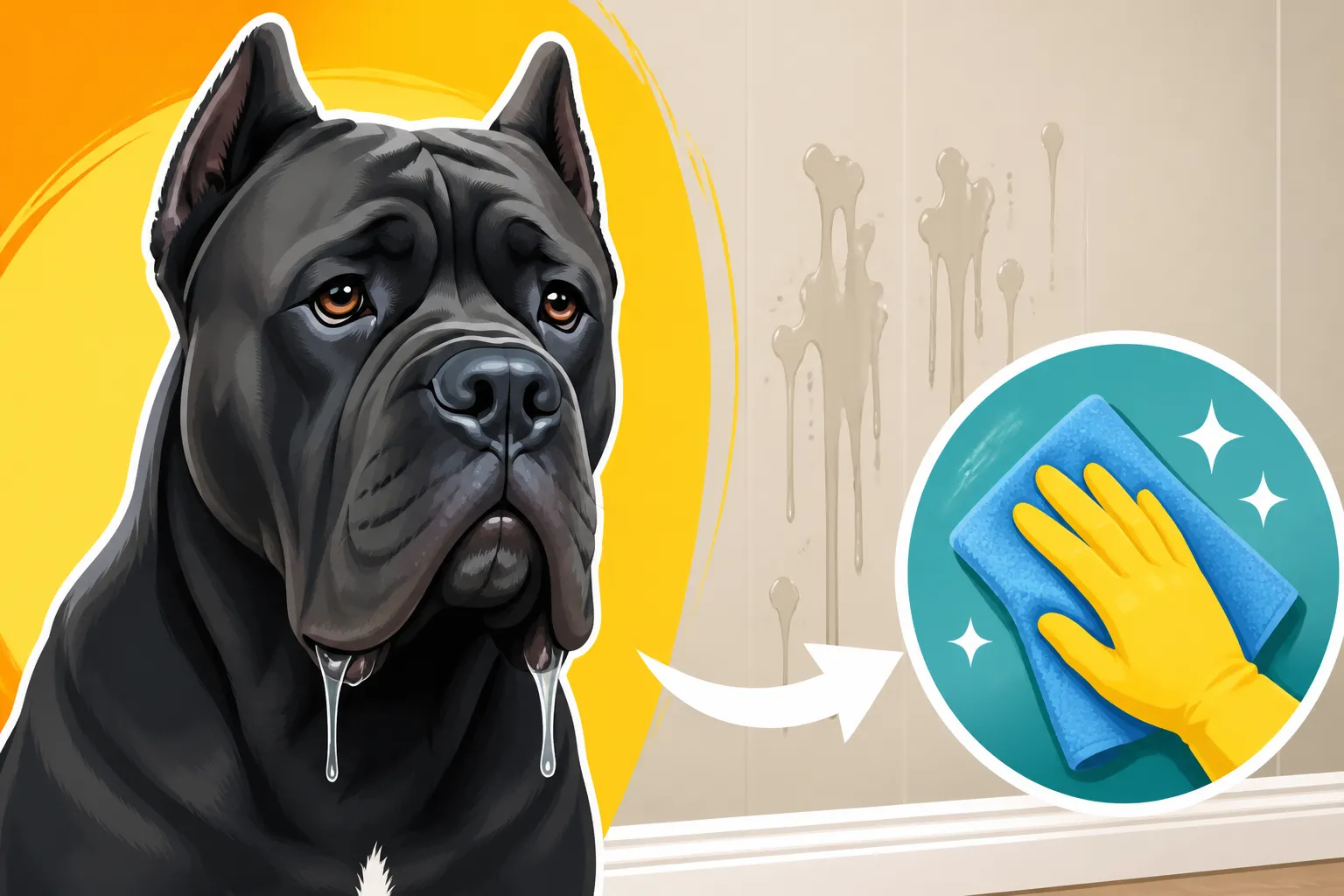
Ah, the majestic Cane Corso! There’s nothing quite like their impressive presence, their loyal gaze, and… the way they can redecorate your walls with a perfectly flung string of slobber. If you’re nodding along, you’re not alone. We’ve all been there, wondering if we should just embrace the "drool art" or find a better way to keep our homes from looking like a modern art installation after a particularly enthusiastic yawn or a well-timed head shake. This guide is all about tackling that very real frustration, offering practical advice and real-world solutions to manage the unique challenge of Cane Corso drool.
Understanding Why Your Cane Corso Drools All Over the House
Before we can effectively manage the drool, it helps to understand why our magnificent Cane Corsos are such prodigious droolers in the first place. It's not just a charming quirk; there are some solid physiological reasons behind it, and knowing them can help you anticipate and mitigate the mess.
The Anatomy Behind the Slobber
Cane Corsos, like many Mastiff-type breeds, have a specific facial structure that contributes significantly to their drooling habits. Their loose jowls, often referred to as "flews," aren't just for show. These anatomical features are designed to gather and hold saliva. Unlike breeds with tighter lips that can contain their drool more effectively, a Cane Corso's jowls often create little pockets where saliva collects. When they move their heads, shake, or even just open their mouths wide, that accumulated saliva has nowhere to go but out – often in an arc that seems specifically aimed at your newly painted wall or favorite sofa. It’s not a lack of manners; it’s just physics and genetics at play. You might notice it more after they've had a big drink of water, leaving a wet trail from their bowl to their favorite napping spot, or after a rigorous play session.
When Drool is Normal Versus a Concern
Most of the time, your Cane Corso’s drooling is perfectly normal. Anticipation of food, excitement, stress, or even just being hot can all increase saliva production. Have you ever seen your Corso watch you prepare their meal? The little drool puddles starting to form are a classic example of Pavlovian response! However, it's important to be able to tell the difference between normal slobber and drooling that might signal a health issue. If your Cane Corso suddenly starts drooling excessively, or if the drool has a strange odor, color, or consistency, it could be a red flag. Dental problems, like a broken tooth or gum disease, are common culprits. Imagine how uncomfortable it would be to have a toothache and try to swallow normally. Oral masses, foreign objects lodged in the mouth or throat, nausea, or even certain neurological conditions can also cause abnormal drooling. If you notice any sudden changes, or if the drooling is accompanied by other symptoms like lethargy, loss of appetite, or difficulty swallowing, it's always best to consult your veterinarian. Regular check-ups, including dental exams, are crucial for catching these issues early. For instance, sometimes The Tooth and Retina Disease in Cane Corso Lines might manifest with oral issues.
Everyday Strategies to Combat Wall Drool
Okay, so we understand the "why." Now let's talk about the "how" – how we can actually keep those walls, and indeed, the rest of our homes, a little less… slimy. There are a few proactive steps and habit changes that can make a real difference.
Proactive Cleaning and Protective Barriers
One of the simplest ways to manage drool on your walls is to create barriers and be diligent with cleaning. Think of it as defensive planning! If your Cane Corso has a favorite spot where they tend to shake their head or rest against the wall, consider putting a washable cover or a designated "drool towel" over that section of the wall. For example, a heavy-duty, easily cleaned canvas or vinyl mat can be surprisingly effective behind their feeding area or kennel. Many people use clear splash guards in kitchens, and a similar idea can be applied to high-traffic drool zones.
When it comes to cleaning, regularity is key. Don't wait for the drool to dry and harden. Fresh drool is much easier to wipe away. Keep a designated "drool kit" in key areas of your home – maybe a small bucket with a few microfibre cloths and a gentle, pet-safe cleaning solution. A quick wipe-down a couple of times a day, especially after meals or energetic play, can prevent buildup. You might find some excellent, pet-friendly cleaning solutions on Chewy or Amazon. Remember, regular grooming and wiping their muzzle can also help. Just like how you might need Daily Eye Care on a Cane Corso's Loose Lids, their mouth area benefits from consistent attention.
Strategic Feeding and Hydration Practices
How and when your Cane Corso eats and drinks can have a noticeable impact on drool. Many Corsos are enthusiastic drinkers, often plunging their entire muzzle into the water bowl and then pulling back to create a mini-waterfall across your floor and nearby walls.
Water Bowl Choices and Placement:
Consider investing in a deeper, narrower water bowl or one specifically designed to reduce splashing. Some bowls have raised edges or a design that encourages them to drink more carefully. Placing their water bowl on a mat with a raised lip can catch drips. Also, think about where the water bowl is located. Is it right next to a white wall? Maybe moving it to a more forgiving surface, like tile or a wall painted with a washable finish, could save you some headaches. You could even place the water bowl outdoors for a short period after they've exercised, letting them rehydrate without worrying about indoor splashes.
Mealtime Habits:
Excitement around mealtime can definitely increase drool production. Some owners find that having a consistent, calm routine around feeding helps. Instead of rushing to put the bowl down as soon as they see it, try making them wait patiently for a few seconds. This can help manage their anticipation levels. Raised Bowls and a Cane Corso's Bloat Risk is a common discussion, but for drool, lower bowls might keep the mess closer to the floor. However, the primary concern with raised bowls is bloat risk, so always prioritize health guidance from your vet on feeding positions. After eating, ensure they have a towel ready for a quick face wipe. If you're considering a change in diet, perhaps trying a fresh food option like Ollie, observe if there's any change in their drool consistency or volume. Sometimes dietary shifts can affect saliva production or even digestion, which can in turn impact drool.
Specialized Gear and Products for Drool Management
Sometimes, simply wiping and repositioning isn't enough. That's when specialized gear can come in handy. There are some clever products out there designed with our slobbery friends in mind.
Bibs, Bandanas, and Furniture Covers
Yes, dog bibs are a thing, and for a Cane Corso, they can be a game-changer! Imagine a small, absorbent towel perpetually tucked under your dog's chin. These bibs are often made of highly absorbent materials like fleece or terry cloth and are easily washable. They catch the majority of the drips and strings before they ever reach your floors or furniture. You might want to buy several so you always have a clean one on hand. While a standard bandana might look stylish, for serious drooling, you'll want one specifically designed for absorption.
For furniture, investing in durable, washable furniture covers is a lifesaver. Slipcovers, throws, or even dedicated pet blankets can protect your sofas, chairs, and even your bed if your Corso is allowed up there. Look for covers that are easy to remove and toss into the washing machine. Many companies offer waterproof or water-resistant options that are excellent for protecting against both drool and damp paw prints. Brands available on Amazon or Chewy often have a wide selection of these protective items. These covers aren't just for drool; they also help with Living With the Hair a Cane Corso Leaves Everywhere.
Choosing the Right Cleaning Supplies
When those drool missiles do land, having the right cleaning supplies makes all the difference. You want something effective but also safe for your pet and your home surfaces.
General Cleaning Solutions:
For everyday drool, a simple solution of warm water with a tiny bit of mild, pet-safe soap (or even just plain water) usually does the trick. Microfiber cloths are your best friend here, as they are super absorbent and can pick up grime without harsh chemicals. For more stubborn, dried-on drool, you might need something stronger. Enzymatic cleaners are excellent for breaking down organic matter like saliva, urine, and other pet messes without leaving residue or strong chemical odors. These are usually safe for most surfaces, but always spot-test in an inconspicuous area first, especially on painted walls or delicate fabrics.
Stain and Odor Removers:
Sometimes, drool can leave a faint odor or a yellowish stain, especially on lighter-colored walls or fabrics if not cleaned promptly. This is where dedicated pet stain and odor removers come in. Again, enzymatic cleaners are often the best choice for odor, as they neutralize the source rather than just masking it. Look for products specifically formulated for pet messes. Avoid harsh chemicals like bleach, which can be toxic to pets and damage surfaces. Always follow the product instructions, and ensure the area is well-ventilated while cleaning. Having these on hand can save your sanity when dealing with a particularly stubborn drool patch.
| Drool Management Strategy | Description | Best For | Considerations |
|---|---|---|---|
| Protective Barriers | Washable wall covers, splash guards, furniture throws | High-traffic drool zones, furniture | Aesthetics, ease of washing, material durability |
| Strategic Feeding | Deeper bowls, slow feeders, calm mealtime routines | Reducing water splashes, post-meal drool | Bloat risk if using raised bowls (consult vet), patience required for training |
| Pet Bibs/Bandanas | Absorbent fabric worn around the neck | Catching drips, minimizing direct skin/coat wetness | Needs frequent washing, dog's comfort with wearing it |
| Regular Cleaning | Wiping down surfaces with pet-safe cleaners, microfibre cloths | Preventing dried drool buildup, general hygiene | Consistency is key, use non-toxic products |
| Vet Consultation | Professional examination for excessive/unusual drooling | Sudden changes, strange odor/color/consistency of drool, dental issues | Essential for ruling out underlying health problems |
Lifestyle Adjustments for a Less Drooly Home
Beyond the immediate clean-up and gear, thinking about your Cane Corso’s overall lifestyle can also contribute to a less drooly environment. It’s about managing their excitement, training, and general well-being.
Training for Better Drool Control
While you can't stop a Cane Corso from drooling entirely, you can certainly influence when and where it happens through training. A solid "place" command or "stay" can be incredibly useful. Imagine guests arriving, and your excited Corso is prone to shaking his head in greeting. Teaching him to go to his "place" (a mat or bed) and stay there calmly can minimize the excited drool spread. You can also work on impulse control – making them wait for things like food, toys, or going outside. The less frantic their anticipation, the less likely they are to produce rivers of drool.
Another angle is muzzle training, not because your Cane Corso is dangerous, but for practical reasons. A comfortable, well-fitting basket muzzle, like those found on Chewy or Amazon, can be used in situations where you absolutely need to prevent drool, such as during vet visits or in public places where cleanliness is paramount. It’s not about restricting them long-term, but having it as a tool for specific situations. Starting this training early and positively, just like you would teach them to accept a leash or harness, is crucial. For ideas on general training, you might find some useful tips in Building a Cane Corso's Recall From Eight Weeks or The Place Command That Saves a Cane Corso Household.
Managing Triggers and Environmental Factors
Understanding what makes your Cane Corso drool more can help you manage those situations. Is it certain smells? The sound of the doorbell? Heat?
Temperature Regulation: Cane Corsos can overheat quite easily due to their dense coats and large bodies. When they’re hot, they pant more, which naturally leads to more drooling. Ensuring your home is cool and comfortable, especially during warmer months, can reduce excessive drooling. Providing plenty of shade outdoors, access to cool water, and avoiding strenuous exercise during the hottest parts of the day are all important. Heat Stroke in a Working Cane Corso is a serious concern, and drooling can be a symptom.
Excitement and Anxiety: Like humans, dogs can drool more when they're excited or anxious. If your Corso gets overly excited by certain toys or activities, try to manage that energy. Redirect their focus, or use training to temper their reactions. For dogs prone to anxiety, identifying and mitigating stress triggers can help. This might involve creating a safe, quiet space for them during loud events or using calming aids. A dog that is constantly stressed or anxious will often produce more saliva. What an Anxious Cane Corso Looks Like can offer insights into recognizing these signs. A consistent routine and plenty of appropriate exercise can help manage anxiety. Also, be mindful of what they're chewing on; Chews That Survive a Cane Corso's Jaw can keep them occupied and less prone to anxious behaviors that might induce drooling.
By combining an understanding of their anatomy, proactive cleaning, smart product choices, and thoughtful lifestyle management, you can definitely keep those beautiful Cane Corso slobber strings off your walls and your home looking a little less like a abstract painting. It takes effort, but what great dog ownership doesn't?
Disclaimer
This article is for general informational purposes only and does not constitute professional advice. Laws, prices and regulations vary by location and change over time. Consult a qualified professional for guidance on your specific situation.