Whether a Cane Corso Needs Paw Balm in Winter
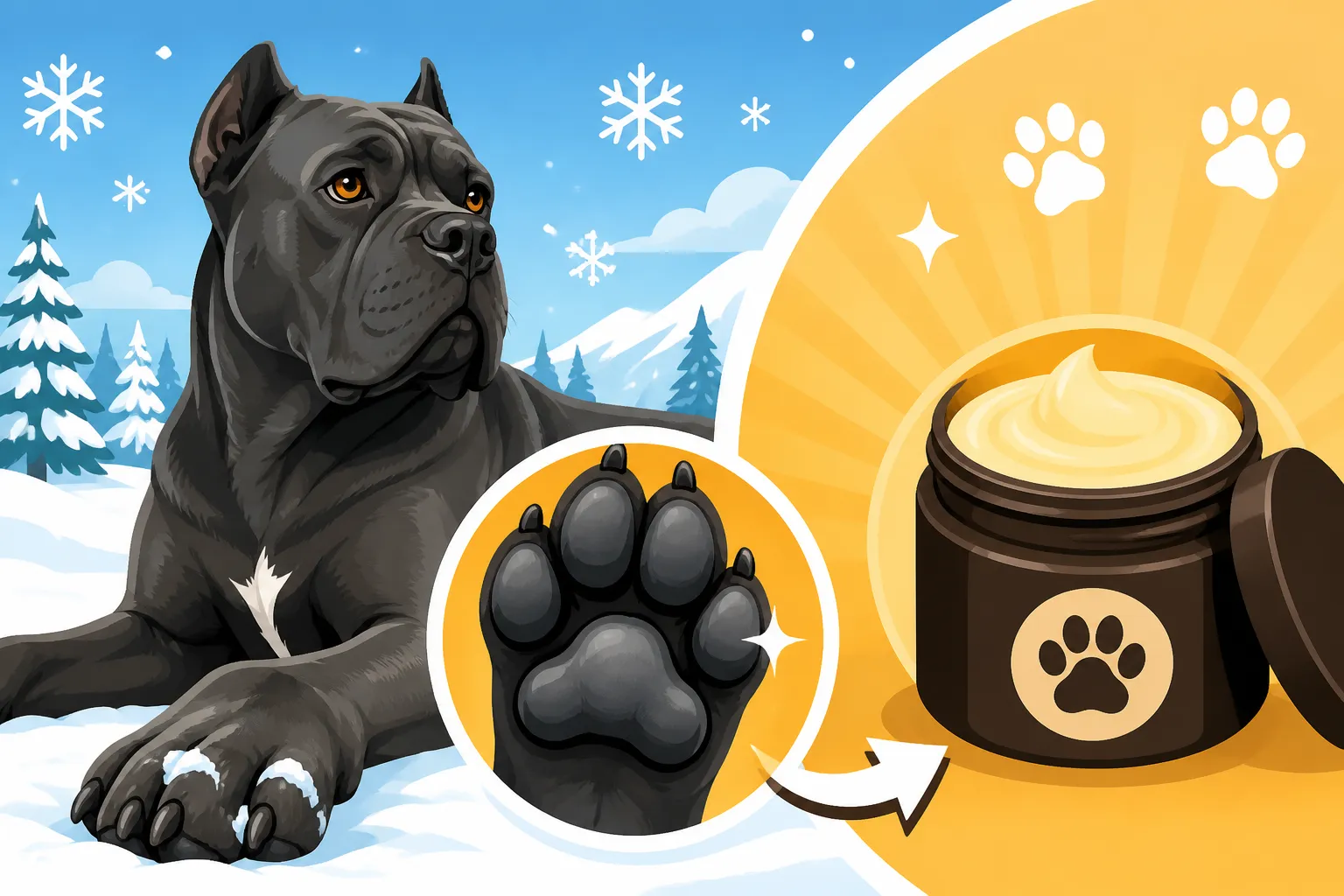
Winter can be incredibly harsh on your Cane Corso's sensitive paw pads, leading to painful cracking, dryness, and irritation that can make even a short walk miserable. It's a common struggle for us Cane Corso owners, as these stoic giants often try to tough it out until the discomfort is undeniable. This comprehensive guide is here to walk you through why winter is so tough on their paws, how to spot trouble, and crucially, whether a dedicated paw balm is a non-negotiable part of their cold-weather routine to keep them comfortable and healthy.
The Unique Challenges Winter Poses for Cane Corso Paws
You might think a big, tough Cane Corso, bred for guarding and working, would be impervious to a little cold or snow. But their paw pads, despite their resilience, are surprisingly vulnerable to the extreme conditions winter throws at us. They aren't covered by that thick, protective coat, leaving them exposed to a barrage of environmental stressors.
Cold, Ice, and Snow Exposure
Imagine walking barefoot on frozen ground or through icy puddles for an extended period. That's essentially what your Cane Corso experiences. Their paws are built to handle varied terrain, but prolonged exposure to extreme cold can cause significant issues. Just like our hands and feet, their paw pads can become dry, chapped, and even crack. The skin loses its natural moisture and elasticity in freezing temperatures, making it brittle and prone to damage.
Beyond just the cold, snow and ice present their own unique problems. Snow can collect between your Cane Corso's toes, especially if they have some longer hairs there, forming painful ice balls that tug and pull at the skin. These ice balls can cause abrasions and make walking incredibly uncomfortable, leading your dog to lift their paws or limp. I've seen many a Corso come in from a brisk walk, trying to chew at their feet because of these frozen nuggets. It’s not just a minor annoyance; it can really make their outdoor time less enjoyable, and who wants that for their big buddy?
The Menace of De-Icing Agents and Salt
Perhaps even more insidious than the cold itself are the de-icing agents and rock salt used to keep sidewalks and roads clear. While these products are effective at melting ice, they are often packed with chemicals that are incredibly irritating, if not downright corrosive, to your Cane Corso's paw pads. Think of it like walking through acid for sensitive skin.
These harsh chemicals can cause painful burns, dry out the pads, and lead to redness, inflammation, and cracking. The sharp edges of rock salt crystals can also cause physical abrasions, compounding the chemical irritation. Even worse, once your dog comes inside, they'll instinctively try to lick their irritated paws, ingesting these potentially toxic substances. This can lead to digestive upset, vomiting, or even more serious issues depending on the specific chemicals involved. It’s a silent threat we often don’t think about until we see the immediate aftermath. This is why a thorough clean-up routine after walks is critical, especially if your Cane Corso drinks too fast and might ingest more of whatever gets on their paws.
Recognizing the Signs of Winter Paw Stress in Your Cane Corso
Our Cane Corsos are tough, and they often won't complain vocally until they're really uncomfortable. This means we, as their devoted guardians, need to be vigilant and know what to look for when winter takes its toll on their paws. Catching these signs early can save your dog a lot of pain and prevent more serious conditions from developing.
Visual Cues and Behavioral Changes
First, let's talk about what you might see. After a winter walk, take a moment to inspect your Cane Corso's paws. Look for:
- Dryness and Cracking: The most common sign. Their pads might look dull, rough, and you might see small, superficial cracks, especially around the edges of the pads.
- Redness or Inflammation: The skin between their toes or on the pads themselves might appear red or swollen, indicating irritation.
- Peeling or Flaking Skin: Severely dry pads might start to peel, similar to how human skin does after sunburn.
- Bleeding: In more advanced cases, deep cracks can open up and bleed, which is not only painful but also leaves them susceptible to infection.
Beyond visual cues, watch for changes in your Cane Corso's behavior. These subtle shifts are often the first indicators that something is amiss:
- Excessive Licking or Chewing: If your Cane Corso is constantly licking, chewing, or even gnawing at their paws, it's a clear sign of discomfort or irritation. They're trying to soothe themselves.
- Limping or Favoring Paws: They might limp slightly after walks, or try to avoid putting weight on a particular paw. They might walk gingerly, especially on cold or rough surfaces.
- Reluctance to Walk: If your usually enthusiastic Cane Corso hesitates to go outside, or stops frequently during a walk, especially on icy or salted paths, their paws are likely hurting. They may even outright refuse to step onto certain surfaces.
- Sensitivity to Touch: If they pull away when you try to examine their paws, or react with a whimper, it’s a strong indicator of pain.
Don't dismiss these signs. Your Cane Corso relies on those powerful paws for everything, from playing in the yard to their daily exercise. Ignoring these warnings can lead to prolonged pain and potentially more severe issues. Remember, a Cane Corso's health, from their hips and elbows a Cane Corso must be cleared on to the smallest paw pad, impacts their overall well-being.
When to Seek Veterinary Attention
While many winter paw issues can be managed at home with diligent care, there are times when a trip to the vet is absolutely necessary. Knowing when to escalate your concerns is crucial for your Cane Corso's health.
You should contact your veterinarian immediately if you observe any of the following:
- Deep, Bleeding Cracks: If a crack is deep enough to bleed significantly or repeatedly, it’s not just a surface issue. These wounds are painful and can easily become infected.
- Signs of Infection: Look for pus, severe swelling, an unpleasant odor, or if the paw feels warm to the touch. Your Cane Corso might also develop a fever or become lethargic.
- Persistent Limping or Inability to Bear Weight: If your dog is consistently limping, unable to put weight on a paw, or shows extreme pain when walking, something more serious might be going on than just dry pads. While this could be related to paw irritation, it could also indicate an injury, like a strained muscle, a foreign object embedded in the paw, or even a more systemic issue like Panosteitis and the Shifting Limp in a Cane Corso Puppy in younger dogs.
- Blisters or Chemical Burns: These are usually quite painful and require professional assessment and treatment to prevent infection and promote proper healing.
- Unusual Lumps or Swelling: While rare for winter paw issues, any new or growing lump should always be checked by a vet. You want to rule out anything serious like The Lump That Appears Under a Cane Corso's Skin.
Your vet can properly diagnose the issue, clean and treat any wounds, prescribe antibiotics if an infection is present, or recommend stronger pain relief. They can also rule out other underlying health problems that might be mimicking paw issues. It's always better to be safe than sorry, especially with our Cane Corsos, whose high pain tolerance can sometimes mask serious problems.
The Essential Role of Paw Balm in Winter Protection
So, you've seen the signs, understood the risks – now what? This is where paw balm truly becomes a hero in your Cane Corso's winter care arsenal. It's not just a luxury; it's a fundamental tool for protecting and healing those precious paws.
What Paw Balm Does for Your Cane Corso
Think of paw balm as a specialized moisturizer and protective shield specifically designed for the unique texture and exposure of a dog's paw pads. Its benefits are multi-faceted:
- Moisturizes and Prevents Dryness and Cracking: Just like our skin, paw pads need moisture to remain pliable and healthy. Winter air, especially indoors with heating, can strip this moisture away. Paw balm replenishes hydration, keeping the pads soft and resilient. This elasticity helps prevent the tiny micro-cracks that can turn into painful fissures. A well-hydrated paw pad is much better equipped to handle the stresses of cold and dry conditions.
- Creates a Protective Barrier: One of the most critical functions of paw balm is forming a protective layer over the pads. This barrier acts as an invisible shield against harsh external elements such as road salt, chemical de-icers, sharp ice, and even hot pavement in other seasons. It physically separates the delicate paw tissue from these irritants, significantly reducing the risk of chemical burns, abrasions, and excessive drying. This is especially important for protecting against Road Salt on a Cane Corso's Pads in January.
- Soothes Existing Irritation and Promotes Healing: If your Cane Corso's paws are already a bit chapped or irritated, paw balm can provide immediate relief. Many balms contain ingredients with anti-inflammatory and soothing properties that can calm redness and discomfort. By keeping the skin moisturized and protected, the balm also creates an optimal environment for existing minor cuts or cracks to heal more quickly, preventing them from worsening or becoming infected.
In essence, paw balm is both a proactive preventative measure and a reactive healing aid. It's a simple, non-invasive way to keep your Cane Corso's feet in top condition, ensuring they can enjoy their winter walks without unnecessary pain.
Key Ingredients to Look For
When you're shopping for paw balm for your Cane Corso, the ingredient list matters a lot. Remember, your dog will inevitably lick some of this off, so choosing safe, natural ingredients is paramount. You want effective moisturizers and protectants, without any harmful additives.
Here’s what to prioritize:
- Natural Waxes: Beeswax and Carnauba wax are fantastic. They create that crucial protective barrier without suffocating the skin. Beeswax is also known for its healing properties, while carnauba wax is extremely durable and provides a good seal. These waxes are often what gives a good balm its consistency and staying power.
- Emollients and Moisturizers:
- Shea Butter: A superstar ingredient for skin hydration. It’s rich in vitamins A and E, and provides deep moisturizing without feeling greasy. It's also known for its anti-inflammatory properties, which is excellent for soothing irritated pads.
- Coconut Oil: Another popular choice, coconut oil is a natural moisturizer with antibacterial and antifungal properties. It absorbs well and helps to soften the skin.
- Vitamin E: A powerful antioxidant that supports skin health and can aid in healing minor cuts and abrasions. It helps to protect the skin cells from damage and keeps the pads supple.
- Jojoba Oil or Almond Oil: These are often included for their conditioning properties, closely mimicking the skin's natural oils and providing further hydration.
What to avoid:
- Harsh Chemicals: Steer clear of petroleum jelly (Vaseline), mineral oil, or products with a long list of unpronounceable chemical ingredients. While some might offer a barrier, they don't moisturize effectively and can be irritating or even harmful if ingested.
- Artificial Fragrances and Dyes: These are unnecessary and can be irritants or allergens for your dog. They add nothing beneficial and can make your Cane Corso lick their paws more.
- Zinc Oxide: While common in human sunscreens, zinc oxide can be toxic if ingested by dogs. Double-check labels to ensure this isn't an ingredient.
Many reputable brands offer excellent natural paw balms. You can often find a wide selection of highly-rated, all-natural paw balms formulated for dogs on popular online retailers like Chewy or even through the pet section of Amazon. Some health-conscious brands, like Ollie, focus on natural, wholesome ingredients for overall pet wellness, and their philosophy often extends to external care products as well, making them a good option to check out. Always read reviews from other large dog owners to see what works best for their big paws.
Choosing and Applying Paw Balm Effectively
Alright, you're convinced that paw balm is a winter essential for your Cane Corso. Now, how do you pick the right one and, perhaps more importantly, how do you actually get it on those massive paws without a wrestling match?
Selecting the Right Paw Balm for Your Giant
With so many options on the market, choosing the right paw balm can feel a bit overwhelming. Here are some pointers to help you make an informed decision for your Cane Corso:
- Consistency Matters: Paw balms come in various forms:
- Sticks/Tubes: These are often the easiest to apply directly, much like a giant lip balm. They keep your hands clean and are great for quick application before heading out the door. They're usually firm enough to get a good coating.
- Tins/Pots: These require you to scoop the balm out with your fingers, which can be messier but allows for a more thorough, hands-on massage. If you prefer a really deep application, a tin might be better.
- Ingredient Purity: As discussed, prioritize natural, non-toxic ingredients like beeswax, shea butter, and coconut oil. Always assume your Cane Corso will try to lick it off, so make sure it's safe for ingestion. Brands that emphasize organic or human-grade ingredients are often a good bet.
- "Extreme Weather" or "Healing" Formulas: Some balms are specifically marketed for harsh conditions or for repairing severely cracked pads. These often have a higher concentration of protective waxes or extra soothing ingredients. For a Cane Corso living in a truly cold or snowy climate, these specialized formulas can be invaluable.
- Customer Reviews, Especially from Large Dog Owners: Before you commit, check out reviews from other Cane Corso or large breed owners. They can offer real-world insights into how well a balm holds up to the demands of a heavy, active dog and whether it causes any irritation. Online retailers like Chewy and Amazon are great resources for these reviews. Some smaller, boutique pet brands that cater to overall pet health, like Ollie, might also carry paw balms that align with their natural philosophy.
Don't be afraid to try a couple of different brands or types to see what works best for your specific Cane Corso and your local winter conditions. Every dog is a little different, and what one finds comfortable, another might tolerate less.
Step-by-Step Application for Best Results
Applying paw balm shouldn't be a chore, but rather a bonding ritual. With a little patience and consistency, your Cane Corso will learn to associate it with comfort and care.
- Clean Paws First: Before applying, ensure your Cane Corso's paws are clean and dry. After coming in from a walk, gently wipe away any snow, ice, salt, or mud. Use a warm, damp cloth if needed, and then thoroughly dry their paws. This prevents trapping dirt or chemicals against their skin and helps the balm adhere better.
- Warm the Balm (Optional but Recommended): If using a balm from a tin, scoop a small amount into your palm and rub your hands together for a few seconds. The warmth of your hands will soften the balm, making it easier to spread and absorb. If using a stick, simply ensure it's at room temperature.
- Massage into Pads and Between Toes: Gently but firmly massage the balm into each paw pad. Don't forget the areas between the toes, as these spots are also vulnerable to dryness and irritation and where ice balls tend to form. Take your time, being mindful of any sensitive spots your dog might have. A nice paw massage can feel quite good, and it’s a wonderful opportunity for you to do a quick check of their paws for any hidden issues.
- Frequency of Application:
- Preventative: Ideally, apply paw balm before every outing into harsh winter conditions. This creates that protective barrier.
- Healing/Maintenance: Apply it after walks and before bedtime to help soothe and heal existing issues and keep the pads moisturized overnight. For very dry or cracked paws, you might apply it 2-3 times a day.
- Make it a Positive Experience: Your Cane Corso might be a bit wary at first. Use a calm, reassuring voice. Offer a high-value treat during or immediately after application. Turn it into a positive routine. This is similar to training them to accept a muzzle, where consistency and positive reinforcement are key; if you can get them used to Fitting a Basket Muzzle on a Cane Corso, you can certainly get them comfortable with paw balm. Consistency is key, and soon, they might even look forward to their paw massages.
After applying, try to keep your Cane Corso from licking their paws immediately for a few minutes to allow the balm to absorb and form its protective layer. A quick game of fetch or a puzzle toy can distract them.
Beyond Balm: A Holistic Approach to Winter Paw Care
While paw balm is undoubtedly a powerful tool, it's just one part of a comprehensive winter paw care strategy for your Cane Corso. To truly protect those massive feet, you need to consider a multi-pronged approach that includes protective gear, a consistent post-walk routine, and even nutritional support.
The Role of Paw Booties and Protective Gear
Sometimes, even the best paw balm isn't enough, especially in extreme conditions or for dogs with particularly sensitive pads. This is where paw booties come into play.
- Pros of Booties:
- Superior Protection: Booties offer an impenetrable barrier against harsh chemicals, sharp ice, extreme cold, and abrasive surfaces. They completely cover the paw, preventing direct contact with irritants. This is especially critical in areas with heavy rock salt application.
- Prevents Ice Balls: For dogs with hair between their toes, booties are excellent at preventing painful ice and snow accumulation.
- Aids Healing: If your Cane Corso already has cracked or injured pads, booties can protect the wounds while they heal, preventing further irritation or infection.
- Cons and Challenges:
- Finding the Right Fit: This can be a huge hurdle for Cane Corsos. Their large, deep paws can be difficult to fit properly. Booties need to be snug enough not to fall off but not so tight that they restrict circulation or cause rubbing. Poorly fitting booties can actually cause more problems than they solve.
- Acceptance by Your Cane Corso: Many dogs, especially those new to them, find booties awkward and uncomfortable. They might do the "bootie dance" – lifting their feet high, trying to shake them off. Training is usually required.
- Durability: Cane Corsos are powerful dogs, and their strength combined with rough terrain can quickly wear through less durable booties. You'll need to invest in high-quality, robust options.
When are Booties Essential?
Consider booties if you live in an area with:
- Extreme Cold or Deep Snow: Where frostbite is a real risk.
- Heavy Use of De-Icing Chemicals/Rock Salt: Where chemical burns are a constant threat.
- Abrasive Surfaces: Such as rough, icy pavements.
Training Your Cane Corso to Accept Booties:
Start slowly indoors. Put one bootie on for a few seconds, treat, and remove. Gradually increase the time and add more booties. Make it fun and positive, perhaps linking it to something they love, like their favorite toy (referencing The Reward a Cane Corso Actually Values). Patience is key!
Post-Walk Routine and Indoor Care
What happens after the walk is just as important as what happens during it. A consistent post-walk routine and thoughtful indoor care can significantly reduce winter paw problems.
- Always Wipe Paws Thoroughly: This is non-negotiable, especially after walking on salted or chemically treated surfaces. Use a warm, damp cloth, or even a shallow basin of lukewarm water, to thoroughly rinse off any salt, grit, or chemicals. Pay close attention to the pads and between the toes. This is your best defense against Road Salt on a Cane Corso's Pads in January causing irritation or being ingested.
- Gentle Drying: After rinsing, gently but thoroughly dry your Cane Corso's paws with a soft towel. Moisture trapped between the toes can lead to skin irritation or fungal infections.
- Regular Nail Trims: Keeping your Cane Corso's nails trimmed short is vital year-round, but especially in winter. Long nails can force their toes to spread unnaturally, putting extra strain on their paw pads and making them more susceptible to injury. It also makes it harder for them to get good traction on slippery surfaces. If you struggle with this, consider getting tips from a groomer or vet, or check out advice on Trimming an Old Cane Corso's Overgrown Nails which applies to dogs of all ages.
- Check for Foreign Objects: Regularly inspect their paws for any small stones, ice shards, or other debris that might have become lodged between their pads during the walk.
- Maintain a Comfortable Indoor Environment: Ensure your Cane Corso has warm, comfortable resting spots indoors. Hard, cold floors can be tough on their joints, and dry indoor air from heating can contribute to dry skin, including their paw pads. Consider providing Orthopedic Beds Rated for a Cane Corso's Weight to offer cushioning and warmth. Running a humidifier can also add moisture to the air, which benefits both your dog's skin and your own.
Nutritional Support for Healthy Paws
While external care is vital, don't overlook the role of nutrition in maintaining healthy skin and paws from the inside out. A healthy diet supports overall skin integrity, making paws more resilient to environmental stressors.
- Omega Fatty Acids: Supplements rich in Omega-3 and Omega-6 fatty acids (like fish oil or flaxseed oil) are excellent for skin and coat health. They help reduce inflammation and keep the skin supple and moisturized, which directly benefits paw pads. You might already be giving them for joint health, as many owners consider Whether a Cane Corso Needs Joint Supplements From Two.
- High-Quality Diet: Feed your Cane Corso a well-balanced, high-quality dog food. A diet rich in essential vitamins, minerals, and proteins provides the building blocks for healthy skin, nails, and paw pads. If your dog has allergies or sensitivities, a limited ingredient diet might reduce overall skin inflammation, which can manifest in paw issues.
- Hydration: Ensure your Cane Corso always has access to fresh, clean water. Good hydration is crucial for skin elasticity and overall health, and often gets overlooked when we think about skin care.
By combining the protective power of paw balm with proactive measures like booties, a diligent post-walk routine, and a nourishing diet, you can ensure your Cane Corso's paws remain healthy and comfortable throughout the winter season. They'll be ready for every adventure, regardless of the weather.
| Paw Protection Method | Key Benefit | Best For | Potential Drawbacks | Cane Corso Consideration |
|---|---|---|---|---|
| Paw Balm | Moisturizing & Barrier | Dryness, minor cracks, light salt/irritation | Needs frequent reapplication; not fully waterproof | Essential for baseline care; easy to apply; look for natural waxes and oils. |
| Paw Booties | Full Physical Protection | Heavy salt, ice, deep snow, abrasive surfaces | Training required; difficult to fit large paws; can be cumbersome. | Invest in durable, well-fitting boots; patience is key for acceptance. |
| Post-Walk Rinse | Removes Irritants | Any exposure to outdoor elements | Only effective after exposure; doesn't prevent. | Crucial for removing salt and chemicals; integrate into routine immediately upon re-entry. |
| Nail Trimming | Structural Health | Prevents splayed toes, improves traction | Can be a struggle; improper cuts are painful. | Regular maintenance prevents secondary paw problems; use professional help if needed. |
| Omega Supplements | Internal Skin Health | Chronic dryness, inflammation | Not an immediate fix; dietary supplement. | Supports overall skin elasticity and resilience; can improve skin barrier function over time. |
Disclaimer
This article is for general informational purposes only and does not constitute professional advice. Laws, prices and regulations vary by location and change over time. Consult a qualified professional for guidance on your specific situation.