Where the Cane Corso’s Docked Tail Came From
The historical origins of the Cane Corso docked tail reveal why working farm dogs needed protection from injuries.
Is this the right one for you?
Origins and temperament, size and coat, what living with one is actually like, and how it compares to the breeds people weigh against it.
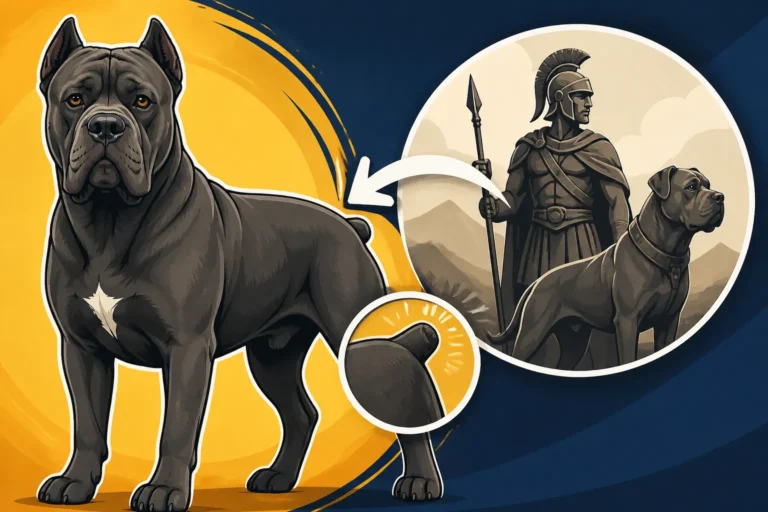
The historical origins of the Cane Corso docked tail reveal why working farm dogs needed protection from injuries.

Show and working Cane Corso lines differ in physical traits, historical utility roles, and modern breeding goals.
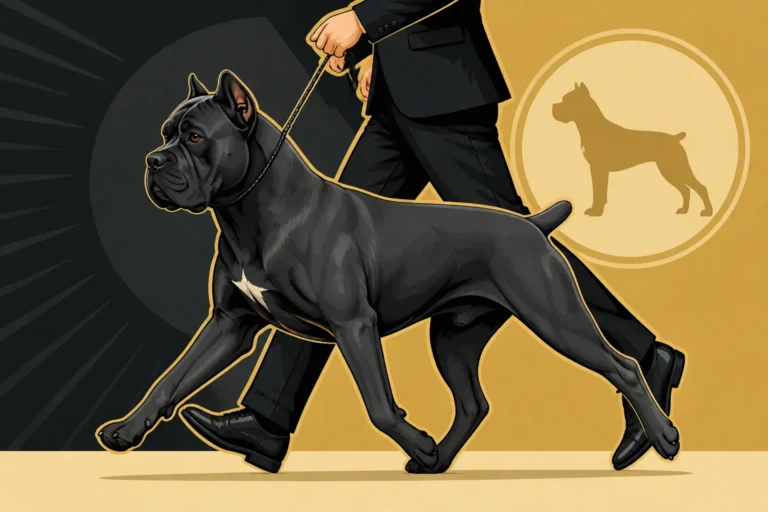
Cane Corso ring movement rules explain reach, drive, and stability standards reflecting the heritage and power of the breed.
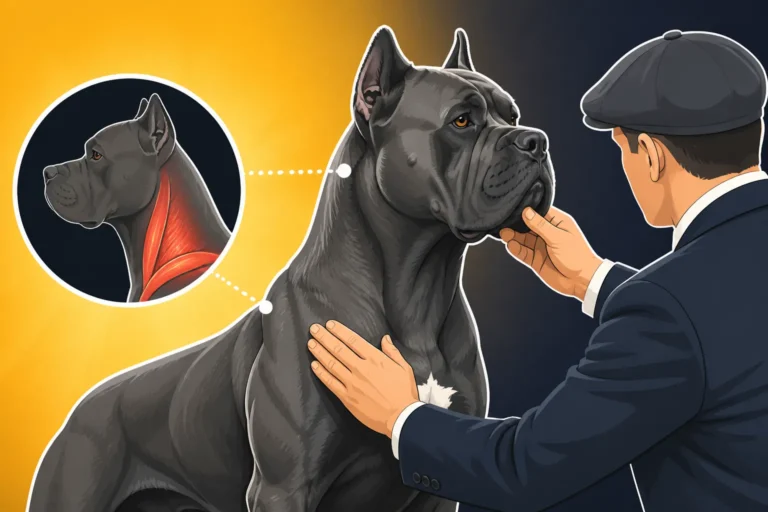
Cane Corso neck and shoulder conformation standards explain how proper structure supports the historical working breed.

A Cane Corso jaw structure, including scissors and slight undershot bites, determines if the trait is a fault.

The official Cane Corso standard explains scissor bites, level bites, and slight undershots where lower teeth extend two millimeters.
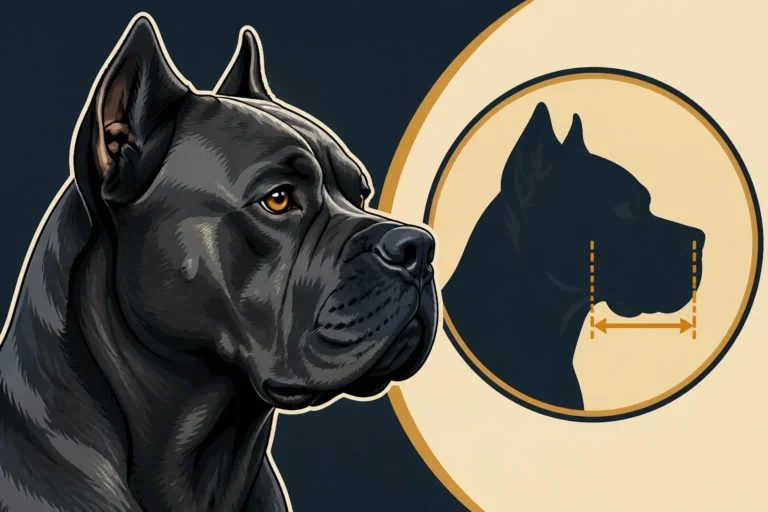
Cane Corso muzzle length requirements demand a robust structure measuring roughly one third of total head length.

Oversized Cane Corsos face health and movement challenges that impact longevity, contrasting with official AKC height and weight standards.
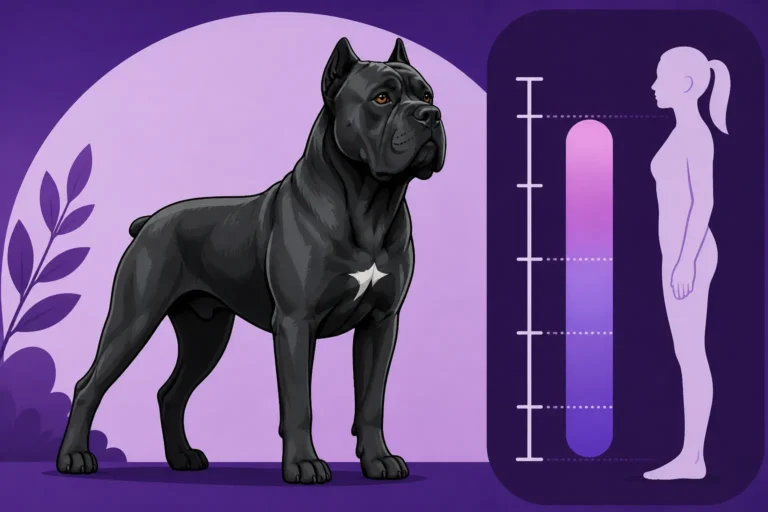
Female Cane Corsos measure between 23.5 and 26 inches tall at the withers according to official breed standards.
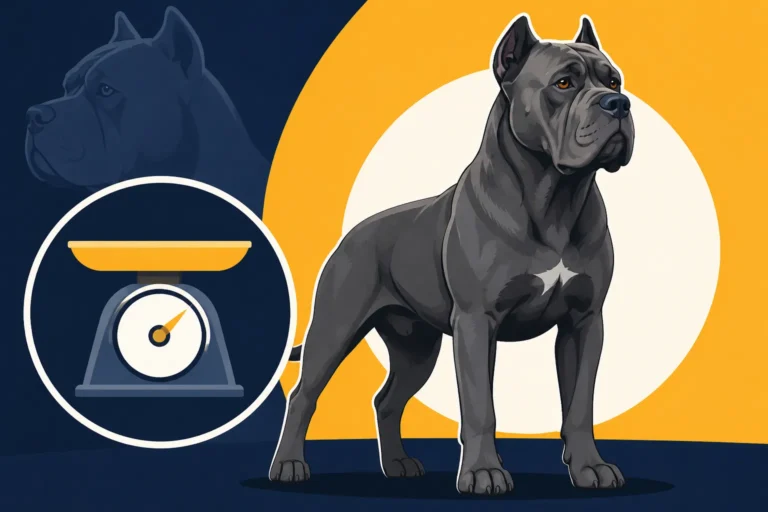
Grown male Cane Corso weight standards range between 99 and 110 pounds with heights of 25 to 27.5 inches for health.