Faults That End a Cane Corso’s Show Career
Cane Corso show faults and disqualifications include structural, movement, and physical deviations that end conformation careers.
Is this the right one for you?
Origins and temperament, size and coat, what living with one is actually like, and how it compares to the breeds people weigh against it.
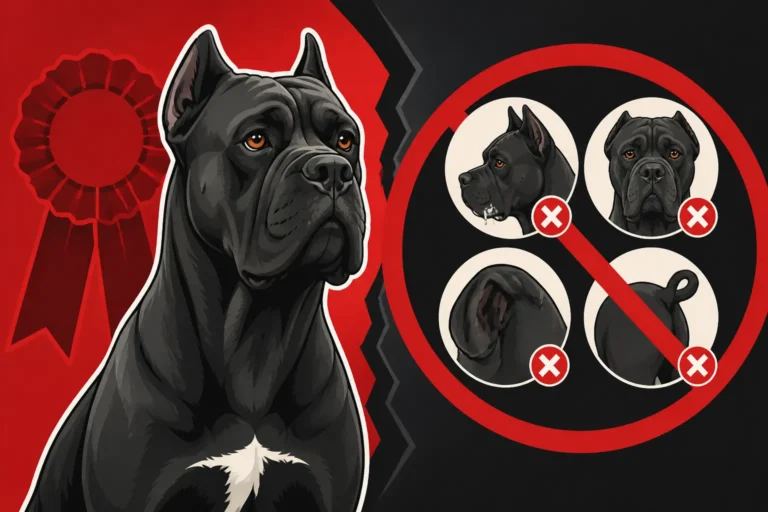
Cane Corso show faults and disqualifications include structural, movement, and physical deviations that end conformation careers.

Cane Corso show ring temperament requires noble composure, self-assured confidence, and controlled responsiveness instead of unprovoked aggression.
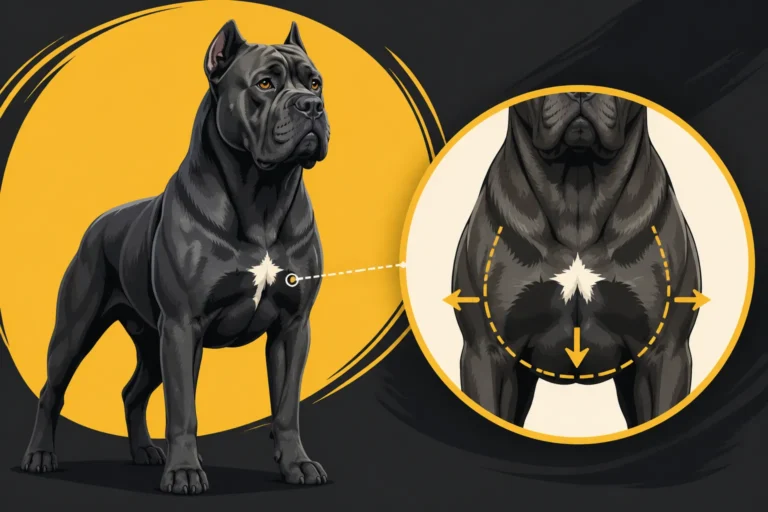
Cane Corso chest and body standards define the ideal depth, rib spring, and structural functionality for working dogs.

Cane Corso head proportions define the breed standard, explaining the required skull width, muzzle depth, and cephalic index.
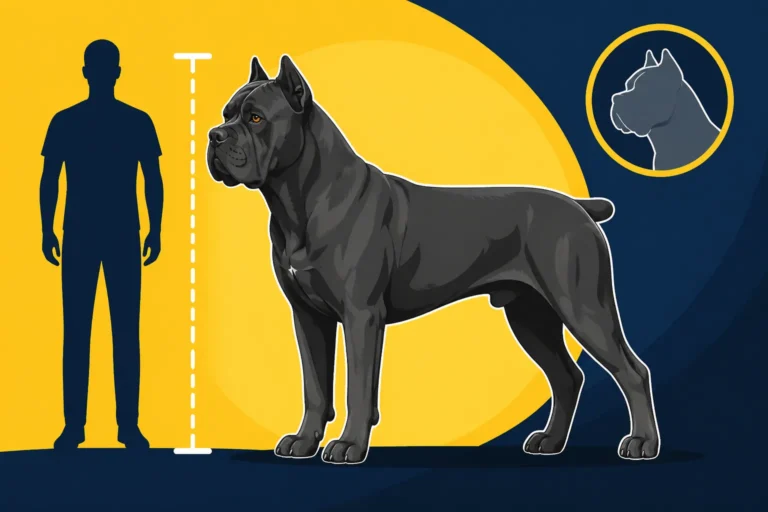
Official height measurements for male and female Cane Corsos, set by breed standards, range from 23.5 to 27.5 inches.

The journey of the Cane Corso from obscure Italian farm guardian to American Kennel Club Working Group member.

The 1988 litter and Michael Sottile established the endangered Italian farm dog in America after post-war near-extinction.
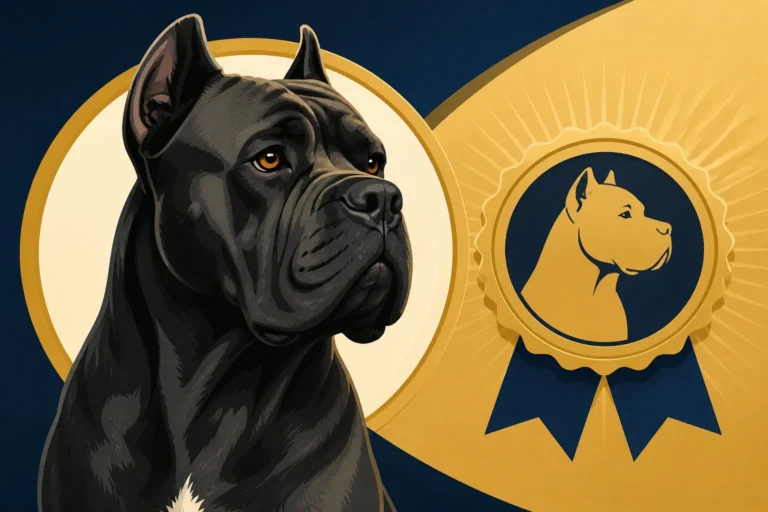
The 1994 ENCI recognition of the Cane Corso details the Italian mastiff survival following near extinction in the 1970s.

The founding of the Società Amatori Cane Corso in 1983 details how dedicated individuals rescued the breed from extinction.

The Cane Corso almost vanished after World War II, but dedicated individuals saved the Italian mastiff breed from extinction.