The 1976 Article That Started the Cane Corso Revival
Giovanni Bonnetti’s 1976 article sparked the revival of the Cane Corso breed after modern farming nearly caused extinction.
Is this the right one for you?
Origins and temperament, size and coat, what living with one is actually like, and how it compares to the breeds people weigh against it.

Giovanni Bonnetti’s 1976 article sparked the revival of the Cane Corso breed after modern farming nearly caused extinction.

Agricultural mechanization rendered the traditional guarding and livestock driving roles of the Cane Corso obsolete.
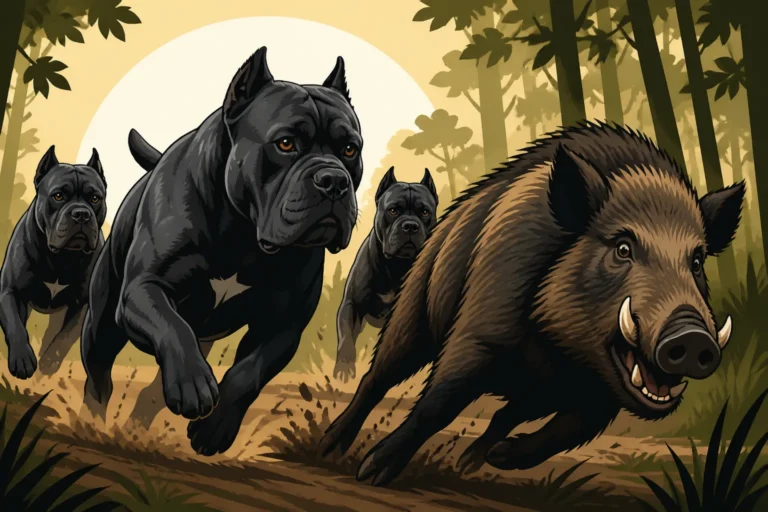
Cane Corso history as ancient wild boar catch dogs explains their rugged physique, strength, and resilience today.
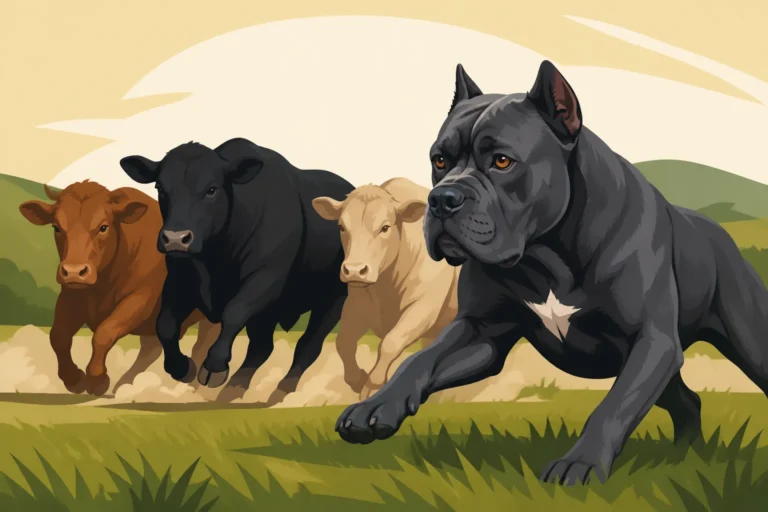
Cane Corso livestock work involved guarding property and managing cattle with physical presence rather than traditional herding.
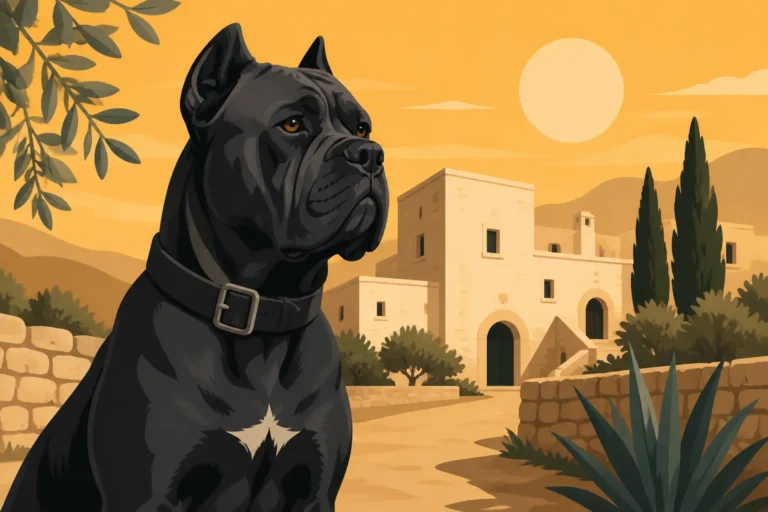
The Cane Corso and its historical role protecting fortified farmsteads in Southern Italy against wolves and bandits.

Roman arena stories about Cane Corso ancestors and gladiators are examined to separate historical facts from popular myths.

The ancient Roman Molossers and Canis Pugnax shaped the temperament, working drive, and protective guardian instincts of the Cane Corso.

Cani Corsi is the correct Italian plural for Cane Corso, following Italian grammar rules instead of standard English ones.

The Latin roots of the name Cane Corso reveal the history of the breed and its ancient connection to Roman working dogs.
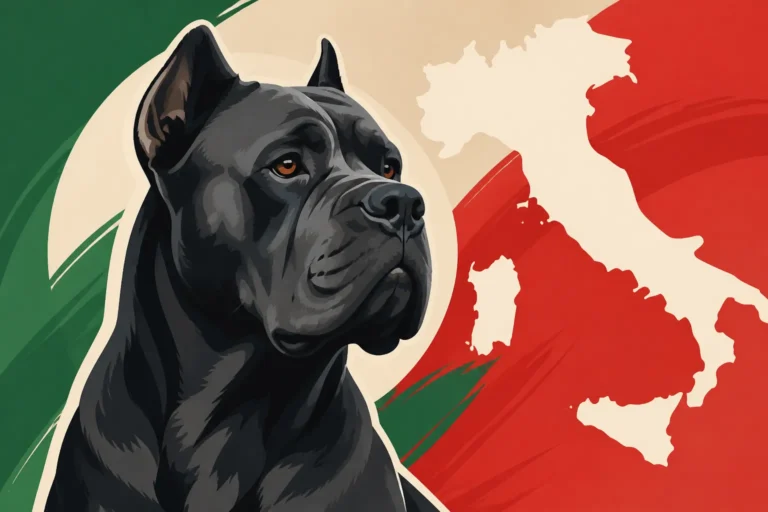
The Italian phrase Cane Corso translates to dog, and Corso connects to the ancient Latin word cohors for protection.