What Starts Failing in a Cane Corso After Eight
Cane Corsos experience joint pain, stiffness, and metabolism shifts after reaching eight years old, marking the senior stage.
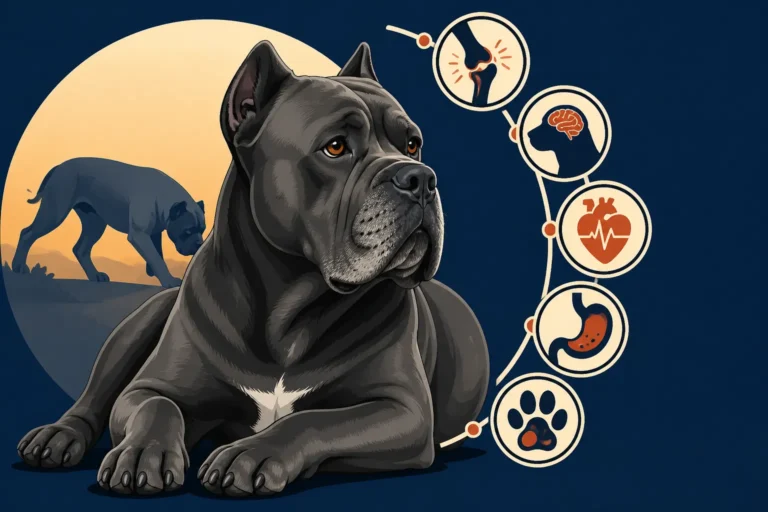
Cane Corsos experience joint pain, stiffness, and metabolism shifts after reaching eight years old, marking the senior stage.
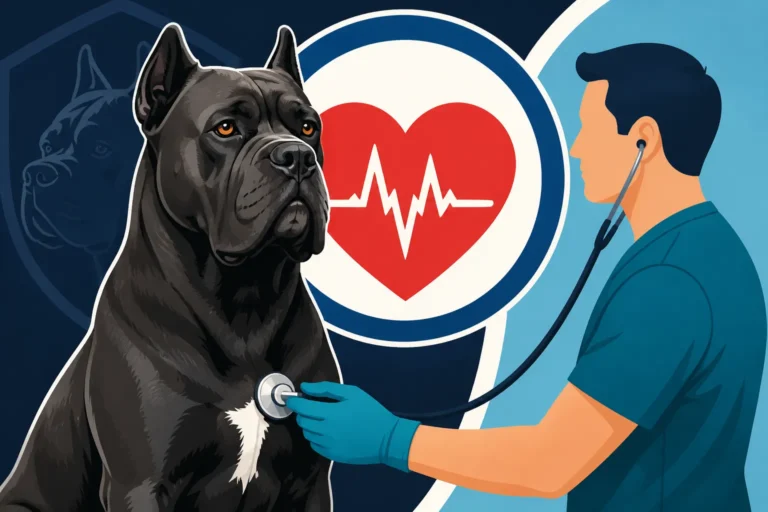
Cane Corso cardiac exams explain dilated cardiomyopathy, subvalvular aortic stenosis, murmurs, and arrhythmias to protect large breed heart health.
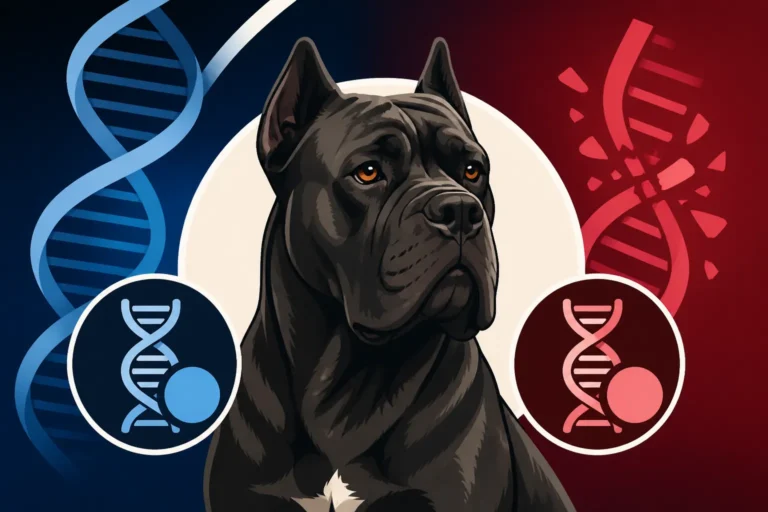
Two critical DNA diseases affecting Cane Corso pedigrees, including Neuronal Ceroid Lipofuscinosis, and how testing mitigates them.
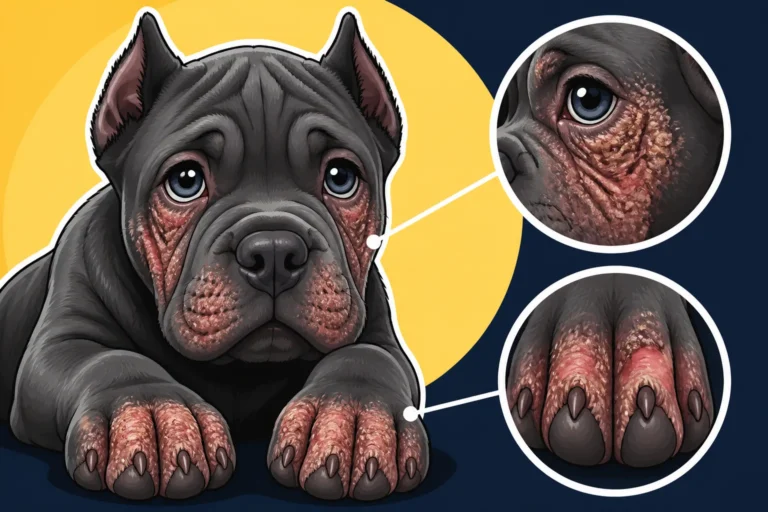
Demodectic and sarcoptic mange in Cane Corso puppies, caused by mites, require different treatments and distinct diagnoses.

Cane Corso loose eyelids cause watery eyes and irritation from genetic factors, leading to conditions like entropion, ectropion, and cherry eye.
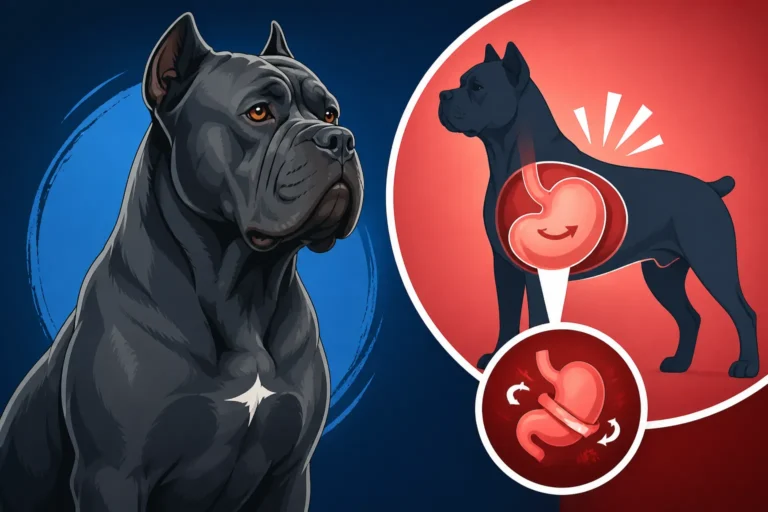
Gastric dilatation-volvulus in Cane Corsos causes stomach swelling and twisting, explaining why deep-chested breeds face this emergency.
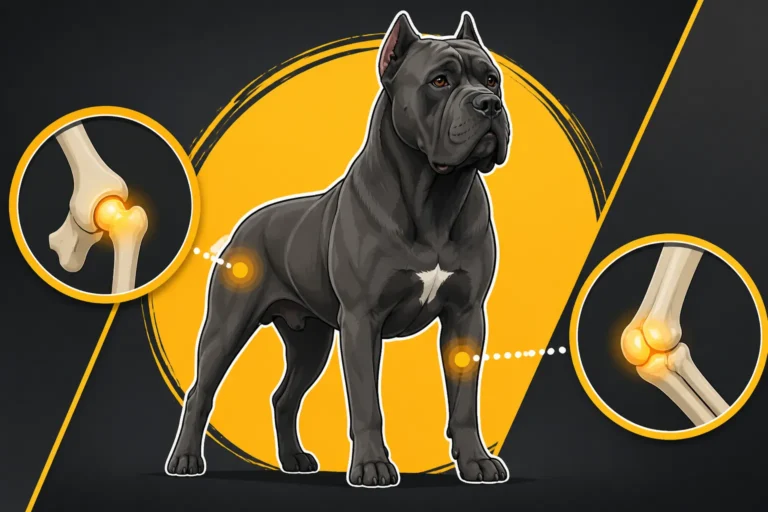
Cane Corso hip and elbow dysplasia causes joint laxity, grinding, and painful arthritis as early as four months of age in giant breeds.

Idiopathic epilepsy in Cane Corsos causes sudden seizures around age two, requiring owners to manage this inherited condition.

Brindle Cane Corsos and their longer lifespans compared to solid colors explained using coat color genetics and breeding diversity.

Cane Corso median lifespan data and research reports show how large mastiff breeds face shorter statistical averages around nine years.