The Damage a Bored Cane Corso Does Indoors
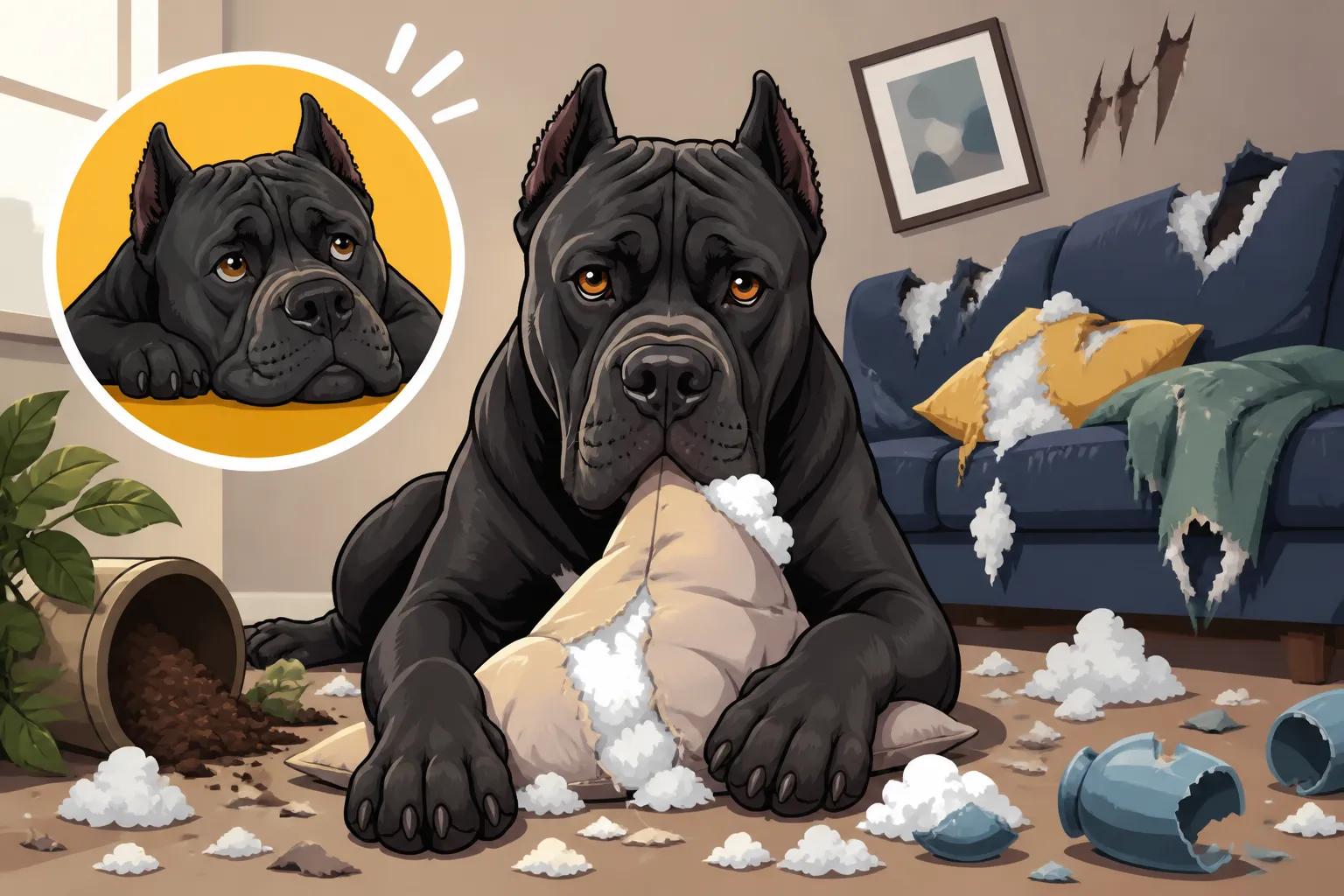
Oh, the sheer havoc a bored Cane Corso can wreak indoors! If you've ever walked into your living room to find couch stuffing scattered like a snowstorm, gnawed baseboards, or a meticulously "redecorated" rug, you know this struggle is real. It's not just about a messy house; it's about the deep frustration of realizing your magnificent, intelligent dog is literally tearing your home apart because they're not getting what they need. This guide is here to help you understand why your Cane Corso turns into a four-legged wrecking ball when under-stimulated and, more importantly, what you can do to reclaim your sanity and your furniture.
Why a Cane Corso Gets Bored So Easily
Let's be honest, a Cane Corso isn't just a pretty face. These are powerful, intelligent dogs bred for demanding jobs, and stuffing them into a quiet home with nothing to do is like putting a rocket scientist in a kindergarten class – they'll find ways to entertain themselves, and those ways are rarely conducive to an intact interior. Their ancestral drive runs deep, and when that drive isn't channeled productively, it can manifest in behaviors that make you want to pull your hair out.
Their High Intelligence and Working Drive
Cane Corsos were historically used for guarding property, driving cattle, and even hunting wild boar. These were roles that required significant mental acuity, problem-solving skills, and physical endurance. They weren't bred to lie around all day, occasionally barking at the mailman. Their brains are wired to do something. When that powerful brain is underutilized, it seeks stimulation, and if you don't provide it, they'll create their own "jobs." This might mean deciding that your sofa is an enemy to be disemboweled, or that the drywall needs a new ventilation system. It's not malicious; it's simply a high-drive dog trying to engage its natural instincts. You're living with a dog that constantly needs a puzzle to solve or a task to complete. Without it, they're basically an unemployed genius with too much time on their paws, and that's a recipe for disaster in any home.
Lack of Mental and Physical Stimulation
It's easy to fall into the trap of thinking a quick walk around the block is enough for such a large dog. While physical exercise is crucial, it's only half the battle. A Cane Corso needs mental stimulation just as much, if not more, to feel truly satisfied. Imagine spending eight hours a day in a perfectly comfortable room with nothing to read, no TV, and no one to talk to. You'd probably start rearranging the furniture, counting ceiling tiles, or maybe even talking to yourself. Your Cane Corso feels the same way. A lack of engaging activities – like training sessions, puzzle toys, or even just novel experiences – leaves their sharp minds underwhelmed and restless. This often leads to pent-up energy that needs an outlet, and your precious belongings become the unfortunate victims. Remember, these dogs fill out until they are well over a year old, and their physical and mental needs only grow during that period. The Month a Cane Corso Stops Growing Taller and Why a Cane Corso Keeps Filling Out Until Two are good reads if you want to understand their development.
Recognizing the Signs of a Bored Cane Corso
Sometimes, we miss the subtle cues our dogs give before they escalate to full-blown destruction. Recognizing these early signs can be a game-changer, allowing you to intervene and redirect their energy before your home suffers. It's about learning their language, understanding that their "bad" behavior is often a desperate cry for attention and engagement.
Destructive Chewing and Digging
This is probably the most obvious and infuriating sign of boredom. A Cane Corso's jaw strength is no joke, and they can make short work of things you thought were indestructible. If your dog is consistently chewing on furniture legs, doors, baseboards, or digging at carpets and rugs, it's a huge red flag. This isn't just teething if they're past puppyhood; it's an attempt to relieve stress, expend energy, or simply entertain themselves with tactile satisfaction. They might even go after things that smell like you, like your shoes or laundry, in an effort to feel closer to you. When you come home to a scene of destruction, try to remember it's not personal. It's their way of saying, "I had nothing to do all day, so I made my own fun."
Excessive Barking and Howling
While Cane Corsos are natural guardians, and some barking at perceived threats is normal, persistent, seemingly purposeless barking or howling, especially when you're not home or when they're confined, can signal profound boredom and loneliness. They might bark at shadows, at passersby they usually ignore, or just into the air. This isn't them being "stubborn"; it's an attempt to communicate their frustration and to gain attention. Think of it as their way of shouting, "I'm here! I'm bored! Notice me!" It can also escalate into generalized anxiety, which is a whole other challenge. The Cane Corso That Barks All Night at Nothing and Neighbors Who Complain About a Cane Corso's Barking delve into this a bit more.
Self-Mutilation and Anxious Behaviors
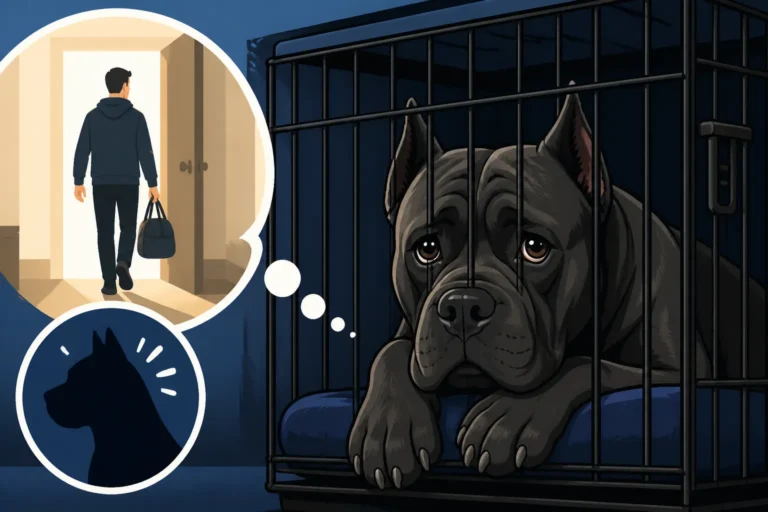
This is where boredom can turn truly concerning. If a Cane Corso is chronically under-stimulated and stressed, they might start engaging in self-mutilating behaviors. This could include excessive licking or chewing at their paws, legs, or tail, sometimes to the point of creating hot spots or open sores. They might also pace relentlessly, circle in their crate, or exhibit repetitive behaviors like fence-running or shadow-chasing. These are all signs of a dog struggling with anxiety and a desperate need for an outlet. It's heartbreaking to see, and it clearly indicates that their mental well-being is suffering. These behaviors require immediate intervention, both through enrichment and potentially professional behavioral guidance.
Preventing Boredom Before It Starts
The best offense is a good defense, especially when it comes to a Cane Corso's boredom. Proactive measures are key to a happy, well-adjusted dog and an intact home. It means weaving engagement into their daily lives, making sure their minds and bodies are both adequately challenged.
Structured Exercise and Mental Games
Physical exercise is non-negotiable for a Cane Corso. They need at least Sixty to Ninety Minutes Across Two Cane Corso Walks daily, ideally more if possible, to burn off physical energy. But remember, a tired body isn't always a tired mind. Incorporate mental games into their routine. Scent work, for example, is fantastic. Hide treats around the house and encourage them to "find it," or use snuffle mats and puzzle feeders for their meals. Even simple obedience training sessions are mental workouts. Ten to fifteen minutes, two or three times a day, working on known commands or teaching new ones, can be incredibly stimulating. Think about using a flirt pole in the yard to tap into their prey drive safely, or enroll them in a basic obedience class to give them a job to do and social exposure. You could explore options like Rally and Agility With a Cane Corso or Barn Hunt and Scent Trials With a Cane Corso as they get older and develop physically.
Appropriate Chew Toys and Enrichment
A Cane Corso needs toys that can stand up to their impressive jaws. Invest in durable, high-quality chew toys that are challenging and long-lasting. Brands like Kong, Nylabone (the tougher varieties), or West Paw are often recommended. A frozen Kong stuffed with peanut butter, yogurt, or wet food can keep a Cane Corso occupied for a significant period. Puzzle toys where they have to manipulate parts to get treats are also excellent for mental stimulation. Rotate toys to keep them novel and exciting – don't leave all of them out all the time. For younger dogs, Chew Prices for a Cane Corso That Destroys Everything and Chews That Survive a Cane Corso's Jaw are great reads. For training, a company like BAXTER & Bella offers a ton of great resources and ideas for interactive play and mental enrichment, beyond just physical exercise. Just having a basket of chew toys isn't enough; they need engaging toys that require thought.
Consistent Training and Routine
Cane Corsos thrive on routine and clear expectations. A consistent daily schedule that includes walks, playtime, training sessions, and meal times provides structure and helps them feel secure. This isn't just about managing their behavior; it's about providing a framework that prevents boredom from setting in. Regularly reinforce basic obedience commands like "sit," "stay," "down," and "place." The "place" command, in particular, can be a lifesaver in managing a rambunctious dog indoors. It gives them a designated spot to settle and observe without being underfoot or getting into trouble. Consistency is key here; every family member needs to be on the same page. If you're looking for guidance, BAXTER & Bella's online training programs can be incredibly helpful for establishing a strong foundation and a consistent routine, teaching you how to use positive reinforcement to keep your Cane Corso engaged and well-behaved.
Managing a Bored Cane Corso When You Can't Prevent It
Life happens. There will be days when you're unexpectedly busy, sick, or the weather prevents their usual long walk. In these moments, you need a backup plan to help your Cane Corso cope and minimize the damage. These are emergency boredom busters, not long-term solutions, but they can save your sanity and your sofa.
Emergency Enrichment Solutions
When you're caught short, having a few quick enrichment tricks up your sleeve can be a lifesaver.
- Quick Training Blitz: Even five minutes of intense, rapid-fire obedience commands can tire a Cane Corso's brain.
- "Find It" Games: Scatter their kibble across the floor, or hide treats in different rooms (start easy, then make it harder) and let them sniff them out. This engages their powerful noses and takes mental effort.
- Treat-Dispensing Toys: Keep a few pre-stuffed Kongs or other treat-dispensing toys in the freezer, ready to deploy. These can provide a good 30-60 minutes of quiet occupation. You can often find a good selection on Amazon.
- Chew Bones: Offer a long-lasting, appropriate chew bone (raw, recreational bones or very durable commercial chews) to satisfy their need to chew. Supervise them, especially with new types of bones.
- Interactive Play: Even if you can't go for a long walk, 10-15 minutes of vigorous tug-of-war or fetch in a secure yard can help burn off some physical steam.
Remember, these are stop-gaps. The goal is to return to your regular routine as soon as possible. But having these in your toolkit can prevent a small hiccup from turning into a major destructive episode. Separation Anxiety in a Cane Corso Left in a Crate and The Damage a Bored Cane Corso Does Indoors are related topics that emphasize the importance of enrichment.
Professional Help for Extreme Cases
If your Cane Corso's destructive behaviors are severe, persistent, and causing significant damage or self-harm, it's time to call in the professionals. This isn't a sign of failure on your part; it's a responsible choice to ensure your dog's well-being and your home's integrity.
- Certified Professional Dog Trainer: A good trainer can assess your dog's behavior, help you understand the root cause of the boredom and anxiety, and develop a tailored enrichment and training plan. They can teach you strategies for Impulse Control Work for a Cane Corso and Teaching a Cane Corso to Hold a Place Cot, which are invaluable indoors.
- Veterinary Behaviorist: For cases involving extreme anxiety, self-mutilation, or aggression stemming from chronic stress, a veterinary behaviorist (a DVM with specialized training in animal behavior) can be incredibly helpful. They can rule out any underlying medical conditions and, if necessary, prescribe medication to help manage anxiety while behavioral modification is implemented. Sometimes, these deep-seated issues need a multi-faceted approach. Don't hesitate to seek this level of expertise if you're feeling overwhelmed or if your efforts aren't making a dent. What a Behaviorist Charges for a Reactive Cane Corso can give you an idea of what to expect if you go this route.
| Boredom Sign | Typical Manifestation | Recommended Prevention Strategy | Emergency Intervention |
|---|---|---|---|
| Destructive Chewing/Digging | Chewed furniture, holes in carpet | Durable chew toys, structured exercise, mental games | Stuffed Kongs, high-value chew bones, scatter feeding |
| Excessive Barking/Howling | Persistent vocalization when alone/bored | Consistent routine, training, mental puzzles | Quick training session, interactive puzzle toy |
| Self-Mutilation/Anxiety | Paw licking, pacing, circling | High physical & mental stimulation, routine | Longer lasting chews, "Find It" games, vet behaviorist |
Remember, a bored Cane Corso isn't a "bad" dog; it's a dog with unmet needs. By understanding their powerful drives and providing appropriate outlets, you can turn a destructive force into a well-adjusted, cherished companion.
Disclaimer
This article is for general informational purposes only and does not constitute professional advice. Laws, prices and regulations vary by location and change over time. Consult a qualified professional for guidance on your specific situation.