Whether Balanced Training Suits a Cane Corso
Choosing a training method for a Cane Corso can feel like walking a tightrope. You know you have a powerful, intelligent dog with strong guardian instincts, and you want to ensure they are well-behaved and safe in any situation. This guide will dive deep into balanced training, exploring what it truly means and whether it's the right approach for developing a confident, obedient, and well-adjusted Cane Corso.
What "Balanced Training" Truly Means for a Powerful Breed Like the Cane Corso
When you hear "balanced training," it might conjure up different images for different people. For some, it's a practical, common-sense approach, while for others, it's a term mired in controversy. But at its core, for a breed as substantial and strong-willed as a Cane Corso, understanding what balanced training actually entails is crucial for your success and your dog's well-being. It's not about being harsh; it's about clear communication.
Marrying Rewards with Fair Corrections
At its heart, balanced training is about utilizing both positive reinforcement and fair, timely corrections. Think of it like teaching a child: you praise and reward good behavior, but you also provide clear boundaries and consequences for actions that are unsafe or inappropriate. For a Cane Corso, a breed historically tasked with guarding property and livestock, this blended approach often resonates with their need for structure and clear leadership. Purely positive methods, while wonderful for many dogs and initial learning, can sometimes fall short when addressing deeply ingrained behaviors in a dog of this magnitude. Conversely, relying solely on corrections without a strong foundation of positive reinforcement can easily damage your relationship and stifle your dog's confidence. The goal is to create a dog that wants to comply because good things happen, but also understands when a behavior is unacceptable. It's a continuous conversation, not a monologue. Getting a head start on training concepts, even before your puppy arrives, can make a huge difference. Many online courses, like those from BAXTER & Bella, can provide excellent positive reinforcement foundations that balanced training builds upon, especially during critical early developmental stages. This groundwork is vital before your Cane Corso puppy even considers formal training classes. The Age a Cane Corso Puppy Starts Formal Training
The Spectrum of Correction: From Verbal Cues to Tools
Corrections in balanced training aren't a one-size-fits-all hammer. They exist on a spectrum, from a simple "no" or a quick leash pressure to more specialized tools like a prong collar or a remote e-collar, all applied with precision and intent. The key here is precision and intent. A correction should be just enough to interrupt an unwanted behavior without causing undue fear or pain. For instance, a well-timed, low-level e-collar stimulation isn't meant to punish; it's a tap on the shoulder that says, "Hey, pay attention, that's not what we do." Misapplication, however, is where the ethical lines blur and harm occurs. Using any tool incorrectly, with anger, or without proper timing can damage your Cane Corso's trust and make them fearful, reactive, or even aggressive. This is why balanced training, more than other methods, demands a highly skilled and knowledgeable handler. It's about educating your dog on boundaries, not dominating them into submission. Understanding the appropriate use of different training equipment is paramount, particularly when considering specific tools. For example, Whether a Prong Collar Is Needed on a Cane Corso is a question many owners grapple with, and the answer often lies in the nuanced application of balanced principles.
Let's look at a quick comparison of general training philosophies as they might apply to a Cane Corso:
| Feature | Purely Positive Training | Balanced Training | Aversive-Only Training |
|---|---|---|---|
| Philosophy | Reward desired behaviors, ignore/manage unwanted. | Reward desired behaviors, correct unwanted behaviors fairly. | Punish unwanted behaviors to suppress them. |
| Key Tools | Treats, toys, praise, clickers, harnesses, long lines. | Treats, toys, praise, clickers, various collars (flat, slip, prong, e-collar), leashes. | Choke chains, harsh corrections, intimidation, fear-based methods. |
| Communication | Focus on what to do. | Clear "yes" and "no" through rewards and corrections. | Focus on what not to do. |
| Relationship | Builds strong, joyful bond. | Builds a respectful, trusting working relationship. | Can create fear, anxiety, or aggression. |
| Outcomes (Cane Corso) | May struggle with strong natural drives or stubbornness in high-distraction environments. | Can achieve high levels of obedience and reliability, managing strong drives effectively. | High risk of behavioral fallout, fear, aggression, or a shut-down dog. |
Why a Cane Corso's Nature Demands a Clear, Comprehensive Training Approach
The Cane Corso is not your average golden retriever. This is a formidable guardian breed, intelligent, powerful, and deeply loyal to its family. Their inherent traits, while wonderful, also mean they require a training approach that leaves no room for ambiguity. Wishy-washy signals or a lack of clear consequences can quickly lead to a large, confident dog making its own rules, which can be problematic given their size and protective instincts.
Harnessing the Guardian Instinct Without Crushing It
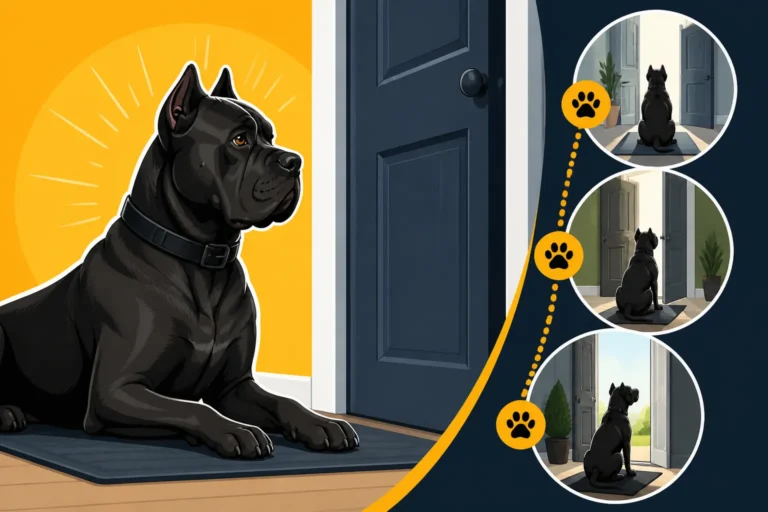
Cane Corsos were bred for a purpose: to guard property, livestock, and family. This isn't a behavior you can simply train out of them, nor should you necessarily want to. Instead, the goal is to channel and manage this instinct responsibly. A balanced approach provides the framework for this. It allows you to reward your Cane Corso for appropriate guarding (e.g., alerting to a stranger at the door, then quieting on command) while correcting inappropriate or overly aggressive displays (e.g., lunging at every passerby, guarding food from family members). Without clear "no" signals, your Cane Corso might decide everything is theirs to guard, or that every stranger is a threat to be managed by them. This isn't about crushing their spirit; it's about teaching them when and how to use their instincts under your direction. This is a critical distinction that owners need to grasp to safely own and integrate a Cane Corso into their lives. Understanding What a Cane Corso's Guardian Instinct Actually Is will help you appreciate this delicate balance.
Building a Two-Way Street of Trust and Respect
Some people mistakenly equate corrections with breaking a dog's spirit or ruling through fear. With a skilled balanced trainer, nothing could be further from the truth. The aim is to create a clear communication system where your Cane Corso understands exactly what you expect. When they know the rules, and trust that you will enforce them fairly, they feel secure. This security forms the basis of respect. A Cane Corso thrives when it knows its place in the pack and respects its leader. If you can't communicate a clear "no" when necessary, how can you truly lead a dog designed to take charge? A balanced approach, applied with calm confidence, actually strengthens the bond by establishing clear roles and expectations. It's about becoming The Handler a Cane Corso Respects, someone they look to for guidance because you communicate effectively and consistently. This is especially true for such a large and headstrong breed.
The Need for Unwavering Consistency in a Strong-Willed Dog
Imagine a 100-pound dog trying to figure out if today is a "jump on guests" day or a "four on the floor" day. The confusion from inconsistent rules leads to frustration for both you and your Cane Corso. These are incredibly intelligent dogs, and they will exploit any loopholes you present. Balanced training, by offering both rewards for compliance and consequences for non-compliance, creates a black-and-white world they can understand. If "sit" always means sit, and failure to sit always results in a gentle, clear correction, your Cane Corso will learn faster and retain that learning better. This consistency isn't just about training sessions; it needs to permeate every aspect of their daily life, from meal times to walks. Without it, even the most well-intentioned training will crumble under the weight of a powerful, confused Cane Corso. It’s why The Structure a Cane Corso Needs Every Single Day is so vital, and why every member of the household must be on the same page. Without consistent cues from everyone, the dog will struggle to understand what's expected of them. Teaching Every Family Member the Same Cane Corso Cues is a key part of this strategy.
Practical Application: Making Balanced Training Work for Your Cane Corso
So, you're convinced that balanced training offers the clarity your Cane Corso needs. Now, how do you actually put it into practice? It's not about being harsh; it's about being incredibly precise and intentional with your communication, ensuring your dog understands both the good choices and the choices that need redirection.
Prioritizing Positive Reinforcement and Motivation
Even within a balanced system, positive reinforcement should always be your go-to. This means making desired behaviors incredibly rewarding for your Cane Corso. High-value treats, their favorite squeaky toy, enthusiastic praise, or a quick game of tug can all be powerful motivators. You want your dog to want to work with you. Start with shaping behaviors using only positive reinforcement. For instance, when teaching "sit," lure them into position, mark the behavior (with a clicker or a verbal marker like "yes!"), and immediately reward. Build a strong foundation of positive associations with learning. Short, frequent training sessions are far more effective than long, drawn-out ones. Remember, The Reward a Cane Corso Actually Values might be different for each individual dog, so experiment to find what truly motivates your Cane Corso. Many online programs, like BAXTER & Bella, are excellent at teaching you how to build this positive foundation using fun, engaging methods that lay the groundwork before you even consider introducing corrections. These foundational skills, taught in Five Minute Cane Corso Sessions Twice a Day, can build incredible momentum and a positive outlook towards training.
Strategic and Ethical Use of Corrections
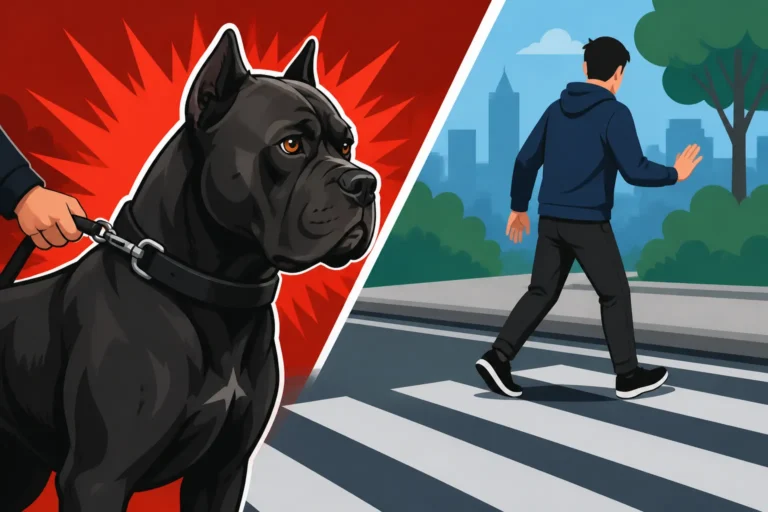
Corrections are not punishments; they are information. When your Cane Corso makes an unwanted choice, a correction should be a concise, fair, and perfectly timed interruption. The goal is to say, "No, that's not it," and then immediately guide them to the correct behavior and reward that. For instance, if your Cane Corso lunges on the leash, a quick, firm pop on the leash (using a slip lead or prong collar if appropriate for their size and your skill) followed by a verbal "Heel!" and a reward when they comply. It's about teaching impulse control. The right equipment is also critical. A flimsy collar or leash won't give you the control or communication necessary for a powerful Cane Corso. Invest in sturdy, reliable gear; Amazon offers a wide array of heavy-duty leashes, collars, and harnesses designed for large breeds. Always ensure the tool fits properly and is used as intended. The most critical aspect is timing. A correction delivered even a second too late loses its meaning and can confuse or frustrate your dog. Mastering Leash Manners Before a Cane Corso Hits Ninety Pounds often requires this level of precise communication.
Steering Clear of Common Missteps
The biggest pitfall in balanced training is misapplication. This often happens when owners or trainers use corrections too harshly, too often, or without a strong foundation of positive reinforcement. If your Cane Corso becomes fearful, shuts down, or shows increased aggression, your corrections are likely off. Another common mistake is using corrections out of frustration or anger, which poisons the training environment and damages your relationship. The goal is a calm, confident handler delivering clear, fair information. A Cane Corso will quickly lose respect for a handler who is inconsistent, angry, or unfair. This is precisely Why Dominance Methods Backfire on a Cane Corso; they breed fear, not respect, and can lead to dangerous behavioral fallout with such a powerful breed. Always remember that the purpose of training is to build a cooperative partner, not a robot.
Partnering for Success: Choosing the Right Trainer and Tools
Given the complexities of balanced training and the unique needs of a Cane Corso, finding the right support and tools is absolutely paramount. You're dealing with a large, strong dog, and their safety and your peace of mind depend on effective training. Don't go it alone.
Vetting a Qualified Balanced Trainer for Your Giant Breed
Choosing a trainer is one of the most important decisions you'll make for your Cane Corso. Don't just pick the first person you find online. Look for someone with proven experience specifically with large, powerful, guardian breeds. Ask questions about their philosophy: How do they define "balanced"? What does their progression from positive reinforcement to corrections look like? Can you observe a class or a session with another client? A good balanced trainer should be able to clearly articulate why they do what they do, demonstrate impeccable timing, and show you how to build a strong, positive relationship with your dog while still setting firm boundaries. They should focus on teaching you how to handle your Cane Corso, not just training the dog themselves. Trust your gut; if something feels off, keep looking. What to Look For in a Cane Corso Trainer is a comprehensive guide to help you navigate this crucial selection process.
Equipping Yourself with Appropriate Training Gear
Just as a carpenter needs the right tools, so too does a Cane Corso owner. You'll need sturdy, reliable equipment that can withstand the power of your dog and effectively communicate your intentions. This typically includes:
- Durable Flat Collar and Leash: For everyday walks and basic obedience. Look for heavy-duty nylon or leather that won't snap under pressure. You can find excellent options on Amazon specifically designed for giant breeds.
- Slip Lead or Prong Collar: These are often introduced under professional guidance in balanced training to provide clearer, more consistent leash communication for a strong puller. Ensure proper fit and use to avoid injury or fear.
- Remote E-Collar: Another tool that, when used correctly by an educated handler, can provide incredibly precise communication over distance. Again, professional guidance is non-negotiable for safe and effective use.
- Basket Muzzle: Essential for safety, especially when introducing new environments, during vet visits, or for any dog with a bite history. Why Every Cane Corso Should Be Muzzle Trained Early is not just about managing aggression; it's a vital part of responsible ownership and can make training much safer.
- High-Value Treats and Toys: Always have these on hand for positive reinforcement!
Remember, no tool is inherently good or bad; its effectiveness and ethical application depend entirely on the skill and knowledge of the person using it. A high-quality collar and lead, like those available on Amazon built for large breeds, are simply instruments in the hands of a skilled handler. Which Collar and Lead Hold a Cane Corso will depend on your dog's temperament, training level, and your comfort level.
Disclaimer
This article is for general informational purposes only and does not constitute professional advice. Laws, prices and regulations vary by location and change over time. Consult a qualified professional for guidance on your specific situation.