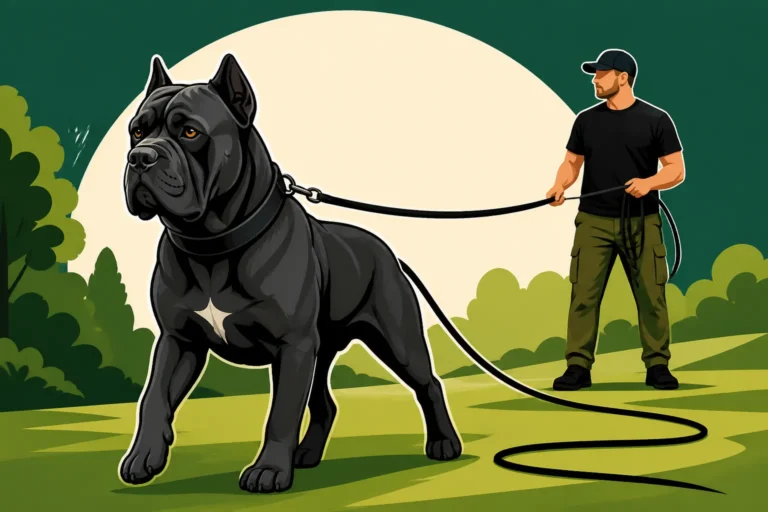
The Age a Cane Corso Puppy Starts Formal Training
Bringing home a Cane Corso puppy is an incredibly exciting time, but it often comes with a heap of questions, especially around training. Many new owners feel overwhelmed, wondering if their big, boisterous puppy needs to wait until it's "older" or "more mature" to start learning, fearing they might do more harm than good by starting too soon. This comprehensive guide is here to alleviate those worries and clearly outline when and how to begin formal training with your Cane Corso puppy, ensuring a well-adjusted and well-behaved companion.
Understanding Early Puppy Development and Why It Matters
When you bring a Cane Corso puppy into your home, you're not just getting a cute, floppy-eared fluffball; you're welcoming a highly intelligent, powerful animal with ancient instincts. These early weeks and months are absolutely critical, laying the groundwork for everything that follows. Thinking of "training" as only sit-stay-down with perfect precision misses the much broader, more vital lessons happening right from day one.
The Critical Socialization Window (8-16 Weeks)
This period is perhaps the most crucial developmental stage for any puppy, but especially for a guardian breed like the Cane Corso. From around 8 to 16 weeks of age, your puppy is like a sponge, soaking up every experience, sound, sight, and interaction. What they learn, or don't learn, during this time will profoundly shape their perception of the world and how they react to it for the rest of their lives. Ignoring this window, or delaying proper exposure, often leads to fear, reactivity, or aggression later on, which can be particularly challenging with a dog as large and powerful as a Cane Corso.
During this window, it's not about structured obedience commands as much as it is about positive, controlled exposure. Introduce your puppy to a wide variety of safe people – men, women, children, people in hats, people with glasses, people with beards. Let them see and hear different things: city traffic from a distance, the vacuum cleaner, doorbells, lawnmowers. Expose them to different surfaces, from grass and concrete to tile and wood floors. The goal is to build confidence and neutrality, teaching them that new things aren't necessarily scary. Think of it as building a robust emotional vocabulary for your dog. For more on this, you might find The Socialization Window a Cane Corso Puppy Gets incredibly helpful.
Foundation Skills vs. Formal Obedience
It's important to distinguish between "foundation skills" and "formal obedience." Foundation skills are the building blocks: teaching your puppy bite inhibition, house-training, crate training, learning their name, and beginning to understand simple cues like "sit" or "come" in a low-distraction environment. These are often taught through positive reinforcement, play, and managing the puppy's environment. You're teaching them how to live in your world, what's acceptable, and what's not.
Formal obedience, on the other hand, typically refers to more structured, longer training sessions with specific goals like heeling perfectly on a leash, executing advanced commands with distractions, or preparing for competitive obedience. While some basic formal cues can start early, the intense, prolonged focus of formal obedience is usually best introduced once a puppy has a stronger attention span and a better grasp of self-control. Starting too intensely, too early, can make training feel like a chore for your puppy and lead to burnout.
When to Start "Formal" Training with Your Cane Corso Puppy
The answer to "when" is often met with another question: "What do you mean by formal training?" For a Cane Corso, formal training isn't a single switch that gets flipped; it's a gradual progression that begins almost immediately with foundational work and builds into more structured lessons.
Distinguishing Between Puppy Classes and Advanced Training
Most trainers agree that enrollment in a puppy class can begin as early as your vet gives the go-ahead, usually after their first round of vaccinations (around 8-10 weeks). These classes are a fantastic blend of socialization and very basic obedience. They provide a safe, controlled environment for your Cane Corso puppy to interact with other puppies of various breeds and sizes, learn from a professional trainer, and get exposed to new sights and sounds. This early exposure is invaluable for their social development and for building confidence in novel situations. Plus, puppy classes often address common owner frustrations like nipping, jumping, and house-training issues.
These early classes aren't about precision heeling or long-duration stays; they're about teaching polite interactions, building a positive association with learning, and helping you, the owner, understand how to communicate effectively with your puppy. Once your Cane Corso has a solid grasp of basic manners and has matured a bit more, typically after 4-6 months, you can consider more advanced training, such as beginner obedience classes, where the focus shifts to refining cues, introducing distractions, and increasing duration and distance.
The Benefits of Starting Early with Basic Cues
Waiting to "formally" train a Cane Corso is a common mistake that can have significant repercussions. Remember, your Cane Corso is always learning, whether you're actively teaching them or not. If you don't teach them what to do, they'll figure out what they want to do – and with a large, powerful breed, this can quickly lead to undesirable behaviors that are much harder to undo later.
Starting with basic cues like "sit," "stay," "down," and "come" from a young age (even 8 weeks old) builds a foundation of communication. It teaches your puppy that listening to you results in good things (treats, praise, toys). These short, frequent training sessions, often just Five Minute Cane Corso Sessions Twice a Day, are incredibly effective. They're not stressful for the puppy but rather fun, engaging games that strengthen your bond. Moreover, teaching a strong recall, or Building a Cane Corso's Recall From Eight Weeks, is paramount for safety and gives you peace of mind as they grow. Early training also introduces the concept of impulse control, which is vital for a breed prone to guarding tendencies.
Avoiding Overwhelm in Young Cane Corsos
While early training is crucial, it's equally important not to overwhelm your young Cane Corso. Their attention spans are short, and their bodies are still developing. Intense, hour-long training sessions or forcing them into situations where they're clearly stressed or fearful can be counterproductive.
Here are a few tips to prevent overwhelm:
- Keep it Short and Sweet: Focus on multiple, brief training sessions throughout the day (5-10 minutes each) rather than one long one.
- End on a High Note: Always finish a session with a successful command and a reward. This keeps your puppy enthusiastic about future training.
- Balance with Play and Rest: Puppies need lots of sleep and playtime. Don't make their entire day about learning.
- Read Their Body Language: If your puppy is yawning excessively, licking their lips, averting their gaze, or trying to disengage, they might be stressed or tired. Give them a break.
- Environmental Management: Sometimes the best training is preventing unwanted behaviors from happening in the first place. Use crates, baby gates, and leashes indoors to manage their environment. For instance, Crate Training a Cane Corso That Outgrows Every Crate is essential for managing their space and teaching independence.
Remember, a tired, overstimulated puppy isn't learning effectively. Patience and consistency are your best friends.
Practical Steps for Early Training Success
Now that we've established when to start, let's talk about how to approach early training with your Cane Corso. It's less about strict schedules and more about integrating learning into every aspect of their day.
Setting Up Your Home Environment for Learning
Your home is your Cane Corso puppy's first classroom. Make it conducive to learning and minimize opportunities for unwanted behaviors.
- Puppy-Proof Everything: This goes without saying for any puppy, but for a Cane Corso that will quickly grow to be large and powerful, it's non-negotiable. Remove anything valuable or dangerous from reach. This protects your belongings and prevents your puppy from learning to chew inappropriate items.
- Create Designated Spaces: A comfy crate is not just for sleeping; it's a safe den and an invaluable tool for house-training. A "place" cot or mat can teach them to settle calmly in specific areas. Teaching a Cane Corso to Hold a Place Cot can be incredibly useful in a busy household.
- Utilize Management Tools: Baby gates, exercise pens, and long lines (available on platforms like Amazon) are fantastic for managing your puppy's freedom and preventing them from practicing undesirable behaviors like counter surfing or chewing furniture when you can't actively supervise.
- Proper Gear: Invest in sturdy, appropriate collars, harnesses, and leashes from the start. A good quality long line can be a game-changer for practicing recall in a safe, open area.
Incorporating Training into Daily Routines
The most effective training isn't done in isolated "sessions" but rather woven into the fabric of your daily life. Every interaction is an opportunity to teach.
- Meal Times: Don't just put the bowl down. Use mealtime as a chance to practice "sit," "wait," or "down." Make them earn their food.
- Potty Breaks: This is the perfect time to reinforce house-training. Go outside with them, praise lavishly when they potty, and reward. Consistency is key for How Long It Takes to House Train a Cane Corso.
- Doorway Manners: Teach your Cane Corso to wait patiently at doorways before going through. This teaches impulse control and prevents them from bowling you over. Teaching a Cane Corso to Wait at Every Door is a vital safety lesson for such a large breed.
- Greeting People: Rather than letting your puppy jump all over guests, teach them to "sit" or "four on the floor" for greetings. Manage expectations and always supervise interactions closely.
| Training Type | Ideal Start Age | Primary Focus | Key Benefits |
|---|---|---|---|
| Early Socialization | 8-16 Weeks | Exposure to novel sights, sounds, people, environments | Builds confidence, reduces fear/reactivity, shapes positive world view |
| Foundation Cues | 8 Weeks onwards | Name recognition, Sit, Down, Come, Leave It, house-training, crate training | Establishes basic communication, impulse control, house manners, strengthens bond |
| Puppy Classes | 8-16 Weeks | Socialization with other puppies, basic obedience, owner education | Safe social interaction, controlled learning environment, addresses common puppy issues |
| Intermediate/Formal Obedience | 4-6 Months onwards | Refining cues, adding distractions, leash manners, longer duration | Builds reliable responses, prepares for advanced activities, reinforces good behavior |
Finding the Right Training Resources and Support
You don't have to go it alone! There are numerous resources available to help you on your training journey.
- Professional Trainers: Seek out certified professional dog trainers who use positive reinforcement methods. Look for trainers experienced with guardian breeds or large, powerful dogs. They can offer guidance, troubleshoot issues, and provide structured classes. Consider checking out resources like the Certification Council for Professional Dog Trainers (CCPDT) for qualified individuals.
- Online Courses and Communities: Online platforms like BAXTER & Bella offer comprehensive puppy programs that you can follow from home. These can be particularly useful for covering foundational skills and socialization when in-person classes aren't immediately available or during the critical pre-vaccination period. Many online forums and social media groups dedicated to Cane Corsos can also offer advice and support, though always vet information carefully.
- Books and Websites: There's a wealth of information available in books and reputable websites. Look for resources that emphasize positive, force-free training methods. Avoid any methods that advocate for harsh corrections or dominance theory, which can severely damage your relationship with your Cane Corso and lead to behavioral problems. For advice on selecting a professional, check out What to Look For in a Cane Corso Trainer.
- Your Veterinarian: Your vet is a crucial partner. They can advise on safe socialization opportunities based on your puppy's vaccination status and recommend local trainers or behaviorists if needed.
The most important aspect is consistency. The Structure a Cane Corso Needs Every Single Day cannot be overstated. A Cane Corso thrives on routine and clear expectations.
What to Expect as Your Cane Corso Matures
The training journey doesn't end when your Cane Corso leaves puppyhood behind. In fact, some of the biggest challenges and rewards come as they mature.
The Adolescent Cane Corso and Training Challenges
Just like human teenagers, adolescent Cane Corsos (roughly 6 to 18 months) can become a handful. They might test boundaries, "forget" commands they once knew perfectly, or develop selective hearing. Their bodies are growing rapidly, and their hormones are fluctuating, leading to increased confidence, curiosity, and sometimes, a tendency to push their limits. This is a critical period where consistent training and management are paramount.
You might find your once-compliant puppy suddenly pulling on the leash, ignoring your recall, or becoming more reactive to novel stimuli. This is not necessarily a sign that you've failed but rather a normal developmental stage. Double down on your training, revisit foundational cues, and consider enrolling in a more advanced obedience class. This is also when their guarding instincts might begin to emerge more strongly. Understanding The Adolescent Cane Corso That Stops Listening will help you navigate this phase with patience and consistency.
Continuing Education for a Lifelong Learner
Cane Corsos are intelligent dogs that benefit from lifelong learning. Once they've mastered basic obedience, consider exploring dog sports like obedience, rally, scent work, or even therapy work, if your dog has the right temperament. These activities provide mental stimulation, physical exercise, and strengthen your bond.
Continuing education keeps their minds engaged, preventing boredom and potential behavioral issues. It also reinforces good manners and keeps them sharp. Even just practicing existing commands in new environments or teaching new, fun tricks can make a huge difference. Never assume your Cane Corso is "trained" and can just be left to their own devices; they are always learning and always benefiting from your consistent, positive guidance.
Disclaimer
This article is for general informational purposes only and does not constitute professional advice. Laws, prices and regulations vary by location and change over time. Consult a qualified professional for guidance on your specific situation.