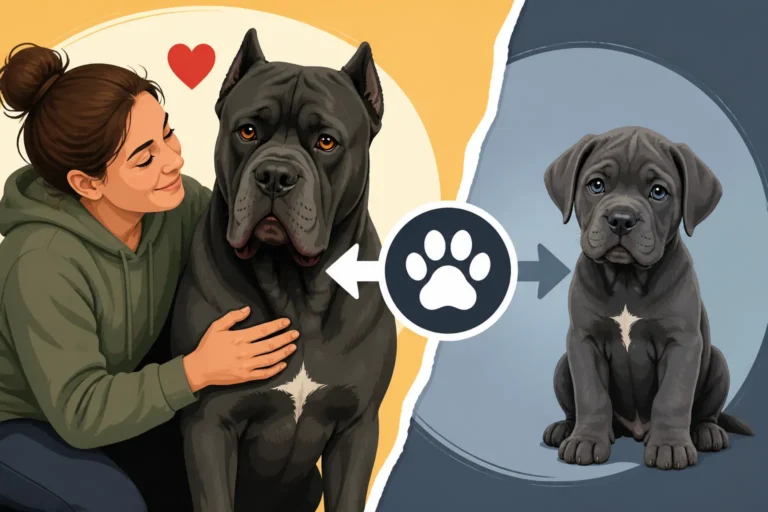
Where Cropping a Cane Corso Requires a Licensed Vet
One of the most concerning and often misunderstood aspects of Cane Corso ownership, particularly for new puppy parents, is the topic of ear cropping. Beyond the emotional debate, there's a tangled web of regulations that dictates who can actually perform this procedure, leaving many folks wondering if they're even on the right side of the law. This guide will clarify where ear cropping requires a licensed veterinarian, helping you navigate the legalities and make informed choices for your magnificent companion.
The Procedure and Its Legal Framework
Ear cropping is a surgical procedure where a portion of the dog's outer ear is removed, after which the remaining ear is taped and braced to stand erect. For Cane Corsos, this has historically been done to enhance their protective appearance and, in some working contexts, to prevent ear injuries. However, the procedure has faced increasing scrutiny and legal restrictions due to animal welfare concerns. Understanding the procedure itself and the varying legal landscape is crucial before you even consider it.
What Ear Cropping Entails
When performed by a professional, ear cropping involves general anesthesia, sterile surgical techniques, and a careful hand to achieve the desired aesthetic while minimizing discomfort and complications. The puppy usually undergoes the procedure between 8 and 16 weeks of age, when the cartilage is still pliable. The cut can range from a very short, functional crop to a longer, more elegant show crop, which dramatically changes the dog's silhouette. Following the surgery, the ears require a dedicated aftercare regimen of cleaning, taping, and re-taping for several weeks, or even months, to encourage them to stand correctly. This isn't a one-and-done deal; it's a commitment that extends well beyond the operating table. Many owners underestimate the time and effort involved in this crucial posting period.
Historically, this practice was rooted in the working roles of dogs like the Cane Corso, protecting their ears from injury during tasks like guarding livestock or engaging in protection work. Why Cane Corso Ears Are Cropped in the First Place delves deeper into these historical reasons. Today, for many, it's about maintaining a traditional look or adhering to breed standards in the show ring, but the necessity is widely debated.
Varying Legal Restrictions on Ear Cropping
The most significant hurdle many prospective Cane Corso owners face is the patchwork of laws governing ear cropping. It's not a universal "yes" or "no" across the board. In some places, it's explicitly forbidden, while in others, it's allowed under strict conditions. Crucially, almost universally where it is permitted, the procedure must be performed by a licensed veterinarian. This is to ensure that it's done under anesthesia, in a sterile environment, and with appropriate pain management and aftercare instructions provided.
You'll find that many countries in Europe, for instance, have outright banned cosmetic ear cropping, often classifying it as animal cruelty. This includes nations like the UK, Germany, Norway, and Sweden, among many others. In these regions, a cropped Cane Corso may even be prohibited from entering or competing in dog shows. Countries Where a Cropped Cane Corso Cannot Be Shown illustrates just how widespread these bans are getting. If you live in or plan to move to such a country, ear cropping isn't an option.
In North America, the situation is more nuanced. While some Canadian provinces have banned it, the United States still largely permits ear cropping, but the trend towards stricter regulation is growing. The key takeaway for US owners is that even where permitted, having a licensed veterinarian perform the procedure is paramount and often legally mandated. Anything else would be considered illegal and unethical, potentially leading to severe penalties and harm to your dog.
States and Territories Requiring Licensed Veterinary Intervention
When it comes to ear cropping, the question isn't just if it's allowed, but who is legally permitted to do it. Across the United States, in any state where cosmetic ear cropping is not outright banned, it is a surgical procedure that falls under the purview of veterinary medicine. This means only a licensed veterinarian, operating within their scope of practice, is authorized to perform it. Any individual offering to crop ears without a veterinary license is operating illegally and dangerously.
The Universal Rule: It's a Surgical Procedure
Regardless of where you are in the U.S., ear cropping is considered a surgical procedure. This isn't like trimming nails or giving a bath. It involves cutting through living tissue, managing bleeding, administering anesthesia, and preventing infection. These are all acts that, by law, can only be performed by a doctor of veterinary medicine (DVM) or a licensed veterinary technician under the direct supervision of a DVM.
Think about it this way: you wouldn't let an unlicensed person perform surgery on yourself or a human child, right? The same principle applies to your Cane Corso. An unlicensed individual, no matter how much they claim to have "experience" or a "good eye," lacks the formal training, sterile equipment, and emergency protocols necessary to ensure your puppy's safety and well-being. They won't have access to proper pain management, nor the ability to respond if your dog has an adverse reaction to sedation or develops complications. This is why the requirement for a licensed vet isn't just a suggestion; it's a critical safeguard for animal welfare.
States With Clear Mandates for Veterinary Oversight
While no U.S. state currently has an outright ban on ear cropping, many states have laws or veterinary board regulations that implicitly or explicitly require a licensed veterinarian to perform the procedure. These regulations vary, but the intent is consistent: to protect animals from unnecessary suffering and incompetent practitioners.
For example, states like New York, Maryland, and Pennsylvania have specific language within their animal cruelty or veterinary practice acts that effectively make non-veterinary ear cropping illegal. Even in states without explicit anti-cropping legislation, the general veterinary practice acts—which define what constitutes the practice of veterinary medicine—would deem cropping by a non-vet illegal. It's considered an invasive surgical act. If someone in your area claims they can do it cheaper "on the side" or without a vet's license, run the other way. Not only are you risking your puppy's health and life, but you could also face legal repercussions.
Here's a simplified look at how some regions handle the legality, focusing on the requirement for a licensed vet where allowed:
| Region/Country | Ear Cropping Legality | Requirement for Licensed Vet (Where Allowed) |
|---|---|---|
| United Kingdom | Banned | N/A (Illegal) |
| Germany | Banned | N/A (Illegal) |
| Australia | Banned | N/A (Illegal) |
| Most of Europe | Largely Banned | N/A (Illegal) |
| Canada (some provinces) | Banned | N/A (Illegal) |
| USA (most states) | Permitted, but regulated | Strictly Required |
This table underscores the consistent theme: if it's allowed at all, a vet must be involved. Don't gamble with your Cane Corso's health.
Selecting a Qualified Veterinarian for Cropping
Given the legal and ethical implications, choosing the right veterinarian for ear cropping is perhaps the most critical decision you'll make if you opt for the procedure. This isn't just about finding any vet; it's about finding one with specific experience, expertise, and a commitment to animal welfare above all else. This isn't a procedure every vet performs, or even agrees with, so you need to be diligent in your search.
What to Look for in a Cropping Veterinarian
First and foremost, you need a veterinarian who is experienced in cropping Cane Corso ears specifically. This isn't a procedure that many general practice vets perform regularly, and certainly not one taught extensively in vet school these days. Look for a vet who has a portfolio of their work, preferably with photos of adult Cane Corsos they've cropped. A good vet should be able to show you examples and discuss the different crop styles, such as the longer "show crop" versus a more moderate "pet crop." Which Crop Styles a Cane Corso Is Given provides more details on the aesthetics.
Beyond experience, assess their commitment to pain management and sterile surgical practices. They should discuss their anesthesia protocols in detail, including pre-surgical blood work, monitoring during surgery, and post-operative pain relief. Ask about the surgical facility itself – is it clean, well-equipped, and accredited? These details might seem minor, but they speak volumes about the quality of care your puppy will receive.
Questions to Ask Potential Veterinarians
When interviewing potential veterinarians, don't be afraid to ask tough questions. This is your puppy's health and well-being at stake.
- How many Cane Corsos have you cropped, and how long have you been performing the procedure? You want someone with a track record.
- What is your anesthesia protocol? What measures do you take to ensure my puppy's safety during surgery? Look for answers that include pre-anesthetic bloodwork, IV fluids, and constant monitoring.
- What kind of pain management will my puppy receive before, during, and after the procedure? They should have a clear plan for both immediate relief and take-home medications.
- Can I see photos of Cane Corsos you've cropped, both immediately after surgery and as adults? This helps you gauge their aesthetic skill.
- What is the estimated cost, and what does it include (surgery, anesthesia, aftercare supplies, follow-up visits)? The Cost of Cropping a Cane Corso's Ears is a good resource to understand the financial commitment.
- What are your aftercare instructions, and what kind of support do you offer during the posting process? A good vet will be a partner in this, providing clear guidance and being available for questions or concerns. The Posting Routine After a Cane Corso Is Cropped outlines the effort involved.
- What are the potential complications, and how do you handle them? A transparent vet will discuss risks like infection, ear hematomas, or ears that don't stand correctly.
Remember, a responsible veterinarian will be happy to answer these questions thoroughly and patiently. If they seem rushed, dismissive, or unwilling to provide details, that's a red flag. Your peace of mind and your Cane Corso's safety are worth the extra effort in finding the right professional.
Post-Operative Care and Ethical Considerations
The decision to crop your Cane Corso's ears doesn't end when the surgery is over; it's just the beginning of a significant commitment to their aftercare and requires a thoughtful consideration of the ethical implications. Many pet owners underestimate the dedication required post-surgery, and frankly, the ongoing debate around the practice itself.
Essential Aftercare for Cropped Ears
Proper aftercare is absolutely non-negotiable for successful ear cropping. Without it, you risk not only a poor aesthetic outcome (ears that don't stand correctly) but also serious infections, pain, and lasting damage to your puppy. After the initial surgery, your vet will provide detailed instructions, which typically include keeping the surgical site clean and dry, administering prescribed pain medication, and watching for signs of infection such as excessive swelling, redness, discharge, or foul odor. Your vet may recommend a cone collar to prevent your puppy from scratching or damaging the healing ears.
The next phase involves taping and posting the ears to train the cartilage to stand upright. This can be a labor-intensive process, requiring weekly or bi-weekly vet visits for re-taping, which can continue for several months, sometimes up to a year, depending on the individual puppy. During this time, it's vital to keep the ears clean between tapings and to ensure the tape isn't too tight, which can cut off circulation. This long-term commitment is often what surprises people most. What Aftercare on a Cropped Cane Corso Costs can give you an idea of the ongoing financial commitment, and don't forget the time commitment!
A well-balanced diet is also crucial for healing. Brands like Ollie, known for fresh, human-grade ingredients, could be considered to support your puppy's recovery with nutrient-dense food, though always discuss dietary changes with your vet first. For supplies, online retailers like Chewy are excellent resources for everything from specialized cleaning solutions to appropriate cones and comfortable orthopedic beds for recovery.
The Ethical Debate and Personal Choices
The practice of ear cropping is increasingly controversial, with strong opinions on both sides. Opponents view it as a painful, unnecessary cosmetic procedure that deprives dogs of a natural body part and the ability to express themselves fully through ear movements. They argue that it serves no medical purpose and can lead to complications. Indeed, many veterinary associations worldwide oppose elective cosmetic surgeries like ear cropping and tail docking.
On the other hand, proponents argue that for breeds like the Cane Corso, it's part of the historical breed standard, contributes to their characteristic appearance, and for some, believe it can reduce ear infections (though scientific evidence for this is often debated for short-coated, erect-eared breeds). Ultimately, the decision rests with individual owners, but it's important to approach it with a full understanding of the welfare implications, the legal framework, and the intensive aftercare involved.
If you're considering the procedure, it's wise to discuss it openly and honestly with your veterinarian, exploring both the pros and cons. Some vets may refuse to perform the procedure due to their own ethical stance, and that's their right. For those who choose to proceed, ensuring it's done by a licensed, experienced professional with humane practices is the bare minimum ethical responsibility. And remember, complications can happen. Exploring pet insurance options early, even for puppies, can be a smart move. Providers like Healthy Paws offer plans that can help with unexpected veterinary bills, though it's important to check their specific terms regarding pre-existing conditions or elective procedures. Whether Insurance Covers a Cane Corso's Ear Crop is a good read to understand policy limitations.
Disclaimer
This article is for general informational purposes only and does not constitute professional advice. Laws, prices and regulations vary by location and change over time. Consult a qualified professional for guidance on your specific situation.