The Weight an Old Cane Corso Should Hold
It’s a tough reality that our magnificent Cane Corsos, these powerful, devoted guardians, eventually start to slow down. One of the most common worries that creeps up as they age is figuring out what their ideal weight should be, and frankly, how to keep them there. This guide aims to tackle that specific frustration, helping you understand and manage your older Cane Corso's weight for a healthier, more comfortable senior life.
Understanding Seniority in Cane Corsos
When we talk about an "old" Cane Corso, what exactly do we mean? For a giant breed like ours, "old" often arrives sooner than with smaller dogs. Generally, a Cane Corso is considered a senior around the age of 7 or 8 years old. It’s not a hard and fast rule, of course; some might show signs of aging earlier, while others remain spry well into their later years. However, this is roughly when you'll begin to notice those subtle shifts that signal their golden years are beginning.
These changes aren't just about a few gray hairs on the muzzle. Internally, their metabolism starts to slow down, joints that once seemed invincible might begin to stiffen, and their energy levels naturally dip. You might notice they're less enthusiastic about their morning romp or that they take longer to get up after a nap. This is why paying close attention to their weight becomes paramount. What worked for a young, active Cane Corso might not be appropriate for one that's enjoying a more sedate lifestyle. Understanding these fundamental shifts is the first step in ensuring their comfort and health as they age. For more detail, you might want to read about What Changes in a Cane Corso After Its Eighth Birthday.
The Crucial Role of Healthy Weight in Older Cane Corsos
Maintaining an ideal weight for your senior Cane Corso isn't just about aesthetics; it's a cornerstone of their overall health and quality of life. The impact of even a few extra pounds on a large breed dog can be profound, exacerbating existing health issues and even contributing to new ones. Conversely, being underweight can signal underlying problems or lead to a lack of energy and muscle wasting.
Joint Health and Mobility
One of the most immediate and impactful consequences of an inappropriate weight in older Cane Corsos is on their joints. These dogs are already prone to conditions like hip and elbow dysplasia, issues that can be severely worsened by carrying excess weight. Imagine having aching knees or hips and then being asked to carry an extra 20 pounds around all day – it's a constant strain. This added stress can accelerate the progression of arthritis, leading to increased pain, stiffness, and a significant reduction in mobility. Conversely, an underweight Cane Corso might lack the muscle mass to support their joints properly, leading to instability and discomfort. Ensuring your dog maintains a lean, healthy weight can significantly delay the onset and severity of joint pain, keeping them comfortable and mobile for longer. We talk more about this in Managing Arthritis in a Hundred Pound Cane Corso.
Organ Function and Disease Prevention
Beyond the visible impact on their movement, weight plays a critical role in the function of your Cane Corso's internal organs. Obesity in older dogs can lead to an increased risk of heart disease, diabetes, and certain types of cancer. The extra fat tissue isn't just inert; it's metabolically active, releasing inflammatory compounds that can negatively affect various bodily systems. A healthy weight helps reduce the burden on their heart, liver, and kidneys, allowing these vital organs to function more efficiently. On the other hand, being too thin can weaken their immune system, making them more susceptible to infections and illnesses. It's a delicate balance, but one that directly impacts their longevity and well-being. Keeping an eye on their yearly bloodwork can also provide insights into organ health; consider discussing Yearly Bloodwork on an Adult Cane Corso with your vet.
Quality of Life and Comfort
Ultimately, a healthy weight contributes immensely to your senior Cane Corso's overall quality of life. A dog that is comfortable, mobile, and free from the pain of excessive weight or the weakness of being underweight is a happier dog. They'll be more engaged with the family, enjoy their walks (even if they're slower and shorter), and have an easier time with everyday activities like getting up from a lying position or navigating stairs. It's about ensuring their golden years are as enjoyable and pain-free as possible, allowing them to continue being the beloved, majestic companions they've always been.
Assessing Your Senior Cane Corso's Body Condition Score (BCS)
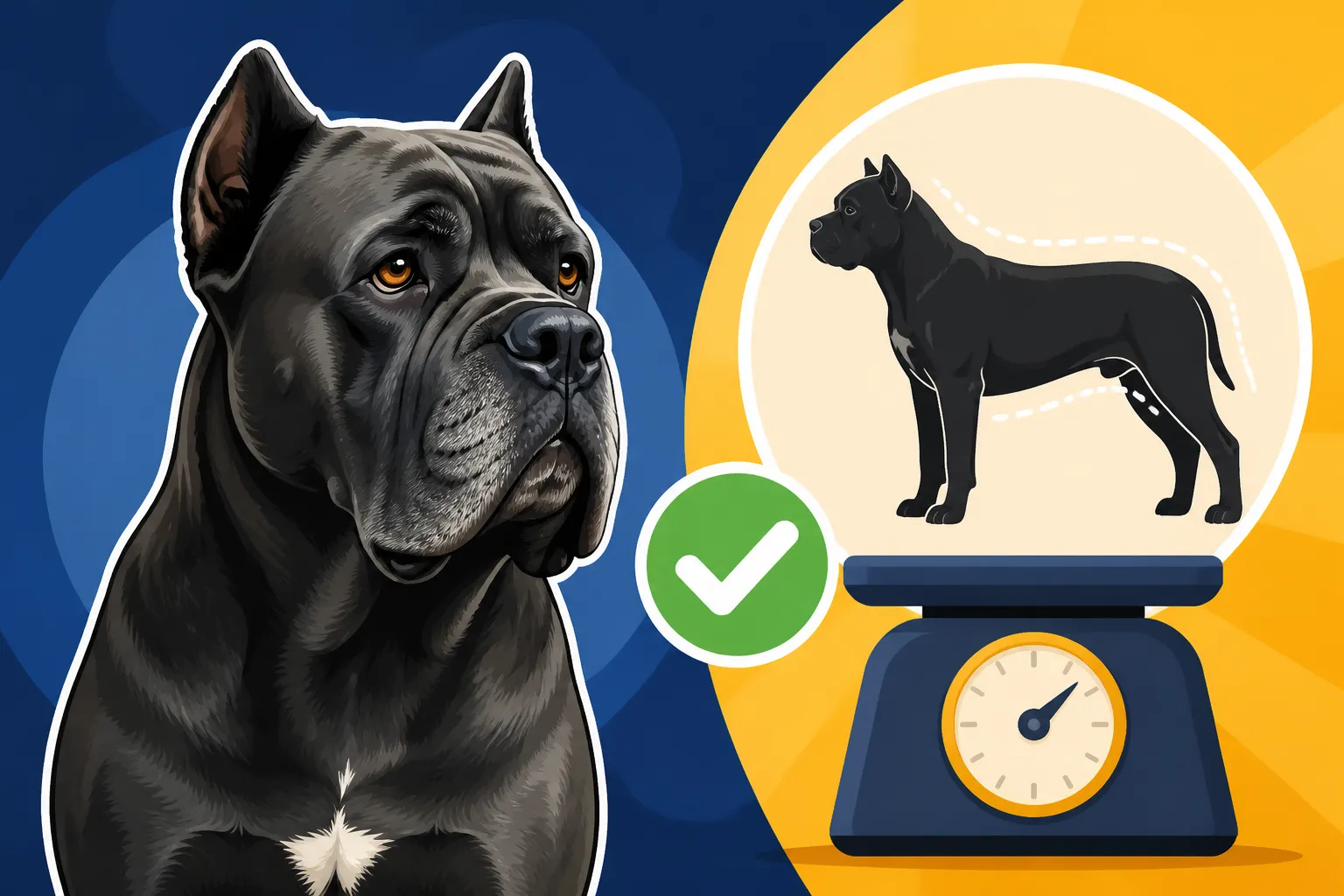
You might be wondering, "Okay, but what is the right weight?" For a Cane Corso, which can range widely in size and build, a specific number on the scale isn't always the best indicator. What we really aim for is an ideal "Body Condition Score" (BCS). This is a visual and tactile assessment that helps you gauge your dog's fat reserves and muscle mass, giving you a much better picture than just pounds.
The Rib Test
One of the easiest and most effective ways to assess your Cane Corso's BCS is the rib test. Gently run your hands along their sides, feeling for their ribs.
- Ideal: You should be able to feel their ribs easily without pressing hard, but they shouldn't be visibly sticking out. There should be a thin layer of fat covering them, similar to the back of your hand.
- Overweight: If you have to press firmly to feel the ribs, or if you can't feel them at all, your dog is likely carrying too much weight.
- Underweight: If the ribs are very prominent, easily visible, and feel sharp to the touch, your dog is likely underweight.
It takes a little practice, but once you get a feel for it, this method becomes incredibly intuitive. This feeling out their frame is a critical part of regularly checking their health, similar to how you’d monitor The Weight an Old Cane Corso Should Hold to make sure they are within a healthy range.
Tucking and Waistline Assessment
Beyond the ribs, look at your Cane Corso from the side and from above.
- From the side: You should see a noticeable "tuck-up" behind their rib cage, where their abdomen slopes upwards. It shouldn't be a dramatic tuck like a Greyhound, but a definite upward curve.
- From above: Your Cane Corso should have a visible waistline, narrowing slightly behind the ribs before widening again over the hips.
If they look like a solid rectangle from above, or if their belly sags significantly, they're likely overweight. If their waist is severely pinched or their hip bones are protruding, they might be underweight. Remember, a fit Cane Corso, even an older one, should maintain a powerful, athletic build, not a bulky or gaunt one.
Muscle Mass Evaluation
As Cane Corsos age, muscle loss (sarcopenia) can become a concern. This isn't just about weight, but about the quality of their weight. Feel their muscles, especially over their hindquarters and shoulders. They should feel firm and well-developed. If they feel soft, wasted, or if their spine and hip bones are becoming very prominent despite adequate fat cover, it could indicate muscle loss. This might require dietary adjustments, specific supplements, and targeted, gentle exercise.
Here's a simplified table to help you with the Body Condition Score:
| BCS Score | Description | Ribs | Waistline/Tuck | Muscle Mass | Action |
|---|---|---|---|---|---|
| 1-3 | Underweight | Easily visible, feel sharp, no fat cover. | Pronounced tuck, severe hourglass. | Minimal, bony prominences obvious. | Increase calories, vet check for underlying issues. |
| 4-5 | Ideal | Easily palpable with slight fat cover, not visible. | Distinct waist, good abdominal tuck. | Well-developed, firm. | Maintain current diet & exercise. |
| 6-7 | Overweight | Hard to feel, requires pressure. | Little to no waist, slight sag. | Fair, but hidden by fat. | Reduce calories, increase exercise. |
| 8-9 | Obese | Cannot feel ribs, thick fat layer. | No waist, significant abdominal sag. | Hidden by excessive fat. | Significant dietary changes, vet guidance crucial. |
Always consult your veterinarian for an accurate BCS assessment and personalized advice.
Strategies for Managing Weight in an Aging Cane Corso
Once you've assessed your senior Cane Corso's body condition, you can start to implement strategies tailored to their specific needs. It's a bit of a balancing act, and consistency is key.
Addressing Weight Gain
If your older Cane Corso is tipping the scales towards overweight, it's time to make some changes. The goal isn't rapid weight loss, which can be detrimental, but rather a slow, steady reduction to a healthy weight.
- Calorie Reduction: The first step is almost always adjusting their food intake. Senior dogs, with their slower metabolisms and reduced activity, simply don't need as many calories as they once did. Transition to a high-quality senior dog food, which is often formulated with fewer calories but still provides essential nutrients. Reduce portion sizes gradually, cutting back by about 10-20% initially. It’s better to make small, consistent adjustments than drastic ones.
- Frequency and Type of Treats: Those delicious, high-calorie treats add up quickly! Switch to low-calorie options like plain green beans, baby carrots, or small pieces of apple (seeds removed). Use treats sparingly and factor them into their daily calorie count. Avoid giving table scraps, as these can be high in fat and lead to digestive upset or contribute to pancreatitis.
- Increased, Gentle Exercise: While you can't expect your senior Corso to run marathons, increasing their activity level gently can help burn calories and maintain muscle mass. Think shorter, more frequent walks, gentle swimming if their joints allow, or puzzle toys that encourage mental and physical engagement. For guidance on appropriate activity levels, check out How Far an Old Cane Corso Should Still Walk.
Managing Weight Loss
If your senior Cane Corso is starting to look too thin, it's just as concerning as being overweight and often warrants an immediate vet visit. Unintentional weight loss in an older dog can be a sign of underlying health issues.
- Veterinary Consultation: Before attempting to put weight on your dog, it's crucial to rule out medical causes. Weight loss can be a symptom of dental problems (making eating painful), kidney disease, thyroid issues, cancer, or gastrointestinal disorders. Your vet will perform a thorough examination, bloodwork, and possibly other diagnostics to pinpoint the cause. Sometimes, getting a diagnosis for a condition like Heart Disease in a Middle Aged Cane Corso can explain unexpected weight loss.
- Dietary Adjustments: Once medical issues are addressed, your vet might recommend a higher-calorie, easily digestible diet. This doesn't necessarily mean just giving them more food; it means choosing food with a higher nutritional density. Sometimes, feeding smaller, more frequent meals can also help, as it's easier on their digestive system. You might also explore options like Whether a Senior Cane Corso Needs Softer Food if dental issues or discomfort are a factor.
- Appetite Stimulation: If your Corso is simply not interested in eating, there are tricks to tempt them. Warming their food can enhance the aroma. Adding a little low-sodium chicken broth or a spoonful of plain canned pumpkin might make it more appealing. Your vet might also prescribe appetite stimulants if necessary.
- Supplements (with Vet Approval): Depending on the cause of weight loss, your vet might suggest specific supplements, such as probiotics for digestive health or omega-3 fatty acids for overall well-being. Always consult your vet before adding any supplements to your dog's diet.
Remember that any significant weight change, whether gain or loss, should always prompt a discussion with your veterinarian. They are your best resource for creating a tailored plan that addresses your Cane Corso's unique needs as they age.
Dietary and Lifestyle Adjustments for Senior Weight Control
Successful weight management for your aging Cane Corso isn't just about cutting calories or adding them; it's about a holistic approach that integrates appropriate nutrition with mindful lifestyle choices.
Choosing the Right Senior Dog Food
This is probably the most impactful change you can make. As mentioned, senior dogs have different nutritional requirements. Look for formulas specifically designed for senior large breeds. These foods often have:
- Lower calorie density: To prevent weight gain due to decreased activity.
- Increased fiber: To promote satiety and aid digestion.
- Moderate protein levels: To help maintain muscle mass without overworking aging kidneys. Some older dogs might benefit from higher protein if they are losing muscle, but this should be vet-guided.
- Joint support ingredients: Such as glucosamine and chondroitin, which can help support aging joints.
- Antioxidants: To support a healthy immune system.
Brands like Healthy Paws often recommend consulting your vet for the best dietary choices, as specialized senior diets can vary significantly. If you're considering a new food, introduce it gradually over 7-10 days to avoid digestive upset. You can find more practical advice about this in Feeding an Old Cane Corso That Has Slowed Down.
The Importance of Meal Timing and Frequency
For older Cane Corsos, especially those prone to bloat, splitting their daily food ration into two or even three smaller meals can be beneficial. This reduces the amount of food consumed at one sitting, which can alleviate digestive stress and reduce the risk of bloat. It also helps to keep their metabolism more stable throughout the day. Ensure meals are given at consistent times to establish a routine. Allowing for a quiet rest period after meals is also crucial, especially if your Cane Corso is at risk for bloat.
Smart Snacking and Hydration
We all love to spoil our dogs with treats, but moderation is key for seniors. As mentioned, opt for low-calorie, healthy snacks. These can still provide positive reinforcement without contributing to unnecessary weight gain. Hydration is also incredibly important, especially for aging organs. Always ensure your Cane Corso has access to fresh, clean water. You might even consider adding a second water bowl in another room to encourage more drinking. If your dog isn't drinking enough, adding water or low-sodium broth to their food can help.
Tailored Exercise Routines
Exercise needs to evolve as your Cane Corso ages. The high-impact activities of their youth might be too strenuous on their aging joints. Focus on low-impact activities that maintain muscle tone and flexibility without causing pain.
- Gentle Walks: Shorter, more frequent walks on soft surfaces (grass or dirt trails) are better than long, intense ones on pavement.
- Swimming: If accessible and they enjoy it, swimming is excellent for joint health as it’s non-weight bearing.
- Mental Stimulation: Puzzle toys and scent work can keep their minds sharp and provide a gentle form of activity, especially on days when physical exercise is limited.
- Therapeutic Exercises: Your vet or a certified canine rehabilitation specialist might recommend specific exercises to strengthen core muscles and improve balance, especially if your dog is struggling with mobility.
- Supportive Gear: For senior Corsos who need a little extra help, consider a harness with handles to assist them in getting up or navigating stairs. Orthopedic beds are also invaluable for providing comfortable support for their joints, which can directly impact their willingness to move around. Getting them off the floor can be challenging, so things like Helping an Old Cane Corso Off the Floor are topics you’ll likely research.
Remember that weight management is an ongoing process. Regular veterinary check-ups are essential to monitor their progress, adjust their diet, and address any new health concerns that may arise. Insurance providers like Healthy Paws can be a lifesaver in helping manage these ongoing vet costs, ensuring your senior Cane Corso gets the care they need without financial stress. Consistency, observation, and a strong partnership with your vet will ensure your old Cane Corso holds the ideal weight and enjoys a comfortable, fulfilling retirement. Many Cane Corso owners find that focusing on these aspects significantly extends their companion's happy, healthy years, well into or beyond How Many Years a Cane Corso Owner Usually Gets.
Disclaimer
This article is intended for informational purposes only and does not constitute professional veterinary advice. Always consult with a qualified veterinarian for any health concerns or before making any changes to your Cane Corso's diet, exercise, or medical routine.