Telling Kennel Cough From Something Worse in a Cane Corso
It’s a sound that can make any Cane Corso owner's heart leap into their throat: that sudden, harsh, honking cough. Immediately, your mind races, wondering if it's just a mild irritation or something far more serious for your massive companion. This guide aims to equip you with the knowledge to distinguish between a common ailment like kennel cough and the concerning signs that warrant immediate veterinary attention.
Understanding Kennel Cough in a Cane Corso
When your big dog starts coughing, especially that distinctive "honk," kennel cough is often the first suspect. It’s incredibly common, and while rarely life-threatening for healthy adults, it can still cause significant discomfort and raise alarms. Knowing what to look for can help you decide your next steps without unnecessary panic.
What Kennel Cough Sounds and Looks Like
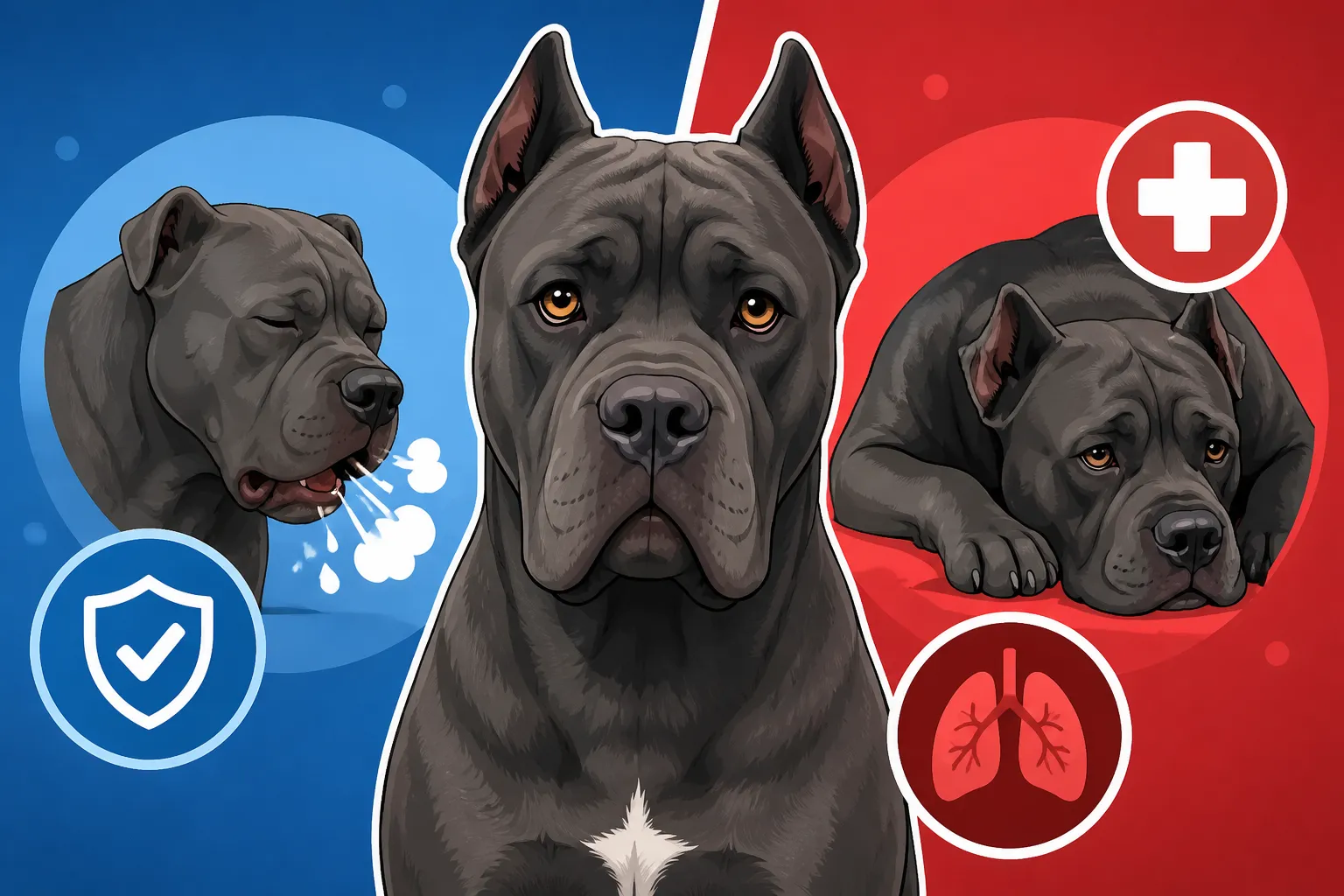
The hallmark of kennel cough, medically known as Canine Infectious Respiratory Disease (CIRD), is a forceful, dry, hacking cough that often sounds like your Cane Corso has something stuck in their throat. It's often followed by a gagging sound or the production of a small amount of foamy phlegm. Owners frequently describe it as a goose honk, and once you've heard it, it's pretty unmistakable. This cough tends to be worse during excitement, exercise, or when they pull on their leash, making those daily walks a bit more challenging than usual. You might notice your dog is otherwise quite active and seems fine, just bothered by these coughing fits.
However, even if your Cane Corso appears otherwise well, that persistent cough can be incredibly distressing to witness. You naturally worry about their ability to breathe, especially with such a large, powerful animal. It can be easy to jump to conclusions, envisioning worst-case scenarios when you hear them struggle, even if it's just a minor infection working its way out. The sheer size of a Cane Corso makes any apparent discomfort feel amplified, and you’re right to be concerned about anything that affects their respiratory system.
How Cane Corsos Catch and Spread It
Kennel cough is notoriously contagious, primarily caused by the bacterium Bordetella bronchiseptica and several viruses, including canine parainfluenza virus. It spreads through airborne droplets from coughing and sneezing, or through direct contact with contaminated surfaces like shared water bowls, toys, or even your hands after petting an infected dog. Any environment where dogs congregate – dog parks, boarding facilities, obedience classes, or even your local pet store – can be a hotbed for transmission. It doesn't take much for your Cane Corso to pick it up, even if they're generally well-socialized.
Once exposed, there's an incubation period, typically ranging from 3 to 10 days, before symptoms start to show. This means your Cane Corso could be spreading the infection before you even realize they're sick, which is part of why it's so widespread. If you have multiple dogs, especially if one is a [Cane Corso Puppy] with a less developed immune system, it’s highly likely that the infection will make its way through the entire household. Understanding this rapid spread helps explain why so many dogs seem to catch it, despite owners’ best efforts to keep them healthy.
Typical Recovery and When to Expect Improvement
For most healthy adult Cane Corsos, kennel cough is a self-limiting illness that resolves on its own within one to two weeks, sometimes up to three. Think of it like a common cold for humans. The primary goal of treatment is supportive care: plenty of rest, a comfortable environment, and keeping them hydrated. Some vets might prescribe cough suppressants to ease their discomfort, especially if the coughing fits are severe and disrupting sleep for both you and your dog. You can also try a humidifier or taking your Cane Corso into a steamy bathroom to help soothe their airways.
It's crucial during this time to limit their activity and avoid anything that triggers a coughing spell, such as strenuous exercise or pulling on the leash. While your Cane Corso might still have plenty of energy, pushing them too hard can prolong recovery or even lead to secondary infections. If your dog seems to be on the mend, with less frequent and less intense coughing after a week or so, that's a good sign. However, if symptoms worsen or persist beyond a couple of weeks, it's time to dig a little deeper with your veterinarian, as there could be complications or a different underlying issue at play.
Recognizing When It's More Than Just Kennel Cough
While kennel cough is usually mild, sometimes that cough is a warning sign of something far more serious. It’s incredibly important to pay close attention to the full picture of your Cane Corso's health, because their stoic nature can sometimes mask significant illness until it's quite advanced.
Red Flags and Concerning Symptoms
Beyond the classic "honk," there are definite red flags that suggest your Cane Corso's cough isn't just a simple case of kennel cough. If you notice persistent lethargy, meaning your normally energetic dog is unusually tired, sluggish, and uninterested in their usual activities, this is a major concern. A significant loss of appetite or refusal to drink water, especially for a dog that usually eats Six to Nine Cups Across Two Cane Corso Meals, is another critical sign. Difficulty breathing – not just a coughing fit, but actual labored breathing, open-mouth breathing at rest, or a bluish tint to their gums – indicates a severe respiratory problem requiring immediate attention.
Other worrisome symptoms include a fever (which you might detect by feeling their ears or groin, or noting extreme warmth), a deep, wet, productive cough that sounds like fluid in their lungs, or thick, colored nasal discharge (yellow or green). Swelling in the face or neck, or any signs of collapse, even momentary weakness, are also urgent indicators that something is very wrong. Your Cane Corso is a strong, resilient breed, but they can be remarkably good at hiding discomfort until they can no longer cope. Trust your gut if you feel something is off, as these subtle changes can precede a rapid decline.
Conditions That Mimic Kennel Cough
The tricky part about a cough is that it's a symptom, not a diagnosis, and many other conditions can present with similar respiratory signs. One of the most common serious mimics is pneumonia, which can be bacterial, viral, or even fungal. Unlike kennel cough, pneumonia usually involves a deeper, wetter cough, often accompanied by fever, severe lethargy, and significant difficulty breathing. If left untreated, pneumonia can be life-threatening, particularly in a large breed like a Cane Corso.
Another serious contender is heart disease, especially in middle-aged or older Cane Corsos. Conditions like dilated cardiomyopathy (DCM) or other cardiac issues can lead to fluid accumulation in the lungs, causing a cough that is often worse at night or after exercise. This cough might sound soft and wet, rather than the dry honk of kennel cough. Early detection of heart issues is vital, and a cardiac workup is often part of diagnosing a chronic cough in an older dog. You can learn more about concerns like The Heart Muscle Disease Behind a Cane Corso's Cardiac Test to understand the risks. Less common but still possible are foreign bodies aspirated into the airway, which can cause sudden, violent coughing and choking, or even severe allergic reactions. Even chronic allergies, which you can investigate with Allergy Testing for an Itchy Cane Corso, can sometimes lead to a persistent, irritating cough, though usually without the acute distress of a foreign body. Very rarely, a persistent cough in an older dog could even be a sign of certain cancers, though this is less common than other causes. This is why thorough veterinary examination is so important, and why having pet insurance like Healthy Paws can provide peace of mind if extensive diagnostics are needed.
Why a Cane Corso's Deep Chest Matters
The majestic, deep chest of a Cane Corso, while impressive, can sometimes complicate the diagnosis and management of respiratory issues. Their large body cavity means that significant lung pathology might exist before it’s easily detectable during a routine physical exam. It can be harder for a vet to clearly hear subtle lung sounds or detect fluid buildup compared to a smaller, more compact breed. Furthermore, the deep chest is also a defining characteristic that puts Cane Corsos at higher risk for bloat, or Gastric Dilatation-Volvulus (GDV). While bloat itself doesn't cause a cough, any change in your Cane Corso's behavior or physical state, especially involving their chest or abdomen, immediately raises a red flag for owners of this breed.
The constant concern for issues like Bloat and What a Cane Corso's Deep Chest Costs means that any unusual symptom, from coughing to lethargy, can trigger heightened anxiety. You're already conditioned to be vigilant about their deep chest, so a respiratory issue naturally magnifies those worries. Understanding that their anatomy can both predispose them to certain issues and make diagnosis a bit trickier helps you advocate for thorough diagnostics when your Cane Corso is unwell. It’s not just paranoia; it’s being a responsible owner of a breed with specific vulnerabilities.
When to Seek Veterinary Attention Immediately
Knowing when to act quickly can truly be the difference between a minor scare and a life-threatening situation for your Cane Corso. It’s always better to err on the side of caution, especially with a breed of their size and stoic nature.
The Critical Signs Requiring Emergency Care
There are certain symptoms that should send you straight to an emergency veterinary clinic, no questions asked. If your Cane Corso is experiencing severe difficulty breathing – gasping for air, open-mouth breathing with flared nostrils, visibly struggling, or if their gums appear blue or purple – this is an absolute emergency. Any instance of collapse, even if brief, or profound weakness where they can't stand or walk, demands immediate attention. Persistent, uncontrolled coughing that leaves your dog distressed, unable to rest, or with a sudden onset of choking sounds should also be treated as an urgent matter.
Other critical signs include unresponsiveness, disorientation, or a rectal temperature consistently above 103°F (39.4°C), especially if accompanied by other respiratory symptoms. With a large, powerful breed like a Cane Corso, a rapid decline can happen quickly, and delaying care can have dire consequences. Don't wait to see if it "gets better." If you're seeing any of these critical signs, it's time to find the nearest emergency vet. These unexpected emergencies can be financially stressful, which is where having a robust pet insurance plan like Healthy Paws can truly alleviate some of the burden, allowing you to focus on your dog's recovery without worrying as much about the significant vet bills.
Preparing for Your Vet Visit
When an emergency arises, it’s easy to feel flustered, but a little preparation can make your vet visit more efficient and effective. Before you rush out the door, take a moment to observe and document key details: when did the cough start? How often does it occur? What does it sound like (dry, wet, honking)? Are there any triggers (excitement, exercise)? Have you noticed any other symptoms like changes in appetite, thirst, energy levels, or bathroom habits? Your vet will want to know about your Cane Corso's vaccination history, especially their Bordetella vaccine status, and any recent exposures to other dogs.
When transporting your sick Cane Corso, prioritize their comfort and safety. If they’re struggling to breathe, try to keep them calm and in a position that minimizes respiratory effort. A large crate might not be feasible if they're in distress; sometimes a comfortable bed in the back of your vehicle, with someone sitting with them, is best. Be honest with the vet about everything you've observed, even if it seems minor, as all information helps paint a clearer picture for diagnosis.
Diagnostic Steps Your Vet Might Take
Once at the vet, a thorough diagnostic process will begin to pinpoint the cause of your Cane Corso's cough. The vet will start with a comprehensive physical exam, listening carefully to their heart and lungs (auscultation), feeling their abdomen, and checking their lymph nodes. They'll also assess your Cane Corso's overall demeanor, hydration, and mucous membrane color. Given the breed’s deep chest, sometimes subtle findings can be missed in an initial exam, which is why further steps are often necessary.
Common next steps often include chest X-rays (radiographs) to visualize the lungs, heart, and trachea. These images can reveal signs of pneumonia, fluid accumulation (which can indicate heart disease), an enlarged heart, or even the presence of a foreign body. Blood tests may also be ordered, such as a complete blood count (CBC) to check for infection or inflammation, and a biochemical profile to assess organ function. If initial diagnostics are inconclusive but serious concerns remain, your vet might recommend more advanced procedures like a tracheal wash (collecting fluid from the trachea for analysis), bronchoscopy (using a tiny camera to examine airways), or even an echocardiogram to get a detailed view of the heart. These steps are crucial for accurate diagnosis and ensuring your Cane Corso gets the correct treatment.
Preventive Measures and Ongoing Care
While you can’t completely eliminate the risk of your Cane Corso catching a cough, there are many proactive steps you can take to minimize their risk and ensure they have the best possible chance at a long, healthy life.
Vaccination and Exposure Management
Vaccination is your primary line of defense against kennel cough. The Bordetella vaccine, available in intranasal, oral, and injectable forms, targets the most common bacterial cause of kennel cough. While it doesn't offer 100% protection against all strains and viruses that cause CIRD, it significantly reduces the severity and duration of illness. Discuss with your vet which form of the vaccine is best for your Cane Corso and how frequently it should be administered, especially if your dog is frequently exposed to other canines in places like boarding facilities or dog parks.
Beyond vaccination, smart exposure management can also help. During known outbreaks in your area, consider limiting your Cane Corso's visits to crowded dog parks or large group training classes. Opt for smaller, more controlled playdates or solo walks in less congested areas. If you do board your Cane Corso, choose a facility with excellent hygiene standards and ventilation. Remember, even a fully vaccinated dog can still contract a mild form of kennel cough, so vigilance about their environment is always a good practice.
Maintaining Overall Health to Boost Immunity
A strong immune system is a Cane Corso's best defense against any illness, including respiratory infections. This starts with a high-quality diet appropriate for large breeds. Ensure your Cane Corso is receiving balanced nutrition, like the carefully measured portions from Six to Nine Cups Across Two Cane Corso Meals, as a foundation for good health. Avoid overfeeding, as excess weight puts strain on all their body systems, including their respiratory and cardiovascular systems.
Regular, appropriate exercise is also key. A Cane Corso needs plenty of mental and physical stimulation, typically around Ninety Minutes a Day and a Cane Corso's Mind, but make sure it’s tailored to their age and physical condition to avoid injury. A tired, well-exercised Cane Corso is generally a healthier one. Minimizing stress in their environment, providing consistent routines, and ensuring they have a comfortable, safe space to rest all contribute to a robust immune response. A dog with a strong immune system is better equipped to fight off infections and recover more quickly should they fall ill.
The Value of Regular Vet Check-ups
Regular veterinary check-ups are an absolute non-negotiable for a large breed like the Cane Corso. These routine visits allow your vet to catch potential health issues early, often before they become serious or present with overt symptoms like a cough. During an annual exam, your vet will perform a thorough physical assessment, discuss any changes you’ve noticed, and ensure your Cane Corso is up-to-date on all necessary vaccinations and preventative care. For adult Cane Corsos, routine procedures like Yearly Bloodwork on an Adult Cane Corso can provide valuable insights into organ function and help detect underlying diseases that might not be visible otherwise.
Early detection is paramount, especially as your Cane Corso ages. Regular check-ups can help monitor for conditions that become more prevalent later in life, such as What Changes in a Cane Corso After Its Eighth Birthday, including cardiac issues or other chronic diseases that might eventually lead to a cough. Proactive veterinary care, supported by a comprehensive pet insurance plan like Healthy Paws, ensures that you can pursue necessary diagnostics and treatments without financial hesitation, giving your Cane Corso the best chance for a long and healthy life.
Comparing Kennel Cough to More Serious Ailments
To help you quickly assess your Cane Corso's symptoms, here’s a quick overview contrasting typical kennel cough with signs that suggest a more serious condition.
| Symptom / Indicator | Kennel Cough (Typical) | More Serious Conditions (Red Flags) |
|---|---|---|
| Cough Sound | Dry, harsh, "honking" cough, often followed by gagging. | Deep, wet, productive cough; soft, chronic cough (heart disease); sudden, violent choking cough. |
| Cough Frequency | Frequent, especially with excitement/exercise. | Persistent, unrelenting; worse at specific times (e.g., night for heart disease). |
| Energy Level | Otherwise alert and energetic, normal activity levels. | Lethargy, extreme weakness, unwillingness to move, collapse. |
| Appetite & Thirst | Normal or slightly reduced. | Significant loss of appetite, refusal to drink water, weight loss. |
| Breathing Effort | Normal between coughing fits. | Labored breathing, open-mouth breathing at rest, flared nostrils, bluish gums (cyanosis). |
| Nasal Discharge | Clear, watery, or none. | Thick, yellow, green, or bloody discharge. |
| Fever | Usually absent or very mild. | Consistent fever (e.g., over 103°F / 39.4°C). |
| Other Symptoms | Mild eye discharge, sneezing. | Swelling of face/neck, pain, disorientation, unresponsiveness, visible distress. |
| Duration | Typically resolves within 1-2 weeks. | Worsens over time, persists beyond 2-3 weeks, or has sudden, severe onset. |
| Triggers | Excitement, exercise, pulling on leash. | Exercise (heart disease), eating/drinking (foreign body), no clear trigger (pneumonia). |
Disclaimer
This article is intended for informational purposes only and does not constitute professional veterinary advice. Always consult with a qualified veterinarian for any health concerns or before making any decisions about your Cane Corso's care.