Grain Free Food and a Cane Corso’s Heart
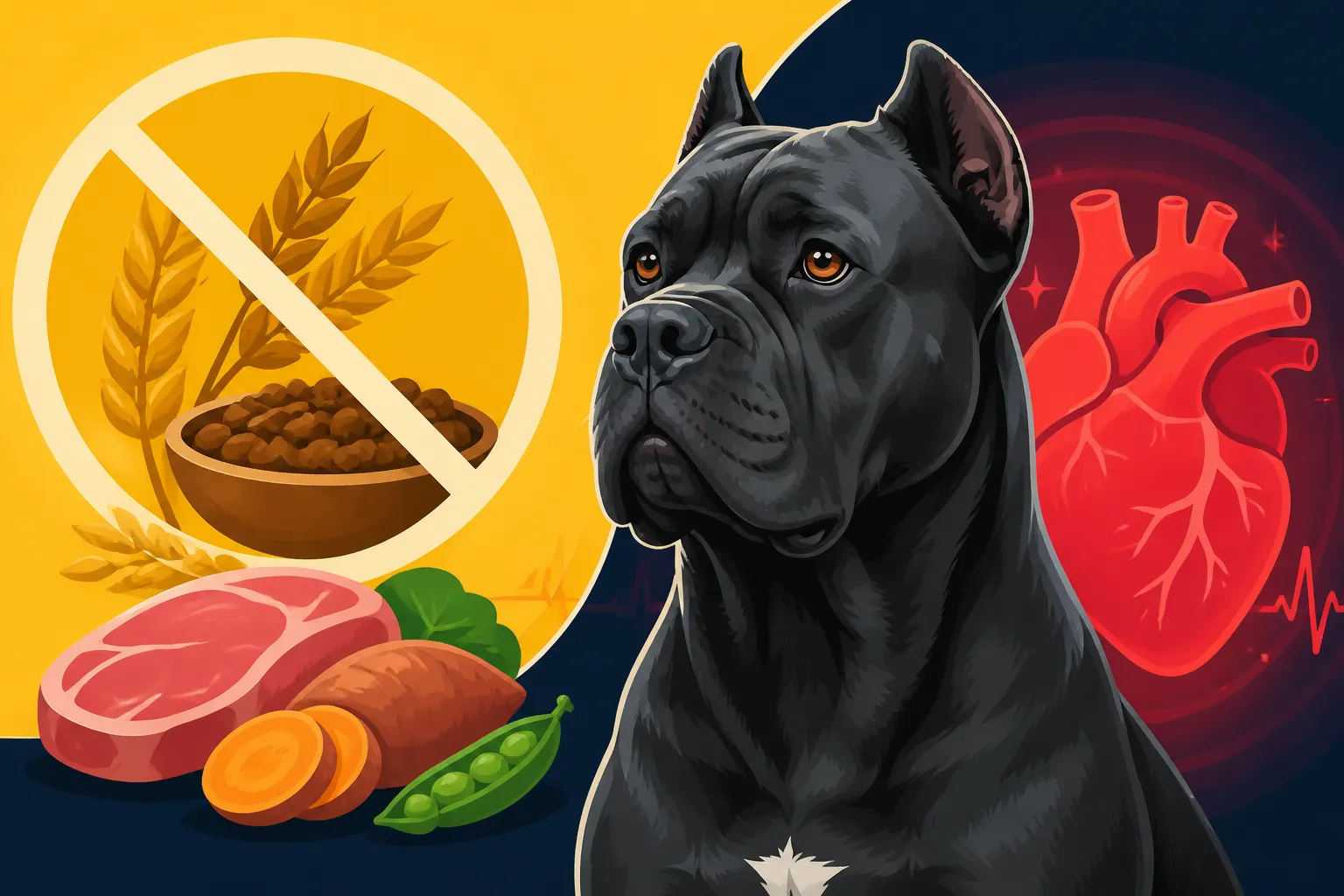
It's completely understandable to feel overwhelmed and, frankly, a bit stressed when you hear conflicting information about what's best to feed your beloved Cane Corso. For years, "grain-free" was touted as the pinnacle of canine nutrition, a healthier, more natural choice. Then, suddenly, whispers started turning into alarms about a potential link between these very diets and a serious heart condition called Dilated Cardiomyopathy (DCM). This guide is here to cut through the noise, validate your concerns, and provide clear, in-depth information on the complex relationship between grain-free dog food and your Cane Corso's heart health.
The DCM Dilemma: Grain-Free Diets and Canine Heart Health
The journey we've all been on with dog food, especially over the last decade, has been a rollercoaster of fads, scientific revelations, and genuine concern for our dogs' well-being. For owners of large, magnificent breeds like the Cane Corso, understanding the nuances of their health, particularly their cardiovascular system, is paramount. The connection between certain diets and heart conditions has become a critical topic, leaving many of us wondering if we made the right choices for our companions.
Understanding Dilated Cardiomyopathy in Large Breeds
Dilated Cardiomyopathy, or DCM, is a serious disease of the heart muscle. Essentially, the heart's pumping chambers become enlarged and weakened, making it harder for the heart to pump blood effectively to the rest of the body. For a breed like the Cane Corso, which carries a significant amount of muscle and body mass, a strong, efficient heart is absolutely vital. While some breeds have a known genetic predisposition to DCM, like Doberman Pinschers and Great Danes, it wasn't historically considered a primary concern for Cane Corsos in the same way. However, the emergence of cases in breeds not typically affected, or in those without a clear genetic link, raised serious questions about environmental and dietary factors.
When a Cane Corso develops DCM, it can manifest in subtle ways at first, such as a decrease in energy or slight coughing, which can easily be mistaken for other, less serious issues. As the disease progresses, these symptoms become more pronounced, potentially including difficulty breathing, intolerance to exercise, and even fainting spells. Diagnosing DCM usually involves a combination of physical exams, X-rays, and most definitively, an echocardiogram performed by a veterinary cardiologist. This is why regular check-ups, even when your dog seems fine, are so important, especially as your dog reaches middle age, as discussed in Heart Disease in a Middle Aged Cane Corso.
The FDA Investigation and Dietary Concerns
The real turning point in the grain-free discussion came with the U.S. Food and Drug Administration's (FDA) investigations, which began receiving an increasing number of adverse event reports concerning DCM in dogs eating certain diets. What made these reports stand out was that many of the affected dogs were consuming "boutique," "grain-free," or "exotic ingredient" (B.E.G.) diets, and importantly, many were breeds not typically predisposed to DCM. This wasn't just about avoiding wheat or corn anymore; it was about the potential for critical nutrient deficiencies that could impact heart function.
The FDA's inquiries, while not definitively proving a direct cause-and-effect, highlighted a strong association. The common thread in many of these implicated diets was a high inclusion of pulse ingredients like peas, lentils, chickpeas, and various types of potatoes, often as primary carbohydrate sources replacing traditional grains. These ingredients themselves aren't inherently "bad," but their prevalence in these diets seemed to correlate with lower circulating levels of taurine in some dogs, an amino acid crucial for healthy heart function. It created a widespread panic among dog owners who, with the best intentions, had chosen these foods, believing they were making the healthiest choice. The situation underscored how complex canine nutrition is and how readily available information can be both helpful and, at times, misleading, leading to genuine anxiety for dedicated owners.
Deciphering Dog Food Labels: What to Look For (and Avoid)
Navigating the pet food aisle can feel like trying to solve a complex puzzle, especially with so many brands vying for your attention, each promising the "best" nutrition. For a robust breed like the Cane Corso, getting it right is crucial, not just for their size and strength but for their long-term health, particularly their heart.
The Role of Taurine and L-Carnitine in Cardiac Health
Taurine and L-carnitine are amino acids, building blocks of protein, and they play absolutely vital roles in the proper functioning of the heart muscle. Taurine helps regulate heart contractions, maintains electrolyte balance, and supports overall cardiovascular health. L-carnitine, on the other hand, is essential for transporting fatty acids into the cells' mitochondria, where they are burned for energy – a constant and high demand for the hardworking heart.
While dogs can typically synthesize their own taurine from other amino acids like methionine and cysteine, and produce L-carnitine, certain dietary compositions might interfere with this process or lead to increased losses, resulting in a deficiency. This is where the concern with certain grain-free and B.E.G. diets arose: it wasn't just about a lack of taurine in the food itself, but perhaps how the high levels of peas, lentils, and potatoes impacted the dog's ability to create or retain taurine.
For a Cane Corso, ensuring adequate levels of these amino acids is paramount. Natural sources of taurine are abundant in animal proteins like meat, poultry, and fish. While supplementation can be considered, especially if a deficiency is identified, it's always best to consult with your veterinarian before adding anything to your dog's diet. A veterinarian might even recommend a specific cardiac exam for your Cane Corso, which includes checking for these nutrient levels. Getting a clear picture of your dog's cardiac health, including a cardiac clearance, is a vital part of responsible ownership.
Beyond Grains: Understanding "Boutique" and "Exotic" Ingredients
The appeal of "boutique" or "exotic" ingredients is strong. Who doesn't want to feed their dog something unique, something that sounds healthier or more "natural"? However, the pet food industry, like any other, has its trends. Many of these novel protein sources (like kangaroo or duck) and alternative carbohydrates (tapioca, quinoa) entered the market with limited long-term, peer-reviewed feeding trials to back their extensive use as primary diet components.
The concern here isn't necessarily that these ingredients are inherently harmful, but rather that diets heavily reliant on them might not have the same proven nutritional balance as those formulated with more traditional ingredients that have decades, if not centuries, of research and practical feeding data behind them. The gut microbiome, nutrient absorption, and overall metabolic pathways are complex, and subtle shifts in diet composition can have unintended consequences. When looking at dog food labels, it's easy to get swayed by fancy packaging and ingredient lists that sound appealing to human sensibilities. However, for your Cane Corso's long-term health, choosing foods backed by solid scientific research and formulated by board-certified veterinary nutritionists is far more important than trendy ingredients.
Reputable Brands and Nutritional Guarantees
When it comes to choosing food for your Cane Corso, reputation and scientific backing should be your guiding stars. Look for brands that employ veterinary nutritionists (ideally board-certified by the American College of Veterinary Nutrition, ACVN) who oversee their formulations and conduct feeding trials. These companies often invest heavily in research and development, not just marketing.
Another critical indicator of a reputable brand is their AAFCO (Association of American Feed Control Officials) statement. This statement, usually found on the back of the bag, should clearly indicate that the food meets the nutritional levels established by the AAFCO Dog Food Nutrient Profiles for a specific life stage (e.g., "growth," "maintenance," or "all life stages"). Even better are foods that state they have undergone AAFCO feeding trials, as this means the diet has actually been fed to animals and they have thrived on it.
Be wary of brands that make grand, unsubstantiated claims or those that use vague language about their ingredients or testing protocols. If a brand is transparent about its ingredient sourcing, manufacturing processes, and nutritional philosophy, it's a good sign. Ultimately, the best defense against unforeseen health issues, including potential diet-related cardiac problems, is choosing a diet with a strong scientific foundation. If your Cane Corso were to develop a sudden, severe health issue, having a reliable pet insurance provider like Healthy Paws can provide immense peace of mind, covering eligible vet bills so you can focus on their recovery without added financial stress. This protection can be especially valuable when facing diagnostic tests or long-term management for conditions like The Heart Muscle Disease Behind a Cane Corso's Cardiac Test.
Practical Steps for Cane Corso Owners: Navigating Dietary Choices
The sheer volume of information and often contradictory advice about dog nutrition can leave any Cane Corso owner feeling adrift. But when it comes to your dog's heart, being proactive and informed is key. Let's talk about tangible steps you can take to ensure your big companion is getting the best possible care.
Consulting Your Veterinarian and Board-Certified Veterinary Cardiologist
This is, hands down, the most crucial step. Your general practice veterinarian is your first line of defense and a wealth of knowledge specific to your individual dog's health history, lifestyle, and regional concerns. They can help you assess your Cane Corso's current diet, discuss potential risks, and recommend appropriate changes. Don't be afraid to bring the food bag with you to your appointment; they can analyze the ingredient list and nutritional analysis with a discerning eye.
If there's any concern about your Cane Corso's heart health, or if you simply want to be extra cautious, a referral to a board-certified veterinary cardiologist is invaluable. These specialists have advanced training in diagnosing and treating heart conditions. They can perform an echocardiogram, which is essentially an ultrasound of the heart, allowing them to visualize its structure and function in real-time. This can rule out or detect early signs of DCM or other cardiac diseases. Getting a cardiac exam for your Cane Corso's clearance is something breeders often do, and it’s a good benchmark for your own dog's health. They might also recommend specific blood tests, including taurine levels, especially if your dog has been on a grain-free diet for an extended period. This proactive approach allows for early intervention, which can significantly improve outcomes.
Monitoring Your Cane Corso for Early Signs of Heart Issues
Cane Corsos are stoic dogs, and they often try to hide discomfort, making it even more important for owners to be vigilant. Knowing what to look for can mean the difference between catching a problem early and a more advanced stage of disease.
Keep a close eye on your dog's energy levels. Is your typically energetic Cane Corso suddenly lagging on walks or less enthusiastic about playtime? Lethargy or decreased exercise tolerance can be an early indicator. Pay attention to their breathing: an increase in respiratory rate or effort, especially when resting or sleeping, is a red flag. A persistent cough, particularly one that's worse at night or after exertion, can also signal heart issues, as fluid can build up in the lungs.
Other signs might include a distended abdomen (due to fluid accumulation), unexplained weight loss, or even episodes of weakness or fainting. While some changes in activity level might simply be What Changes in a Cane Corso After Its Eighth Birthday, sudden or severe symptoms always warrant immediate veterinary attention. Remember, your Cane Corso relies on you to notice these subtle shifts, and prompt action can be life-saving. Don't hesitate to seek veterinary advice, even if you’re unsure.
Considering Traditional Diets and Proactive Health Measures
Given the ongoing discussion and concerns, many veterinary nutritionists now advise opting for dog foods that include traditional grains (like corn, wheat, rice, barley, oats) unless your dog has a medically diagnosed allergy to a specific grain. These diets have a longer track record of safety and provide a well-understood balance of nutrients. When switching your Cane Corso onto a new food, do it gradually over 7-10 days to avoid digestive upset. This gives their system time to adjust to the new ingredients.
Beyond diet, a holistic approach to your Cane Corso's health is always best. Regular exercise, appropriate for their age and joint health, is essential. Maintaining a healthy weight is also paramount, as obesity puts extra strain on the heart and joints. Consistent preventative veterinary care, including annual check-ups and yearly bloodwork on an adult Cane Corso, can catch many issues before they become severe.
Consider integrating a pet insurance policy, like one from Healthy Paws, early in your Cane Corso's life. While it won't prevent health issues, it provides a crucial safety net. Imagine facing the bill for a full cardiac workup, ongoing medication for a heart condition, or even potential emergency surgery; these costs can be astronomical. With insurance, you're better prepared to make decisions based on your Cane Corso's health needs, not just your wallet. It can be a vital component of long-term planning, especially considering potential issues like The Murmur a Cane Corso Puppy Is Born With or other complex conditions later in life.
The science of canine nutrition is constantly evolving, but prioritizing proven, well-researched diets and maintaining open communication with your vet are the best ways to protect your Cane Corso's heart and ensure they live a long, healthy life by your side.
| Feature | Grain-Inclusive Diets | Grain-Free Diets (Older Formulations) |
|---|---|---|
| Carbohydrate Source | Corn, wheat, barley, rice, oats | Peas, lentils, potatoes, sweet potatoes, tapioca |
| Protein Sources | Traditional meats, poultry, fish | Traditional meats + novel proteins (e.g., kangaroo) |
| Historical Use | Decades of proven feeding trials and safety | Newer trend, less long-term research |
| Taurine & L-Carnitine | Generally supports healthy synthesis/absorption | Potential risk factor for deficiency in some dogs |
| FDA Concerns | Not implicated in DCM link | Associated with increased DCM reports |
| Veterinary Stance | Generally recommended unless specific allergy present | Caution advised; consult vet, monitor closely |
Disclaimer
The information provided in this article is for general informational purposes only and does not constitute veterinary medical advice. Always consult with a qualified veterinarian or board-certified veterinary nutritionist for any questions regarding your Cane Corso's specific dietary needs, health conditions, or treatment plans. Do not disregard professional veterinary advice or delay seeking it because of something you have read here.