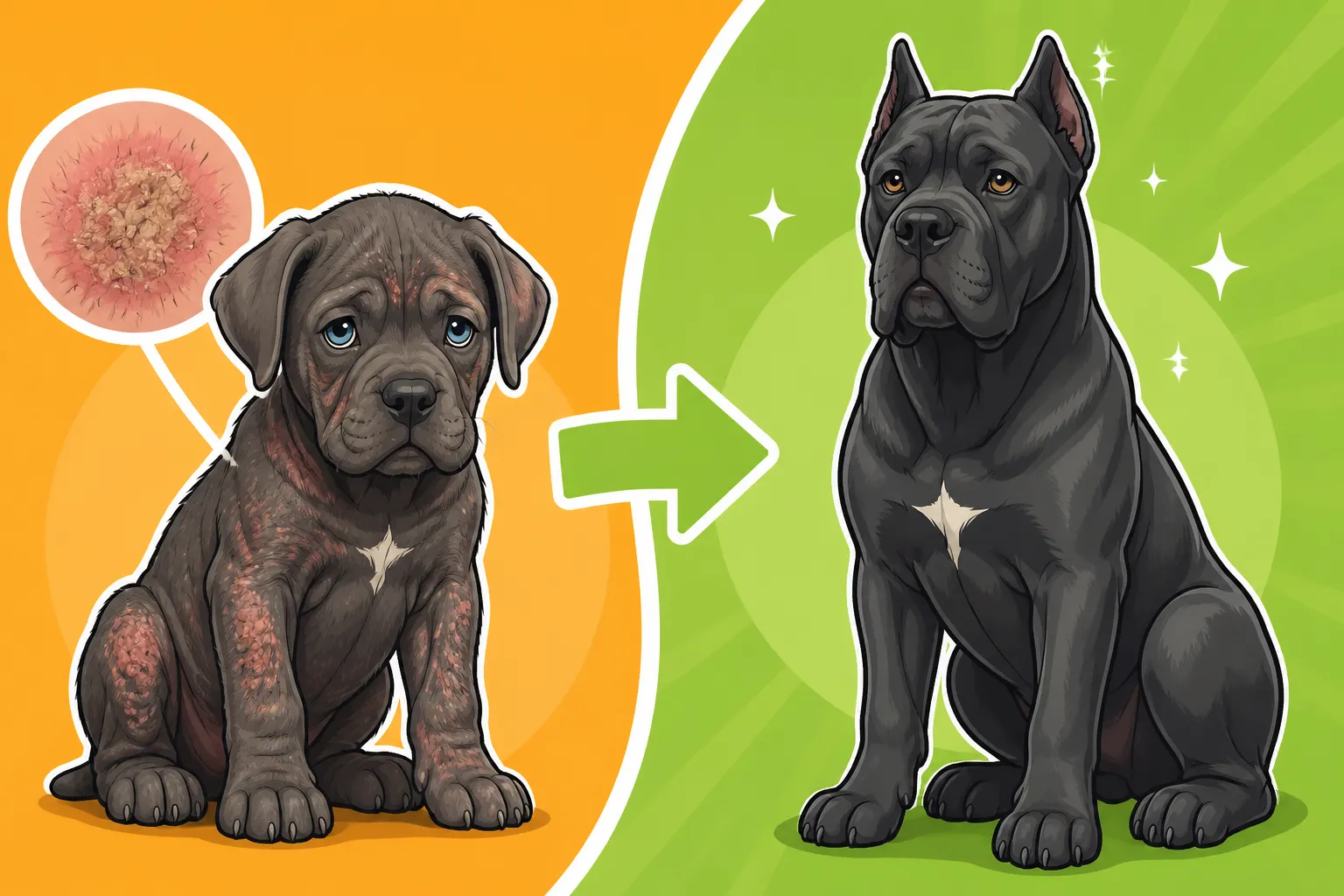
The Age a Cane Corso Outgrows Puppy Mange
It’s a heart-sinking moment when you notice those first sparse patches on your precious Cane Corso puppy, maybe around their eyes, on their muzzle, or those sweet little front paws. You might try to tell yourself it's just puppy hair loss or a little dry skin, but deep down, you're worried about what it really is: puppy mange. The big question looming over every owner's head is often, "Will they just outgrow this?" This comprehensive guide is here to shed light on exactly when a Cane Corso puppy is expected to move past their battle with demodectic mange, what you can do to help, and when to truly be concerned.
Understanding Puppy Mange in Cane Corsos
Discovering bald spots or irritated skin on your Cane Corso puppy can be incredibly alarming. This isn't just a cosmetic issue; it's a sign that something is amiss, and understanding its root cause is the first step toward effective management and resolution.
What is Demodectic Mange?
Demodectic mange, often affectionately (or perhaps, grimly) called "puppy mange" or "red mange," is caused by microscopic mites called Demodex canis. Now, here’s the kicker: nearly every dog has these mites living harmlessly in their hair follicles. They’re passed from the mother to her pups in the first few days of life, and for most dogs, their immune system keeps the mite population in check, preventing any issues. It's an interesting biological balance that usually goes unnoticed.
The problem arises when a puppy’s immune system isn't quite mature enough, or perhaps has a temporary weakness, allowing these mites to multiply unchecked. Unlike other types of mange, demodectic mange is not contagious to other pets or humans. You don't need to worry about your other dogs or family members catching it, which is a common misconception that causes unnecessary stress for many owners. It's purely an internal imbalance. The clinical signs you'll usually see are hair loss, often starting around the face and feet, sometimes accompanied by redness, scaling, or crusting. In some cases, especially if left untreated or if it progresses, secondary bacterial infections can develop, leading to itchiness, pus-filled lesions, and a much more uncomfortable experience for your growing Cane Corso.
Why Cane Corso Puppies Are Prone to It
Cane Corsos, like several other large and giant breeds, seem to have a predisposition to developing demodectic mange. There isn’t one single definitive answer, but veterinarians and breeders often point to a combination of factors. One significant theory revolves around their rapidly developing immune systems as puppies. These giant breed pups are growing at an incredible rate, putting a lot of resources into bone and muscle development, and sometimes their immune system just hasn't fully caught up to manage every challenge thrown its way. Think of it as a temporary immaturity in their cellular immunity that allows the Demodex mites to get the upper hand. This isn't a sign of a "bad" immune system overall, but rather a specific, localized challenge.
Another contributing factor can be genetics. While the mites themselves are natural, a genetic predisposition to developing the condition when exposed to normal mite levels is recognized within the breed. This is why a responsible breeder will often track cases within their lines and may advise against breeding dogs that have had severe or generalized demodectic mange, especially if they are over a certain age. Stress, poor nutrition, or other concurrent health issues can also play a role in suppressing a young Cane Corso's immune system, making them more susceptible. It’s a delicate balance, and anything that tips the scales can lead to an outbreak. This makes comprehensive care, including proper diet and a low-stress environment, crucial for these formidable pups. For more on localized patches, you might want to read about Demodectic Mange on a Young Cane Corso.
The Timeline for Puppy Mange Resolution
One of the most comforting things for a worried Cane Corso owner to hear is that, in many cases, puppy mange is self-limiting. But what does that really mean, and what's the typical timeline?
When Demodectic Mange Typically Clears Up
For many Cane Corso puppies, especially those with what we call "localized" demodectic mange – meaning just a few small patches of hair loss, often around the face or paws – the condition will resolve on its own as their immune system matures. This usually happens between three to six months of age, sometimes extending to about nine months. It's almost as if their immune system "wakes up" and realizes it needs to get these mites under control. The bald patches start to fill in, the redness subsides, and your puppy goes back to being a picture of health. This self-resolving nature is why some mild cases might not even require aggressive treatment, though veterinary consultation is always recommended to confirm the diagnosis and rule out more severe forms.
However, it’s vital to understand the difference between localized and "generalized" demodectic mange. Generalized mange involves more extensive areas of the body, multiple larger patches, or the entire body, and often comes with secondary skin infections. This form is much less likely to resolve on its own and almost always requires dedicated veterinary treatment. If your Cane Corso puppy is showing The Bald Patches a Cane Corso Puppy Develops across a larger area or looking really uncomfortable, it’s not something to wait out.
Factors Influencing Recovery Time
Several factors can influence how quickly a Cane Corso puppy recovers from demodectic mange, or whether it becomes a more persistent problem.
- Severity of the Mange: As mentioned, localized cases tend to resolve faster and often spontaneously. Generalized cases, on the other hand, require more intensive and prolonged treatment, sometimes for several months.
- Age of Onset: Mange that appears very early, like at 8-10 weeks, might clear up as the immune system develops. However, if it persists beyond 6-9 months, or if a more severe form develops in an older puppy, it indicates a deeper immune system issue and might be harder to kick.
- Overall Health and Nutrition: A puppy that is thriving, on a high-quality, balanced diet, and free from other stressors or illnesses, will have a better chance of fighting off the mites. Conversely, a puppy with underlying health issues, or one experiencing significant stress (like moving to a new home, teething, or an intense training schedule), may find their immune system too overwhelmed to tackle the mites effectively. For insights into canine immunity, consider reading What Generalized Demodex Says About a Cane Corso's Immunity.
- Prompt and Consistent Treatment: If treatment is necessary, adhering strictly to your vet’s instructions is paramount. Skipping doses of medication or cutting treatment short because the visible signs improve can lead to recurrence and make future treatment more challenging. Your vet might suggest retesting skin scrapes periodically to ensure the mites are truly gone, not just reduced.
- Environmental Stress: A stable, predictable environment with plenty of rest can support a puppy's immune function. Constant changes, loud noises, or too much rough play can elevate stress hormones, which in turn can suppress immune responses. This is especially true for a Cane Corso, a breed that thrives on routine and clear boundaries.
A pet insurance plan from providers like Healthy Paws can be a real lifesaver here, as extended treatment or diagnostics for persistent cases can certainly add up, offering peace of mind when dealing with prolonged health issues.
When to Seek Veterinary Intervention for Your Cane Corso's Mange
While the hope is always that puppy mange will simply disappear, it's crucial for Cane Corso owners to know when to stop hoping and start seeking professional help. Ignoring persistent or worsening symptoms can lead to more serious complications.
Recognizing Persistent or Worsening Symptoms
It's one thing to observe a small, unchanging bald spot, but another entirely when things start to get worse. You should absolutely contact your veterinarian if you notice any of the following with your Cane Corso puppy:
- Spreading Lesions: If the bald patches are increasing in size or number, or new patches are appearing rapidly, this indicates the localized form is not self-limiting and might be progressing to generalized demodectic mange.
- Skin Redness and Inflammation: While some mild redness can occur, significant inflammation, hot spots, or widespread erythema (redness) suggests a more aggressive mite population or a secondary bacterial infection.
- Itchiness: Demodectic mange itself isn't typically itchy unless secondary infections set in. If your Cane Corso puppy is scratching, rubbing, or biting at the affected areas, it's a strong indicator of bacterial or yeast involvement, or perhaps another skin issue altogether. This needs immediate attention, as excessive scratching can cause further damage and introduce more bacteria.
- Pustules, Sores, or Crusting: These are classic signs of a secondary bacterial infection that has taken hold due to the compromised skin barrier. These infections can be painful and require antibiotics in addition to mange treatment.
- Lethargy or Loss of Appetite: If your puppy seems unwell, is less energetic, or isn't eating normally, it's a red flag. Extensive skin infections or severe mange can make a puppy feel miserable and impact their overall health.
- Lack of Improvement by 6-9 Months: If your puppy is approaching or past nine months of age and still has active demodectic mange, even if seemingly mild, it's time for a more aggressive treatment plan and further investigation into potential underlying immune issues.
It's always better to be proactive. A quick vet visit can give you peace of mind or get your puppy on the right track before the condition escalates.
The Role of Early Diagnosis and Treatment
Getting an early and accurate diagnosis is incredibly important for demodectic mange. Your vet will perform simple skin scrapes – gently scraping the superficial layer of skin and hair follicles with a blade (often dulled to prevent injury) to collect mites for microscopic examination. This confirms the presence of Demodex mites and helps assess their numbers.
Once confirmed, your vet can determine if it's localized or generalized mange and recommend the appropriate course of action. For localized cases, they might suggest a "wait and see" approach, perhaps with some topical treatments like medicated shampoos for Medicated Shampoo for a Cane Corso With Mange or dips, and careful monitoring. However, for generalized mange, treatment will be more assertive. Modern treatments are highly effective and typically involve oral medications such as isoxazolines (e.g., Bravecto, NexGard, Simparica, Credelio), which are given monthly or every few months depending on the product. These medications are generally very safe and significantly reduce the mite population.
Without early intervention for generalized cases, the condition can become debilitating. Chronic skin infections can lead to scarring, permanent hair loss, and a compromised immune system, making your Cane Corso susceptible to other illnesses. Furthermore, the constant discomfort can affect their temperament and training. Investing in preventative care and early treatment often saves money and heartache in the long run. If you're concerned about costs, checking options like Healthy Paws for illness coverage could provide financial security for such treatments.
Managing and Preventing Recurrence in Adolescent Cane Corsos
Even after your Cane Corso puppy has successfully navigated a bout of demodectic mange, the question of recurrence often lingers. Proactive management and understanding how to bolster their immune system are key to keeping them healthy.
Supporting Your Cane Corso's Immune System
Once your Cane Corso is past the puppy stage and has cleared their mange, the goal is to prevent it from returning. While some dogs are truly "one-and-done," others may be predisposed to future flare-ups, especially during periods of stress or illness. Supporting their immune system is paramount.
- High-Quality Nutrition: A well-balanced diet is fundamental. Ensure your Cane Corso is receiving appropriate nutrition for their life stage and activity level. Look for foods with quality protein sources, healthy fats (like omega-3 fatty acids for skin and coat health), and essential vitamins and minerals. Avoid frequent, sudden changes in diet, which can sometimes cause digestive upset and stress the system. For growing pups, specific considerations apply, like The Protein a Growing Cane Corso Should Not Exceed.
- Stress Management: Stress can suppress the immune system, making a dog more vulnerable. Maintain a consistent routine, provide adequate exercise tailored to their age and joint health, and ensure they have a safe, quiet place to retreat. Avoid overly stressful situations if possible, especially during adolescence when they are still maturing physically and mentally.
- Regular Veterinary Check-ups: Routine vet visits aren't just for shots. They allow your vet to monitor your Cane Corso's overall health, catch any subtle issues early, and ensure their immune system is robust. These check-ups can include discussing supplements, flea/tick prevention, and any emerging health concerns.
- Appropriate Exercise: While important, exercise needs to be balanced. Over-exercising a growing Cane Corso can put undue strain on their joints, and intense physical stress can also impact immunity. Aim for consistent, moderate activity rather than sporadic, exhausting sessions.
- Parasite Control: Keeping your Cane Corso free from other parasites (fleas, ticks, intestinal worms) is crucial, as these can also weaken the immune system and cause skin irritation that mimics or complicates mange symptoms.
- Supplements: Discuss with your vet whether any immune-boosting supplements, such as fish oil, probiotics, or certain vitamins, might be beneficial for your individual Cane Corso. Remember, supplements should always be chosen in consultation with a professional.
Long-Term Considerations for Mange-Prone Dogs
For some Cane Corsos, demodectic mange isn't just a fleeting puppy ailment; it can indicate a more ingrained immune vulnerability. This doesn't mean a poor quality of life, but it does mean a heightened awareness and proactive approach are needed.
- Adult-Onset Mange: If demodectic mange recurs or appears for the first time in an adult Cane Corso (typically after 18 months of age), it’s a strong indicator of an underlying health problem. This could be anything from hypothyroidism, Cushing's disease, or cancer to other systemic illnesses that are suppressing the immune system. Comprehensive diagnostic testing will be crucial to identify and address the primary issue.
- Genetic Predisposition: As mentioned, there's a genetic component to generalized demodectic mange. Dogs that have had severe or persistent generalized mange should ideally not be used for breeding, as they can pass this predisposition to their offspring. This is a point that responsible breeders take very seriously in their efforts to improve the breed's health.
- Ongoing Vigilance: Even after successful treatment and a period of remission, owners of Cane Corsos who had significant mange as puppies should remain vigilant. Keep an eye out for any new bald patches, skin redness, or excessive scratching, especially during times of stress, illness, or major life changes. Early detection of a recurrence means faster, easier treatment.
- Environmental Factors: While not contagious, good hygiene practices in the home can support overall skin health. Regular cleaning of bedding and grooming tools can prevent secondary bacterial issues and promote a healthier environment for your dog.
- Pet Insurance: Having robust pet insurance can be a huge comfort if your Cane Corso turns out to be prone to recurrent skin issues or other health challenges. Companies like Healthy Paws offer plans that can cover a significant portion of veterinary bills for eligible conditions, which can be invaluable for chronic management. Understanding the long-term health landscape of the breed is important, and for more general information on their health, consider topics like The Nine Year Median Behind a Cane Corso's Lifespan and The Cardiac Exam Behind a Cane Corso's Clearance.
In essence, while many Cane Corso puppies do outgrow their puppy mange, it's not a guarantee. As responsible owners, our role is to support their health, recognize when professional help is needed, and be prepared for potential long-term management to ensure our magnificent dogs live full, comfortable lives.
Comparing Mange Types in Cane Corsos
To further clarify, let's briefly compare the two main types of mange that can affect dogs, though demodectic is the focus for puppies. This table highlights their key differences.
| Feature | Demodectic Mange (Puppy Mange) | Sarcoptic Mange (Scabies) |
|---|---|---|
| Cause | Demodex canis mites (normal skin flora) | Sarcoptes scabiei mites (external parasite) |
| Contagious? | NO (not to other animals or humans) | YES (highly contagious to other animals and humans) |
| Symptoms | Hair loss, redness, scaling, secondary infection; typically NOT itchy unless infected. Patches often on face/feet. | Intense itching, redness, scabs, hair loss, self-mutilation; often starts on thinly haired areas like ears, elbows, hocks. |
| Immunity | Usually indicates immature or suppressed immune system (puppies) or underlying illness (adults). | Any dog can get it, regardless of immune status, through contact with an infected animal. |
| Diagnosis | Deep skin scrapes, microscopic identification of mites. | Can be difficult; sometimes mites are not found on scrapes, so diagnosis may be based on symptoms and response to treatment. |
| Treatment | Oral medications (isoxazolines), sometimes medicated washes, antibiotics for secondary infections. | Oral medications (isoxazolines), topical treatments, injectable medications. All contact animals often need treatment. |
| Prognosis | Localized often self-resolving; generalized needs treatment, good prognosis with compliance. | Good prognosis with treatment, but highly contagious nature requires thorough environmental and contact animal treatment. |
Disclaimer
The information provided in this article is for general informational purposes only and is not a substitute for professional veterinary advice, diagnosis, or treatment. Always seek the advice of your veterinarian or other qualified animal health provider with any questions you may have regarding a medical condition or the health and welfare of your pet. Never disregard professional veterinary advice or delay in seeking it because of something you have read in this article.