Holding a Hundred Pound Cane Corso Through a Seizure
Seeing your magnificent, hundred-pound Cane Corso suddenly lose control, thrashing violently on the floor, is one of the most terrifying experiences any dog owner can face. The sheer size and power of these incredible dogs, combined with the helplessness you feel, can make a seizure event incredibly daunting. This guide will walk you through understanding, safely handling, and providing immediate aftercare for your large companion during and after a seizure, offering practical, empathetic advice for navigating these stressful moments.
Recognizing the Stages of a Cane Corso Seizure
Understanding the different phases of a seizure can help you anticipate what's coming, act quickly, and provide vital information to your veterinarian. It’s not just about the thrashing; a seizure is a complex neurological event with distinct stages.
The Prodromal Phase: Subtle Warning Signs
Before a full-blown seizure, some Cane Corsos will exhibit subtle changes in behavior that, once you learn to recognize them, can act as a crucial warning. This is often called the prodromal phase, and it can last from minutes to hours. Your usually stoic and confident Cane Corso might become unusually clingy, seeking your constant attention, or conversely, appear restless and try to hide. You might notice them staring blankly into space, seeming disconnected from their surroundings. Increased drooling, pacing, or a slight tremor in their muscles could also be indicators. For a dog that's usually very attuned to its environment, these changes can be quite noticeable. Many owners might initially dismiss these signs as just an "off day" or mild anxiety, especially if their dog is generally prone to being expressive. However, if you know your dog's baseline behavior, these subtle shifts can become valuable clues that something is amiss, allowing you to prepare for what might follow. Recognizing these early signs can give you a precious few moments to clear the area or guide your Cane Corso to a safer spot before the main event.
The Ictal Phase: The Seizure Itself
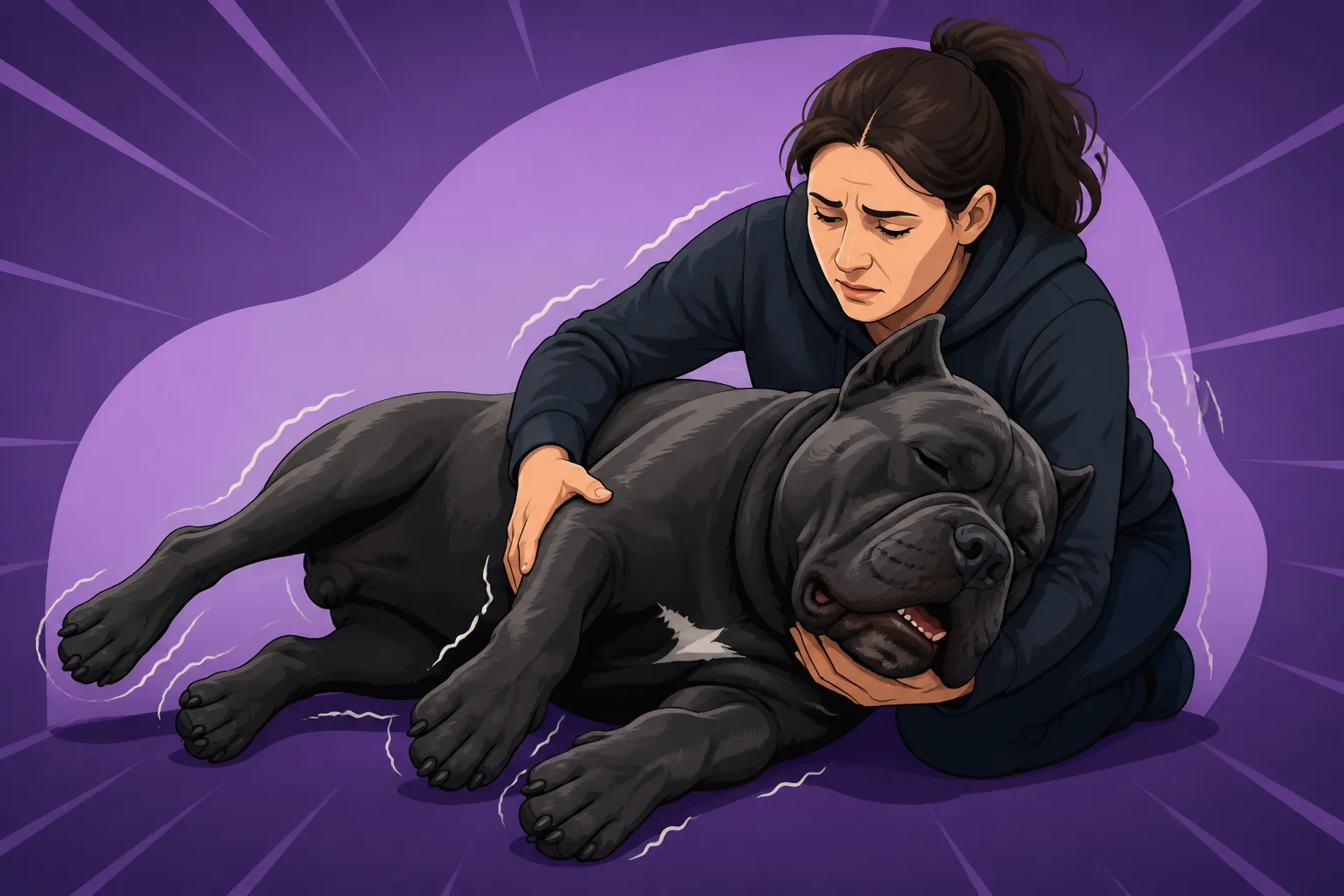
This is the most visually dramatic and often distressing part of the seizure – the ictal phase. For a hundred-pound Cane Corso, this phase can be incredibly powerful and frightening to witness. Typically, the dog will lose consciousness, collapsing to one side. Their body might become rigid, and then you'll likely see involuntary muscle contractions, often described as "paddling" of the legs, as if they're running in their sleep. Their jaw might clench, and they could drool excessively, sometimes frothing at the mouth. It's also common for them to involuntarily urinate or defecate during this time. The sheer force of a large dog thrashing can be dangerous, not just for them hitting their head on furniture, but also for anyone trying to intervene improperly. It’s crucial to remember that your dog is not aware of what is happening and cannot control their actions. The most important thing you can do during this phase is to ensure their safety from injury. While it feels like an eternity, most seizures in dogs last less than two to three minutes. If you're wondering what a Cane Corso's first seizure actually looks like, it often involves these dramatic, uncontrolled movements, which can catch any owner completely off guard.
The Post-Ictal Phase: Recovery and Disorientation
Once the violent thrashing subsides, your Cane Corso enters the post-ictal phase, a period of recovery that can be just as confusing and upsetting, though less physically dramatic. They might appear disoriented, confused, or even temporarily blind. Many dogs will pace aimlessly, bump into objects, or try to hide. Excessive thirst and hunger are common, as their body has expended a tremendous amount of energy. Some dogs become unusually clingy, while others might seem withdrawn or even aggressive due to their confusion. This phase can last anywhere from a few minutes to several hours, depending on the severity and duration of the seizure. Your Cane Corso will be trying to reorient themselves, and they need your calm presence and a quiet environment to recover. Don't be alarmed if they don't immediately recognize you or seem a bit "off" – this is a normal part of the neurological recovery. Patience and gentle guidance are key during this vulnerable time. Understanding these stages is vital for anyone holding a hundred pound Cane Corso through a seizure, allowing you to react appropriately at each step.
Safe Handling Techniques During a Seizure in a Large Dog
When a large dog like a Cane Corso is seizing, your primary goal is to ensure their immediate safety and your own, without interfering with the seizure itself. Panic is a natural reaction, but a clear head will serve both of you best.
Creating a Safe Space Immediately
The moment you realize your Cane Corso is having a seizure, your first priority should be to create a safe zone around them. A hundred-pound dog thrashing involuntarily has immense power, and they can easily injure themselves by hitting their head or limbs on hard surfaces. Quickly move any furniture, sharp objects, or anything that could fall and hurt them. If they're near stairs, a pool, or a busy road, try to gently slide a blanket or a large piece of cardboard under them to move them to a safer, flat area. You won't be able to physically pick up and move a seizing Cane Corso, so leverage is key. Placing blankets, pillows, or even your jacket around their head and body can provide crucial cushioning against impact. Remember, they are completely unconscious and oblivious to their surroundings, so don't worry about startling them. The objective is purely physical protection. Clearing the area not only protects your dog but also helps prevent you from getting accidentally struck as they move.
Monitoring Without Restraining
It's an instinct to want to comfort and hold your dog, but during the ictal phase, active restraint is incredibly dangerous for both you and your Cane Corso. A seizing dog can involuntarily bite down with tremendous force, potentially causing severe injury to hands or fingers if they are near the mouth. They can also injure their own muscles or bones if you try to hold them still against their involuntary movements. Instead, focus on monitoring them from a safe distance. Speak to them calmly and reassuringly – even if they can’t understand you, the familiar sound of your voice might be comforting during the post-ictal phase. Time the duration of the seizure, if possible. Note when it started and when the active thrashing stopped. This information, along with observing what a Cane Corso's first seizure actually looks like, will be incredibly valuable for your veterinarian to help rule out other causes in a seizing Cane Corso later on. Your role is that of a calm observer and protector, not a physical intervener during the actual convulsions.
Keeping Cool and Comfortable
Seizures are incredibly strenuous events, causing a dog's body temperature to rise rapidly. For a large, deep-chested breed like the Cane Corso, overheating can become a serious concern, especially if the seizure is prolonged or if there are multiple seizures in quick succession. After the active thrashing stops and they enter the post-ictal phase, or even during a longer seizure, you can help manage their body temperature. Gently place a cool, damp cloth on their paws, neck, or head. You can also direct a fan towards them. Avoid covering them with heavy blankets once the thrashing has subsided, as this can trap heat. Just ensure they are lying on a soft, comfortable surface. Keeping them in a quiet, dimly lit area can also aid in their recovery, as their senses might be overloaded and they will likely be very disoriented. Creating a calm environment helps prevent further stress and allows their body to begin regulating itself again.
Immediate Aftercare and When to Seek Veterinary Help
Once the active seizure has passed, the work isn't over. Your Cane Corso will need careful aftercare, and you'll need to know when a visit to the vet is absolutely critical.
Guiding Your Cane Corso Through Disorientation
After the intense physical and neurological event of a seizure, your Cane Corso will likely be deeply disoriented. They might wander, bump into things, or seem lost even in familiar surroundings. Your job is to gently guide them through this confusion, providing a sense of safety and routine. Offer them water once they are steady enough to drink without aspirating. Some dogs will be incredibly thirsty after a seizure. If they're hungry, offer a small, easily digestible meal. Create a quiet, calm space where they can rest and recover without excessive stimulation. Dim the lights, keep other pets away, and speak in soft, reassuring tones. Avoid loud noises or sudden movements that could startle them further. Patience is paramount here; it can take quite some time for their brain to fully recover and for their normal personality to return. Your unwavering, calm presence will be the biggest comfort to them during this vulnerable time.
Documenting the Event for Your Vet
Accurate information is gold for your veterinarian when dealing with seizures. After your Cane Corso has recovered somewhat, take the time to write down everything you remember about the event. This includes:
- Date and Time: When did the seizure start and end?
- Duration: How long did the active thrashing last?
- Type of Seizure: Was it full-body convulsion (grand mal), or more localized (focal)?
- Pre-Ictal Signs: Did you notice any subtle changes before it started?
- Post-Ictal Behavior: What was your Cane Corso like immediately after? (e.g., blind, pacing, hungry, aggressive?)
- Potential Triggers: Anything unusual happen before the seizure? (e.g., new food, loud noise, extreme heat, specific activity?)
- Frequency: Is this a single event, or part of a series (cluster seizures)?
Consider keeping a seizure diary. If it's safe to do so, a short video clip of the seizure (taken from a distance) can also be incredibly helpful for the vet, as it provides visual evidence of the type and intensity of the event. All this information will help your vet determine the best course of action, which could involve blood tests or further diagnostics to understand the underlying cause. When you’re dealing with the potential ongoing costs of diagnostics and medication, knowing that your pet insurance can help is a huge relief. Providers like Healthy Paws can often provide coverage for conditions like epilepsy once the waiting periods are met, which can significantly offset the financial burden of managing a seizure disorder. Getting a Cane Corso past eleven years old, especially with complex health conditions, means being prepared for these kinds of expenses.
When to Head to the Emergency Vet
While most seizures in dogs are self-limiting and resolve on their own, there are critical situations where immediate emergency veterinary attention is absolutely necessary. Knowing when a seizing Cane Corso needs the emergency vet can be life-saving. You should seek emergency care if:
- The seizure lasts longer than 5 minutes: This is considered "status epilepticus" and can lead to brain damage, overheating, and other life-threatening complications.
- Your Cane Corso experiences cluster seizures: This means two or more seizures within a 24-hour period, with the dog not fully recovering consciousness between episodes. This also poses a high risk.
- Your Cane Corso has difficulty breathing: If breathing becomes shallow, labored, or stops at any point.
- Your Cane Corso does not regain consciousness or appears severely unresponsive after the seizure: They should show some signs of coming around, even if disoriented.
- Your Cane Corso has a seizure and has never had one before, especially if they are over five years old: This could indicate a more serious underlying issue like a brain tumor or other metabolic problem.
Don't hesitate in these situations. Time is critical, and early intervention can make a huge difference in the outcome for your beloved companion. The vet will likely work to stop the seizure, stabilize your dog, and begin investigating the cause. Remember, sometimes The Seizures That Start in a Cane Corso Around Two are idiopathic, but other causes must be ruled out.
Living with a Seizure-Prone Cane Corso
Bringing a seizure-prone Cane Corso into your life is a significant commitment. It requires patience, diligence, and a deep understanding of their condition. It's not just about managing the seizures themselves but also about creating a lifestyle that supports their overall well-being.
Understanding Potential Triggers
While many cases of canine epilepsy are idiopathic (meaning no identifiable cause), some Cane Corsos may have specific triggers that can set off a seizure. Identifying these can be a long process, often involving close observation and collaboration with your vet. Common triggers can include:
- Stress or Excitement: Major life changes, new environments, or even over-excitement during play can sometimes lower a dog's seizure threshold.
- Environmental Factors: Loud noises, flashing lights, extreme temperatures, or certain smells might be problematic for some sensitive dogs.
- Medications or Vaccinations: While rare, some drugs or vaccines have been reported to trigger seizures in susceptible individuals. Always discuss your dog's seizure history with your vet before any new medication or vaccine.
- Dietary Factors: Although not common, some dogs may react to certain food ingredients, additives, or even a sudden change in diet.
- Sleep Deprivation: Irregular sleep patterns can sometimes contribute to seizure activity.
Your veterinarian might suggest Ruling Out Other Causes in a Seizing Cane Corso through various tests, which could include blood work, urinalysis, and sometimes even an MRI or spinal tap if a brain lesion is suspected. While it can be frustrating trying to pinpoint triggers, keeping a detailed seizure log can help you and your vet spot patterns that might otherwise go unnoticed.
Managing Daily Life and Medication
If your Cane Corso is diagnosed with epilepsy, the cornerstone of management will likely be daily medication. This means a lifelong commitment to consistency. Missing doses or giving them at irregular times can increase the risk of breakthrough seizures.
- Strict Medication Schedule: Administer medication at the same time every day, without fail. Set reminders on your phone if needed.
- Regular Vet Check-ups: Your vet will need to monitor your Cane Corso's blood levels of anti-seizure medication to ensure it's within the therapeutic range and to check for any potential side effects on organs like the liver or kidneys. This is especially important for Daily Medication for a Cane Corso With Epilepsy.
- Consistent Routine: Cane Corsos thrive on routine anyway, but for a seizure-prone dog, a predictable schedule for feeding, walks, and rest can help minimize stress and potential triggers.
- Safe Environment: Continue to make your home as safe as possible, particularly if your dog experiences unpredictable seizures. Use baby gates to block off stairs, move sharp furniture, and use soft bedding in their resting areas.
It's natural to worry Whether Seizure Medication Dulls a Cane Corso, as some medications can have sedative side effects, particularly when first starting or adjusting doses. However, most dogs adjust over time, and the goal is always to find the lowest effective dose that controls seizures while maintaining a good quality of life. The mental fortitude of the owner is just as important as the medical treatment.
Emotional Impact on Owners
Let's be real, witnessing your powerful Cane Corso have a seizure, especially a generalized grand mal, is an emotionally harrowing experience. The fear, helplessness, and sadness you feel are completely valid. It's a heavy burden to carry, knowing that at any moment, your dog could be plunged into a terrifying neurological event. You might constantly worry, especially when you leave them alone. It's vital to acknowledge these feelings and not shoulder them silently.
- Seek Support: Talk to your veterinarian, join online forums for owners of epileptic dogs, or connect with local Cane Corso clubs. Sharing experiences can be incredibly cathartic and provide practical advice.
- Self-Care: Don't forget to take care of yourself. The stress can be immense. Ensure you get enough rest and maintain your own well-being.
- Focus on Quality of Life: Remember that most epileptic dogs, with proper management, can still live long, happy, and fulfilling lives. Focus on the good days, the moments of joy, and the incredible bond you share.
- Financial Planning: The costs associated with diagnostics and ongoing medication can also be a source of stress. The Bill for a Cane Corso's Seizure Workup can be significant. This is where pet insurance, like a policy from Healthy Paws, can really make a difference. Many owners find peace of mind knowing that a portion of these potentially high veterinary expenses will be covered. Investing in a good plan early on can protect you from unexpected financial strain down the road and allow you to focus on your dog's care.
Understanding that you're not alone in this journey and finding ways to cope will make you a stronger advocate and companion for your seizure-prone Cane Corso. The love and dedication you show your dog during these challenging times are truly remarkable. It's important to remember that Whether an Epileptic Cane Corso Should Ever Be Bred is generally advised against, even if the seizures are controlled, to prevent passing on the genetic predisposition.
| Seizure Phase | Key Characteristics (Cane Corso) | Owner Actions | Vet Information to Note |
|---|---|---|---|
| Prodromal | Restlessness, clinginess, staring, drooling, hiding | Observe closely, prepare safe space, remain calm. | Any unusual behaviors noted before the seizure. |
| Ictal | Loss of consciousness, muscle rigidity, paddling, salivation, urination/defecation | Clear surroundings, cushion head/body, time the seizure, do not restrain. | Start time, end time, duration, type of movements, involuntary bodily functions. |
| Post-Ictal | Disorientation, temporary blindness, pacing, excessive thirst/hunger | Offer water, provide quiet comfort, gentle guidance, monitor closely. | Post-seizure behaviors (pacing, blindness, hunger), length of recovery, recognition of owner. |
Disclaimer
The information provided in this guide is for general educational purposes only and is not a substitute for professional veterinary advice. Always consult with a qualified veterinarian for any health concerns or before making any decisions related to your Cane Corso's medical care.