Whether a Cane Corso Is Prone to Lymphoma
One of the most heart-wrenching realities of sharing your life with a magnificent breed like the Cane Corso is the constant worry about their health, especially when it comes to serious illnesses. It's a heavy burden, and hearing about conditions like lymphoma can send any dedicated owner spiraling with "what ifs." This guide is here to cut through the fear and confusion, offering a deep dive into whether Cane Corsos are particularly prone to lymphoma, what signs to look for, and how to navigate a diagnosis should it ever arise.
Understanding Lymphoma in Cane Corsos
Lymphoma is a type of cancer that originates in the lymphocytes, which are a type of white blood cell crucial to the immune system. These cells are found throughout the body, particularly in the lymph nodes, spleen, bone marrow, and other organs. When lymphoma strikes, these lymphocytes grow abnormally and uncontrollably, leading to tumors or widespread infiltration of organs. It’s a complex disease, and for large breed dog owners, understanding its nuances is key to early detection and management.
What Exactly Is Lymphoma?
At its core, lymphoma is a cancer of the lymphatic system, a vast network that runs parallel to the circulatory system, carrying lymph fluid, nutrients, and waste material between the body tissues and the bloodstream. Lymphocytes are the primary warriors of this system, identifying and attacking foreign invaders. When these cells turn cancerous, they no longer perform their protective duties but instead proliferate and disrupt normal bodily functions. This can manifest in various ways, making it a tricky disease to pinpoint without veterinary expertise. It's not a single disease but rather a collection of different cancers, each with its own characteristics and potential impact on your beloved Cane Corso. Knowing that your dog’s immune system is under attack can be terrifying, but knowledge truly is power in these situations.
Why Cane Corsos Might Be at Risk
While lymphoma can affect any dog breed, certain breeds are recognized as having a higher predisposition. Giant breeds, in particular, often face a higher incidence of various cancers, and Cane Corsos, with their robust genetics and rapid growth patterns, are unfortunately not entirely exempt from this general trend. While there isn't a definitive scientific consensus specifically singling out Cane Corsos as uniquely predisposed to lymphoma compared to, say, Golden Retrievers or Boxers (which are often cited as high-risk breeds), their larger size and powerful immune systems may put them in a category where these diseases are a concern. Breeders striving for optimal health will often run various tests on their lines, but lymphoma is not typically a condition for which there is a simple genetic test like some other inherited diseases. Therefore, vigilance on the owner's part is paramount.
The exact reasons for breed predisposition are still being researched, but a combination of genetic factors, environmental influences, and even a dog's general immune system strength can play a role. For a Cane Corso, whose lineage is steeped in working and protection, maintaining a strong, balanced immune system through proper nutrition, exercise, and preventative care is always important. It's a reminder that while we can't control every genetic roll of the dice, we can certainly optimize their overall health to give them the best chance.
The Types of Lymphoma Affecting Dogs
Lymphoma in dogs is typically classified into four main types, based on where the cancer first appears and spreads:
-
Multicentric Lymphoma: This is by far the most common type, accounting for about 80-85% of all canine lymphoma cases. It primarily affects the lymph nodes, causing them to become noticeably enlarged. You might feel these swollen nodes under your Cane Corso's jaw, in their armpits, groin, or behind their knees. Dogs with multicentric lymphoma may show no other signs early on, making regular palpation of these areas crucial. As the disease progresses, it can spread to other organs, including the spleen, liver, and bone marrow, leading to more generalized symptoms.
-
Alimentary (Gastrointestinal) Lymphoma: This type affects the digestive system, including the stomach and intestines. Symptoms can be varied and often mimic common gastrointestinal upset, making diagnosis challenging initially. Owners might notice chronic vomiting, diarrhea, weight loss, loss of appetite, or general lethargy. Because Cane Corsos are already a deep-chested breed with particular digestive considerations, any persistent GI issues should be investigated thoroughly, especially if accompanied by other subtle changes.
-
Mediastinal Lymphoma: Less common than multicentric or alimentary, this form affects the lymph nodes within the chest (the mediastinum) or the thymus gland. Because these tumors are internal, they are not visible or palpable externally. Signs often relate to respiratory distress, such as coughing, difficulty breathing, or an accumulation of fluid in the chest cavity. Swelling of the face or front limbs can also occur if the tumor presses on major veins. This type can be particularly insidious because its symptoms might be mistaken for other respiratory ailments.
-
Extranodal Lymphoma: This is the least common type and involves lymphoma occurring in a specific organ that is not part of the primary lymphatic system. Common sites include the skin (cutaneous lymphoma), eyes, kidneys, central nervous system, or bone. Cutaneous lymphoma can manifest as red, flaky patches, nodules, or tumors on the skin or in the mouth, sometimes mistaken for skin allergies that flare on a Cane Corso. Lymphoma of the bone, while rare, can sometimes be misdiagnosed as Bone Cancer in a Cane Corso's Front Leg The varied presentation of extranodal lymphoma means vets need to keep it in mind when investigating unusual or persistent symptoms in any organ system.
Recognizing the Early Signs of Lymphoma
One of the biggest challenges with lymphoma, especially in its early stages, is that the symptoms can be vague or easily attributed to other, less serious conditions. This is where a Cane Corso owner's keen observation skills and regular health checks become invaluable. You know your dog best, and any deviation from their normal behavior or appearance warrants attention.
Subtle Symptoms Often Missed
Before obvious signs appear, your Cane Corso might show subtle changes that are easy to overlook or dismiss. These can include a general decline in energy, a slight decrease in appetite, or just seeming "off." They might not be as eager for their usual vigorous ninety minutes a day of exercise, or perhaps they start leaving a few kibbles in their bowl when they normally clean it. Gradual, unexplained weight loss, even if only a few pounds, can also be a quiet alarm bell.
It's tempting to think these are just signs of an aging dog, especially if your Cane Corso is getting to be The Age a Cane Corso Is Counted as Old, but they could be much more. A Cane Corso with lymphoma might also be more lethargic, sleeping more than usual, or showing less enthusiasm for play or walks. Don't underestimate these small shifts. Keeping a mental note or even a small journal of your dog's daily habits can help you spot patterns that indicate something isn't quite right.
Swollen Lymph Nodes and Where to Check
For multicentric lymphoma, enlarged lymph nodes are often the first and most noticeable sign. These nodes act as filters, and when they are working overtime due to infection or cancer, they can swell. Regular "petting exams" are crucial for your Cane Corso. Get into the habit of feeling these key areas:
- Under the Jaw (Submandibular nodes): Feel beneath the chin, along the sides of the jawbone. Normally, you might feel small, bean-sized nodes, but with lymphoma, they can swell to the size of grapes, walnuts, or even larger.
- In the Armpits (Axillary nodes): Gently feel in the "armpit" area where the front leg meets the chest.
- In the Groin (Inguinal nodes): Feel in the fold where the back leg meets the belly.
- Behind the Knees (Popliteal nodes): Feel on the back of the hind leg, just below the knee joint.
When healthy, these nodes are typically small, soft, and difficult to feel. If you notice any of these nodes are firm, noticeably enlarged, and feel like hard, rubbery lumps, it's a significant red flag that needs immediate veterinary attention. Unlike the painful swelling from an infection, cancerous lymph nodes are usually non-painful to the touch. This makes them easy to miss if you're not specifically looking. Regularly checking for The Lump That Appears Under a Cane Corso's Skin, especially in these lymphatic areas, can literally be a lifesaver.
Other Potential Indicators
Depending on the type of lymphoma, other symptoms can emerge:
- Gastrointestinal Issues: For alimentary lymphoma, persistent or recurring vomiting and diarrhea, changes in stool consistency, decreased appetite, and weight loss are common. Your Cane Corso might also show signs of abdominal discomfort or bloating. Since The Mealtime Habits That Turn a Cane Corso's Stomach are often carefully monitored by owners to prevent bloat, any consistent digestive upset beyond the usual should be taken seriously.
- Respiratory Problems: If your Cane Corso develops mediastinal lymphoma, you might observe coughing, difficulty breathing (dyspnea), increased respiratory rate, or even exercise intolerance. These symptoms can progress quickly, as the enlarged lymph nodes or thymus gland can compress the airways and lungs.
- Skin Lesions: Cutaneous lymphoma often appears as itchy, red, scaly patches, lumps, or ulcers on the skin, sometimes resembling skin allergies that flare on a Cane Corso. It can also affect the mucous membranes, appearing as lesions in the mouth or on the gums.
- General Malaise: Beyond lethargy, your Cane Corso might simply seem unwell. This could include a dull coat, pale gums, increased thirst, or increased urination. These non-specific signs, especially when combined with enlarged lymph nodes, point towards a systemic issue that needs immediate investigation.
| Symptom Category | Specific Signs to Look For in Your Cane Corso | Action Required |
|---|---|---|
| Enlarged Lymph Nodes | Firm, rubbery, non-painful lumps in the neck, armpits, groin, or behind the knees. | Immediate veterinary visit. |
| Behavioral Changes | Persistent lethargy, increased sleeping, reduced enthusiasm for activities. | Monitor closely; consult vet if persistent. |
| Appetite & Weight | Decreased appetite, unexplained weight loss, finicky eating habits. | Consult vet for evaluation. |
| Gastrointestinal | Chronic vomiting, diarrhea, changes in stool, abdominal discomfort. | Vet visit, especially if prolonged. |
| Respiratory | Coughing, difficulty breathing, increased respiratory rate, facial swelling. | Emergency vet if severe; otherwise, urgent vet visit. |
| Skin/Coat | Red, scaly patches, lumps on skin/mouth, dull coat. | Vet evaluation for skin conditions. |
Diagnosing and Staging Lymphoma in Your Cane Corso
If you've noticed any of the concerning signs mentioned, particularly swollen lymph nodes, the next critical step is a visit to your veterinarian. They will conduct a thorough examination and recommend diagnostic tests to determine the cause of your Cane Corso's symptoms. Early and accurate diagnosis is crucial for the best possible outcome.
The Initial Veterinary Examination
During the initial vet visit, your veterinarian will perform a comprehensive physical examination, paying close attention to any enlarged lymph nodes. They will palpate all accessible lymph nodes, check for any abnormalities in the abdomen (like an enlarged spleen, which can be seen in some cases of Spleen Tumors in an Older Cane Corso), listen to your Cane Corso's heart and lungs (checking for The Cardiac Exam Behind a Cane Corso's Clearance), and assess their overall body condition.
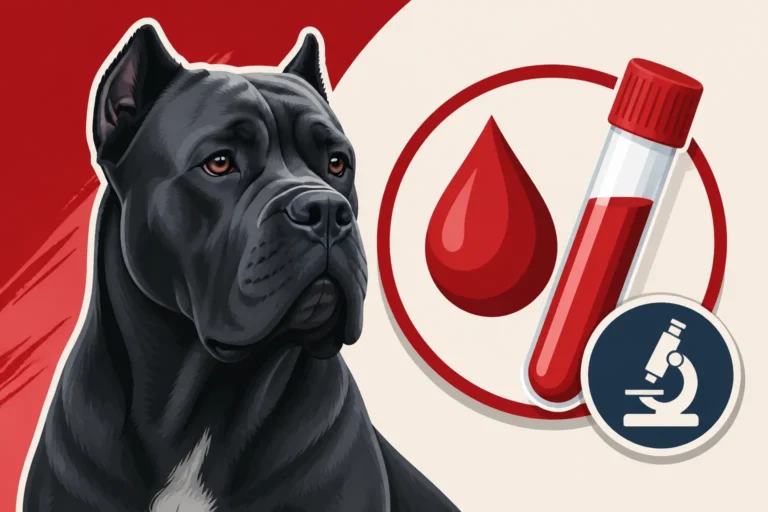
Blood work will almost certainly be recommended. A complete blood count (CBC) and biochemistry panel can provide insights into your Cane Corso's overall health, organ function, and whether there are any abnormal white blood cell counts that might suggest lymphoma or other underlying conditions. While blood work alone usually cannot diagnose lymphoma, it can provide supporting evidence and rule out other diseases, such as hypothyroidism in a middle aged Cane Corso, which might present with similar non-specific symptoms. Often, a Yearly Bloodwork on an Adult Cane Corso is recommended as a baseline for catching changes early.
Biopsy and Cytology Procedures
To definitively diagnose lymphoma, your veterinarian will need to examine cells from the suspicious lymph nodes or affected organs. This is typically done through one of two methods:
-
Fine Needle Aspiration (FNA) and Cytology: This is often the first step because it's minimally invasive. Your vet will insert a fine needle into the enlarged lymph node or mass and aspirate a small sample of cells. These cells are then spread onto a slide, stained, and examined under a microscope by a veterinary pathologist. The pathologist can often distinguish between reactive (infection-related) lymph nodes and cancerous ones. FNA is quick, usually requires no sedation, and provides rapid results. However, it doesn't always yield enough diagnostic material to confirm lymphoma or determine its specific type.
-
Biopsy and Histopathology: If the FNA is inconclusive or if a definitive diagnosis and subtyping are needed, a surgical biopsy may be performed. This involves surgically removing an entire lymph node or a piece of affected tissue. The tissue sample is then sent to a specialized lab for histopathology, where it is processed, thinly sliced, and examined by a pathologist. A biopsy provides more tissue, allowing for a more accurate diagnosis, classification of the lymphoma type (e.g., B-cell vs. T-cell), and grading (how aggressive the cancer appears). This information is critical for determining the most effective treatment plan and prognosis. While more invasive, it offers the most comprehensive diagnostic information.
Staging for Prognosis and Treatment Planning
Once lymphoma is diagnosed, the next crucial step is "staging" the cancer. Staging helps determine how far the cancer has spread throughout the body. This information is vital for predicting prognosis and deciding on the most appropriate treatment strategy. The most common staging system for canine lymphoma is the World Health Organization (WHO) system, which has five stages:
- Stage I: Involves only one lymph node or lymphatic organ.
- Stage II: Involves regional lymph nodes (e.g., all nodes in one specific area of the body).
- Stage III: Involves generalized lymph node involvement throughout the body.
- Stage IV: Involves the liver and/or spleen, with or without lymph node involvement.
- Stage V: Involves bone marrow, central nervous system, or other extranodal sites, with or without involvement of other organs.
Additionally, each stage is further classified as either 'a' (no systemic signs of illness) or 'b' (with systemic signs, such as fever, weight loss, or lethargy).
Staging typically involves further diagnostics, which may include:
- Chest X-rays: To check for enlarged mediastinal lymph nodes or lung involvement.
- Abdominal Ultrasound: To assess the liver, spleen, gastrointestinal tract, and abdominal lymph nodes.
- Bone Marrow Aspirate/Biopsy: To check for cancer cells in the bone marrow, especially for higher stages.
- Immunophenotyping: This is a special test performed on biopsy samples or sometimes on blood, which determines whether the lymphoma is B-cell or T-cell type. B-cell lymphomas generally have a better prognosis and respond better to chemotherapy than T-cell lymphomas.
The results of these tests give your veterinary oncologist a clear picture of the extent of the disease, allowing them to provide a more accurate prognosis and tailor a treatment plan specifically for your Cane Corso.
Treatment Options and Prognosis for Canine Lymphoma
Receiving a lymphoma diagnosis for your Cane Corso is devastating news, and the immediate question is often "What now?" The good news is that lymphoma is one of the most treatable cancers in veterinary medicine. While a cure is rare, remission and a good quality of life are often achievable.
Chemotherapy Protocols
Chemotherapy is the cornerstone of lymphoma treatment in dogs. Unlike human chemotherapy, which often aims for a cure at all costs, canine chemotherapy prioritizes maintaining a good quality of life for your pet, with fewer harsh side effects. The most common and effective protocol is a multi-agent chemotherapy regimen, often referred to as the CHOP protocol (Cyclophosphamide, Hydroxydaunorubicin (Doxorubicin), Oncovin (Vincristine), and Prednisone).
- The CHOP Protocol: This typically involves weekly treatments over 16 to 25 weeks, depending on the specific drugs and the individual dog's response. Each drug targets cancer cells at different stages of their life cycle, making the combination more effective. While side effects can occur, they are generally mild and manageable, often including temporary gastrointestinal upset (nausea, mild diarrhea) or a transient decrease in white blood cell count. Most dogs tolerate chemotherapy very well and continue to enjoy a good quality of life throughout treatment.
- Single-Agent Protocols: For owners who may not be able to commit to the intensive CHOP protocol, or for dogs that cannot tolerate it, single-agent therapies (like Prednisone alone or Doxorubicin alone) can be an option. However, these typically offer shorter remission times compared to multi-agent protocols. Prednisone, a steroid, can make dogs feel better quickly, reducing swelling in lymph nodes, but it's not a long-term solution on its own.
The goal of chemotherapy is to induce remission, meaning the cancer is no longer detectable. Remission times vary significantly depending on the type and stage of lymphoma, and how well your Cane Corso responds to treatment. For B-cell multicentric lymphoma treated with CHOP, median survival times can range from 10 to 14 months, with some dogs living much longer. Unfortunately, What Most Cane Corsos Actually Die Of often includes various cancers, and while lymphoma is treatable, it's a serious condition that requires dedicated care.
Supportive Care and Quality of Life
Beyond chemotherapy, supportive care is vital for maintaining your Cane Corso's comfort and quality of life during treatment. This includes:
- Pain Management: If the cancer is causing discomfort, appropriate pain medication will be prescribed.
- Anti-nausea Medication: To manage any gastrointestinal side effects from chemotherapy.
- Nutritional Support: Ensuring your Cane Corso maintains a healthy appetite and receives adequate nutrition is crucial. Sometimes dietary changes or appetite stimulants may be recommended. You might need to adjust The Daily Ration an Adult Cane Corso Actually Needs to suit their current health.
- Infection Prevention: Chemotherapy can temporarily lower white blood cell counts, making dogs more susceptible to infection. Your vet will monitor blood counts and may prescribe antibiotics if an infection develops.
- Emotional Support: Just as important as physical care is providing plenty of love, comfort, and a stable routine. Your Cane Corso relies on you for reassurance, especially during a challenging time.
Considering Palliative Care
For some Cane Corsos, chemotherapy might not be an option due to advanced disease, underlying health conditions, or owner preferences. In these cases, palliative care becomes the focus. Palliative care aims to manage symptoms and maximize comfort without attempting to cure the cancer. This can involve steroids like Prednisone to reduce swelling and improve appetite, pain medication, and supportive nutritional care. The goal is to ensure your Cane Corso can enjoy their remaining time with the best possible quality of life, focusing on their happiness and comfort. This is a difficult conversation to have, but your vet will guide you through the options, helping you make decisions that are best for your beloved companion.
Managing the Emotional and Financial Impact
A diagnosis of lymphoma in your Cane Corso is a journey that impacts not only your dog but you and your entire family. The emotional weight and the financial strain can be overwhelming, but understanding these aspects and knowing where to find support can make a significant difference.
Coping with a Difficult Diagnosis
When you hear the words "your Cane Corso has cancer," it's natural to feel a whirlwind of emotions: shock, sadness, anger, and fear. You might question if you missed something or blame yourself. It's crucial to acknowledge these feelings and give yourself permission to grieve. Your Cane Corso is a cherished family member, and this is a profound challenge.
Connect with others who have gone through similar experiences. Online forums, breed-specific groups, or local pet loss support groups can provide a safe space to share your fears, get advice, and find solace in a community that understands the unique bond you share with your dog. Remember, you are not alone in this. Focusing on maintaining your Cane Corso's happiness and comfort, and celebrating every good day, can help you cope through the process.
Navigating the Costs of Treatment
The financial burden of cancer treatment can be substantial. Chemotherapy protocols, diagnostic tests, hospitalizations, and supportive medications can quickly add up. A multi-agent chemotherapy regimen for lymphoma can range from several thousand dollars to well over ten thousand, depending on the specifics of the protocol, the duration of treatment, and the cost of veterinary care in your region.
This is where pet insurance can be an absolute lifesaver. Providers like Healthy Paws offer comprehensive coverage that can help significantly offset these unexpected, high veterinary costs. Many pet parents wish they had enrolled their Cane Corso in a pet insurance plan when they were younger and healthier, before any pre-existing conditions developed. Having a plan with Healthy Paws or similar providers in place can turn a devastating financial crisis into a manageable situation, allowing you to focus on your Cane Corso's health without the added stress of overwhelming bills. It’s always worth investigating if a plan could have saved you from difficult financial choices when faced with a diagnosis like lymphoma.
If you don't have pet insurance, or if your plan doesn't cover all costs, there are still options:
- Payment Plans: Many veterinary clinics offer payment plans or work with third-party financing options like CareCredit.
- Veterinary Charities: Organizations such as The Pet Fund, RedRover, and Canine Cancer Awareness may provide financial assistance to pet owners struggling with vet bills.
- Fundraising: Online crowdfunding platforms can be used to raise money for your Cane Corso's treatment.
Support Systems for Cane Corso Owners
Navigating a cancer diagnosis is a marathon, not a sprint. Leaning on your support system is vital. This includes:
- Your Veterinary Team: Your veterinarian and any veterinary oncologists will be your primary source of medical information and guidance. Don't hesitate to ask questions, no matter how small. They are there to support you through every step of the process.
- Friends and Family: Let loved ones know what you're going through. They can offer emotional support, help with transportation to vet appointments, or simply be there for a shoulder to cry on.
- Online Communities: As mentioned, connecting with other Cane Corso owners or general dog cancer support groups online can provide a wealth of shared experience and practical advice.
- Professional Counselors: If you find yourself struggling significantly with the emotional toll, a professional counselor or therapist specializing in pet bereavement can offer invaluable support.
Remember, your Cane Corso relies on your strength and commitment. By understanding the disease, seeking timely veterinary care, exploring all treatment options, and utilizing available support systems, you can ensure your beloved companion receives the best possible care, offering them the chance for more cherished time with you.
Disclaimer
The information provided in this article is for educational and informational purposes only, and does not constitute veterinary advice. Always consult with a qualified veterinarian for any health concerns or before making any decisions related to your Cane Corso's health or medical care.