Whether Cropping Changes How People See a Cane Corso
Bringing a magnificent Cane Corso into your home is an incredible journey, but it also means navigating a world full of opinions and preconceived notions. One of the most common points of discussion, and sometimes contention, revolves around their ears, specifically whether they are cropped or left natural. It’s a decision that can profoundly change not just how your dog looks, but how people react to them, and this guide is here to help you understand those reactions and how to navigate the public perception of your loyal companion.
The Historical Roots of Cropping and Its Evolution
To truly understand why some Cane Corsos have cropped ears and the perceptions that follow, we need to take a quick trip back in time to the breed's origins. Historically, the Cane Corso was a working dog, deeply embedded in the rural life of Southern Italy. They were formidable guardians of property, livestock, and families, and their jobs often involved confronting predators or unruly cattle. The Roman War Dog Behind the Cane Corso is a great resource to learn more about this.
Why Ears Were Cropped in the First Place
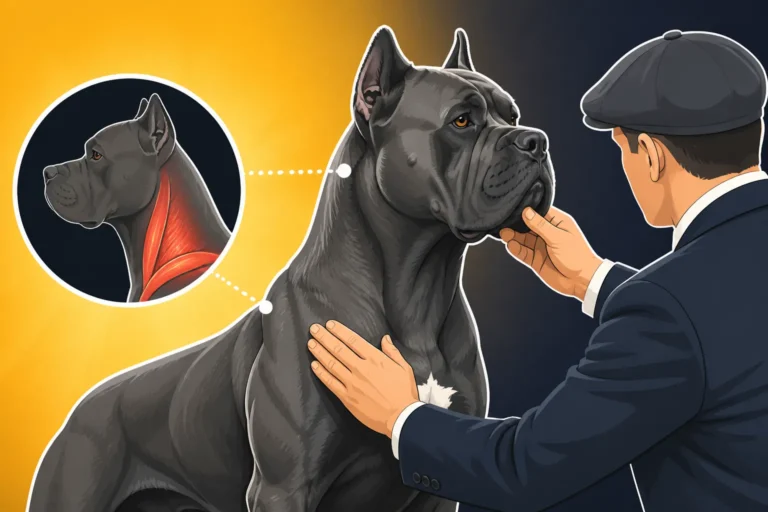
For these working dogs, ear cropping wasn't a fashion statement; it was a practical decision rooted in their function. Long, floppy ears could be easily torn or injured during conflicts with wild animals, livestock, or even during protection work. Imagine a Cane Corso wrestling with a boar or defending a flock from wolves – easily accessible ears become a liability. Cropping minimized this risk, preventing painful injuries and infections that could incapacitate a valuable working animal. It was about health and efficiency in a tough environment, a stark contrast to how it's often viewed today. This practice was deeply ingrained in the culture of owning such a powerful guardian breed.
The Shift from Function to Aesthetics
As the Cane Corso breed gained recognition and spread beyond its traditional working roles, particularly in the mid-20th century with enthusiasts like Paolo Breber working to revive the breed after near extinction, the practical necessity of cropping began to diminish for many owners. However, the look had become synonymous with the breed's identity. The upright, alert ears contributed to the breed's powerful and imposing silhouette, a look that many breeders and owners came to associate with the true Cane Corso. What the Standard Says a Cane Corso Should Look Like often subtly influences these aesthetic choices. The practice continued, driven now less by immediate functional need and more by tradition and the desire to maintain a "classic" or "breed standard" appearance, even if the dog's primary role was now a family companion. This shift is crucial when considering modern public perception, as the original "why" is often lost in translation.
Modern Society's Shifting Gaze: Cropped vs. Natural Ears
Today, the debate around ear cropping is far more contentious than it once was, especially in societies where the practice is viewed as unnecessary cosmetic surgery rather than a functional requirement. This difference in perspective can lead to vastly different interactions and assumptions about your dog, depending on whether their ears are cropped or left natural.
The "Aggressive" Stereotype
Let's be blunt: a cropped Cane Corso, with its powerful build and alert, upright ears, often projects a more "intimidating" or "fierce" image to the untrained eye. For many, this look immediately triggers stereotypes of aggression or danger, even if your dog is the gentlest giant imaginable. People might cross the street, pull their children closer, or give you a wide berth at the park. This isn't fair, of course, as a dog's temperament has absolutely nothing to do with its ear shape, but it's a very real perception you might encounter. This perceived aggression can even lead to issues like difficulty finding suitable Fencing That Actually Holds a Cane Corso because neighbors or landlords might fear the dog, regardless of its actual behavior.
Conversely, a Cane Corso with natural, floppy ears often appears softer, more approachable, and less "threatening" to the general public. While their sheer size still commands respect, the natural ears can significantly soften their overall expression, making them seem less "on guard" and more like a typical large family dog. This can lead to more positive interactions with strangers who might otherwise be wary. It’s a subtle difference in appearance that can profoundly alter that crucial first impression.
Navigating Public Spaces and Interactions
The perception of your Cane Corso can directly impact your experiences in public. If you frequent places like dog parks, pet supply stores (like Chewy), or even just your local walking trails, you might notice a difference in how people react.
A cropped Cane Corso might find other dog owners less willing to allow their dogs to interact, assuming your dog is inherently more dominant or unpredictable. You might overhear comments or feel judgmental stares. It can be frustrating when your well-behaved dog is unfairly judged. Similarly, landlords or insurance companies, especially those with breed-specific legislation, might categorize your dog more strictly if it presents with the "classic" cropped look, even though it's the breed itself, not the ear style, that's often on their lists.
On the other hand, a natural-eared Cane Corso might still face some scrutiny due to their size and breed reputation, but the initial barrier of the "intimidating" look is often reduced. People might be more inclined to ask about your dog, rather than simply avoiding it. This isn't to say a natural-eared Cane Corso won't still face challenges, especially since The Cane Corso's Reputation and the Laws Behind It can be a hurdle no matter what, but the ear style can definitely play a role in initial social dynamics.
Here’s a quick overview of how ear style might impact public perception in various scenarios:
| Scenario | Cropped Ears Perception | Natural Ears Perception |
|---|---|---|
| First Impression | More intimidating, serious, "guard dog" | Friendlier, softer, "family dog" |
| Dog Park Interaction | Other owners might be more wary or avoidant | More open to interaction, less immediate caution |
| Strangers Approaching | Tend to keep distance, avoid eye contact | More likely to ask to pet, engage in conversation |
| Housing/Insurance | May reinforce breed stereotypes, face more scrutiny | Still subject to breed restrictions, but potentially less initial fear |
| Veterinary Office | Viewed as a traditional breed, potential for "tough dog" attitude from staff | Often seen as more "gentle," softer demeanor |
An Owner's Perspective: Dealing with Public Reaction
Living with a Cane Corso, whether cropped or natural, means becoming an ambassador for the breed. The way people react to your dog can sometimes be exhausting, but understanding these dynamics can help you manage interactions and advocate for your companion.
The Emotional Toll of Judgment
It's tough when your beloved companion, whom you know to be a loyal, loving member of your family, is seen as something else entirely by strangers. For owners of cropped Cane Corsos, the judgment can feel personal. You might hear comments like "That's cruel," or "Why would you do that to your dog?" The assumption often is that you chose to crop solely for aesthetics, without any understanding of the historical context or the care that went into the procedure and aftercare. It can be frustrating, and frankly, a bit heartbreaking, to constantly defend your choices or your dog's character.
This constant need to explain or justify can make simple activities, like a walk around the block or a trip to Chewy for a new Chews That Survive a Cane Corso's Jaw, feel like a public performance. You might become more guarded or even anxious about taking your dog out, which isn't fair to either of you. It's a heavy burden that many owners of certain breeds, especially those with cropped ears, silently carry.
Educating and Advocating for Your Cane Corso
One of the most powerful tools you have is education. When approached respectfully, many people are genuinely curious and open to learning. You can explain that ear cropping, when performed legally and humanely by a licensed veterinarian (where still allowed), is often a tradition tied to the breed's working history, and that your dog's temperament is what truly defines them. You can show them how well-socialized and well-trained your Cane Corso is, regardless of ear style. The Socialization Window a Cane Corso Puppy Gets is vital for any Cane Corso, regardless of ear style, to ensure they grow into well-adjusted adults.
For some, simply demonstrating your dog's excellent behavior is enough. Showing how calm and obedient your Cane Corso is, how it interacts gently with children or other pets (if appropriate and safe), can speak volumes beyond any visual cues. Remember that your dog is a direct reflection of your care and training. By being a responsible owner and showcasing your Cane Corso's wonderful personality, you contribute positively to the breed's reputation.
Bridging the Gap: Understanding Intent Versus Perception
The disconnect between why an owner chooses to crop their Cane Corso's ears and how the public perceives it is significant. This gap is often where misunderstandings, judgment, and even fear take root.
The Owner's Intentions
For many Cane Corso owners who opt for cropping, the decision is deeply personal and often comes from a place of tradition, breed preservation, or a preference for the "classic" look they associate with the breed's heritage. A reputable breeder might also have preferences, and you might follow their lead, believing it aligns with the breed standard as laid out by organizations. For example, some might feel a cropped ear completes the powerful and noble appearance that a Cane Corso judge wants to see in show dogs. It’s rarely about making their dog look "mean" or "aggressive" on purpose; rather, it's about adhering to what they believe is the breed's historical and aesthetic ideal.
Some owners might also mistakenly believe that cropping prevents ear infections, although veterinary science does not broadly support this for all breeds; while some breeds with very heavy, floppy ears might benefit, it's not a universal health benefit for the Cane Corso. Others might feel it enhances their dog's protective appearance, even if they understand that true guardian ability comes from temperament and training, not physical alteration. What a Cane Corso Would Actually Do With an Intruder is far more about innate instinct and training than ear shape.
The Public's Interpretation
On the other side of the fence, the general public often lacks this historical context or understanding of breeder traditions. They see an animal with surgically altered ears and may immediately jump to conclusions about cruelty, vanity, or an owner's desire to cultivate a "dangerous" image. In an age where animal welfare is a growing concern, and many view cosmetic surgeries on pets as unethical, ear cropping becomes a visual symbol of something potentially problematic.
This interpretation can be reinforced by media portrayals of "tough" dogs in movies or news stories, where breeds like the Cane Corso might be depicted in a way that fuels negative stereotypes. The sight of a cropped Cane Corso, therefore, can evoke fear, anger, or pity from those who don't understand the nuance of the practice.
As an owner, you can't control everyone's initial reaction, but you can control how you respond and how you present your dog. By prioritizing excellent socialization, consistent training, and approachable demeanor, you can begin to chip away at these preconceived notions, one positive interaction at a time. Whether your Cane Corso has cropped or natural ears, their true character and your responsible ownership will ultimately be the most powerful message you send to the world. And don't forget to stock up on all your training necessities from places like Chewy to help reinforce that good behavior!
Disclaimer
This article is for general informational purposes only and does not constitute professional advice. Laws, prices and regulations vary by location and change over time. Consult a qualified professional for guidance on your specific situation.