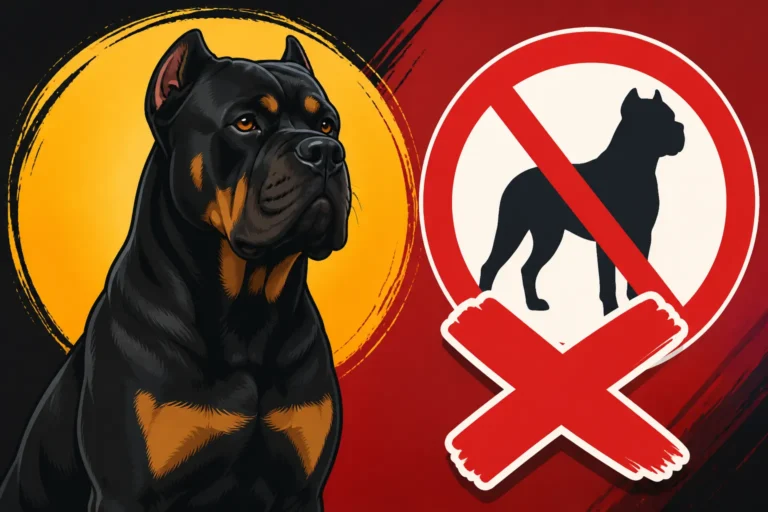
Which Crop Styles a Cane Corso Is Given
Bringing a Cane Corso puppy home is an exciting time, but as you navigate their unique care, you might quickly find yourself grappling with decisions that have aesthetic, practical, and even ethical implications. One of the most talked-about, and often misunderstood, aspects of the breed's appearance is ear cropping. Many new owners are completely overwhelmed by the different styles they see and aren't sure which is appropriate, or even what each one entails, leading to a lot of stress about making the right choice for their pup. This guide aims to clear up the confusion, walking you through the various ear crop styles given to Cane Corsos, what they look like, and what each choice truly means for you and your dog.
Understanding the Different Cane Corso Ear Crop Styles
When you look at Cane Corsos, you'll quickly notice that their ears can look dramatically different from one dog to another, even when they've both had their ears cropped. It's not a one-size-fits-all procedure; rather, there are several distinct styles, each with its own specific look and, often, a different intent behind it. These styles range from very long and elegant to quite short and functional, and understanding the nuances of each can help you appreciate the art and precision involved, or simply make an informed decision if you choose this path for your own dog.
The "Show Crop" or "Long Crop"
This is perhaps the most recognizable and, for many, the quintessential Cane Corso ear style. The "show crop," often referred to as a "long crop," aims for a refined, elongated look that complements the powerful lines of the Cane Corso's head and neck. The ears are trimmed to a significant length, typically about two-thirds to three-quarters of their natural length, and are designed to stand tall and alert, forming an inverted V-shape when viewed from the front.
Achieving a perfect show crop requires immense skill and artistry from the veterinarian. It's not just about cutting; it's about carefully shaping the cartilage to ensure a clean, elegant line and a strong, upright stand. Breeders who show their dogs often opt for this style, as it's the one most often seen in the conformation ring and aligns with traditional breed aesthetics. However, this beautiful look comes with a considerable commitment to aftercare, as these longer crops usually require the most extensive and prolonged "posting" period to train the ears to stand correctly. Without diligent posting, even a perfectly cut show crop can flop or develop an unsightly crease.
The "Pet Crop" or "Medium Crop"
For owners who appreciate the aesthetic of cropped ears but aren't necessarily focused on the show ring, the "pet crop" or "medium crop" offers a popular middle ground. This style is shorter than a show crop, often removing about half to two-thirds of the natural ear length. The goal is still for the ears to stand erect and give the dog an alert, confident appearance, but the overall look is less dramatic and perhaps a bit softer than a full show crop.
The medium crop can be a fantastic choice for families who want the traditional Cane Corso look without the intense commitment required for the show crop's posting process. While still requiring diligent aftercare, the shorter length can sometimes mean a slightly quicker or less demanding posting period, although consistency is always key. This style maintains the breed's distinct profile while potentially easing some of the aftercare burden, making it a common choice for companion dogs whose owners simply prefer the look.
The "Utility Crop" or "Working Crop"
The "utility crop," sometimes called a "working crop" or even a "short crop," is the least common style for companion Cane Corsos today, but it holds a significant place in the breed's history and its original working functions. In this style, the ears are trimmed very short, often leaving only a small nub or a very brief, sturdy length of ear. The primary purpose behind this crop was not aesthetic elegance but pure practicality.
Historically, Cane Corsos were working dogs, used for guarding livestock, property, and even for hunting large game like wild boar. Long, floppy ears could be easily grabbed by an attacking animal or torn in a confrontation, leading to injury and infection. A short utility crop minimized this risk, offering less for an aggressor to latch onto. While modern pet owners rarely face these specific working hazards, some choose this style for its historical significance or if they are involved in protection sports where minimizing injury is still a factor. The posting process for a utility crop is typically much shorter and less intensive than for longer styles, as there's less cartilage to train to stand, making it another practical consideration for those prioritizing ease of care after the initial surgery.
| Crop Style | Appearance | Primary Purpose | Aftercare Effort | Common Usage |
|---|---|---|---|---|
| Show Crop | Long, elegant, inverted V-shape, stands tall | Aesthetic, breed standard | High, prolonged posting | Conformation show dogs |
| Pet Crop | Medium length, stands upright, alert look | Balance of aesthetic & practicality | Moderate, consistent posting | Family companions |
| Utility Crop | Very short, minimal ear remaining, sturdy | Functional, injury prevention | Lower, shorter posting | Working dogs, historical |
Factors Influencing Your Choice of Crop Style
Deciding on an ear crop style for your Cane Corso isn't just about picking a picture you like from Instagram. There are several significant factors that owners need to carefully consider, ranging from breed standards to the sheer amount of time and effort you're willing to commit to the aftercare. Ignoring these considerations can lead to disappointment, frustration, and even health issues for your dog.
Show Standards and Breed Expectations
If you have aspirations of showing your Cane Corso in conformation events, then the breed standard and the expectations of judges will heavily influence your choice. For many years, the show crop has been the default and preferred style in venues like the American Kennel Club (AKC), emphasizing the breed's alert and noble expression. While the Whether the Cane Corso Standard Requires Cropped Ears is a complex topic, a show crop is widely considered to enhance the dog's appearance in the ring.
It's important to understand that while a traditional crop is often favored, attitudes are shifting, and regulations can vary. Some international kennel clubs or specific events may have different rules. For instance, in some countries, ear cropping is entirely prohibited, meaning that a cropped Cane Corso cannot compete there at all. This is something to research thoroughly, especially if you plan to travel or compete widely. Even within North America, while cropped ears are common, an uncropped Cane Corso can still be shown and can indeed win. Whether an Uncropped Cane Corso Can Win in the Ring often depends more on the dog's overall conformation and temperament than on its ear style alone, but the aesthetic preference for cropped ears in the Cane Corso breed is undeniable in many show circuits.
Aftercare and Recovery Commitment
Let's be brutally honest here: the initial surgery is only the beginning. The success of any ear crop, especially the longer styles, hinges almost entirely on the owner's commitment to the extensive aftercare process, particularly ear posting. This isn't a "set it and forget it" situation; it's a multi-week, sometimes multi-month, endeavor that requires dedication, patience, and a bit of a learning curve.
Longer crops, like the show crop, typically demand the most prolonged and meticulous posting. You'll be changing tape, cleaning ears, and reapplying supports every few days or weekly for months, sometimes up to a year, until the cartilage is strong enough to stand on its own. A medium crop might be slightly less demanding, and a utility crop often the quickest, but all cropped ears require diligent attention to stand correctly. If you're not prepared for this daily or weekly commitment, the ears might not stand properly, resulting in "floppy" cropped ears, which can be disheartening after the effort and expense. Beyond just posting, you'll need to monitor for signs of infection, irritation, or discomfort, ensuring your dog is comfortable during recovery. Stocking up on essential aftercare supplies, from specialized medical tape to gentle cleaning solutions, is crucial, and you can often find what you need on platforms like Chewy. The more committed you are to The Posting Routine After a Cane Corso Is Cropped, the better the chances of a successful outcome.
Personal Preference and Lifestyle
Ultimately, for many companion Cane Corsos, the choice of crop style comes down to personal preference and how it fits into your family's lifestyle. Do you prefer the striking, alert look of a show crop, or do you find the natural, floppy ears charming? Perhaps the historical significance of a utility crop appeals to you. Your dog's intended role can also play a part. A family companion might get a pet crop, while a dog involved in specific working activities might benefit from a shorter, more practical style.
It’s also crucial to consider the social aspect of cropped ears. While common in some breed circles, public perception varies widely. In many regions, ear cropping is seen as a purely cosmetic procedure, and some people may react negatively. Whether Cropping Changes How People See a Cane Corso is a very real consideration, and you might find yourself explaining your decision or educating others about the breed's history. Furthermore, you need to be aware of the legal landscape. As mentioned, some places, especially in Europe and parts of Canada, have banned ear cropping altogether, and importing or even traveling with a cropped dog to these areas can be problematic. Being aware of Countries Where a Cropped Cane Corso Cannot Be Shown or even enter legally is vital before making a decision.
The Veterinary Expertise Behind a Quality Crop
Getting a Cane Corso's ears cropped isn't like a routine vaccination. This procedure is a delicate surgery that requires a high level of surgical skill, an eye for aesthetics, and a deep understanding of the breed's anatomy. Choosing the right veterinarian is arguably the most critical step in the entire process. A poorly performed crop can lead to serious complications, an undesirable aesthetic outcome, and prolonged discomfort for your dog.
Finding an Experienced Cropping Veterinarian
This is not the time to go to just any vet. Ear cropping is a specialized procedure, and not all veterinarians offer it, nor should they. You need to find a vet who has extensive experience specifically with Cane Corsos and other large-breed, erect-eared dogs. These vets are often recommended by reputable Cane Corso breeders or enthusiasts, as they have a proven track record of successful outcomes. Don't be shy about asking to see photos of their previous work on Cane Corsos. A good cropping vet will have a portfolio and be proud to show it off. They should also be able to clearly explain the different styles and help you choose one that is appropriate for your dog's head shape and your lifestyle.
It's also essential to confirm that the veterinarian is licensed and that the procedure will be performed under general anesthesia with proper pain management protocols in place. This is a painful surgery, and ensuring your dog's comfort before, during, and after is paramount. Discuss their pre-operative blood work requirements, the anesthesia monitoring they use, and their post-operative pain relief plan. Where Cropping a Cane Corso Requires a Licensed Vet is an important question, as some jurisdictions have specific regulations about who can perform such procedures. A skilled cropping vet will ensure the best possible surgical outcome and minimize risks to your beloved Cane Corso.
The Cropping Procedure and Immediate Aftercare
Once you've chosen your vet, the actual cropping procedure typically involves your Cane Corso being put under general anesthesia. The veterinarian will then carefully measure and cut the ear leather according to the chosen style, using sterile instruments. The edges are then meticulously sutured. This precision is what creates the clean lines and sets the stage for the ears to stand properly.
After the surgery, your dog will wake up with their ears bandaged, often with a protective cup or wrap to prevent them from damaging the fresh sutures. Your vet will provide you with detailed instructions for immediate aftercare, which will include pain medication, antibiotics to prevent infection, and usually an Elizabethan collar (e-collar) to stop your dog from scratching or rubbing their ears. You'll need to keep the incision sites clean and dry, which means avoiding baths and muddy play for a while. The initial bandages are usually changed by the vet within a few days to a week. This stage is crucial for proper healing. You'll want to have a comfortable, quiet space for your dog to recover, and many owners ensure they have a good supply of enrichment toys and soft bedding, which can easily be found on a site like Chewy, to keep their dog occupied and relaxed during this sensitive period. The total cost of aftercare can be substantial, so understanding all aspects of recovery, both medical and practical, is important.
Living with Cropped Ears: Beyond the Initial Weeks
The decision to crop your Cane Corso's ears extends far beyond the surgical table and the initial recovery. It introduces a new dimension to their daily care and how they interact with the world. Preparing for this long-term commitment is just as important as selecting the right vet and crop style.
The Ongoing Posting Process
This is where the real dedication kicks in. Once the initial sutures are removed and the ears are healed, the posting process begins. This involves taping the ears to support them in an upright position, allowing the cartilage to strengthen and "learn" to stand. The exact method can vary, but it often involves backer rod, tape, and sometimes a bridge between the ears. You'll need to learn how to do this correctly, as improper posting can cause skin irritation, restrict blood flow, or even lead to ear damage. Your vet or experienced breeders will usually demonstrate the technique, and there are many online tutorials, but hands-on practice is best.
The ears must be regularly cleaned, checked for any signs of irritation or infection, and then re-posted. This could be every 3-7 days, depending on your dog and the condition of the ears. This routine continues for weeks to months, sometimes as long as How Long a Cane Corso's Ears Stay Taped up to a year or even more for very long crops or stubborn ears. Consistency is absolutely critical; skipping posting days can undo weeks of progress. You'll also need to have a constant supply of materials. Items like specific types of medical tape, cotton balls, and gentle cleansers are everyday necessities for this period, and many owners appreciate the convenience of ordering these regular-use supplies through online retailers like Chewy.
Potential Complications and What to Watch For
Even with the best vet and diligent aftercare, complications can arise. Infections are a primary concern, particularly during the initial healing and posting phases. You'll need to regularly perform The Weekly Ear Check a Cane Corso Owner Should Do, looking for redness, swelling, unusual discharge, or a foul odor around the ear canal or incision sites. If you notice any of these, contact your vet immediately. It's also possible for the ears to become irritated or raw from the tape, especially if not applied correctly or if left on too long.
Other issues can include poor healing, a lack of blood flow leading to tissue death, or, most commonly, ears that don't stand properly. Sometimes, one ear might stand while the other remains stubborn, or both might flop forward, backward, or crease. This can be due to insufficient posting, thin cartilage, or scar tissue. While many issues can be resolved with persistent posting or veterinary intervention, some may require further veterinary treatment. For example, knowing What Collects in a Cropped Cane Corso's Ear during posting can help you prevent yeast or bacterial buildup by cleaning correctly.
Perceptions and Public Interaction
Living with a cropped Cane Corso also means navigating public perception. In many parts of the world, ear cropping is a contentious issue, seen as unnecessary or cruel by some. You might encounter questions, stares, or even negative comments from strangers. It's important to be prepared for this and decide how you want to respond.
Many Cane Corso owners use these interactions as an opportunity to educate others about the breed's history as a working dog and the reasons behind traditional cropping, while also emphasizing that it's a personal choice made with veterinary guidance. Being a responsible and well-behaved Cane Corso in public can go a long way in shaping positive perceptions, regardless of ear style. Ultimately, your relationship with your dog and their health and well-being are what truly matter.
Disclaimer
This article is for general informational purposes only and does not constitute professional advice. Laws, prices and regulations vary by location and change over time. Consult a qualified professional for guidance on your specific situation.