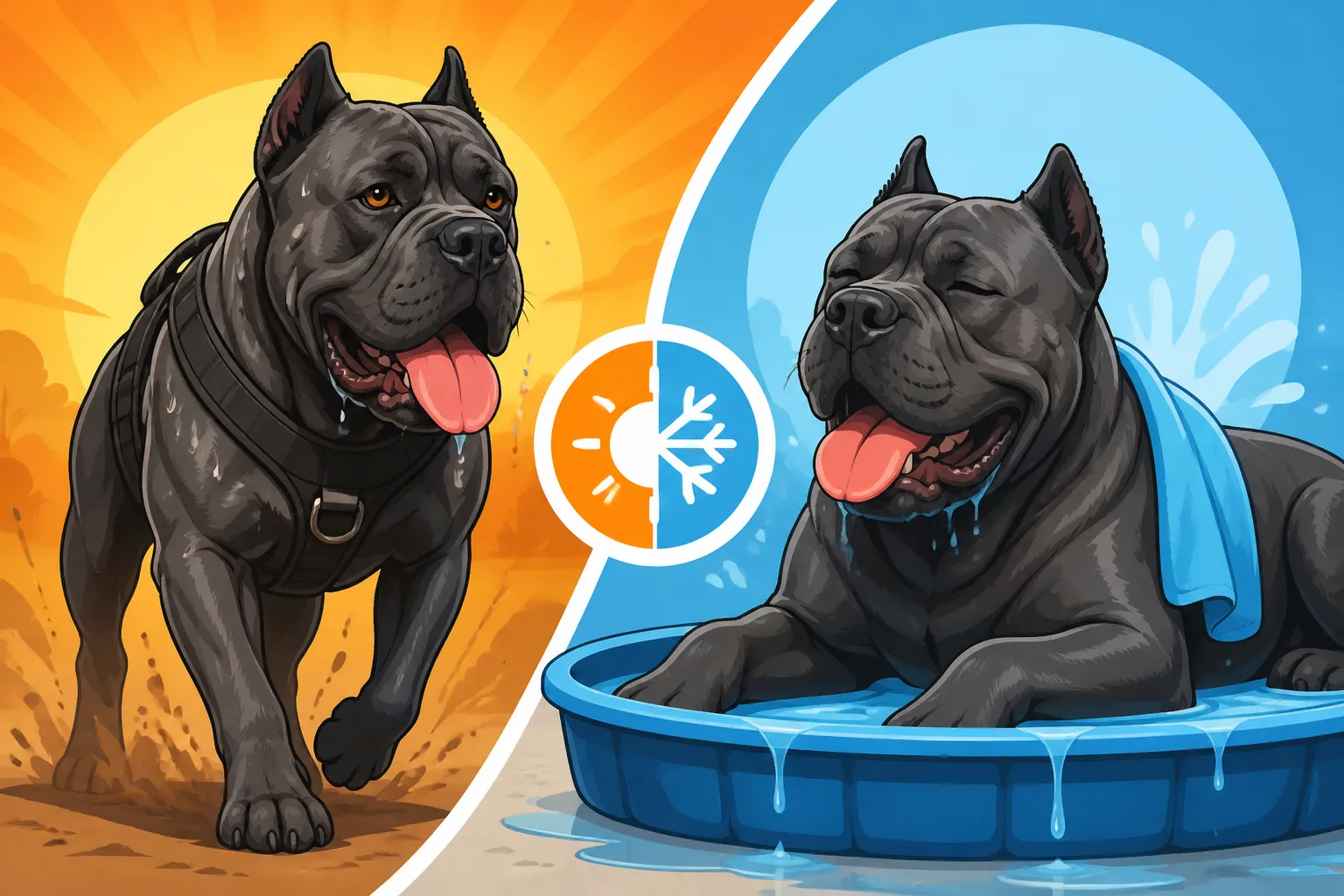
Cooling a Cane Corso After Hard Work
It's a common scenario: you’ve been out with your powerful Cane Corso, maybe on a long walk, a training session, or even just some enthusiastic play in the yard, and you notice them panting harder than usual, perhaps even looking a little wobbly. The worry quickly sets in. Our massive, deep-chested companions, while incredibly resilient, are also susceptible to overheating, especially after intense activity. This guide is here to walk you through exactly how to safely and effectively cool down your Cane Corso when they've worked up too much heat, and crucially, how to prevent it from happening in the first place.
Recognizing the Early Warning Signs of Overheating
Before you can cool your Cane Corso down, you have to recognize when they need cooling. It's not always obvious, especially with their stoic nature. You might think they're just "being a dog" after a good run, but what seems like normal heavy panting can quickly escalate into something much more serious. Learning to read their body language and physical cues is absolutely vital for their safety.
Subtle Cues Before Things Get Serious
These are the signals that tell you your Cane Corso is working too hard or getting too warm, but isn't yet in a full-blown emergency. Catching these early signs gives you the best chance to intervene before things turn critical. Think of them as your early warning system.
- Excessive Panting, Even at Rest: While some panting is normal after exercise, if your Cane Corso is still panting heavily several minutes after stopping activity, or if the panting seems more labored than usual, take note. It's often accompanied by a wide-open mouth and a tongue that appears very broad and perhaps darker red than normal.
- Seeking Shade or Cooler Spots: If your dog suddenly abandons play to lie down in the coolest, shadiest patch of grass, or tries to sprawl on a tile floor indoors, they're instinctively trying to regulate their temperature. This isn't just a sign of being tired; it's a sign they're actively trying to cool off.
- Reduced Enthusiasm or Slowing Down: A Cane Corso is usually ready for action, but if they suddenly lose interest in their favorite ball or lag behind on a walk where they'd normally be charging ahead, it's a red flag. They might seem less responsive to commands or generally a bit 'off'.
- Dry Gums or Sticky Saliva: Check their gums. If they feel tacky or dry, it's a sign of dehydration, which goes hand-in-hand with overheating. Their saliva might also appear thicker or more viscous than usual, perhaps even foamy around the mouth. This isn't just about thirst; it's a critical indicator of their internal state.
Urgent Symptoms Demanding Immediate Action
These are the signs that indicate your Cane Corso is moving past overheating into dangerous territory, potentially heat stroke. This is a medical emergency, and you need to act fast. Heat Stroke in a Working Cane Corso can be fatal if not addressed immediately.
- Disoriented or Stumbling Gait: Your dog might seem confused, lose coordination, or stumble as if drunk. Their legs might give out, or they could have trouble standing up. This is a sign their brain is being affected by the elevated core temperature.
- Bright Red or Pale Gums: While early signs might show slightly darker gums, as overheating progresses, gums can become extremely bright red or even pale/bluish in severe cases due to circulatory issues. This indicates a serious problem with blood flow and oxygenation.
- Vomiting and Diarrhea (possibly bloody): As the internal organs start to shut down due to extreme heat, gastrointestinal upset is common. The presence of blood in vomit or diarrhea makes it even more critical, signaling damage to the intestinal lining.
- Seizures or Collapse: This is the most severe and unmistakable sign of heat stroke. If your Cane Corso collapses, has a seizure, or loses consciousness, their life is in immediate danger. You must initiate emergency cooling and get to a vet right away.
- Rapid Heart Rate and Difficulty Breathing: Place your hand on their chest. A heart rate that feels like a drum solo, coupled with shallow, rapid breathing or gasping, means their body is in distress. Their deep chests can make respiratory issues even more pronounced when stressed.
Immediate and Effective Cooling Strategies
Once you've identified that your Cane Corso is overheating, every second counts. Your actions in the next few minutes can genuinely be life-saving. Don't panic, but act with purpose and speed. Remember, the goal is to gradually lower their core temperature, not to shock their system with extreme cold.
Moving to a Cooler Environment
The very first thing you need to do is get your Cane Corso out of the heat source immediately. This might seem obvious, but it's often overlooked in the panic of the moment.
- Seek Shade, Indoors, or an Air-Conditioned Space: If you're outside, move your dog under a large tree, an awning, or into your vehicle with the air conditioning blasting. Ideally, get them into an air-conditioned building. The cooler air around them will help dissipate heat from their body.
- Avoid Confined, Hot Spaces: Never leave an overheating dog in a car, even with windows cracked. The temperature inside can rise rapidly to dangerous levels, especially for a large, dark-coated dog. Why a Black Cane Corso Overheats First is a real concern, as darker coats absorb more radiant heat.
- Use a Fan if Available: If you have access to a fan, direct it towards your Cane Corso. The moving air will help evaporate moisture from their skin and respiratory tract, aiding in cooling. Even a small hand-held fan can make a difference if pointed at their belly or groin.
Strategic Water Application and Airflow
This is where you directly intervene to lower their body temperature. The key word here is cool, not ice cold. Using ice water can cause blood vessels to constrict, which traps heat inside the body and can make the situation worse, not to mention potentially causing shock.
- Wet Them Down with Cool Water: Focus on areas where blood vessels are close to the surface, such as the belly, groin, paw pads, and armpits. You can use a hose on a gentle setting, wet towels, or even just pour bottles of cool water over them. The Temperature a Black Cane Corso Should Not Walk In applies here – if it's too hot for them to walk, it's certainly too hot to recover without help.
- Real-life Scenario: I once had a client whose Cane Corso, Maximus, got too enthusiastic chasing squirrels on a hot day. He started panting uncontrollably. We immediately moved him to the shade, then used a spray bottle filled with cool (not cold) tap water to mist his belly and inner thighs, and wet down his paw pads with a wet cloth. The combination was visibly effective in bringing down his distress.
- Place Wet Towels on Key Areas: Drape cool, wet towels over their neck, chest, and between their legs. Change these towels frequently as they warm up. The evaporation of water from the towels helps draw heat away from the body.
- Elevate Paws (Optional but helpful): If possible, gently elevate their front paws slightly. This isn't directly for cooling but can help with circulation and comfort if they're struggling to breathe.
- Avoid Covering Their Back Heavily: While wetting their entire body is fine, avoid wrapping them tightly in a thick, wet blanket over their back, as this can trap heat. The goal is open exposure to air for evaporation.
Encouraging Hydration and Replenishment
Water is essential, but how you offer it matters. An overheating dog might drink too quickly, which can be dangerous, especially for a deep-chested breed like a Cane Corso, due to the risk of bloat.
- Offer Small Amounts of Cool Water: Don't let them gulp down a huge bowl of water. Offer small, controlled amounts every few minutes. A few laps, then a break. This prevents them from drinking too much too fast. If they're struggling to drink, you can gently wipe cool water on their gums.
- Avoid Forcing Water: Never force water into a dog's mouth if they are disoriented or unconscious, as they could aspirate it into their lungs.
- Consider Electrolyte Solutions (Vet-Approved): If you have a vet-approved electrolyte solution specifically for dogs, you can offer small amounts. However, plain cool water is usually sufficient and safer for immediate first aid. For general hydration during warmer months, you can even find electrolyte-enhanced water at pet stores or online, perhaps through a retailer like Chewy, to ensure they're always well-hydrated.
- High-Moisture Food Later: Once your Cane Corso has cooled down and is no longer showing urgent symptoms, a high-moisture food can help with rehydration. Brands like Ollie offer fresh, human-grade food that is naturally rich in moisture, which can be a great way to sneak in extra fluids once they're stable. Just make sure they're completely settled before offering food.
Proactive Measures to Prevent Overheating
The best way to cool down an overheated Cane Corso is to prevent them from overheating in the first place. With a powerful, active breed like the Cane Corso, being prepared and mindful of their limits is crucial.
Smart Exercise Planning and Hydration Routines
Planning your activities around the weather and your dog's individual tolerance is key. The Safe Hours to Walk a Cane Corso in August are often the early morning or late evening when the sun is not at its peak.
- Timing Your Workouts: Avoid exercising your Cane Corso during the hottest parts of the day, typically between 10 AM and 4 PM. Early morning or late evening are much safer. Even on cooler days, direct sun can be intense.
- Short, Frequent Bursts of Activity: Instead of one long, intense session, consider several shorter, less strenuous playtimes throughout the day, especially if it's warm. A twenty-minute sniff walk is often more beneficial in the heat than a demanding fetch session.
- Hydration Before, During, and After: Always carry water for your Cane Corso, even on short walks. Offer water breaks every 15-20 minutes during activity. Consider bringing a portable water bottle and collapsible bowl. Having an extra large water bowl always full at home, perhaps a sturdy stainless steel one available on Amazon, ensures they can drink freely indoors. Whether a Cane Corso Drinks Too Fast can be a concern, so monitoring their intake is still wise, even for preventative sips.
- Know Your Dog's Limits: Every dog is different. A young, fit Cane Corso might tolerate more than an older one or a puppy. Pay attention to their energy levels, breed-specific needs, and coat color. Remember, What Changes in a Cane Corso After Its Eighth Birthday often includes a decreased tolerance for strenuous exercise and heat.
Utilizing Cooling Gear and Supportive Nutrition
There's a fantastic array of products available today designed to keep dogs cool, and your Cane Corso can definitely benefit from them.
- Cooling Vests and Bandanas: These products are soaked in water and use evaporative cooling to draw heat away from your dog's body. They can be incredibly effective for long walks or outdoor training sessions. Look for options on Chewy or Amazon that are sized appropriately for a large breed like a Cane Corso.
- Cooling Mats: For use indoors or in a crate, cooling mats provide a cool surface for your dog to lie on. Some use gel that activates with pressure, others are water-filled. They give your dog a dedicated spot to reduce their body temperature.
- Shade Structures and Dog Pools: If your Cane Corso spends time outdoors, ensure they always have access to ample shade, whether from trees, an umbrella, or a sturdy canopy. A shallow kiddie pool can also be a fantastic way for them to cool off their paws and belly on a hot day.
- Diet and Weight Management: A lean Cane Corso will handle heat better than an overweight one. Excess body fat acts as insulation, trapping heat. Ensure your dog is on an appropriate diet to maintain a healthy weight. The Daily Ration an Adult Cane Corso Actually Needs should always be considered in conjunction with their activity level and the ambient temperature.
| Cooling Gear Type | How It Works | Best Use Case | Considerations |
|---|---|---|---|
| Cooling Vest | Evaporative cooling from wet fabric | Walks, outdoor training, yard play | Needs to be re-wet periodically; proper fit is crucial |
| Cooling Bandana | Evaporative cooling around neck's major arteries | Quick relief, mild activity | Less overall cooling than a vest; good for quick temperature moderation |
| Cooling Mat (Gel/Water) | Provides a cool surface to lie on | Indoor resting, crate, car travel | Can puncture; some dogs chew; check weight limits for a Cane Corso |
| Portable Fan | Increases airflow for evaporative cooling | Crate, car, immediate relief after activity | Needs power source or batteries; not as effective without water application |
| Kiddie Pool | Allows dog to wade and cool paws/belly | Backyard play, active cooling | Must be supervised; keeps water clean; not all dogs enjoy water |
Conditioning and Acclimation to Heat
Just like human athletes, dogs need to be conditioned to handle different environmental stressors.
- Gradual Acclimation: If you're heading into a warmer season or moving to a hotter climate, gradually expose your Cane Corso to the heat over several weeks. Start with shorter, less intense walks and slowly increase duration and intensity as they adapt.
- Consistent Hydration: Ensure your Cane Corso always has access to fresh water. Constant, proper hydration throughout the day, not just during exercise, is foundational for heat tolerance.
- Don't Push Them: If your Cane Corso is struggling, stop. Don't push them to finish a walk or a training session. Their health is paramount. It’s better to cut an activity short than risk their well-being.
- Consider a Preventive Gastropexy: While primarily to prevent Bloat and What a Cane Corso's Deep Chest Costs, a gastropexy can offer peace of mind if your dog is prone to fast eating or drinking, which can be exacerbated during and after intense work, reducing one major risk factor during high-stress situations. The Case for Tacking Every Cane Corso's Stomach is a conversation many Cane Corso owners have with their vets.
When the Situation Calls for Professional Veterinary Help
Sometimes, despite your best efforts at immediate cooling, your Cane Corso might not improve, or they might present with severe symptoms from the start. Knowing when to escalate to professional help is critical.
Identifying a True Canine Emergency
If your Cane Corso exhibits any of the urgent symptoms mentioned earlier (stumbling, collapse, seizures, severe vomiting/diarrhea, bright red/pale gums that don't quickly return to normal, or a very rapid, irregular heartbeat), it's no longer something you can manage at home.
- Don't Delay: Time is absolutely of the essence with heat stroke. Brain damage, organ failure, and even death can occur very quickly if the core body temperature remains elevated for too long. Call your vet or the nearest emergency veterinary clinic while you are still cooling your dog. Tell them you are on your way with a suspected heat stroke victim so they can prepare for your arrival.
- Continue Cooling During Transport: Even as you're driving to the vet, continue your cooling efforts. Keep the air conditioning on full blast in the car, and keep wet towels on their body, changing them if they become warm. You might even have a portable battery-operated fan to direct at them.
- Monitor Rectal Temperature (if you have a thermometer): If you have a reliable rectal thermometer, taking your dog's temperature can provide valuable information for the vet. A temperature above 104°F (40°C) is a serious concern, and anything above 106°F (41°C) is extremely dangerous. Stop cooling when their temperature drops to about 103°F (39.4°C) to prevent over-cooling.
What to Expect During a Vet Visit for Heat Stress
When you arrive at the clinic, the veterinary team will immediately take over the cooling process and assess your Cane Corso's condition.
- Aggressive Cooling: Vets will often use IV fluids, cool enemas, and sometimes even lavage (flushing) with cool water to bring down the core temperature. They might also apply ice packs to major arteries in the groin and armpits, but always under strict veterinary supervision to avoid complications.
- Monitoring and Supportive Care: Your Cane Corso will be closely monitored for vital signs, including heart rate, respiration, and blood pressure. Blood tests will likely be run to check for organ damage (kidneys, liver) and clotting issues, which are common complications of heat stroke. They may receive medications to address shock, nausea, or potential seizures.
- Potential for Complications: Even if your dog's temperature comes down, they may still face complications like kidney failure, liver damage, disseminated intravascular coagulation (DIC), or brain swelling. This is why continued monitoring and supportive care in a veterinary setting are so important.
- Longer Recovery: Recovery from heat stroke can be a long and challenging road, even for a robust breed like a Cane Corso. They may need several days of hospitalization and potentially ongoing care. Anesthesia Risk in a Deep Chested Cane Corso is something the vet team will be keenly aware of if further interventions are needed, as stressed organs can complicate things.
Understanding how to cool your Cane Corso after hard work, and more importantly, how to prevent them from overheating, is a vital part of responsible ownership for these magnificent dogs. Stay vigilant, stay prepared, and always prioritize your Cane Corso's comfort and safety, especially when the mercury rises.
Disclaimer
This article is for general informational purposes only and does not constitute professional advice. Laws, prices and regulations vary by location and change over time. Consult a qualified professional for guidance on your specific situation.