Teaching a Cane Corso to Accept a Toothbrush Early
Trying to brush a Cane Corso's teeth can feel like wrestling a small bear, especially if you haven't laid the groundwork early. Many of us dread the thought, knowing how powerful their jaws are and how sensitive some dogs can be about their mouths. This guide will walk you through teaching your Cane Corso puppy to not just tolerate, but genuinely accept, a toothbrush, turning what could be a battle into a bonding experience that safeguards their health for years to come.
Why Dental Health is Non-Negotiable for Your Cane Corso
It's easy to overlook dental care when your Cane Corso seems perfectly healthy, especially with all the other demands of raising a giant breed. But neglecting those pearly whites can lead to far more serious issues than just bad breath. For a breed as robust and long-lived as the Cane Corso, consistent dental hygiene is a cornerstone of their overall well-being.
The Silent Threat of Periodontal Disease
Periodontal disease is the most common clinical condition in adult dogs, and our big, strong Cane Corsos are no exception. It starts subtly, with plaque hardening into tartar on the tooth surface. This tartar irritates the gums, leading to gingivitis – inflammation and redness. If left unchecked, it progresses to full-blown periodontal disease, where the gums recede, bone is lost, and teeth become loose or infected. Imagine the discomfort this causes your dog, silently, day in and day out. They can't tell us their mouth hurts, so we have to be vigilant.
This isn't just about discomfort; the bacteria from severe dental disease can enter the bloodstream and impact vital organs like the heart, kidneys, and liver. What starts as a little plaque can evolve into systemic health problems, potentially shortening your beloved companion's life or leading to expensive veterinary interventions. Many owners are shocked to learn how much their dog's oral health influences their entire body. It's truly a silent killer, and it's completely preventable with proper care. You might even find yourself facing significant vet bills down the line if you neglect this crucial aspect of their health. The Dental Bill on a Cane Corso With Retained Teeth can be substantial, so prevention is key.
Why Starting Young Makes All the Difference
You might think, "My puppy's teeth are fine, they're so new!" And you'd be right, for now. But just like with people, habits formed early stick the best. A Cane Corso puppy is much more pliable and open to new experiences than an adolescent or adult dog who might already have negative associations with mouth handling or who has developed fear. The sooner you introduce positive experiences around their mouth, the more accepting they'll be of future dental care, whether it's daily brushing at home or a professional cleaning at the vet's office.
Think of it as laying the foundation for a lifetime of cooperation. If you wait until they're 90 pounds and have a full set of adult teeth before attempting to stick a toothbrush in their mouth, you're setting yourself up for a struggle. Not only will they be stronger and more resistant, but they might also associate the experience with fear or discomfort, making every future attempt a battle of wills. By making it a normal, positive part of their puppy routine, you're not just preventing future dental disease; you're building trust and making vet visits for dental checks much less stressful for everyone involved.
Laying the Groundwork: Gentle Mouth Handling and Positive Associations
Before you even think about introducing a toothbrush, you need to make your Cane Corso puppy comfortable with having their mouth touched. This foundational step is absolutely critical, especially for a powerful guardian breed like a Cane Corso, who might naturally be more sensitive or protective of their body. Patience and positive reinforcement are your best friends here.
The "Touch and Treat" Method
This isn't rocket science, but it requires consistency. The goal is to create an overwhelmingly positive association with your hands near and in their mouth. Start small and build up gradually. Begin by simply touching their muzzle with one hand, then immediately offering a high-value treat and praise. We're talking about really good stuff here – cooked chicken, cheese, or specialized training treats they absolutely adore. The treat should appear the moment your touch happens. If you notice your puppy is tense or pulls away, you've gone too far, too fast. Scale back to an even lighter touch or a shorter duration.
Once they're comfortable with muzzle touches, move to gently lifting their lips for a second, then treat. Next, touch one or two teeth, then treat. The key is to keep these initial interactions extremely brief and always end on a positive note. Never force it, and never scold them for resisting. We want them to think, "Oh, human touches my mouth, amazing food appears!" Repeat this several times a day in short, happy sessions. It might take days or even a week or two to move from muzzle touches to touching their teeth, and that's perfectly okay. Remember, you're investing in their long-term health and your sanity. The Reward a Cane Corso Actually Values is key to making this process smooth.
Building Tolerance and Trust
As your Cane Corso puppy progresses, you can gradually increase the duration and intensity of your touch. Instead of just a quick touch, try gently rubbing their gums for a few seconds, then treating. Slowly work your way around their entire mouth, lifting lips, rubbing gums, and touching each tooth surface with your finger. Make it a game, not a chore. Use a calm, reassuring voice and shower them with praise.
This stage is about trust. Your Cane Corso needs to learn that your hands in their mouth mean good things, not discomfort or a threat. If they show any signs of stress, such as lip licking, yawning, turning their head away, or stiffening, take a break and go back to a simpler step where they were comfortable. It's far better to go slowly and build a solid foundation than to push too hard and create a negative association that will be much harder to undo. This also helps with other routine care, like giving medication or checking for injuries. You'll be glad you took this time when you're trying to give a pill to a hundred-pound dog!
Essential Tools for Canine Dental Care
You wouldn't use your own toothbrush on your Cane Corso, nor would you use human toothpaste. Having the right tools specifically designed for dogs is crucial for effectiveness and safety. This isn't just about what works best; it's about what's safe for your beloved companion.
Choosing the Right Toothbrush
When it comes to toothbrushes, you have a few options, and you might find that different types work better at different stages or for different areas of your Cane Corso's mouth.
- Finger Brushes: These soft, rubbery brushes fit over your finger, offering a more direct and gentle feel, which can be great for puppies or dogs just starting out. They allow for a very hands-on approach, letting your dog get used to the sensation. However, they aren't the most effective for a deep clean on adult teeth, and once your Cane Corso has a full set of powerful adult teeth, you might find your finger feels a little too exposed! They're fantastic for the initial desensitization phase.
- Long-Handled Canine Toothbrushes: These look more like human toothbrushes but are designed with specific angles and bristle stiffness for a dog's mouth. Many have dual heads – a larger one for broad surfaces and a smaller one for harder-to-reach spots, like the back molars. Look for soft bristles to avoid irritating their gums. Brands like Virbac and Petrodex offer good options that you can often find at your local pet store or online on sites like Chewy or Amazon.
- Electric Toothbrushes for Dogs: While less common, there are specialized electric toothbrushes for dogs that can be highly effective at removing plaque. However, these are generally not for beginners. Your Cane Corso would need to be extremely comfortable with the entire brushing process, including the vibrations and sound, before you even consider this option. If you do go this route, consult with your vet or a professional groomer first.
Remember, the best toothbrush is the one you actually use consistently. Start with what feels most comfortable and safe for both you and your puppy, and be open to trying different types as they grow.
The Importance of Canine Toothpaste
This is critical: never use human toothpaste on your Cane Corso. Human toothpaste contains fluoride and other ingredients that are toxic if swallowed, and dogs don't spit out toothpaste like we do. They swallow it. Canine toothpaste, on the other hand, is specifically formulated to be safe for dogs to ingest and often comes in flavors they find appealing, like poultry, beef, or peanut butter.
Most canine toothpastes are enzymatic, meaning they contain enzymes that help break down plaque even after you've finished brushing. This adds an extra layer of protection, making your brushing efforts even more effective. Brands like Virbac C.E.T. Enzymatic Toothpaste are highly recommended by veterinarians. You can find a wide variety of these at pet supply stores or through online retailers. If you're looking for quality options, check out what’s available on Amazon or Chewy. Some dog-specific fresh food companies like Ollie also offer dental chews that complement brushing, though they aren't a substitute for it.
Here’s a quick comparison of toothbrush types:
| Toothbrush Type | Pros | Cons | Best For |
|---|---|---|---|
| Finger Brush | Gentle, hands-on feel, good for puppies | Less effective for deep cleaning, potential finger risk | Initial desensitization, young puppies |
| Long-Handled (Manual) | Effective cleaning, good reach, affordable | Can be resisted by untrained dogs | Regular brushing, all adult dogs |
| Electric Canine Brush | Highly effective plaque removal | Requires high comfort level, more expensive, noise/vibration | Advanced users, dogs fully accustomed to brushing |
Step-by-Step: Introducing the Toothbrush and Routine
Once your Cane Corso puppy is completely comfortable with having their mouth handled and their gums rubbed with your finger, it's time for the real deal. Remember, every step should be gradual, positive, and paired with treats.
First Encounters with Toothpaste
Before you even bring out the brush, let your Cane Corso puppy taste the canine toothpaste. Put a pea-sized amount on your finger and let them lick it off. Most dogs love the flavors, and this helps them associate the smell and taste of toothpaste with something positive. Do this for a few days, or until they eagerly anticipate getting a taste of the toothpaste. This pre-step is vital because if they hate the taste, the whole process becomes an uphill battle.
Once they're keen on the taste, put a small dab of toothpaste on the toothbrush itself and let them lick it off. The goal here is just to familiarize them with the toothbrush as a non-threatening object that delivers tasty paste. Don't try to brush yet. Just let them interact with the brush in a positive, low-pressure way. Repeat this a few times over several days.
The Gentle Brushing Method
Now, you’re ready for the actual brushing. Start by finding a comfortable, calm spot where both you and your Cane Corso can relax.
- Positioning: Gently hold your Cane Corso's muzzle and lift their lip, just as you practiced during the mouth handling phase. Keep your grip loose and reassuring.
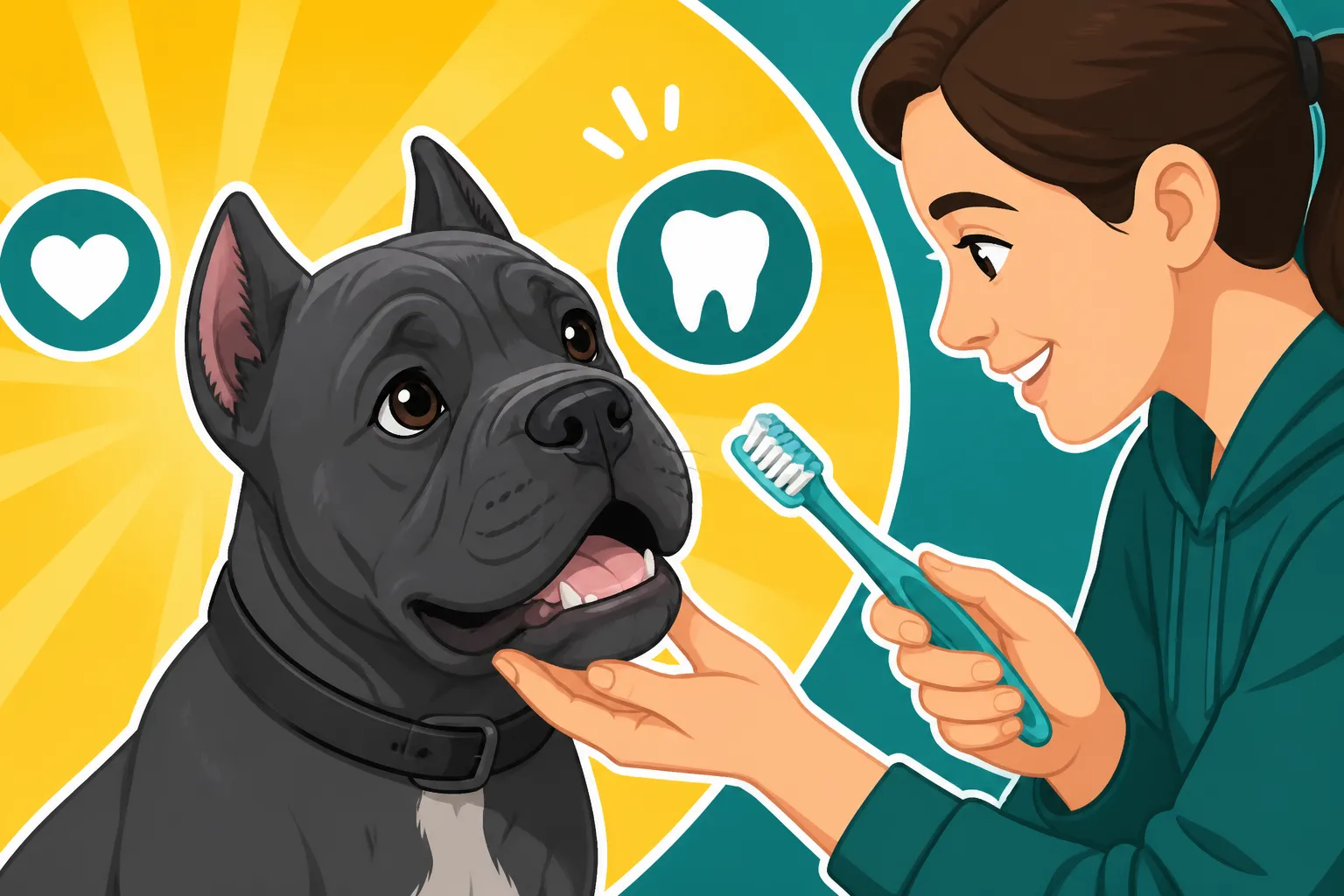
- Initial Strokes: Apply a small amount of toothpaste to the brush. Start with just a few gentle strokes on the outside surface of their canine teeth (the big pointy ones) or the large premolars. Focus on the gumline, where plaque tends to accumulate most. Brush for only a few seconds, then immediately praise and offer a treat.
- Gradual Increase: Over subsequent sessions, gradually increase the number of teeth you brush and the duration of brushing. Work your way around the outside surfaces of all their teeth. Most plaque builds up on the outside surfaces, so even if you can't get to the inside surfaces, you're still doing a lot of good.
- Reaching the Back: As they become more accepting, gently open their mouth to reach the back molars. These are often the hardest to clean but also accumulate a lot of tartar. Be patient and use a soft, circular motion. Again, keep it brief and positive, always ending with a treat and praise.
- Consistency is Key: Aim for daily brushing, or at least every other day. Just like our teeth, consistency is what truly makes a difference in preventing plaque buildup. Short, consistent sessions are far more effective than infrequent, lengthy battles.
Remember to stay calm and patient. If your Cane Corso shows any signs of discomfort or resistance, stop, reassure them, and perhaps go back to an earlier step in the training where they felt more at ease. This isn't a race; it's a lifelong habit you're trying to build.
Overcoming Challenges and Maintaining the Routine
Let's be realistic: even with the best intentions and early training, there might be bumps along the road. Your Cane Corso is a powerful dog with their own will, and sometimes, they just aren't in the mood. It's important to have strategies for overcoming resistance and making dental care a sustainable part of your routine.
Dealing with Resistance and Fear
If your Cane Corso suddenly becomes resistant or fearful of the toothbrush, don't force it. Forcing will only create a stronger negative association. Take a step back. Revisit the "touch and treat" method, even if it means going back to just touching their muzzle or letting them lick toothpaste off your finger. The goal is to rebuild that positive association. Perhaps something spooked them, or they had a painful experience elsewhere that made them wary.
Consider using a higher-value treat than usual to re-establish the positive link. You might also try changing the location or time of day you attempt brushing, to break any negative patterns that might have formed. If the resistance persists, or if you suspect pain, it's always wise to consult your veterinarian. They can check for any underlying dental issues or provide guidance on handling a particularly difficult dog. Sometimes, a quick check-up can reveal a sensitive tooth or gum issue that needs attention before brushing can comfortably resume. Yearly Bloodwork on an Adult Cane Corso often includes checks that can hint at systemic issues if dental disease is advanced, so regular vet visits are crucial.
Making it a Sustainable Part of Daily Life
Consistency truly is the magic word here. Short, frequent sessions are much better than long, sporadic ones. Try to integrate brushing into an existing routine, like after their evening meal or before their last potty break of the night. This helps both you and your Cane Corso remember it and makes it feel less like a standalone chore.
- Positive Reinforcement Throughout: Don't just give a treat at the end. Offer praise and calm reassurance throughout the brushing process. "Good boy! So brave! Just a little more!" This continuous feedback keeps them engaged and reinforces their good behavior.
- Keep it Brief and Positive: Aim for 30-60 seconds of actual brushing per session, especially when starting out. You don't need to scrub every single tooth for minutes on end. A quick, thorough once-over is usually sufficient for daily maintenance.
- Involve the Family: If there are multiple people in the household, ensure everyone understands the brushing routine and uses consistent methods. This prevents confusion for your Cane Corso and reinforces that dental care is a normal part of their day.
- Monitor Progress: Pay attention to how your Cane Corso's teeth and gums look. Are the gums pink and healthy? Is there less plaque buildup? Celebrate these small victories! If you notice excessive redness, bleeding, or unusual odors, it's time for a vet visit.
It might feel like a lot of effort, but trust me, the payoff of a healthy mouth and avoiding costly, potentially painful dental procedures down the line is absolutely worth it.
Beyond the Brush: Holistic Dental Health Strategies
While brushing is the gold standard for at-home dental care, it's not the only piece of the puzzle. A comprehensive approach to your Cane Corso's dental health includes diet, appropriate chews, and regular professional veterinary care.
The Role of Diet and Dental Chews
What your Cane Corso eats can have a significant impact on their oral health. While kibble is often marketed as "dental cleaning," its effect is usually minimal. Premium quality kibbles can help reduce plaque simply by providing some abrasive action, but don't rely on it entirely. Some specialized veterinary dental diets are designed with unique kibble shapes and textures to scrape plaque more effectively, so that's something to discuss with your vet if your dog is prone to rapid plaque buildup.
Dental chews and toys can be a fantastic supplement to brushing, but they are not a substitute. Look for products that are approved by the Veterinary Oral Health Council (VOHC) – this council evaluates products for their ability to reduce plaque and tartar. Many dental chews found at retailers like Chewy or Amazon are designed to encourage chewing, which helps scrape off plaque. However, always supervise your Cane Corso with any chew to ensure it's safe and doesn't pose a choking hazard or risk breaking teeth. Avoid extremely hard chews like antlers or bones, as these can cause significant dental fractures, leading to emergency vet visits. Chew Prices for a Cane Corso That Destroys Everything can add up, so choose wisely and safely.
The Importance of Professional Vet Check-ups
Even with diligent home care, regular veterinary dental check-ups are essential. Your vet can spot issues you might miss, such as fractured teeth, infections, or pockets of gum disease that require more than just brushing. They can also advise you on the frequency of professional dental cleanings, which involve scaling and polishing under anesthesia. These professional cleanings are the only way to remove hardened tartar and address issues below the gumline.
Most vets recommend at least an annual dental check-up, and for some breeds or individuals prone to dental problems, more frequent visits might be necessary. Don't wait until your Cane Corso is showing obvious signs of pain or bad breath; by then, the problem is often advanced. Proactive care, combining your consistent home efforts with professional veterinary oversight, is the best way to ensure your powerful companion keeps a healthy, comfortable mouth for their entire life. Think of it as investing in their long-term comfort and preventing serious health complications. The Dental Bill on a Cane Corso With Retained Teeth can be avoided with early intervention. The Heart Muscle Disease Behind a Cane Corso's Cardiac Test is another reason why comprehensive checkups matter, as oral bacteria can affect the heart.
Addressing Specific Concerns
Every Cane Corso is an individual, and some might present unique dental challenges. For instance, some may have slightly misaligned teeth that are harder to clean, or a predisposition to faster plaque buildup. If your dog consistently has bad breath despite brushing, or if you notice any changes in their eating habits, drooling, or sensitivity around their mouth, it’s a clear signal to visit the vet. These can be signs of anything from an abscess to a foreign object lodged in their gums.
For puppies, pay attention to the transition from puppy teeth to adult teeth. Sometimes, puppy teeth don't fall out as they should, leading to "retained deciduous teeth." These can cause overcrowding and trap food, leading to early dental problems. Your vet will usually check for this during routine puppy exams and may recommend extraction if necessary. What Discolored Teeth Mean on a Cane Corso Puppy can also be an indicator of issues that need veterinary attention. Ensuring your Cane Corso's oral health is on point helps them enjoy their food, stay comfortable, and maintain their overall vitality.
Disclaimer
This article is for general informational purposes only and does not constitute professional advice. Laws, prices and regulations vary by location and change over time. Consult a qualified professional for guidance on your specific situation.