Getting a Brush Through a Cane Corso’s Dense Undercoat
Anyone who shares their home with a magnificent Cane Corso knows the secret struggle: the fur. Despite their seemingly short, sleek coats, these incredible dogs possess a dense undercoat that, when it decides to shed, can leave a surprising amount of hair everywhere. Getting that undercoat under control isn't just about keeping your furniture clean; it's vital for their skin health, comfort, and the bond you share during grooming time. This guide is here to walk you through how to effectively brush your Cane Corso, manage that shedding, and make grooming a positive experience for both of you.
Understanding Your Cane Corso's Coat
Before you grab just any brush, it's really helpful to understand the unique characteristics of your Cane Corso's coat. It’s not just a simple short-haired dog; there's a lot more going on beneath the surface, and knowing that can make all the difference in your grooming approach.
The Double Coat Dilemma
Unlike some single-coated breeds, your Cane Corso is rocking a double coat, even if it doesn't look like it at first glance. This means they have two distinct layers of fur, each serving a critical purpose for their protection and comfort.
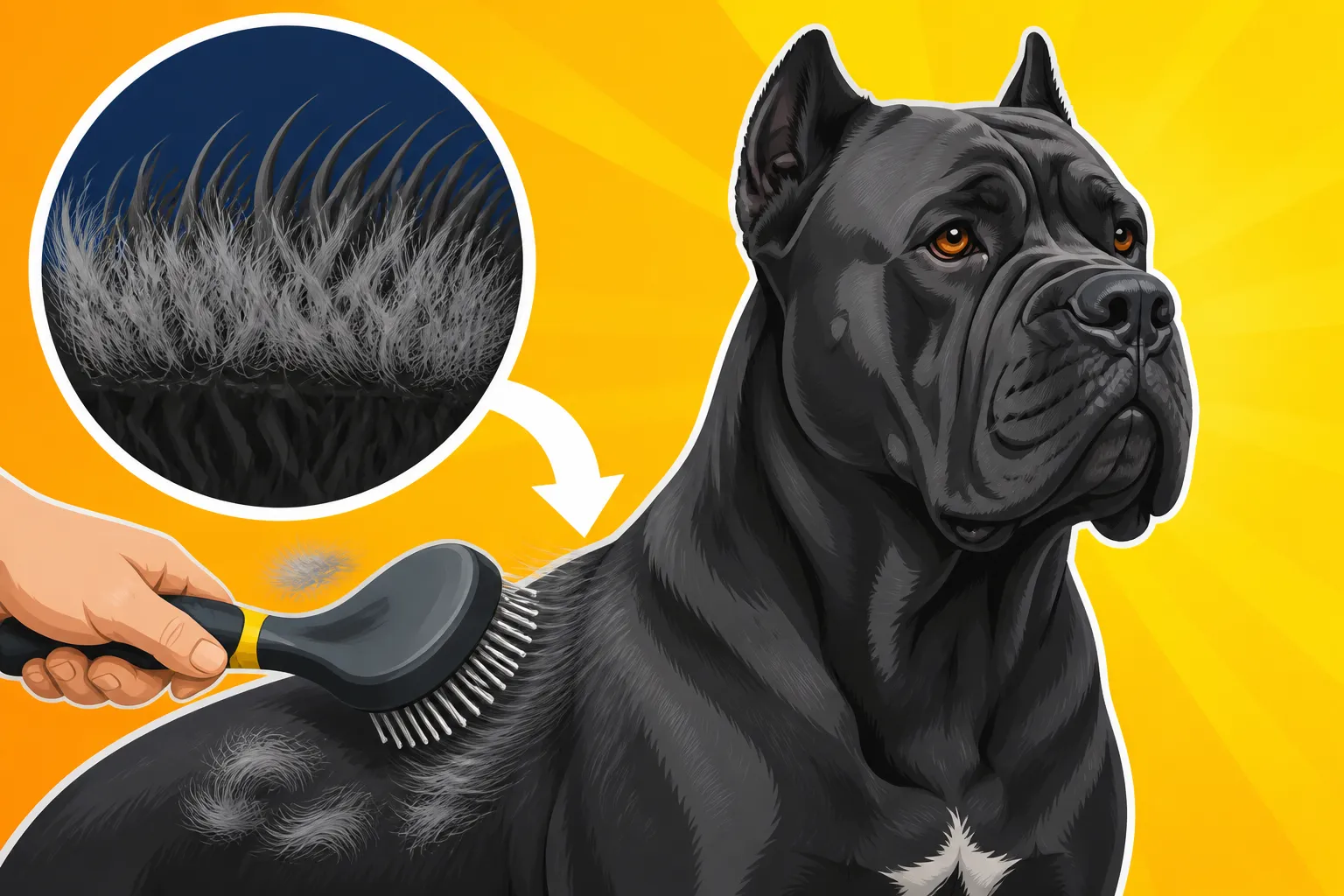
The outer coat is made up of coarse, stiff, and typically straight hairs. These are the guard hairs, designed to be water-resistant and to protect your dog's skin from environmental elements like thorns, branches, and harsh weather. They lie close to the body, giving the Cane Corso that sleek, powerful appearance we all admire. Beneath this protective layer, however, is where the real work—and often, the real shedding challenge—lies: the undercoat. This second layer is much softer, denser, and incredibly insulating. Its primary job is to regulate your Cane Corso's body temperature, keeping them warm in cooler months and helping to cool them in warmer weather by trapping air. It’s this dense, fluffy undercoat that contributes significantly to the amount of hair you find around your home, especially during seasonal changes. Without proper brushing, this undercoat can become matted, trap dirt, and lead to skin irritation.
Seasonal Shedding Cycles
Cane Corsos, like many double-coated breeds, don't just shed consistently year-round. They have distinct seasonal shedding cycles, often referred to as "blowing coat." This is when they shed their old undercoat to make way for a new one, adapting to the changing temperatures.
Typically, you’ll notice a heavier shedding period in the spring, as your Cane Corso sheds their thick winter undercoat to prepare for warmer weather. This is when you might feel like you could build another Cane Corso purely out of the fur you collect! Another significant shedding period usually occurs in the fall, when they shed their lighter summer coat to grow in a denser, warmer one for winter. During these peak shedding times, daily brushing becomes absolutely essential. Outside of these periods, shedding is generally more moderate, but regular weekly brushing is still important to maintain coat health and keep loose hair to a minimum. Environmental factors, like whether your dog spends a lot of time indoors with consistent temperatures, can sometimes alter these natural cycles slightly, but you’ll still experience those heavier "blow outs." Understanding these cycles helps you anticipate when you'll need to step up your grooming game. You can check out Which Months a Cane Corso Sheds Hardest for more detailed insights into timing.
Why Regular Brushing is Non-Negotiable
It might seem like a chore, another item on the never-ending to-do list of dog ownership, but for a Cane Corso, regular brushing isn't just about aesthetics. It's a cornerstone of their health and well-being. Skipping this crucial step can lead to a host of problems that are much harder—and more costly—to fix down the line.
Preventing Matting and Skin Issues
That dense undercoat, if left unbrushed, is a prime candidate for matting. While a Cane Corso’s coat isn't as prone to severe matting as a long-haired breed, knots and tangles can still form, especially in areas where there's more friction, like behind the ears, under the legs, or around the rump. These mats don't just look unsightly; they can pull on your dog's skin, causing discomfort and even pain. More seriously, mats create a perfect breeding ground for bacteria and parasites. They trap moisture and debris against the skin, leading to hot spots, skin infections, and general irritation. You might see your Cane Corso scratching or biting at these areas excessively, further exacerbating the problem.
Regular brushing, particularly with the right tools designed to reach the undercoat, helps to remove dead hair before it has a chance to clump and mat. It also stimulates the skin, promoting healthy blood circulation and distributing natural oils across the coat, which contributes to a shiny, healthy appearance. This simple act of grooming helps you catch any potential skin issues early, like rashes, bumps, or parasites, before they become serious problems. It's an investment in their comfort and long-term health.
Managing the Fur Invasion
Let's be real: living with a Cane Corso means living with their fur. No matter how much you vacuum, those fine, short hairs seem to embed themselves into every surface, from your couch cushions to your favorite black shirt. It's a perpetual battle that can feel overwhelming, especially during those seasonal shedding periods. But consistent brushing can drastically turn the tide.
By regularly removing the loose, dead undercoat directly from your dog, you significantly reduce the amount of hair that ends up on your floors, furniture, and clothes. Think of it as proactive shedding management. Instead of waiting for the fur to fall out naturally and drift around your home, you're actively collecting it into your brush. This makes your daily cleaning routine much easier and keeps your living space feeling a lot tidier. If you've ever felt like you're constantly battling tumbleweeds of dog hair, you know exactly what a relief this can be. It's about taking control of the shedding rather than being controlled by it. For a deeper dive, check out Living With the Hair a Cane Corso Leaves Everywhere and prepare yourself.
Essential Tools for Tackling the Undercoat
You wouldn't try to build a house with a butter knife, and you shouldn't try to groom a Cane Corso's dense undercoat with a subpar brush. Having the right tools makes all the difference, turning a potentially frustrating chore into an efficient and even enjoyable bonding experience. Forget those flimsy brushes that just skim the surface; we need to go deeper.
Deshedding Tools
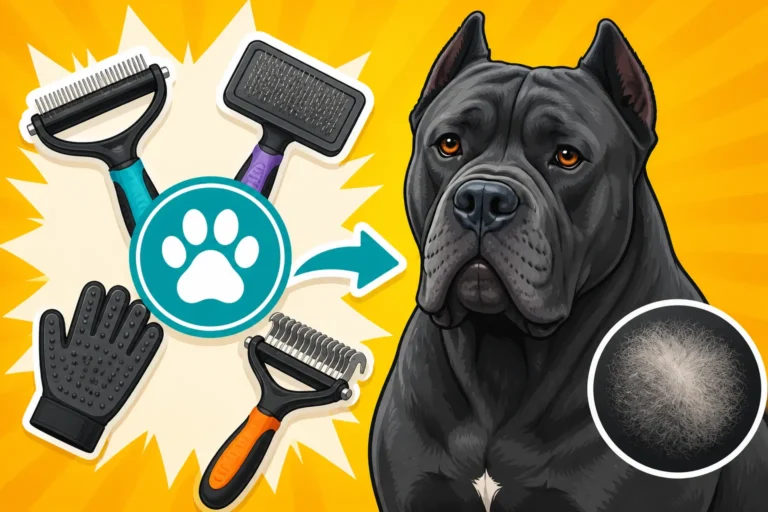
When it comes to penetrating that thick undercoat and extracting loose hair, deshedding tools are your absolute best friend. These are specifically designed to reach beneath the top coat without cutting the healthy guard hairs, effectively pulling out the dead undercoat that would otherwise end up all over your home.
One of the most popular and effective brands in this category is the FURminator. It has a unique stainless steel edge that works wonders on double coats. When using it, remember to be gentle and use short, light strokes, moving in the direction of hair growth. You’ll be amazed at the amount of fur this tool can collect. There are other similar deshedding rakes available on platforms like Amazon and Chewy from various brands that also do a fantastic job. Look for ones with sturdy handles and well-spaced, strong teeth that can really get into that dense undercoat. While incredibly effective, these tools should generally be used sparingly, perhaps once or twice a week during heavy shedding periods, and less often during lighter shedding. Overuse can irritate the skin, so always pay attention to your dog’s reactions and the condition of their skin. It's all about finding that sweet spot for maximum benefit without causing discomfort. You might wonder Which Tool Pulls a Cane Corso's Undercoat Out; a good deshedding tool is often the answer.
Slicker Brushes and Curry Combs
While deshedding tools are great for the heavy lifting, slicker brushes and curry combs play important roles in a complete grooming routine for your Cane Corso. They serve different purposes and complement the deeper undercoat work.
Slicker brushes have fine, short wires packed closely together on a flat or slightly curved surface. They are excellent for removing loose hair from the top coat and for smoothing the fur, giving it a polished look. They also help to break up any minor tangles or surface mats. For a Cane Corso, a large slicker brush with firm pins is ideal. You can use this daily or every other day for general maintenance, especially after using a deshedding tool, to gather any remaining loose hairs and add shine. Be gentle, particularly around sensitive areas, as the wire pins can scratch the skin if too much pressure is applied.
Curry combs, often made of rubber or silicone with short, rubbery teeth, are fantastic for massaging the skin and loosening dead hair, dirt, and dander, especially during bath time. They are particularly gentle and many dogs enjoy the sensation, making them great for puppies or sensitive dogs. The rubber bristles help to stimulate circulation and promote a healthy coat. While they don't penetrate the undercoat as deeply as a deshedding tool, they are excellent for surface cleaning and for working up a lather during a wash. You can find robust curry combs easily on Chewy, and they're usually quite affordable, making them a great everyday grooming item. They're also perfect for quickly sweeping away loose surface hair before a deeper brushing session, making it easier for your other tools to do their job.
Specialty Gloves and Vacuums
Beyond the core brushes, there are a couple of other handy tools that Cane Corso owners find invaluable for managing shedding and making the grooming process smoother. These aren't always necessary for everyone, but they can be game-changers for certain situations.
Grooming gloves, often called "deshedding gloves" or "pet grooming gloves," are exactly what they sound like: gloves with rubber nubs on the palm and fingers. These are wonderful for a quick, gentle massage that simultaneously loosens and collects loose hair. Many dogs actually love the feeling, making it a great tool for those who are sensitive to brushes or for a quick touch-up between more rigorous grooming sessions. They're also fantastic for reaching those harder-to-brush areas, like the legs or face. The collected hair often peels right off the glove, making cleanup incredibly simple. For a dog like a Cane Corso that may not tolerate a full brushing session initially, a grooming glove can be a fantastic way to introduce them to grooming in a low-stress manner.
For the ultimate cleanup, pet grooming vacuums or vacuum attachments designed for pets can be a real blessing. These devices attach to your regular vacuum or come as standalone units, allowing you to brush your dog while simultaneously sucking up the loose hair directly into a canister. This can dramatically reduce the amount of floating fur and make the post-brushing cleanup almost nonexistent. While an investment, for severe shedding or for owners with allergies, a grooming vacuum can be a lifesaver. Just be sure to introduce the sound of the vacuum slowly and positively to your Cane Corso, as some dogs can be wary of the noise. These specialty tools, while not for every owner, can truly elevate your shedding management game and help keep your home much cleaner.
| Tool Type | Primary Use | Best For | Frequency of Use |
|---|---|---|---|
| Deshedding Tool | Removing dead undercoat, reducing shedding | Dense undercoat, seasonal "blowing coat" | 1-2 times per week during heavy shedding, less otherwise |
| Slicker Brush | Smoothing topcoat, removing loose surface hair, minor tangles, adding shine | General daily maintenance, finishing pass after deshedding | Daily or every other day |
| Curry Comb | Massaging skin, loosening dirt/dander, bathing | Sensitive dogs, puppies, bath time, surface cleaning | Daily, especially during baths |
| Grooming Glove | Gentle hair removal, massage, quick touch-ups, hard-to-reach areas | Dogs sensitive to brushes, quick de-shed, bonding | Daily |
| Pet Grooming Vacuum | Brushing and immediate hair collection, significant shedding reduction | High shedding, allergy sufferers, keeping home cleaner | As needed, can replace traditional brushing for some |
A Step-by-Step Brushing Routine
Establishing a consistent and effective brushing routine for your Cane Corso is key to keeping their coat healthy and your home manageable. It's not just about the tools you use, but how you use them and the environment you create for the grooming session.
Setting Up for Success
Grooming should be a calm, positive experience for your Cane Corso, not a wrestling match. Proper preparation can make all the difference. First, choose a quiet time when both you and your dog are relaxed. Avoid times when your Corso is full of energy or distracted by mealtime or a walk. The goal is to make them associate grooming with a peaceful interaction.
Find a comfortable spot. For smaller Cane Corsos or puppies, a raised, non-slip surface like a sturdy grooming table or even a counter (if safe and secure) can save your back and give you better control. For larger adults, the floor might be more practical. Lay down a non-slip mat or an old towel to provide traction and catch loose hair. Have all your tools laid out and within easy reach – your deshedding tool, slicker brush, curry comb, and some high-value treats. Yes, treats! Positive reinforcement is incredibly powerful. Start with short sessions, especially if your dog is new to brushing or is a puppy. Even five minutes of calm brushing, followed by praise and a treat, is a huge win. Gradually increase the duration as your Cane Corso becomes more comfortable. Consistency is more important than length in the beginning. Remember, this is a bonding experience, so keep your tone calm and reassuring.
The Actual Brushing Technique
Once you're set up, it's time to get down to business. Start by giving your Cane Corso a good once-over with your hands, feeling for any lumps, bumps, or mats that might need extra attention. This also allows you to gauge their comfort level.
Begin your brushing session with a curry comb or grooming glove. This is a gentle way to start, helping to loosen surface dirt and dead hair, and it often feels like a massage to your dog. Use circular motions first, then long strokes in the direction of hair growth. Pay special attention to areas like their chest, flanks, and hindquarters where the undercoat can be particularly thick. After a few minutes with the curry comb, switch to your deshedding tool. Again, use gentle, short strokes, always moving with the lay of the coat. Avoid pressing down too hard, as the blades can irritate their skin. Work systematically, section by section, starting from the head or neck and moving down towards the tail and legs. Lift the top coat gently to get to the undercoat if needed. You'll likely pull out a surprising amount of fur, which is exactly what you want! Take breaks if your dog seems stressed, and offer treats to reinforce calm behavior.
Finish up with a slicker brush. This tool will help to smooth the topcoat, remove any remaining loose hairs from the surface, and distribute natural oils, leaving their coat shiny and sleek. Pay particular attention to their legs and tail, brushing carefully to prevent tangles. Remember to be patient and observant of your Cane Corso's body language. If they show signs of discomfort, ease up or move to a different area. Consistent, gentle technique will build their trust and make future sessions much easier.
Post-Brushing Cleanup and Rewards
The brushing session isn't truly over until you've tidied up and, most importantly, rewarded your diligent Cane Corso! This final step is crucial for reinforcing the positive association with grooming.
Once you’ve finished brushing, you’ll likely have a considerable pile of loose fur. Dispose of it promptly. Many owners find that gathering the fur and then using a damp paper towel or lint roller to pick up any stray hairs from their dog's coat and the surrounding area works best. A quick vacuum of your grooming spot will prevent those stray hairs from migrating to every corner of your home. You can also use a damp cloth to wipe down your Cane Corso, especially around their face and wrinkles, to remove any lingering dander or hair. This also helps polish their coat for that extra shine. You can get excellent lint rollers and even specialized pet hair removal sponges on Amazon or Chewy that make this part of the job much easier.
Now for the best part: the reward! Immediately after finishing, give your Cane Corso high praise, enthusiastic pets, and a really special treat. This could be a favorite chew, a spoonful of peanut butter, or a short play session with their favorite toy. The goal is to make the end of grooming something they look forward to. This positive reinforcement is what builds a strong, trusting relationship and ensures that grooming remains a calm and even enjoyable routine for both of you. Over time, your Cane Corso will learn that sitting patiently for brushing leads to good things, making the entire process smoother and more efficient. Think of it as a small celebration for a job well done.
Common Brushing Challenges and Solutions
Even with the best intentions and the right tools, grooming a powerful dog like a Cane Corso can present its own set of hurdles. It's totally normal to encounter some resistance or specific coat issues, but don't despair! Most challenges have practical solutions.
Dealing with a Reluctant Cane Corso
Not every Cane Corso is going to instinctively love being brushed. Some are naturally more sensitive, while others might have had negative past experiences or simply haven't been introduced to grooming properly. A reluctant Corso can turn a simple brush session into a frustrating standoff, or worse, a situation where you risk injury to yourself or your dog.
If your Cane Corso is hesitant or actively resists brushing, the key is patience, positive reinforcement, and a gradual approach. Start incredibly small. Don't even aim for a full body brush initially. Just touch them with the brush for a second, then immediately reward them with a high-value treat and praise. Repeat this several times, slowly increasing the duration of the brush contact. Perhaps just one stroke, then a treat. Over days or weeks, build up to a few strokes, then a small section of their body. If they pull away or show signs of stress (lip licking, yawning, tensing up, trying to escape), stop, give them a break, and try again later with an even shorter session. Consider using a grooming glove first, as it's often perceived as more like petting. You might also try introducing the brush and letting them sniff it, putting treats near it, so they form a positive association before it even touches them. Distraction can also work – a long-lasting chew or a stuffed Kong can keep them occupied while you gently brush. For a dog that absolutely refuses to stand still, working on the "place" command or teaching them to lie calmly can be very helpful. Remember, consistency is crucial, even if progress feels slow. The goal is to build trust and make grooming a non-threatening, even pleasant, part of their routine.
Overcoming Mats and Tangles
While a Cane Corso's short coat is less prone to the severe matting seen in long-haired breeds, knots and tangles can still occur, especially in areas of friction or during heavy shedding. Trying to yank a brush through a mat is not only painful for your dog but can also damage their skin, making them even more resistant to future grooming.
The first rule for mats and tangles is: never pull. If you encounter a mat, stop brushing immediately. The best approach is often to work it out with your fingers first, gently teasing apart the matted hair. You can use a detangling spray designed for dogs, which can help lubricate the hair and make it easier to separate. Apply a small amount, let it sit for a moment, and then use the wide teeth of a comb or a mat splitter (a tool with small blades designed to cut through mats) to carefully break up the tangle. Always work from the outside of the mat inwards, and hold the hair at the base near the skin to prevent pulling. If the mat is very tight and close to the skin, you might need to use blunt-nosed scissors to carefully cut into the mat, parallel to the skin, rather than across it. However, extreme caution is needed when using scissors near skin; it's very easy to accidentally snip your dog. For very large, dense, or numerous mats, it's often best to seek professional help from a groomer. They have specialized tools and expertise to remove mats safely and efficiently, minimizing discomfort for your Cane Corso. Regular and consistent brushing will prevent most mats from forming in the first place, saving you and your dog a lot of trouble.
When to Seek Professional Help
While we can do a lot for our Cane Corsos at home, there are definitely times when bringing in a professional groomer is not just a luxury, but a necessity. Don't hesitate to call for backup!
One of the primary reasons to visit a professional groomer is for severe matting. If your Cane Corso has developed large, tight mats that you can't safely or comfortably remove yourself, a groomer can tackle them with specialized clippers and techniques. Attempting to cut out extensive matting at home can be risky, leading to accidental cuts or severe skin irritation. Groomers are also adept at handling reluctant or aggressive dogs during grooming, often possessing the experience and equipment to work safely and efficiently. If your Cane Corso becomes overly stressed, fearful, or even aggressive during home grooming sessions, a professional can often achieve results with less distress for your dog.
Beyond matting and behavioral challenges, groomers can provide a thorough bath and blow-dry, which is often difficult to do effectively with a large, double-coated breed like a Cane Corso in a home environment. They have powerful drying equipment that can get all the way down to the skin, preventing moisture-related skin issues. They can also perform nail trims and ear cleaning if you're uncomfortable doing these tasks yourself. Furthermore, if you notice any unusual skin conditions, persistent itching, or bad odors despite regular cleaning, a groomer might spot something you missed and advise you to consult your vet. A good groomer can be a valuable partner in maintaining your Cane Corso's overall health and well-being. Think of them as part of your support team, especially for difficult situations or when you just need an extra hand to ensure your dog looks and feels their best. For more on this, you might find What a Groomer Actually Does for a Cane Corso useful.
Disclaimer
This article is for general informational purposes only and does not constitute professional advice. Laws, prices and regulations vary by location and change over time. Consult a qualified professional for guidance on your specific situation.