Bringing a Cane Corso Home to a Dog Already There
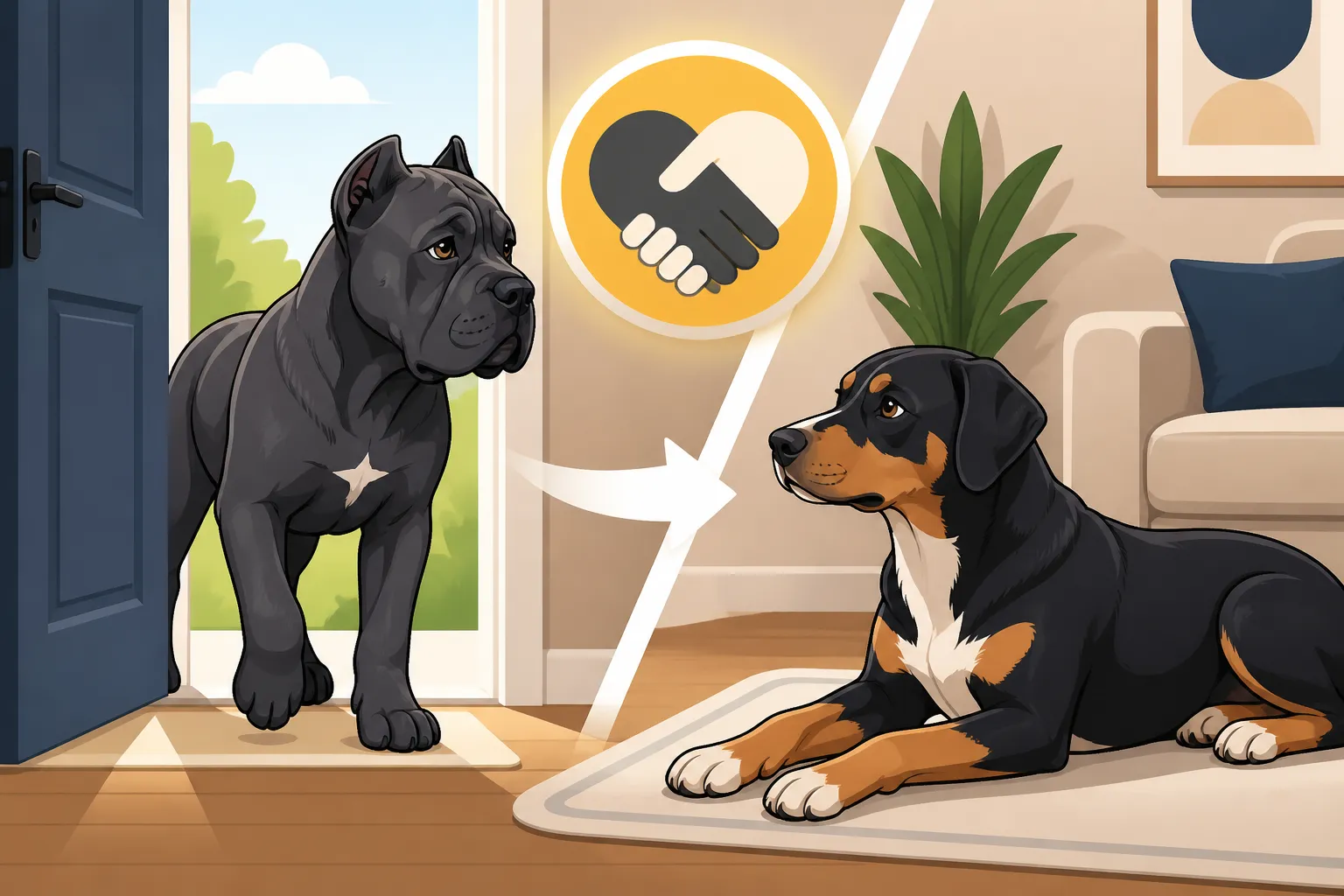
Bringing a powerful, majestic Cane Corso into a home where another dog already resides can feel like walking a tightrope. You're trying to introduce a new family member, but you're also keenly aware of the potential for personality clashes, territorial disputes, and general chaos. This comprehensive guide will walk you through the essential steps and considerations for a smooth and safe introduction, helping both your existing companion and your new Cane Corso puppy or adult find their place with peace and harmony.
Understanding the Dynamics of Introductions
When you're bringing a new dog, especially a Cane Corso, into an established pack, even a pack of two, it's crucial to understand the intricate social dynamics at play. It's not just about two dogs meeting; it's about forming a new social structure.
The Cane Corso's Natural Temperament and Pack Instincts
Cane Corsos are inherently guardian breeds, bred for centuries to protect property, livestock, and their families. This deep-seated instinct means they often have a strong sense of territory and a desire for a clear hierarchy within their "pack." They are intelligent, confident, and can be quite dominant if not guided properly. A Cane Corso will naturally observe and assess new situations, including new pack members. They need to understand their role and boundaries from day one. If a clear structure isn't provided, they might try to establish their own, which can lead to friction with an existing dog. You'll also want to consider the potential for Same Sex Aggression Between Two Cane Corsos, which can be a real concern if both dogs are intact males or females with strong personalities. Their initial interactions will often involve a lot of sniffing, posturing, and silent communication as they figure out who's who.
It's not uncommon for a Cane Corso to test boundaries with other dogs, especially as they mature. This isn't necessarily malice; it's often an attempt to figure out where they stand in the social order. Understanding this innate drive helps you anticipate potential issues and structure introductions and ongoing interactions to minimize conflict. Their confidence can sometimes be misconstrued as aggression, but often it's simply a strong personality looking for clear communication and leadership.
Assessing Your Resident Dog's Personality
Before you even think about the introduction, take a really honest look at your current dog. Their personality will be the biggest factor in how smoothly things go. Is your resident dog a laid-back, "go-with-the-flow" type who's met many dogs and doesn't bat an eye? Or are they more on the anxious side, prone to barking at new stimuli, or perhaps even a bit of a bully themselves? A dog who is highly territorial or possessive of their space, toys, or even you will require a much more careful, gradual introduction than a dog who's naturally tolerant and sociable.
Consider their past experiences. Has your dog lived with other dogs successfully before? How do they react to large breeds, specifically? Some smaller dogs can be intimidated by a Cane Corso's size, while others might overcompensate with excessive barking or nipping. A confident, well-socialized resident dog who has good manners around other canines will make the process infinitely easier. On the other hand, an anxious dog might need more time and space, with slower, more controlled introductions to avoid overwhelming them. Understanding these nuances will allow you to tailor your approach and ensure both dogs feel as safe and comfortable as possible.
The Critical Steps for a Successful First Meeting
The first few interactions are paramount. You want to set a positive tone and avoid any negative experiences that could lead to lasting tension or fear. Rushing this stage is a common mistake and one that can have long-term consequences.
Pre-Arrival Preparations and Scent Swapping
Preparation is key, and it starts long before your new Cane Corso even steps paw in the door. First, ensure you have separate, safe spaces for each dog. This might mean a crate in different rooms, or baby gates to partition off areas of your home. Each dog needs their own food bowls, beds, and toys to minimize potential resource guarding from the outset. Many owners find robust crates and gates on platforms like Amazon to be invaluable for this stage.
Next, start scent swapping. Before the new Cane Corso arrives, take a blanket or towel from its current environment (if possible) and let your resident dog sniff it. Do the same with a blanket or toy from your resident dog and send it to the Cane Corso. This allows them to become familiar with each other's scent in a non-threatening way. Leave these scented items in their respective areas for a day or two. The goal is to make their scent a familiar, rather than alarming, presence before they actually meet face-to-face. This simple step can significantly reduce anxiety for both animals.
Neutral Territory and Leashed Introductions
When it’s time for the actual introduction, choose a neutral, outdoor location where neither dog feels territorial. A quiet park, a school field after hours, or even a friend’s large, fenced yard works well. Both dogs should be on leashes, handled by separate, confident adults. Avoid tight leashes, as tension can transfer down the leash to the dog, making them feel more anxious or reactive. Loose leashes communicate calmness.
Start with parallel walking. Walk both dogs some distance apart, in the same direction, allowing them to casually observe each other. Gradually, over time, decrease the distance between them, always ensuring they are relaxed. The goal is for them to associate each other's presence with a calm, positive activity like a walk, rather than an intense, direct confrontation. Keep initial nose-to-nose greetings very brief, if at all. Many trainers recommend avoiding direct greetings until several parallel walks have occurred and both dogs are showing calm, loose body language. A positive association here is incredibly valuable. This slow, controlled method avoids putting undue pressure on either dog and allows them to acclimate at their own pace.
Supervised Home Integration and Boundary Setting
Once you've had several successful neutral-territory meetings, and both dogs appear calm and comfortable in each other's presence, you can begin supervised introductions within the home. This should still be on-leash initially. Keep these sessions short and positive, ending before either dog shows signs of stress or over-excitement. Continue to use separate living spaces, crates, or baby gates to provide breaks and ensure individual downtime. Crate training is absolutely vital for a Cane Corso, not just for house training, but also for managing their interactions and ensuring everyone gets a chance to relax. Crate Training a Cane Corso That Outgrows Every Crate can be an invaluable tool here.
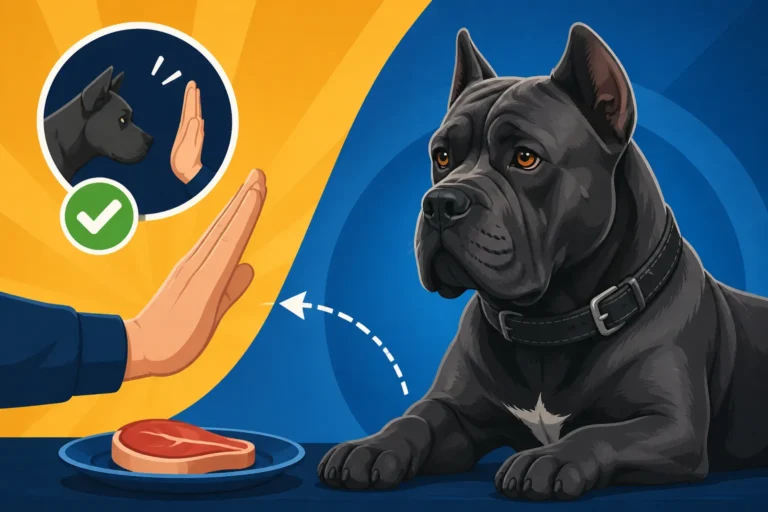
Establish clear rules and boundaries from the start. This means no shared resources (food bowls, high-value chew toys, prime sleeping spots) without direct supervision. Feed them in separate rooms or crates. Give them separate, distinct attention to avoid jealousy. Tools like enrichment toys and puzzle feeders can keep them occupied individually. Consider enrolling in an online training program like BAXTER & Bella, which can provide guidance on managing multi-dog households and reinforcing good behavior in a new Cane Corso. The key is to manage the environment, so the dogs learn to coexist peacefully without being forced into constant interaction. Never leave them unsupervised until you are absolutely certain of their compatibility, and even then, always err on the side of caution.
Navigating the First Weeks and Months Together
Bringing a new dog home is a marathon, not a sprint. The initial introduction is just the beginning. The real work is in fostering a lasting, positive relationship between your two dogs over the long term.
Establishing Routine and Fair Resource Management
Dogs thrive on routine and predictability, and this becomes even more critical in a multi-dog household, especially with a guardian breed like the Cane Corso. Establish a consistent daily schedule for feeding, walks, potty breaks, and playtime. This provides a sense of security for both dogs, helping them understand what to expect and reducing anxiety. Feed your dogs in separate, designated areas to prevent any potential food guarding issues. This could mean separate rooms, crates, or using barriers. The Structure a Cane Corso Needs Every Single Day goes beyond just training; it's about their entire lifestyle.
Beyond food, be mindful of other high-value resources. Provide each dog with their own set of chew toys and beds. Rotate toys if necessary, so no single item becomes a point of contention. When giving attention, make sure it’s distributed fairly, or even better, give attention separately sometimes. Take them for individual walks as well as parallel ones. The goal isn't to treat them exactly the same, but to ensure each dog feels secure in their access to resources and attention, reducing the likelihood of competition. Consistency and fairness in managing these resources will build trust and prevent many potential conflicts.
Recognizing and Addressing Potential Conflicts
Even with the best intentions and careful introductions, moments of tension can arise. It's crucial to learn to "read" dog body language to intervene before a situation escalates. Look for subtle signs of discomfort: a stiff body, direct stares, whale eye (showing the whites of their eyes), lip licking, yawning (out of context), or a tucked tail. Low growls or snaps are clear warnings that a dog is uncomfortable and needs space. Understanding Reading a Cane Corso's Body Language at a Distance can give you an early warning system.
If you observe these signs, gently separate the dogs before the situation can escalate. Don't punish the warning signs, as this can teach a dog to go straight to a bite without warning. Instead, identify the trigger and manage the environment to prevent future occurrences. Was it a specific toy? Too close a proximity during rest? Over-excitement during play? Once you understand the triggers, you can adjust your management strategies, such as putting away certain toys or increasing the distance between beds. Sometimes, a simple "break" in separate rooms for a few minutes is all it takes to de-escalate tension and allow everyone to calm down.
Continued Socialization and Training for Both Dogs
The introduction period isn't the end of your work; it's an ongoing commitment to fostering a harmonious relationship. Both your resident dog and your Cane Corso will benefit from continued positive reinforcement training. For the Cane Corso, this is especially important for solidifying their manners and impulse control. Look for group classes that focus on calm coexistence or consider private sessions with a trainer experienced in multi-dog households. Remember, The Training Bill a Cane Corso Owner Cannot Skip is an investment in a well-behaved companion.
Continue to provide opportunities for positive, controlled socialization. This might include parallel walks with other calm, well-behaved dogs (one dog at a time to prevent overwhelming the new dynamic). The goal isn't necessarily for them to be best friends with every dog, but to be neutral and comfortable in the presence of others. Reinforce good behavior when they are together – calm coexistence, polite greetings, and respecting each other's space. The Socialization Window a Cane Corso Puppy Gets is critical in their early months, but socialization is a lifelong process. Keep it up!
When to Seek Professional Help and Red Flags
Sometimes, despite your best efforts, the dynamic between dogs just isn't working, or behaviors escalate beyond what you feel comfortable managing on your own. Knowing when to call in the cavalry is paramount for the safety and well-being of everyone involved.
Identifying Behaviors That Require Expert Intervention
There are several red flags that indicate it's time to seek professional help. These include:
- Persistent Aggression: If one or both dogs are consistently showing aggressive behaviors like snarling, lunging, snapping, or biting (even if no skin is broken) towards each other, especially over seemingly minor things like moving from one room to another, this is a serious concern.
- Fear or Anxiety: If one dog is constantly stressed, withdrawn, hiding, or showing persistent fear-based behaviors around the other dog, their quality of life is suffering.
- Escalating Resource Guarding: While some mild resource guarding can be managed with careful separation, if it's escalating to serious fights over food, toys, or even attention from you, professional intervention is critical.
- Physical Injury: Any incident that results in physical injury to either dog, no matter how minor, demands immediate professional assessment.
- Constant Tension: If you constantly feel like you're walking on eggshells, or the dogs can never truly relax in each other's presence, it's not a sustainable situation for anyone.
These behaviors indicate that the dogs are struggling to communicate and coexist safely, and attempting to resolve it without expert guidance could lead to further injury or a breakdown in your relationship with your dogs. What a Behaviorist Charges for a Reactive Cane Corso can give you an idea of the investment, but it's often priceless for peace of mind and safety.
Choosing the Right Professional
When you've identified that professional help is needed, it's crucial to find the right professional. Look for a certified professional dog trainer (CPDT-KA) or, for more severe behavioral issues, a certified applied animal behaviorist (CAAB) or a veterinary behaviorist (DACVB). These professionals have extensive education and experience in animal behavior and use humane, science-backed methods.
When vetting potential trainers or behaviorists, ask about their experience with large guardian breeds like Cane Corsos and with multi-dog household introductions. They should prioritize safety for both dogs and humans, and their approach should focus on positive reinforcement, environmental management, and addressing the root cause of the behavior, rather than simply suppressing symptoms through punishment. A good professional will involve you extensively in the process, providing clear instructions and supporting you every step of the way to ensure a more harmonious home for your beloved Cani Corsi.
Here's a quick comparison of behaviors to encourage versus warning signs:
| Behavior | Description | What to Encourage | Warning Signs | What to Do |
|---|---|---|---|---|
| Body Language | Relaxed posture, loose tail wags, soft eyes, play bows | Calm sniffing, parallel walking, relaxed rest in proximity | Stiff body, hard stares, raised hackles, tucked tail, lip licking (stress) | Separate immediately, evaluate trigger, increase distance/management |
| Resource Management | Each dog eats and plays with toys separately | Eating calmly in separate areas, respecting each other's space | Guarding food, toys, beds, or even human attention with growls/snaps | Manage environment strictly (separate feeding, put away high-value items), seek professional help for persistent guarding |
| Play Style | Reciprocal, soft bites, taking turns, self-handicapping | Gentle play, play bows, breaks, mutual engagement | One dog constantly pinning, bullying, or overwhelming the other; one dog always retreating/hiding | Interrupt play, give breaks, ensure play is fair and mutual. If imbalance persists, separate for play and engage in parallel activities. |
| Interaction with Humans | Both dogs solicit attention politely, no competition | Waiting patiently for attention, sharing affection | Jealousy, pushing other dog away, growling at other dog when you're nearby | Ensure separate quality time for each dog, manage greetings carefully, teach 'place' or 'wait' commands for calm interactions with you. |
| Overall Demeanor | Both dogs are relaxed and confident in the home | Calm coexistence, resting in the same room without tension | Persistent anxiety, hiding, reactivity, constant vocalization | Re-evaluate management, increase individual training/exercise, consult a vet for anxiety, and definitely seek a behaviorist. |
Disclaimer
This article is for general informational purposes only and does not constitute professional advice. Laws, prices and regulations vary by location and change over time. Consult a qualified professional for guidance on your specific situation.