Taking a Cane Corso to a Dock Diving Trial
It's easy for people to pigeonhole our magnificent Cane Corsos as nothing more than stoic guardians, bred solely for serious work like protecting property or livestock. But beneath that formidable exterior often lies a playful spirit and a surprising love for activities that challenge both body and mind. If you've ever wondered if your big, powerful Corso could enjoy something as seemingly "un-Corso-like" as dock diving, you're in the right place. This guide will walk you through everything you need to know about introducing your Cane Corso to the thrilling world of dock diving, from initial water introductions to navigating their first trial.
Is Your Cane Corso Actually Built for Dock Diving?
Before you even think about setting foot on a dock, it’s crucial to honestly assess whether dock diving is a good fit for your individual Cane Corso. While some take to it like a fish to water, others might need more encouragement, or perhaps find a different sport suits them better.
Physical Considerations: Size, Structure, and Swimming Ability
Let's be real: Cane Corsos are big, powerful dogs, but they aren't exactly built like a whippet or a lithe Labrador. Their muscular, heavy frames mean they aren't naturally aerodynamic. This isn't to say they can't do it, but it does mean we need to be extra mindful of their physical health and comfort.
First and foremost, your Cane Corso needs to be in excellent physical condition. Dock diving involves explosive jumps and powerful swimming, which puts strain on joints. Ensuring your dog is cleared of any orthopedic issues is paramount. You really want to make sure your Corso has sound hips and elbows, so understanding Hips and Elbows a Cane Corso Must Be Cleared On is critical before engaging in high-impact activities like this. A pre-sport vet check-up is always a wise idea to ensure there are no underlying conditions that could be exacerbated.
Swimming ability is another huge factor. Some Corsos are natural water dogs, leaping into any available pond with glee. Others, not so much. My Corso, Enzo, initially treated water like it was acid! If your dog isn't a natural swimmer, start slow. A shallow kiddie pool, a gentle entry into a lake, or even a dog-friendly beach with calm waves are great starting points. Never force them into the water. Use positive reinforcement, treats, and toys to make it a fun, low-pressure experience. Remember, their dense muscle mass means they might not float as effortlessly as lighter breeds, so initial buoyancy can be a challenge.
Finally, consider the deep chest that our Corsos possess. While magnificent, this anatomical feature makes them prone to bloat, a life-threatening condition. Intense exercise, especially right before or after eating, can increase the risk. Be acutely aware of Bloat and What a Cane Corso's Deep Chest Costs and always plan your dock diving sessions or trials around a proper rest period after meals. Many owners choose to have a preventive gastropexy done, especially if they plan on high-intensity sports or breeding, which is something to discuss with your vet.
Temperamental Considerations: Drive, Focus, and Noise Tolerance
Beyond the physical, your Cane Corso's temperament plays a massive role in their potential enjoyment and success in dock diving. It's not just about jumping; it's about wanting to jump and ignoring everything else.
The most crucial temperamental trait for dock diving is prey drive. This is the innate desire to chase and retrieve. Dock diving relies on your dog's intense focus on a thrown toy, motivating them to launch themselves into the water to retrieve it. Some Corsos have a powerful prey drive, especially for squeaky toys or balls, while others are more interested in guarding the perimeter. If your Corso isn't particularly toy-motivated, or if their drive is more focused on protection than play, dock diving might be an uphill battle. It's a game of fetch, writ large, so the love of retrieving is key.
Focus and training are also paramount. Dock diving events can be chaotic. There are other dogs barking, people cheering, music playing, and a lot of movement. Your Cane Corso needs to be able to focus on you and the task at hand, ignoring all these distractions. This means a solid foundation in obedience is essential. Think about Building a Cane Corso's Recall From Eight Weeks and strengthening that connection so your dog tunes into you even in high-stimulation environments. Likewise, knowing Whether Food Motivates a Cane Corso will help you choose the right rewards to keep them engaged.
Lastly, consider their noise and crowd tolerance. A dock diving venue is not a quiet, isolated field. There will be many dogs, many people, and often loud splashes and excited barks. If your Cane Corso is sensitive to new environments, loud noises, or can be reactive to other dogs, a dock diving event might be overwhelming for them. Early and consistent Neutral Socialization for a Cane Corso at Twelve Weeks is vital for any Corso, but especially for one you hope to take to public events. You want them to be calmly neutral, not stressed or reactive.
Getting Started: From Backyard Splash to Competition Pool
So, you've assessed your Cane Corso, and you think they might have what it takes? Fantastic! Now, let's talk about the practical steps to get them ready. It's a journey, not a sprint, and patience is your best friend.
Introducing Your Cane Corso to Water and Toys
The first step is simply making water a fun and positive experience. If your Corso isn't already a water dog, don't rush it. Start small. A shallow kiddie pool in the backyard filled with just enough water to splash in can be a wonderful introduction. Toss in some floating toys and praise them for any interaction, even if it's just dipping a paw.
Once they're comfortable with shallow water, move to a natural body of water like a lake, pond, or a calm river. Look for places with a gradual, sandy entry. Walk in with them, encouraging them with treats and their favorite floating toy. This is where your choice of toy becomes critical. It needs to be something your Cane Corso absolutely adores and can easily see and retrieve in the water. Many dogs love specific floating bumpers or oversized tennis balls. You can find a wide variety of durable floating toys on Amazon that are designed to withstand powerful jaws. The goal is to make the water a positive place where exciting things happen.
The "retrieve" aspect is just as important as the swimming. Your Corso needs to understand that the game involves bringing the toy back to you. Practice short retrieves in shallow water, gradually increasing the distance as their confidence grows. If they're struggling with the concept of bringing the toy back, work on basic fetch commands on land first. The Reward a Cane Corso Actually Values will be key here – whether it's a specific treat, a tug session, or enthusiastic verbal praise.
Basic Training for the Dock
Once your Cane Corso is comfortable and confident in the water and understands the concept of retrieving, you can start introducing them to the "dock" environment. This doesn't mean a full-sized competition dock right away!
You can start with any raised platform. Even a sturdy picnic table or a low deck can serve as a makeshift "dock" for practicing the jump. The key is to teach a consistent "jump" command. Start with your Corso on the platform, toss their favorite toy a short distance into the water (or onto soft ground if you're not near water yet), and encourage them to leap. Use a clear verbal cue like "Go!" or "Jump!" coupled with an enthusiastic release. Reward them heavily for any attempt, even if it's a clumsy splash.
"Stay" and "wait" commands are absolutely essential for safety on the dock. You need to be able to position your Cane Corso, ensure they're focused, and then give them the release command. This prevents accidental falls and keeps everyone safe during a busy trial. Practicing a solid Teaching a Cane Corso to Hold a Place Cot can translate beautifully to holding a "place" on the dock until released.
Managing excitement is another big part of dock diving training. Cane Corsos can be very strong-willed and intense. When they get excited, their manners can sometimes go out the window. Teach them to calmly wait their turn, perhaps sitting patiently at your side while other dogs jump. This requires a lot of impulse control work. Resources like BAXTER & Bella offer excellent online training programs that can help build this kind of foundational obedience and impulse control, which is incredibly valuable for any dog sport.
The Dock Diving Experience: What to Expect
So, you've put in the work, your Cane Corso loves the water, and they're launching off practice platforms like a pro. What happens when you decide to attend an actual dock diving trial? It's an exciting step!
Equipment and Logistics for a Trial
Preparation is key, especially when you're bringing a large dog like a Cane Corso to a new event. Here's a rundown of what you'll need and what to expect logistically:
Mandatory Gear:
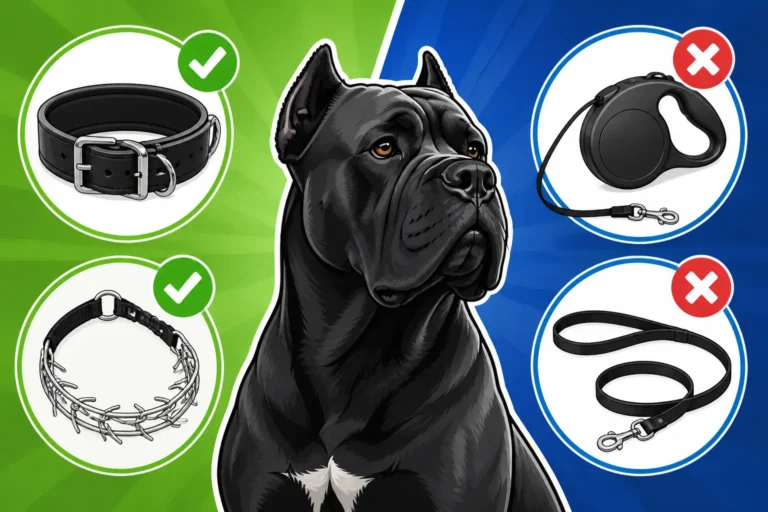
- Leash and Harness: A sturdy leash and a well-fitting harness are crucial. Make sure you have Harnesses Rated for a Cane Corso's Pull that can safely manage your dog's strength, even when they're bursting with excitement. A flat collar is often worn, but a secure harness offers better control.
- Favorite Floating Toy: Bring several! Toys can get lost or damaged. Make sure they float and are highly visible in the water.
- Water and Bowls: Your Corso will get thirsty, especially on a hot day. Bring plenty of fresh water and a portable bowl.
- Crate or Ex-Pen: Even if your dog is well-behaved, having a safe, comfortable space for them to rest between jumps is vital. You can find robust, travel-friendly crates for large breeds on Amazon. This also provides a designated "home base" away from the action.
- Towels: Oh, so many towels! Your Cane Corso will get soaking wet, and you'll want to dry them off between jumps and before they get back in the car.
- Cooling Gear: If it's warm, consider a cooling vest or mat to prevent Heat Stroke in a Working Cane Corso. These events are often outdoors, and Corsos, especially darker colored ones, can overheat quickly.
Logistics:
When you arrive at a trial, check in first. You'll get your dog's jump times and a general schedule. Events can run for hours, so be prepared for waiting. Find a shady spot to set up your crate or ex-pen where your Cane Corso can relax and observe without being overwhelmed.
Trial etiquette is important. Keep your Corso leashed at all times, except when they are on the dock preparing to jump. Be mindful of other competitors and their dogs. Not all dogs are as tolerant of close encounters, so maintaining distance is respectful and safe. If your Cane Corso tends to be a bit too enthusiastic meeting new people or dogs, remember the lessons from Whether a Cane Corso Suits a Home With Guests Every Week to ensure they maintain calm manners in public settings.
Understanding the Events and Scoring
Dock diving isn't just one type of jump; there are usually a few different events you can enter.
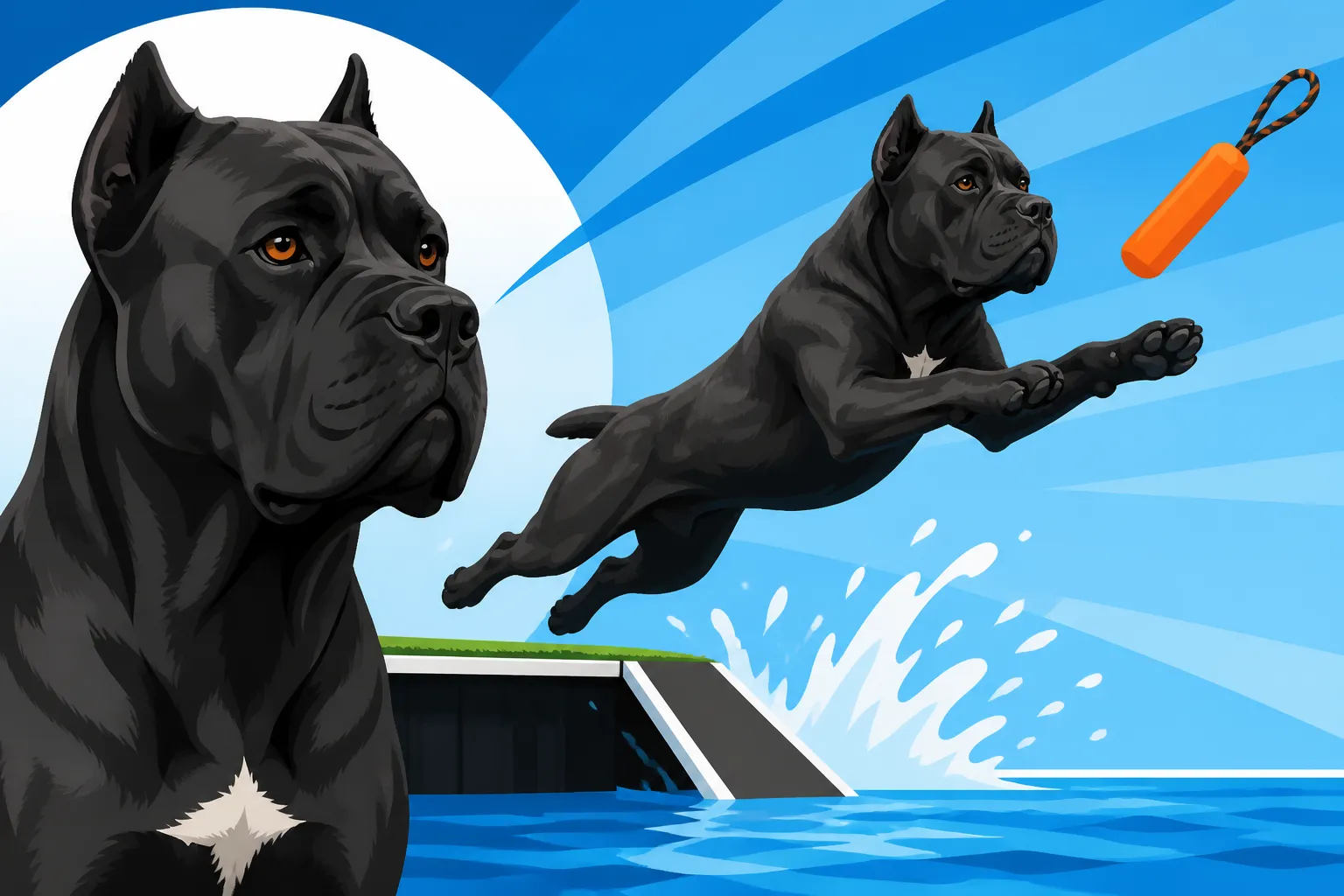
- Big Air: This is the most common and often the best starting point for most dogs. It's simply a distance jump. Your dog runs down the dock, leaps into the water after a toy, and the distance is measured from the end of the dock to where the base of their tail breaks the water. The longest jump wins.
- Extreme Vertical: This event challenges your dog to jump for height. A bumper or toy is suspended over the water, extending out from the dock. The height is increased with each round, and your dog has to grab or dislodge the toy. It requires precise timing and a serious vertical leap.
- Speed Retrieve: This is a race against the clock. Your dog starts at the 20-foot mark on the dock, and a toy is suspended at the end of the pool. The timer starts when your dog leaves the 20-foot mark and stops when they retrieve the toy and cross a finish line. This is for the fastest, most driven dogs.
My personal experience watching a huge Cane Corso launch off a dock for the first time is truly unforgettable. It’s a testament to their athleticism and willingness to please when properly motivated. While seeing them soar is incredible, it’s important to remember that for your first few trials, the goal isn't necessarily to win. It's about having fun, building confidence, and enjoying a unique bonding experience with your Cane Corso. Celebrate every splash, every retrieve, and every moment of joy your dog experiences. The competitive aspect is secondary to the sheer enrichment the sport provides.
Common Challenges and Cane Corso Specific Advice
Even with the best preparation, you're bound to encounter some bumps along the way. That's part of the journey! Here’s how to navigate some common challenges, with a focus on our unique Cane Corsos.
Overcoming Hesitation and Building Drive
It’s completely normal for a Cane Corso (or any dog!) to show some initial hesitation, especially if they haven't experienced a dock before. The height can be intimidating, or the unfamiliar setup of the pool might make them wary.
- Start with a ramp if available: Many dock diving facilities offer a ramp into the pool. If your Corso is hesitant to jump, let them use the ramp for their first few retrieves. This builds confidence in the water and the retrieve itself, without the added pressure of the jump. Gradually, you can encourage them towards the dock's edge.
- High-Value Rewards and Enthusiasm: Your enthusiasm is contagious! Act like this is the most amazing thing in the world. Use your Corso's absolute favorite toy, the highest value treats you can find, and lots of verbal praise. Make every step, every dip of a paw, a huge success.
- Slow, Positive Reinforcement: Never, ever force your Cane Corso into the water or off the dock. This can create a negative association that's incredibly hard to undo. Keep sessions short, fun, and end on a positive note. If they're having a bad day, simply practice retrieves from the ground or take a break.
- Patience is Key: Our Corsos are intelligent, but they're not always the most impulsive dogs when it comes to novel situations. They observe, they assess, and sometimes they decide. Don't compare your Corso's progress to a Labrador's. Celebrate their individual achievements at their own pace.
Managing Energy and Safety at Events
Dock diving is physically demanding, and for a powerful breed like the Cane Corso, safety and proper conditioning are paramount.
- Warm-up and Cool-down: Just like human athletes, your Cane Corso needs a proper warm-up before jumping and a cool-down afterward. A brisk 10-15 minute walk or some light fetch on land before their turns can help loosen muscles and prevent injury. After their jumps, another gentle walk helps bring their heart rate down and can prevent muscle stiffness. Remember that even short bursts of high intensity activity can be tough on joints, so be mindful of their general activity level, like the considerations in How Much Walking a Cane Corso Puppy Should Do for younger dogs.
- Hydration: Always ensure your Cane Corso has access to fresh water throughout the event. Dock diving is usually outdoors, often in warm weather, and the physical exertion means they can dehydrate quickly.
- Monitor for Fatigue and Stress: Watch your Corso for any signs of fatigue, stress, or discomfort. Heavy panting, lagging behind, or reluctance to jump are all signals that they might need a break. Their health and well-being always come before performance.
- Be Mindful of Their Guardian Nature: Even the friendliest Cane Corso retains their protective instincts. In a busy trial environment, with many unfamiliar dogs and people, it's crucial to manage your Corso carefully. Keep them close, respect other dogs' space, and be aware of your surroundings. While a dock diving trial isn't about property protection, understanding What a Cane Corso Would Actually Do With an Intruder reminds us of their inherent guardian mindset and the responsibility we have to manage it in public.
- Consider a Gastropexy: As mentioned earlier, if you plan on your Cane Corso being active in high-impact sports like dock diving, discussing a preventive gastropexy with your veterinarian is a very serious consideration. It's a surgical procedure that tacks the stomach to the abdominal wall, significantly reducing the risk of deadly bloat. This is especially relevant for deep-chested breeds engaging in vigorous activity. Understanding Whether a Cane Corso Should Have a Preventive Gastropexy and its benefits could be life-saving.
| Dock Diving Event | Description | Cane Corso Suitability & Considerations |
|---|---|---|
| Big Air | Distance jump after a thrown toy. | High suitability. Relies on toy drive and confidence. Great for beginners. Requires strong legs and good swim form. |
| Extreme Vertical | Height jump for a suspended toy. | Moderate to Low suitability. Requires explosive vertical power and precision. Can be challenging for heavier Corsos with less spring. |
| Speed Retrieve | Fastest time to retrieve a toy at pool's end. | Moderate suitability. Demands sustained speed on dock and in water. Some Corsos have the drive, but raw speed can be a challenge. |
Taking your Cane Corso to a dock diving trial can be an incredibly rewarding experience. It's a chance to see your powerful companion unleash their inner athlete, build confidence, and deepen your bond. With patience, positive reinforcement, and a keen eye on their safety and well-being, you might just discover a new passion for both of you.
Disclaimer
This article is for general informational purposes only and does not constitute professional advice. Laws, prices and regulations vary by location and change over time. Consult a qualified professional for guidance on your specific situation.