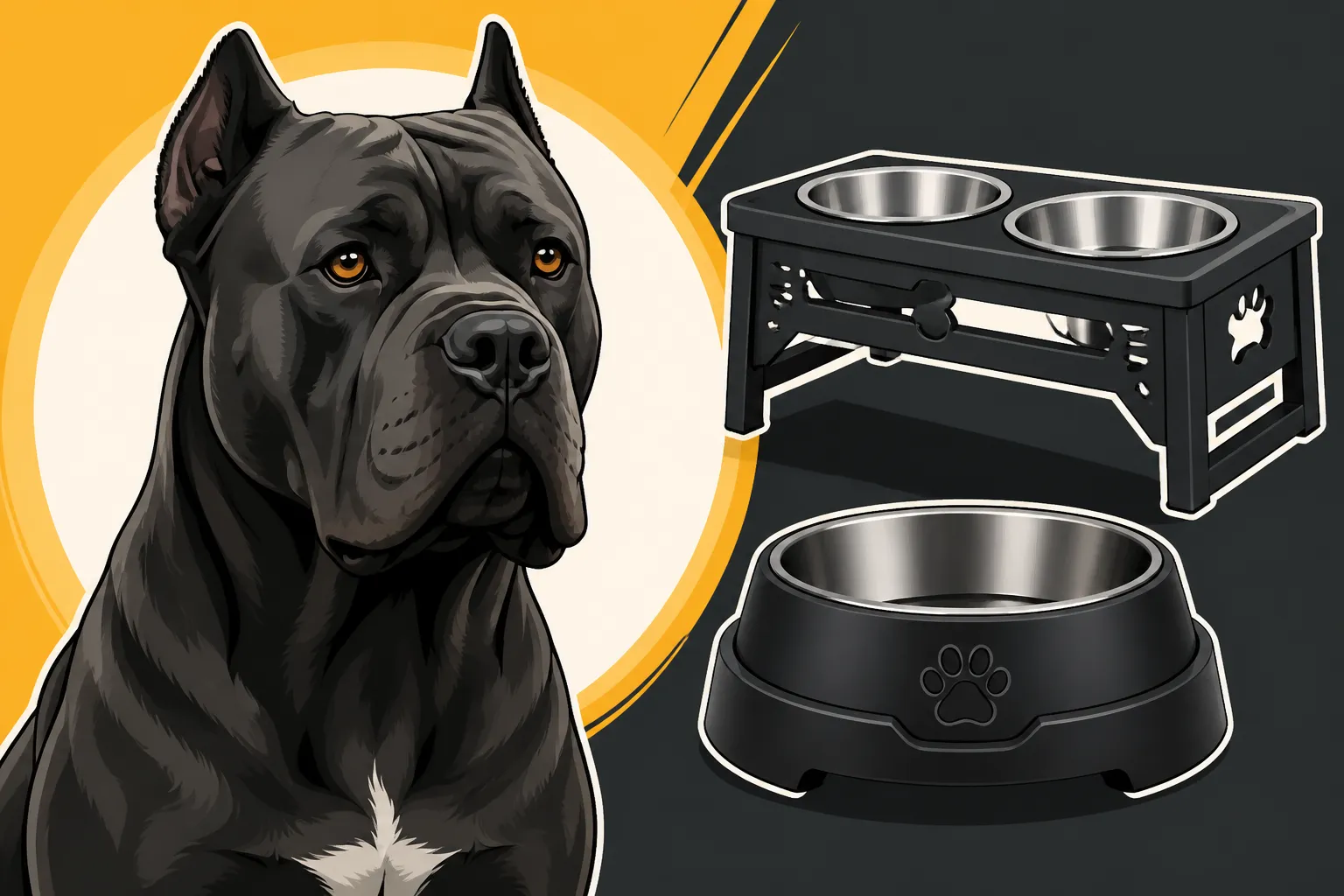
Bowls and Feeders Built for a Cane Corso
Bringing a powerful, majestic Cane Corso into your home is an incredible experience, but quickly, you'll discover that standard dog accessories often don't quite cut it. From collars to crates, and especially when it comes to feeding equipment, these big, strong dogs have unique needs. Trying to use flimsy, small bowls meant for a terrier just leads to a mess and frustration, not to mention potential health risks for your beloved giant. This guide will walk you through everything you need to know about choosing the right bowls and feeders that are truly built to stand up to a Cane Corso, ensuring their comfort, health, and your peace of mind.
The Unique Challenges of Feeding a Cane Corso
Owning a Cane Corso means acknowledging their sheer size, strength, and specific breed predispositions. What works for a smaller dog simply won't suffice for a powerful molosser that can easily knock over a lightweight bowl or inhale its food in seconds. Understanding these challenges is the first step in creating a safe and efficient feeding routine.
Size and Strength Requirements
Let's be real: a Cane Corso isn't just a big dog; they're a powerful big dog. Their immense strength means they can inadvertently, or sometimes quite purposefully, push around, flip over, or even chew through inadequate feeding bowls. You’ve probably seen your Cane Corso enthusiastically head-butt their water bowl after a long drink, or nose their dinner bowl across the kitchen floor in their excitement. This isn't just messy; it can be a hazard. Lightweight plastic bowls are no match for a determined Corso. They’ll either be pushed around, leading to spilled food and water, or worse, chewed into pieces, potentially causing ingestion of plastic shards. We're talking about a dog that can easily reach kitchen counters, so their feeding equipment needs to be grounded, literally and figuratively, in robust design.
Preventing Bloat: The Deep-Chested Concern
One of the most critical health concerns for deep-chested breeds like the Cane Corso is Gastric Dilatation and Volvulus (GDV), commonly known as bloat. This life-threatening condition occurs when the stomach fills with gas and then twists, cutting off blood supply and trapping the gas. While the exact causes are complex and not fully understood, rapid eating is often implicated. You might have heard older advice suggesting elevated food bowls to prevent bloat. However, more recent research has actually suggested that elevated bowls may increase the risk of bloat in large, deep-chested breeds. This is a critical piece of information that has changed how many of us approach feeding our big dogs. For this reason, most veterinary professionals now recommend feeding Cane Corsos from bowls placed directly on the floor. This encourages a more natural eating posture and may reduce the tendency to gulp air while eating. Recognizing Bloat in a Cane Corso Before It Turns is essential knowledge for any owner.
Types of Bowls and Feeders for Your Cane Corso
Given their specific needs, selecting the right type of bowl is crucial. Forget the cute, decorative bowls you might pick for a smaller dog; for a Cane Corso, functionality, durability, and safety are paramount.
Stainless Steel Bowls: The Gold Standard
When it comes to durability and hygiene, stainless steel bowls are the undisputed champions for a Cane Corso. They are virtually indestructible, meaning your powerful pup can't chew through them or easily flip them over (especially if they have a rubberized base). More importantly, stainless steel is non-porous, which makes it incredibly easy to clean and sanitize. This is vital for preventing bacterial growth, especially if you're feeding wet food, raw diets, or if your Cane Corso is a particularly sloppy eater – and let's face it, many of them are! Imagine trying to scrub dried kibble and drool out of a plastic bowl; with stainless steel, a quick wash makes it sparkling clean. They don't absorb odors, nor do they leach chemicals into food or water, making them a safe long-term investment.
Ceramic Bowls: Aesthetics and Weight
For those who prioritize aesthetics and a bit more heft, ceramic bowls can be a good option. Their weight provides a natural stability that makes them harder for a Cane Corso to push around. They can also be quite attractive, often coming in various colors and designs that might better suit your home decor. However, ceramic bowls come with a significant drawback: they are breakable. A dropped bowl, or one pushed off a surface, can shatter, creating sharp hazards. Furthermore, if the ceramic glaze chips or cracks, the porous material underneath can harbor bacteria, making it less hygienic than stainless steel over time. They also tend to be heavier to lift and clean, which might be a consideration for some owners. If you choose ceramic, opt for heavy-duty, chip-resistant varieties and inspect them regularly for any damage.
Slow Feeder Bowls: Pacing Their Meals
If your Cane Corso scarfs down their meals in a flash, a slow feeder bowl is an absolute game-changer. These bowls are designed with ridges, mazes, or pillars inside that force your dog to eat around obstacles, significantly slowing down their ingestion of food. As we discussed with bloat, eating too quickly can lead to gulping air, which is a potential risk factor. A slow feeder transforms mealtime from a race into a mental exercise, making it more engaging and promoting better digestion. Brands like Chewy offer a fantastic selection of these, from simple raised bumps to more intricate designs that can extend mealtime by several minutes, if not longer. This simple change can make a huge difference in your Cane Corso's health and comfort after eating. The Mealtime Habits That Turn a Cane Corso's Stomach can be prevented with such feeders.
Travel Bowls and Portable Solutions
Life with a Cane Corso isn't always confined to your home, and when you're on the go, you still need reliable feeding and watering solutions. Collapsible silicone bowls are perfect for car trips, hikes, or visits to friends and family. They fold flat, taking up minimal space, yet expand to a good size for your Corso to drink or eat from. Look for durable, food-grade silicone options that can withstand repeated use and cleaning. While not for everyday use, these portable bowls are indispensable for ensuring your Cane Corso stays hydrated and fed wherever your adventures take you. Just make sure they are a good, sturdy size when expanded to accommodate your dog's drinking and eating style.
Features to Prioritize in a Cane Corso Feeder
Beyond the basic type of bowl, several specific features make a feeder truly suitable for a Cane Corso. These considerations will help you avoid common pitfalls and ensure a smooth, safe feeding experience.
Non-Slip Bases and Weight
This is non-negotiable for a Cane Corso. A bowl that slides or tips easily is an accident waiting to happen. Look for bowls with heavy-duty rubberized rings or feet on the bottom that grip the floor. Alternatively, choosing inherently heavy materials like solid ceramic or very thick stainless steel can also provide the necessary stability. Imagine your Corso pushing a lightweight bowl across a tiled kitchen floor, spilling food everywhere, or worse, scaring themselves with the clatter. A stable bowl stays put, allowing them to eat comfortably without chasing their dinner around the room. This also means less cleaning for you, which is always a bonus when dealing with a large dog's feeding area.
Appropriate Size and Capacity
A Cane Corso eats a lot and drinks even more. Trying to use a standard medium-sized dog bowl means constant refilling, especially for water. You need bowls with ample capacity to hold their full meal without overflowing, and certainly a water bowl large enough to last for several hours, if not all day, depending on your dog's activity level and the climate. Generally, a 10-12 cup capacity for food and a gallon or more for water is a good starting point for an adult Cane Corso. Too small, and they might try to dig food out, making a mess, or feel frustrated by the lack of space. Too small a water bowl, and you'll find yourself refilling it multiple times a day, especially after exercise. How Many Cups a Ninety Pound Cane Corso Gets is a good indicator of the size you'll need.
Material Safety and Durability
We've touched on this, but it bears repeating: material matters. Avoid cheap plastics that can easily be chewed, scratched, or leach chemicals. These materials can harbor bacteria, become a chewing hazard, and over time, break down. Stick to food-grade stainless steel or sturdy, glazed ceramic. For specialty items like slow feeders, ensure the plastic is BPA-free and durable, as some dogs will try to chew the ridges if frustrated. The goal is a feeder that will last for years, withstand daily use (and abuse), and remain safe for your Cane Corso. When considering foods from services like Ollie, which often come in fresh, moist forms, having easy-to-clean, non-porous bowls is even more critical for hygiene.
Ease of Cleaning
Hygiene is paramount in your Cane Corso's feeding area. Leftover food, saliva, and water can quickly become a breeding ground for bacteria. Your chosen bowls should be easy to clean thoroughly, preferably dishwasher safe. Stainless steel excels here. Bowls with intricate designs or hard-to-reach crevices can be a nightmare to properly sanitize. A clean bowl contributes not only to good hygiene but also to preventing unpleasant odors around your dog's feeding station. For the best defense against bacterial buildup and to maintain a healthy environment, daily cleaning of food bowls and frequent cleaning of water bowls is recommended.
Setting Up Your Cane Corso's Feeding Station
Once you've got the right bowls, thinking about the setup itself can make a big difference in both your Cane Corso's well-being and your daily routine.
Choosing the Right Location
Your Cane Corso's feeding station shouldn't be in a high-traffic area where they might be disturbed or where you might trip over them. Choose a quiet, accessible spot where they can eat and drink undisturbed. This helps reduce stress and promotes better digestion. A corner of the kitchen, a utility room, or a dedicated feeding nook works well. Ensure the floor surface is easy to clean, as even the most meticulous Corso can make a bit of a mess. Placing a washable mat or tray underneath the bowls can help contain any spills or drool, saving your floors.
Water, Water Everywhere
Cane Corsos need constant access to fresh, clean water. They are big dogs, and staying hydrated is crucial for their overall health, digestion, and organ function. You might even consider having multiple water stations, especially if your home has multiple levels or if your Corso spends time both indoors and outdoors. A large, heavy water bowl that won't tip over easily is essential. For outdoor use, consider a weighty ceramic or concrete waterer that stays cool and provides plenty of water. Regularly scrub and refill water bowls; don't just top them off. A good water supply is just as important as the food itself, and keeping it fresh is key to preventing issues. Why a Cane Corso Empties Its Water Bowl by Noon is a common experience, so be prepared!
Managing Multiple Pets
If you have other pets in the household, managing feeding time for your Cane Corso requires a bit more thought. A Cane Corso's meal is typically much larger than a smaller dog's, and they can be quite protective of their food resources. To prevent conflicts, it's often best to feed pets separately. This could mean feeding them in different rooms, using crates, or supervising closely to ensure everyone gets to eat their own meal in peace. For water, a communal, large, stable water bowl usually works fine, but ensure there's enough for everyone and that no one is guarding it aggressively. This approach minimizes stress for all your animals and ensures that each one receives their proper nutrition without competition.
Here's a quick comparison of popular bowl materials for your Cane Corso:
| Feature | Stainless Steel Bowls | Ceramic Bowls | Slow Feeder Bowls (often plastic/silicone) |
|---|---|---|---|
| Durability | Excellent; virtually indestructible | Moderate; prone to chipping/breaking | Varies by material; good quality is durable |
| Hygiene | Excellent; non-porous, easy to sanitize | Good, but can harbor bacteria if chipped/cracked | Good, if BPA-free and thoroughly cleaned regularly |
| Weight/Stability | Good; best with non-slip base | Excellent; naturally heavy and stable | Varies; look for heavy bases or suction cups |
| Bloat Risk | No increased risk (when on floor) | No increased risk (when on floor) | Reduces risk by slowing eating |
| Ease of Cleaning | Very easy; often dishwasher safe | Moderate; heavier, fragile; can be dishwasher safe | Moderate; ridges require thorough scrubbing |
| Chew Resistance | Excellent; resistant to chewing | Low; can be broken, not chewed | Moderate; some dogs may chew ridges if frustrated |
| Aesthetics | Functional, modern; less decorative | High; wide range of designs and colors | Functional; some modern designs available |
| Typical Use | Everyday food and water | Everyday food and water (careful with breakage) | Everyday food for fast eaters |
Disclaimer
This article is for general informational purposes only and does not constitute professional advice. Laws, prices and regulations vary by location and change over time. Consult a qualified professional for guidance on your specific situation.